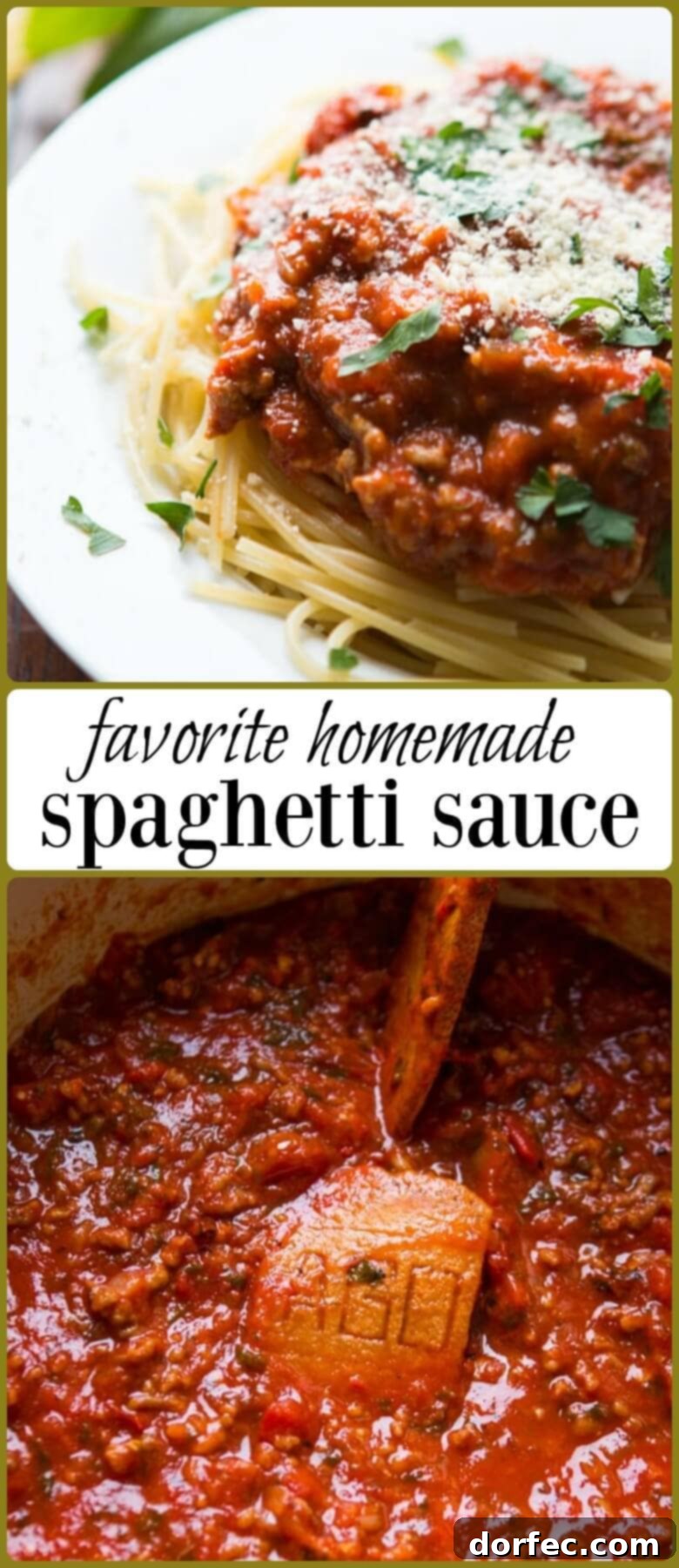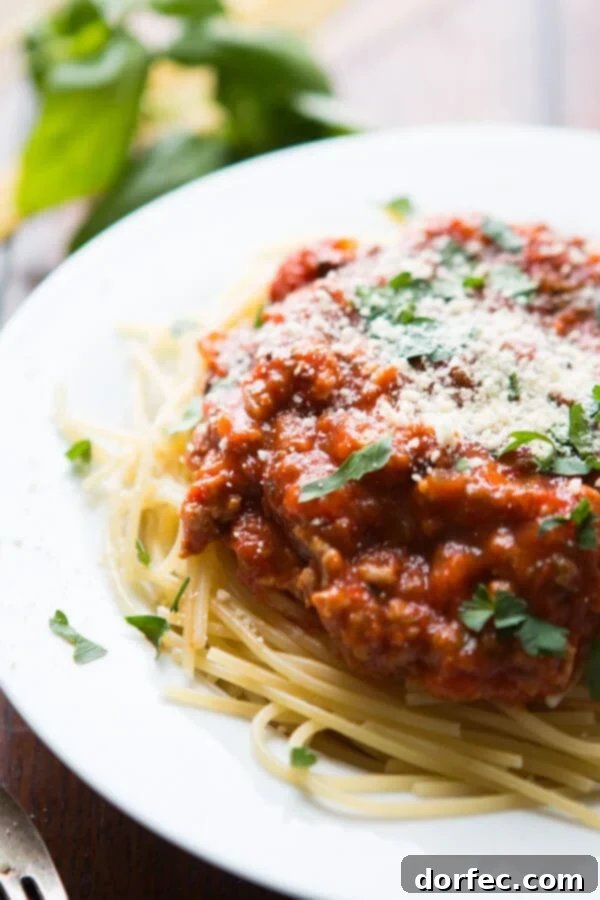
Unlock the secret to a truly unforgettable dining experience with our ultimate homemade spaghetti sauce recipe. This isn’t just any pasta sauce; it’s a cherished family favorite, perfected over years to deliver a depth of flavor that will have everyone begging for a second helping. Crafted with the freshest ingredients and featuring a unique secret element, this recipe promises to elevate your weeknight dinners and special occasions alike. Prepare to transform your kitchen into an authentic Italian trattoria!
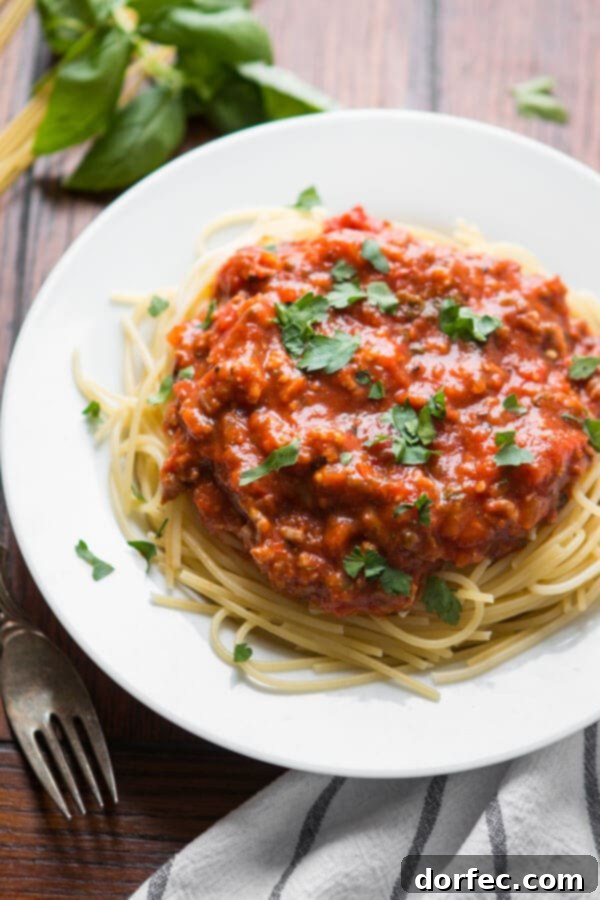
Crafting the Best Homemade Spaghetti Sauce: A Timeless Tradition
After countless culinary experiments and a relentless pursuit of perfection, we’ve finally perfected what we confidently call the best homemade spaghetti sauce. This exceptional spaghetti sauce from scratch isn’t just a recipe; it’s a testament to the magic that happens when quality ingredients and a little patience come together. It’s the kind of sauce you’ll be eager to savor time and time again, a true staple for any home cook.
Unlike quick-fix solutions, this particular easy homemade spaghetti sauce recipe embraces the philosophy that great flavor takes time. It’s a slow-simmered masterpiece, bubbling gently on the stove for hours, allowing its complex flavors to meld and intensify. While the cooking process spans several hours, the hands-on preparation is surprisingly minimal, requiring only about 10 minutes of active work. This means you can get your sauce started and then attend to other tasks, knowing that a rich, hearty, and utterly irresistible meal is steadily coming to life.
In this comprehensive guide, we’ll walk you through every step of making this incredible pasta sauce. We’ll explore the significance of each ingredient, share invaluable tips for achieving unparalleled flavor, and answer all your frequently asked questions about crafting the perfect homemade pasta sauce. Get ready to impress your family and friends with a sauce that tastes like it came straight from a Tuscan kitchen.
Essential Ingredients for a Superior Spaghetti Sauce
Don’t be daunted by the seemingly extensive ingredient list for this Italian spaghetti sauce; most items are common pantry staples. Each component plays a crucial role in building the layered flavors that make this sauce truly special. Here’s a breakdown of what you’ll need and why:
- Fresh Tomatoes: The foundation of any great sauce. We highly recommend using ripe Roma tomatoes for their balanced acidity and lower water content, which contributes to a richer sauce. Roasting them beforehand brings out their natural sweetness and deepens their flavor.
- Garlic: Essential for aromatic depth. Roasting whole garlic cloves with their skins on simplifies peeling and imparts a mellow, sweet flavor profile that complements the tomatoes perfectly.
- Olive Oil: The starting point for roasting vegetables and sautéing aromatics. A good quality extra virgin olive oil enhances overall flavor.
- Salt and Black Pepper: Fundamental seasonings that bring all the flavors into harmony. Always taste and adjust as the sauce simmers.
- Onion: Provides a foundational sweetness and aromatic base when sautéed until translucent.
- Baby Bella Mushrooms: Adds an earthy umami depth and a delightful texture to the sauce. Minced, they integrate seamlessly.
- Red Bell Pepper: Contributes a subtle sweetness and vibrant color, enhancing the sauce’s complexity.
- Mild Italian Sausage: This ingredient is key for a savory, meaty sauce. It imparts incredible flavor and a satisfying richness. For a vegetarian option, it can be easily omitted without sacrificing much flavor, thanks to the other rich ingredients.
- Fresh Herbs: A fragrant blend of parsley, basil, rosemary, and oregano is vital for a bright, fresh taste. While dried herbs can be substituted (measurements provided in the recipe), fresh herbs truly make a difference.
- Canned Tomatoes: For a consistent, rich tomato base, high-quality canned tomatoes are indispensable. We swear by Cento brand San Marzano tomatoes for their superior flavor, lower acidity, and dense flesh.
- Tomato Sauce: Contributes to the overall liquid and tomato intensity. You can use a good quality canned tomato sauce or, if you have the time, homemade tomato sauce for an extra touch.
- Tomato Paste: This concentrated powerhouse is crucial for thickening the sauce and boosting its deep tomato flavor without making it watery.
- Bay Leaf: Infuses the sauce with a subtle, aromatic background note that deepens as it simmers. Remember to remove it before serving!
- Balsamic Vinegar: A touch of balsamic vinegar adds a hint of sweetness and acidity, balancing the richness of the tomatoes and other ingredients.
- Parmesan Rind: This is our “secret ingredient” that truly takes this sauce to the next level. Simmering a Parmesan rind in the sauce infuses it with an incredible umami depth and savory richness that’s hard to achieve otherwise. Don’t throw them away!
Detailed measurements for all these ingredients can be found in the comprehensive recipe card at the end of this article. Keep scrolling to ensure you have all the information you need to create this culinary masterpiece.
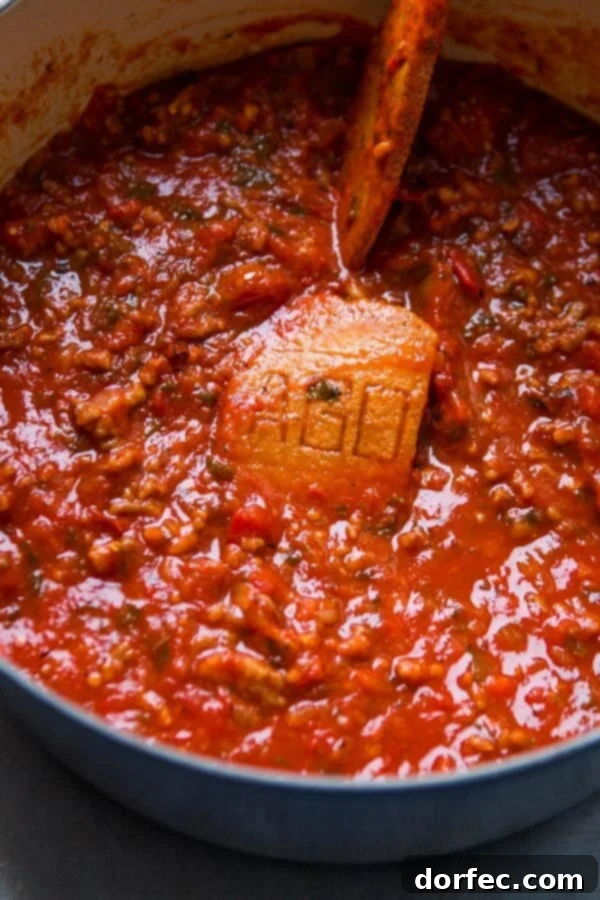
Unlocking Flavor: Expert Tips for the Best Spaghetti Sauce
Making truly exceptional spaghetti sauce goes beyond simply combining ingredients; it involves understanding how each component contributes to the final symphony of flavors. Here are the crucial tips and “secrets” that elevate this recipe from good to absolutely phenomenal:
The Power of Quality Tomatoes
The star of any pasta sauce is, undeniably, the tomato. For a sauce that truly shines, the quality of your tomatoes is paramount. We advocate for a blend of fresh roasted tomatoes and high-quality canned products. When it comes to canned, seek out San Marzano tomatoes. These Italian plums are renowned for their sweet flavor, low acidity, and tender flesh. If your local grocery store carries them, don’t hesitate. They genuinely taste superior. If San Marzano are hard to find, invest in the best quality whole peeled canned tomatoes you can, especially when they’re on sale. During summer, we often freeze or can our own tomato sauce, applying the same principle of using only the finest, ripest tomatoes available.
Fresh vs. Dried Herbs: The Blooming Advantage
Herbs are the soul of an Italian sauce, infusing it with aromatic complexity. While fresh herbs like parsley, basil, rosemary, and oregano offer an unparalleled brightness, a combination of fresh and dried or even entirely dried herbs can work wonders if properly handled. The key is “blooming” your dried herbs and spices. This means adding them to the hot pan while sautéing your vegetables, allowing their essential oils to release and their flavors to “wake up” before the liquid ingredients are added. This simple step vastly intensifies their aroma and taste.
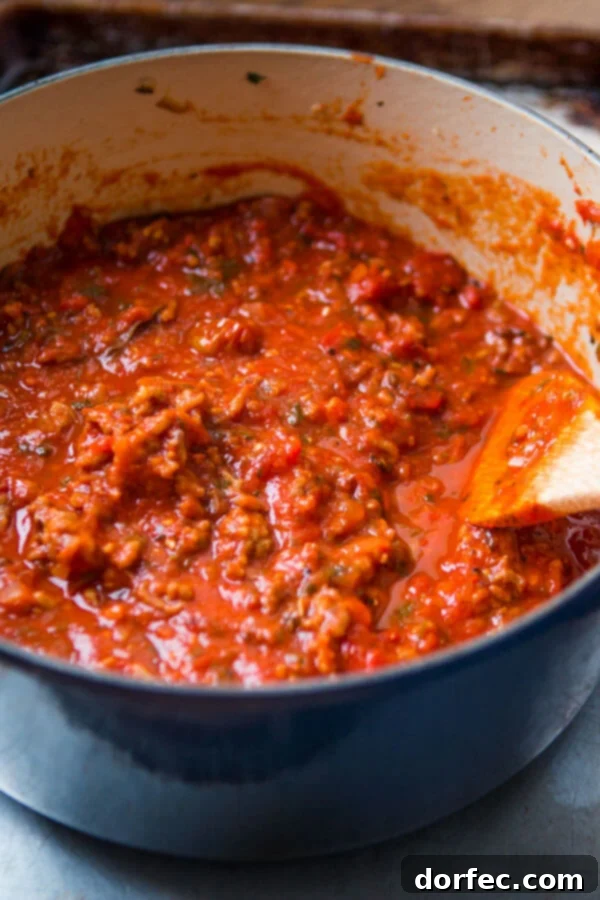
The “Secret Weapon”: Parmesan Rind
As mentioned, a Parmesan rind is arguably the single most impactful ingredient for transforming a good spaghetti sauce into an extraordinary one. Never, ever discard that hard, flavorful end of your Parmesan wedge again! Toss it into your sauce and let it simmer for hours. As it slowly dissolves (or softens), it releases incredible umami, savory depth, and a subtle richness that doesn’t taste overtly cheesy, but adds an indescribable “oomph.” Even when storing leftovers in the fridge, we often leave the rind in to continue imparting its magic.
The Non-Negotiable Ingredient: Time
A truly magnificent pasta sauce cannot be rushed. It needs time—lots of it—to allow all the individual flavors to meld, deepen, and fully “bloom.” We typically start ours in the morning, letting it simmer gently on low heat all day long. Some even find that making the sauce a day in advance, refrigerating it, and then slowly reheating it before serving allows for an even greater depth of flavor development. Patience is a virtue, especially when it comes to crafting a timeless sauce.
Meat Matters: Choosing Your Protein
While a delicious vegetarian spaghetti sauce is absolutely achievable with this recipe, adding meat undeniably enhances its richness and savory profile. For the best flavor, we recommend using either mild Italian sausage or a combination of half ground beef and half Italian sausage. The spices in the Italian sausage, along with the fat, contribute significantly to the sauce’s robust character. Our homemade meatballs are also an excellent addition for an even heartier meal.
Beyond the Ingredients: Browning and Deglazing
Beyond choosing the right ingredients, mastering your technique is key. When browning your meat and sautéing your vegetables, ensure you allow a nice brown crust to form at the bottom of your Dutch oven. This “fond” is packed with flavor. Once you add liquid (like canned tomatoes), scrape up all those delicious browned bits from the bottom of the pot. This process, known as deglazing, incorporates a tremendous amount of flavor back into your sauce.
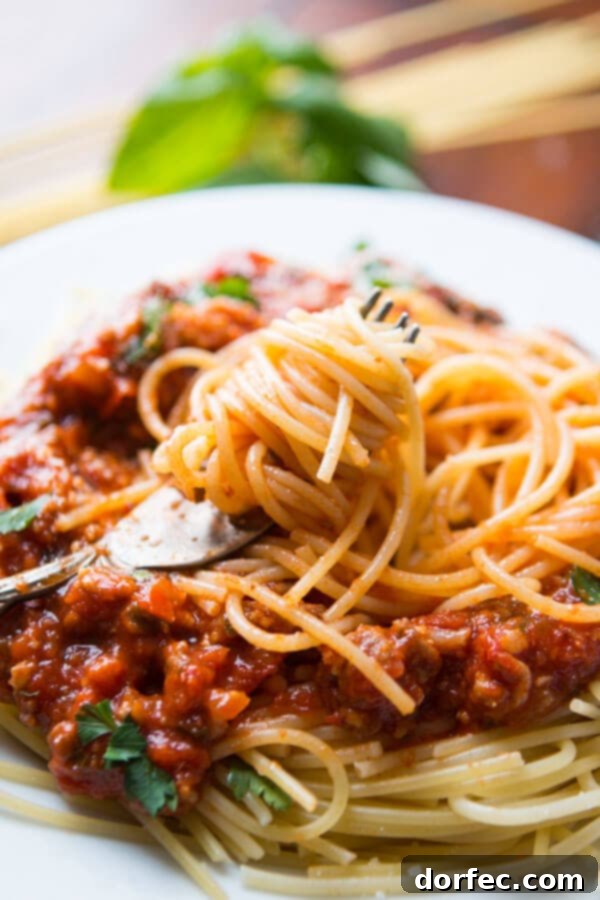
Step-by-Step: How to Craft Your Own Spaghetti Sauce
Creating this rich and flavorful Italian spaghetti sauce is an incredibly rewarding experience. While it demands patience for its long simmer, the hands-on prep work is straightforward and designed for success. Here’s a detailed breakdown of how to make this exceptional sauce:
- Roast the Tomatoes and Garlic: Begin by preheating your oven to 400°F (200°C). Halve your fresh Roma tomatoes and toss them gently with a drizzle of olive oil on a baking pan. Add whole, unpeeled garlic cloves to the pan. Season lightly with salt and black pepper. Roast for 20-30 minutes, or until the tomatoes are visibly softened and slightly caramelized, and the garlic is fragrant and tender. Roasting intensifies their natural sweetness and adds a crucial layer of flavor that canned tomatoes alone cannot provide. Once cooled slightly, squeeze the roasted garlic from its skin and finely mince it.
- Sauté the Aromatics: In a large Dutch oven or heavy-bottomed pot, heat a generous drizzle of olive oil over medium heat. Add the diced onions, minced red bell pepper, and minced baby bella mushrooms. Sauté these vegetables, stirring occasionally with a wooden spoon, until the onions become translucent and soft, and the mushrooms have released their moisture and started to brown. This step builds the aromatic foundation of your sauce. Add the minced roasted garlic from the previous step and cook for another minute until fragrant, being careful not to burn it.
- Brown the Italian Sausage: If using, add the mild Italian sausage to the Dutch oven with the sautéed vegetables. Break it up with your spoon and cook until it’s thoroughly browned and no pink remains. Browning the meat is essential as it develops deep, savory flavors through the Maillard reaction, which will infuse into the entire sauce. Drain off any excess grease, leaving just enough to coat the bottom of the pot.
- Bloom the Herbs: Stir in the fresh (or dried, if using) parsley, rosemary, basil, and oregano. Cook for about 30 seconds, allowing the heat to release their aromatic oils and deepen their flavor profile.
- Combine and Simmer: Add the roasted fresh tomatoes (you can lightly crush them with your hands or the spoon), the canned San Marzano tomatoes (crushing them as you add them), canned tomato sauce, and tomato paste to the pot. Stir everything together to ensure all ingredients are well combined. Sprinkle with kosher salt (and more black pepper to taste) and add the bay leaf, balsamic vinegar, and the irreplaceable Parmesan rind. Bring the sauce to a gentle simmer, then reduce the heat to low, cover the pot, and let it cook.
- The Long Simmer: Allow the sauce to simmer for at least 3 hours, or ideally, all day long (4-6 hours is even better). The longer it simmers, the more the flavors will meld and deepen, transforming into a truly complex and rich sauce. Stir occasionally to prevent sticking and ensure even cooking.
- Serve and Garnish: Before serving, remember to remove the bay leaf (and the Parmesan rind if you prefer, though many leave it in for continued flavor infusion). Serve this incredible sauce generously over your favorite spaghetti noodles for a classic Italian experience, or pair it with any pasta shape you love. Finish with a sprinkle of freshly grated Parmesan cheese and a scattering of chopped fresh parsley for a burst of color and freshness.
For a precise breakdown of quantities and a printer-friendly version, scroll down to the full recipe card below.
Achieving the Perfect Consistency: How to Thicken Spaghetti Sauce
One of the most common issues with homemade sauces is achieving the right consistency – nobody wants a watery spaghetti sauce. The primary culprit for a thin sauce is often an insufficient amount of tomato paste. Tomato paste is a culinary workhorse; its high concentration of tomato solids and rich flavor makes it an ideal thickening agent that simultaneously amplifies the sauce’s overall tomato essence. It adds that much-needed “oomph” without diluting any other flavors.
If you find your sauce is still too thin after adding the recommended amount of tomato paste and simmering for a long period, here are a few additional tips:
- Simmer Longer, Uncovered: Allowing the sauce to simmer uncovered for the last hour or so of cooking will help some of the liquid evaporate, naturally thickening the sauce through reduction. This also intensifies the flavors.
- Puree a Portion: For a smoother, thicker sauce, you can carefully remove about 1-2 cups of the sauce (excluding the bay leaf and Parmesan rind), blend it with an immersion blender or in a regular blender until smooth, and then stir it back into the pot. The pureed vegetables and tomatoes will add body.
- Add More Tomato Paste: If desperate, you can stir in another tablespoon or two of tomato paste and simmer for an additional 20-30 minutes.
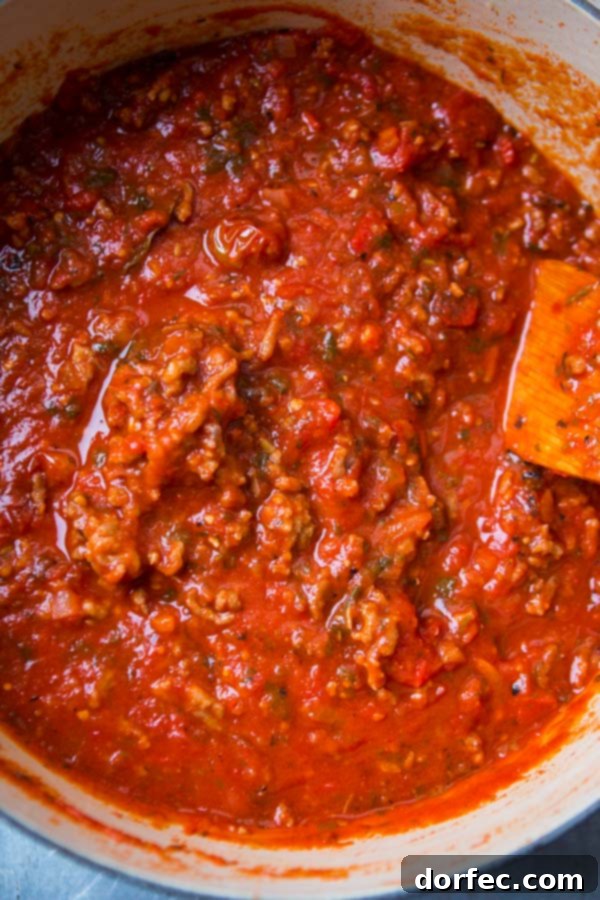
Common Questions About Homemade Spaghetti Sauce
Should I Peel and Deseed the Roasted Tomatoes?
After roasting your fresh tomatoes, you might wonder if you need to go through the extra step of peeling their skins or removing their seeds. For this recipe, we confidently say no! We find that the roasting process and the subsequent long simmer in the sauce break down the tomato skins and seeds sufficiently. They become so tender that they seamlessly integrate into the sauce, adding to its body and texture without being noticeable. Skipping this tedious step saves you valuable prep time without compromising flavor or texture.
Can I Omit the Ground Meat for a Vegetarian Option?
Absolutely! While the mild Italian sausage adds a wonderful depth and richness, this sauce is incredibly flavorful even without it. If you’re vegetarian, or simply don’t have meat on hand, feel free to leave it out. To ensure a hearty vegetarian sauce, you might consider increasing the amount of mushrooms or adding cooked lentils for extra protein and texture. A splash of vegetable broth could also enhance the savory notes. The robust combination of roasted tomatoes, herbs, and that magical Parmesan rind ensures your sauce will still have an abundance of deliciousness.
Can I Make Spaghetti Sauce in a Slow Cooker?
Yes, a slow cooker is an excellent tool for making homemade spaghetti sauce, especially if you want to set it and forget it for most of the day. To achieve the best flavor, we recommend browning your meat and sautéing your vegetables on the stovetop first, as described in steps 2-4 of our instructions. This crucial step develops deep flavors through browning that a slow cooker cannot replicate. Once browned, transfer the meat and vegetables to your slow cooker, add the remaining sauce ingredients (tomatoes, herbs, paste, rind, etc.), stir everything together, and cook on the low setting for at least 6-8 hours, or even longer for maximum flavor development. Stir occasionally if possible.
Is it Okay to Can Spaghetti Sauce?
Yes, this homemade spaghetti sauce recipe is suitable for canning! We often make large batches during the summer months when fresh tomatoes are abundant, and preserve it for enjoyment throughout the year. If you plan to can, ensure you follow tested canning guidelines and safety procedures, especially regarding proper acidity levels for shelf stability. This sauce is a fantastic candidate for preserving the taste of summer.
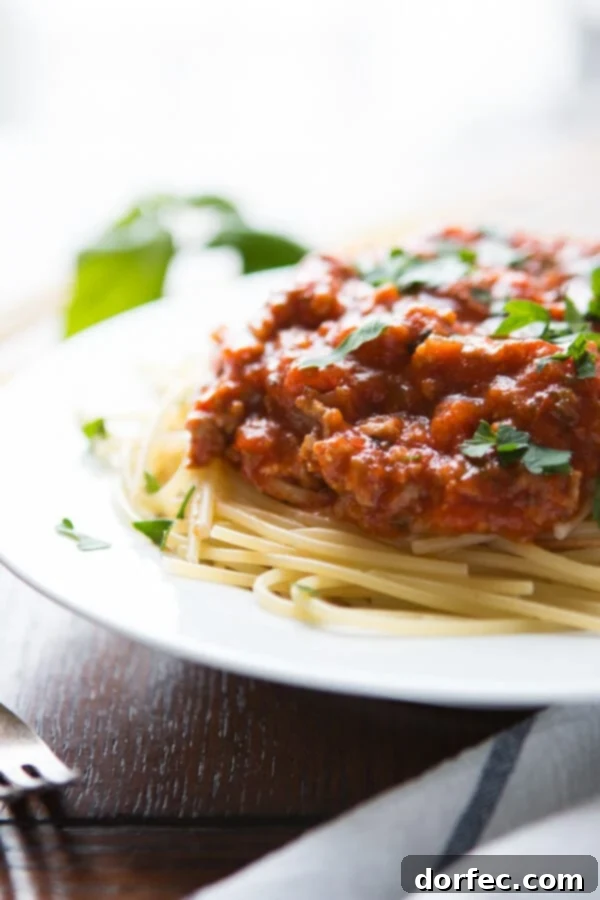
Storing Your Homemade Spaghetti Sauce
Having a batch of this delicious homemade spaghetti sauce on hand is a game-changer for quick and satisfying meals. Proper storage ensures you can enjoy its rich flavors for days or even months:
- Refrigeration: If you plan to use the sauce within a week, allow it to cool completely before transferring it to an airtight container. It will keep beautifully in the refrigerator for up to 7 days. This makes it perfect for meal prepping and easily accessible for busy weeknights.
- Freezing: This spaghetti sauce freezes exceptionally well! Once the sauce has cooled completely, portion it into freezer-safe containers or heavy-duty freezer bags. For ultimate freshness, we highly recommend using a vacuum sealer and vacuum seal bags, which can keep the sauce tasting perfectly fresh for two to three months or even longer. If using regular freezer bags, ensure you remove as much air as possible to prevent freezer burn. When ready to use, simply transfer the frozen sauce to your refrigerator overnight to thaw, or gently reheat from frozen on the stovetop over low heat.
Don’t let any of this amazing sauce go to waste! Leftover spaghetti sauce is incredibly versatile. Use it as a base for a hearty lasagna, a filling for calzones or stromboli, a topping for baked potatoes, or simply as a dipping sauce for garlic bread. The possibilities are endless, and the flavor will consistently impress!
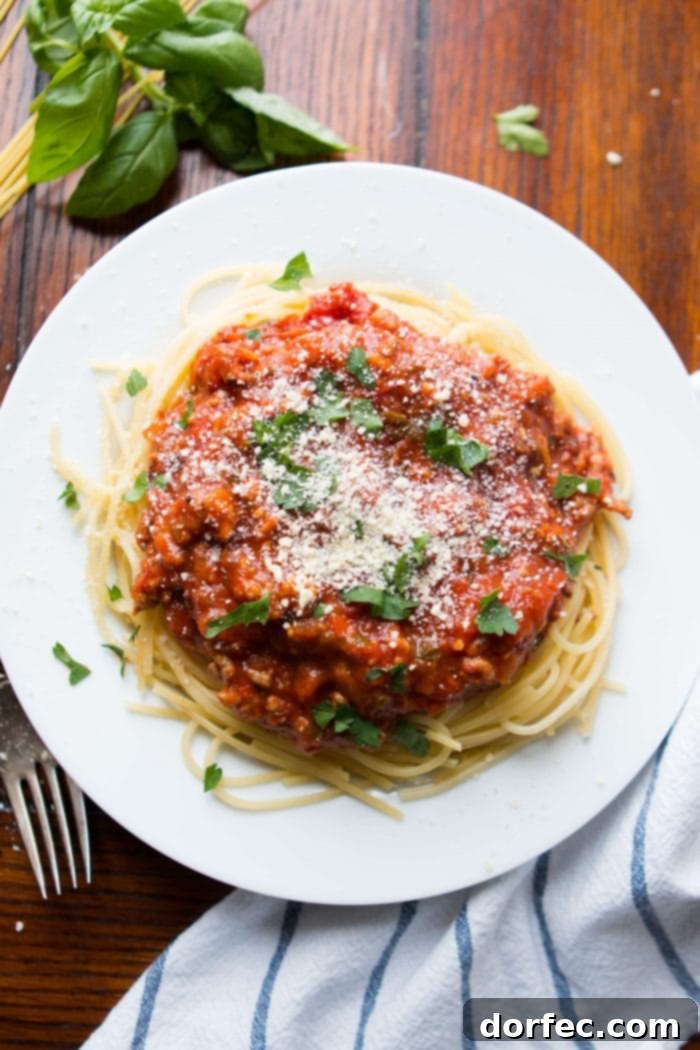
Watch Our Video Guide to Homemade Spaghetti Sauce
Visual learners, rejoice! To see exactly how effortless it is to create this incredible homemade spaghetti sauce, watch our step-by-step video tutorial. It breaks down each stage of the process, ensuring you can follow along with confidence and master this recipe in no time. Get ready to ditch the store-bought jars forever!
Click to Watch: The BEST Homemade Spaghetti Sauce Tutorial
Armed with fresh ingredients, our secret ingredient, and simple instructions, this homemade spaghetti sauce is guaranteed to become your family’s most requested meal. Say goodbye to bland, store-bought sauces and hello to rich, authentic flavor!
Explore More Irresistible Italian Sauce Recipes
Once you’ve mastered this incredible spaghetti sauce, your journey into the world of Italian sauces has only just begun! Italian cuisine is rich with diverse and delicious sauces, each offering a unique flavor experience. Expand your culinary repertoire with these other fantastic sauce recipes, perfect for pairing with your favorite Italian dishes:
- Authentic Bolognese Sauce: A hearty, slow-cooked meat sauce perfect for wide, flat pasta like tagliatelle.
- Creamy Fettuccine Alfredo Sauce: Indulge in a classic, rich, and velvety sauce ideal for fettuccine.
- Zesty Homemade Pizza Sauce: Craft the perfect base for your pizzas with this vibrant and easy recipe.
- Easy Classic Pesto: A fresh, aromatic basil pesto that’s versatile and bursting with flavor.
- Garden Veggie Marinara Sauce: A lighter, vegetable-packed alternative to classic marinara.
- Rich & Flavorful Easy Beef Ragu: Another slow-cooked meat sauce, perfect for a comforting meal.
- Unique Cilantro Pesto: A refreshing twist on traditional pesto, great for adding a vibrant kick.
BEST Homemade Spaghetti Sauce
This homemade spaghetti sauce recipe is a family favorite and is sure to become yours too! Made with fresh ingredients and a secret ingredient that takes it to the next level.
Ingredients
- Olive Oil
- 4 Large Fresh Tomatoes (or 6 Small)
- 2 Cloves Garlic
- Salt and Black Pepper
- 1 Onion, diced
- 1/2 Cup Red Bell Pepper, minced
- 1/3 Cup Baby Bella Mushrooms, minced
- 1 Pound Mild Italian Sausage
- 1/4 Cup Fresh Parsley, chopped (or 2 Tablespoons Dried)
- 1 teaspoon Fresh Rosemary, chopped (or 1/2 Teaspoon Dried)
- 1 Tablespoon Fresh Basil, chopped (or 1 1/2 Teaspoons Dried)
- 1 teaspoon Fresh Oregano, (or 1/2 Teaspoon Dried)
- 1 Can San Marzano Tomatoes, 28 oz
- 30 Ounces Tomato Sauce, (about 2 cans), see note
- 2 Tablespoons Tomato Paste
- 1 teaspoon Kosher Salt, plus more to taste
- 1 Bay Leaf
- 2 teaspoons Balsamic Vinegar
- 1/2 of a Rind from a Parmesan Cheese Wedge
Instructions
- Preheat an oven to 400 degrees F and drizzle a little Olive Oil on a cookie sheet.
- Slice the 4 Large Fresh Tomatoes in half and toss in the oil on the pan.
- Add the 2 Cloves Garlic, in its skins and toss in the oil.
- Sprinkle with a little Salt and Black Pepper and bake for 20-30 minutes or until the tomatoes are wilted.
- Press the garlic out of their papers, mince and set everything aside.
- Heat a dutch oven over medium heat and add a drizzle of Olive Oil.
- Add the 1 Onion, 1/2 Cup Red Bell Pepper, 1/3 Cup Baby Bella Mushrooms and garlic and stir with a wooden spoon until the onions begin to turn translucent.
- Add the 1 Pound Mild Italian Sausage and break it up a little.
- As the meat browns, occasionally go back to the pan every minute or so and continue to break up the meat.
- Add the 1/4 Cup Fresh Parsley, 1 teaspoon Fresh Rosemary, 1 Tablespoon Fresh Basil, 1 teaspoon Fresh Oregano and stir again to combine, allowing to cook for 30 seconds.
- Add the tomatoes, 1 Can San Marzano Tomatoes, 30 Ounces Tomato Sauce, and 2 Tablespoons Tomato Paste.
- Stir to combine and sprinkle with 1 teaspoon Kosher Salt evenly over the sauce.
- Add the 1 Bay Leaf, 2 teaspoons Balsamic Vinegar and 1/2 of a Rind from a Parmesan Cheese Wedge.
- Stir to combine and allow to simmer for 3 hours or all day.
- Before serving, remove the bay leaf.
- We let the parmesan stay in until we’ve eaten all of the sauce, even with the leftovers in the fridge.
Recipe Notes
Tomato Sauce: We love to roast tomatoes, puree them, strain out the seeds and freeze in ziploc bags, but canned will work just fine.
Spaghetti sauce can be frozen for up to 3 months. Cool completely, then place in freezer containers or heavy-duty freezer bags to freeze.
Nutrition
Serving: 1 cup, Calories: 270kcal, Carbohydrates: 17g, Protein: 12g, Fat: 19g, Saturated Fat: 7g, Polyunsaturated Fat: 3g, Monounsaturated Fat: 8g, Cholesterol: 43mg, Sodium: 1316mg, Potassium: 938mg, Fiber: 4g, Sugar: 10g, Vitamin A: 1858IU, Vitamin C: 42mg, Calcium: 66mg, Iron: 3mg
Nutrition information is automatically calculated, so should only be used as an approximation.
Enjoyed this recipe? We’d love to hear from you! Please leave a comment below and let us know what you thought. Your feedback helps us continue to share delicious recipes with fellow food lovers.