
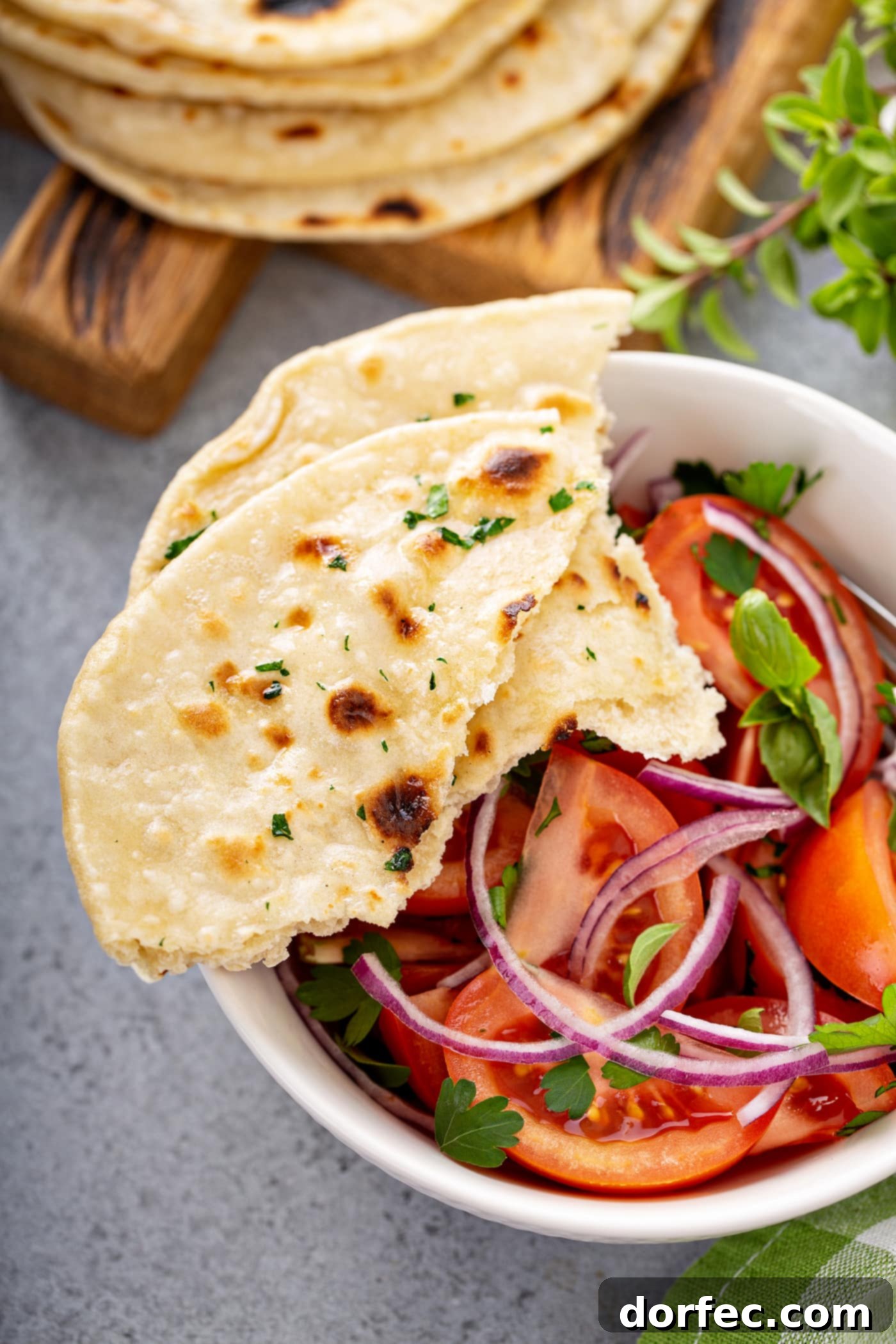
In a world of complex recipes and endless ingredient lists, sometimes the simplest creations hold the most profound delight. This Quick and Easy 3-Ingredient Unleavened Bread Recipe is a testament to that, requiring just three basic ingredients that you likely already have in your pantry. It’s a culinary journey back in time, offering a taste of history with remarkable ease.
Last year, seeking to deepen our children’s understanding and connection to the true meaning of Christmas and Easter, we decided to host a Nativity dinner. This unleavened bread recipe quickly became a cherished favorite among the kids, offering a tangible link to ancient traditions.
When planning our themed dinner, I delved into researching foods that would have been common in Jerusalem during the time of Christ’s birth, especially around the Passover week. My goal was to craft a meal that authentically reflected the dietary staples of that era, and this simple flatbread fit the bill perfectly. Unleavened bread was a recurring theme in my historical culinary explorations, renowned for its simplicity and versatility, making it an ideal companion to other traditional dishes like our easy homemade hummus.
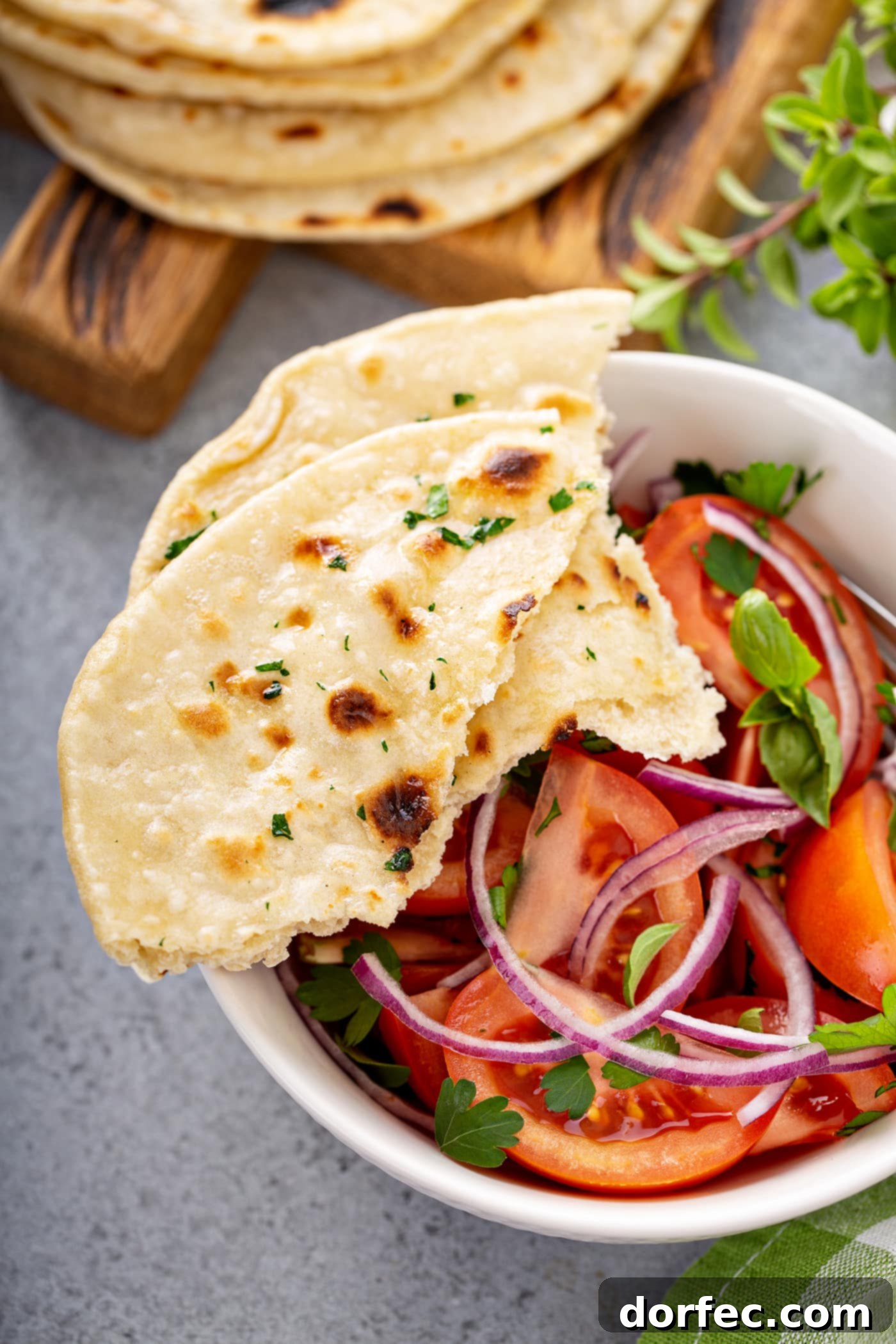
Why Choose This 3-Ingredient Unleavened Bread?
Beyond its historical relevance, this unleavened bread stands out for its incredible simplicity and speed. In an age where time is precious, having a reliable recipe that delivers delicious results with minimal effort is invaluable. There’s no yeast involved, meaning no waiting for dough to rise – you can go from pantry to plate in under 15 minutes! This makes it an excellent choice for busy weeknights, last-minute gatherings, or when you simply crave fresh, warm bread without the fuss.
It’s also wonderfully adaptable. Serve it as a side, use it for dipping into your favorite sauces, or even as a base for quick wraps. The mild flavor of the bread allows it to complement a wide array of cuisines, from Mediterranean to Middle Eastern and beyond. For families looking for healthy alternatives, it provides a low-fat, low-sugar option, especially when made with whole-grain flour.
Our Complete Nativity Dinner Menu: A Timeless Feast
To fully embrace the spirit of our Nativity dinner, we curated a menu that evoked the flavors and traditions of ancient Jerusalem. This unleavened bread was a cornerstone of the meal, perfectly complementing each dish. Here’s a glimpse of the full menu that brought our historical feast to life:
- Jerusalem Herb Chicken Thighs
- Creamy Homemade Hummus
- Hearty Wild Rice and Chickpeas with Crispy Shallots
- Soft Homemade Naan
- Roasted Pear and Apple Salad with Caramelized Shallot Maple Vinaigrette
- Creamy Garlic Parmesan Brussel Sprouts and Broccoli
- Chewy Gingerbread Man Cookies
What Ingredients Do I Need to Make Unleavened Bread?
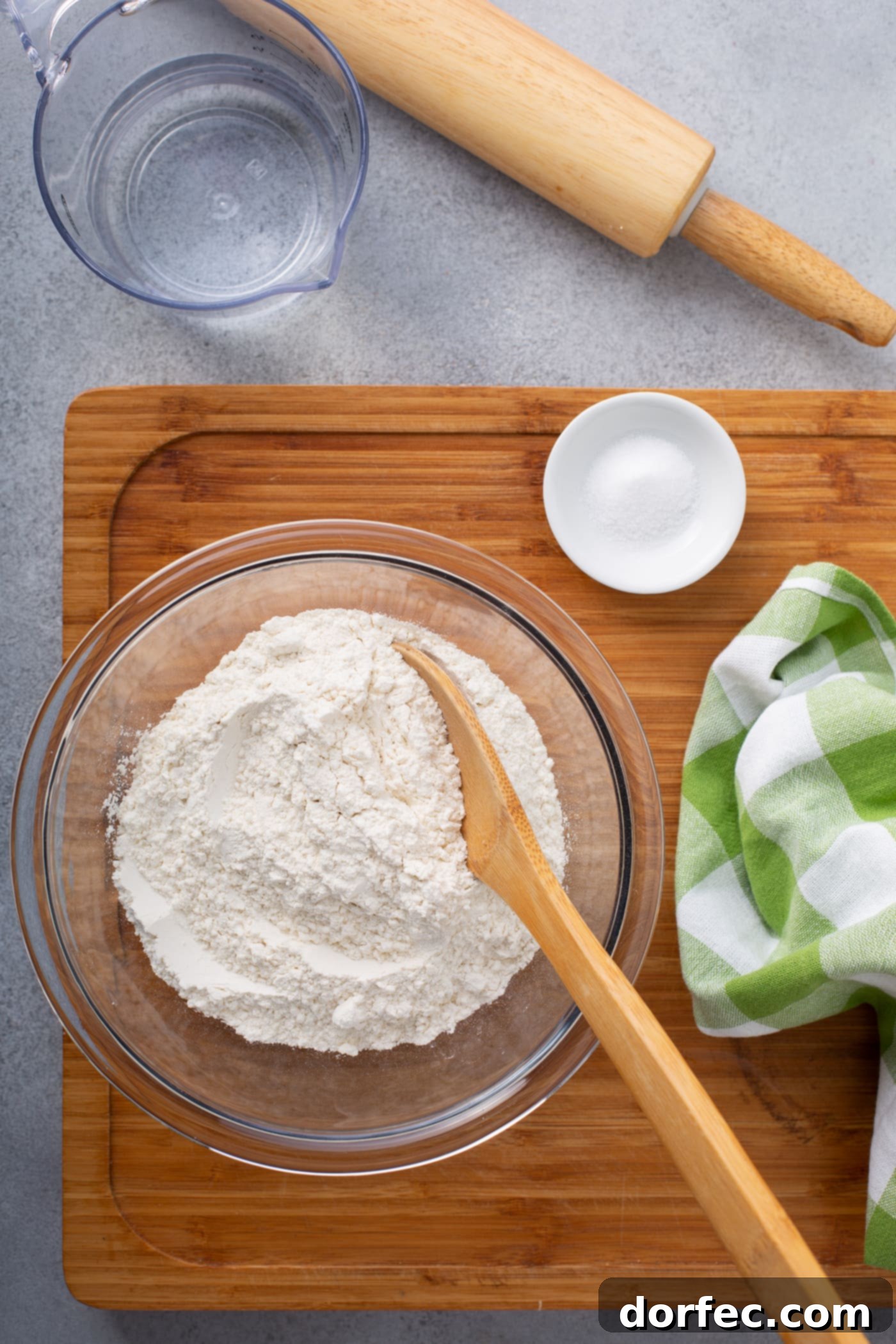
The beauty of this recipe truly lies in its simplicity. You’ll only need three foundational ingredients, most of which are kitchen staples you likely already possess. In fact, if you consider water a basic necessity rather than a distinct ingredient (which many home cooks do!), then you technically only need two!
- All-Purpose Flour: The primary building block, providing structure and texture. While all-purpose flour works wonderfully, you can also experiment with whole wheat flour for a nuttier flavor and added fiber.
- Salt: Essential for enhancing flavor and balancing the dough.
- Water: The binding agent that brings the dry ingredients together to form a pliable dough. Cold water is often preferred as it helps control gluten development, resulting in a tenderer bread.
With such a minimal ingredient list and absolutely no rising time required, there’s truly no barrier to whipping up this delightful bread whenever the craving strikes!
How to Make Unleavened Bread: A Quick and Rewarding Process
You might have thought the ingredient list was simple, but prepare to be amazed by just how effortless the preparation process is! This recipe is ideal for beginners and seasoned bakers alike, offering a quick turnaround from raw ingredients to warm, delicious bread. Ready to dive in? Let’s get started!
- Combine Dry Ingredients: In a large mixing bowl, thoroughly combine the all-purpose flour and salt. Use a whisk or spoon to ensure the salt is evenly distributed throughout the flour. This helps achieve a consistent flavor in every bite.
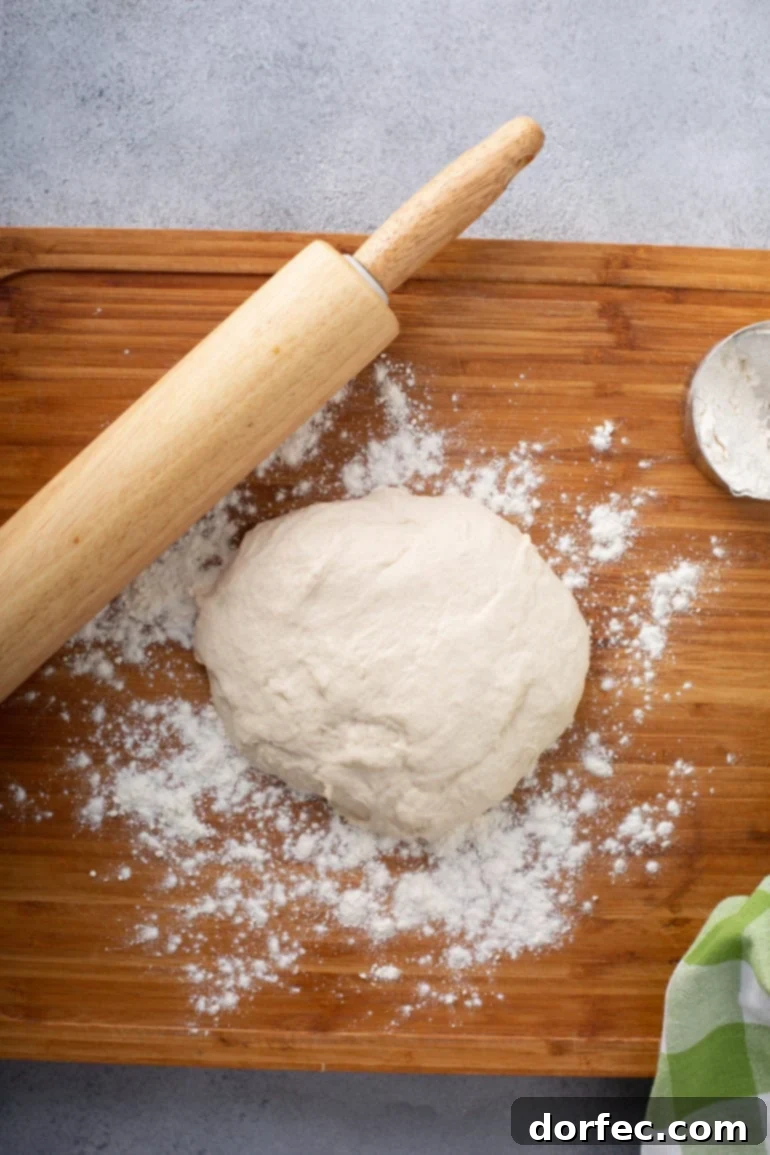
- Add Water and Form Dough: Gradually add the cold water to the flour and salt mixture. Stir continuously with a spoon or your hands until the dough begins to come together and forms a cohesive ball. You might not need all the water, or you might need a tiny bit more, depending on your flour and humidity levels. Aim for a dough that is not too sticky but also not overly dry.
- Knead the Dough: Transfer the dough to a lightly floured surface. Knead the dough vigorously for about 5 minutes. Don’t groan about kneading! This process is essential for developing the gluten in the flour, which gives the bread its pliable texture and prevents it from being too crumbly. Think of it as a mini-workout for your arms, building both muscle and character!
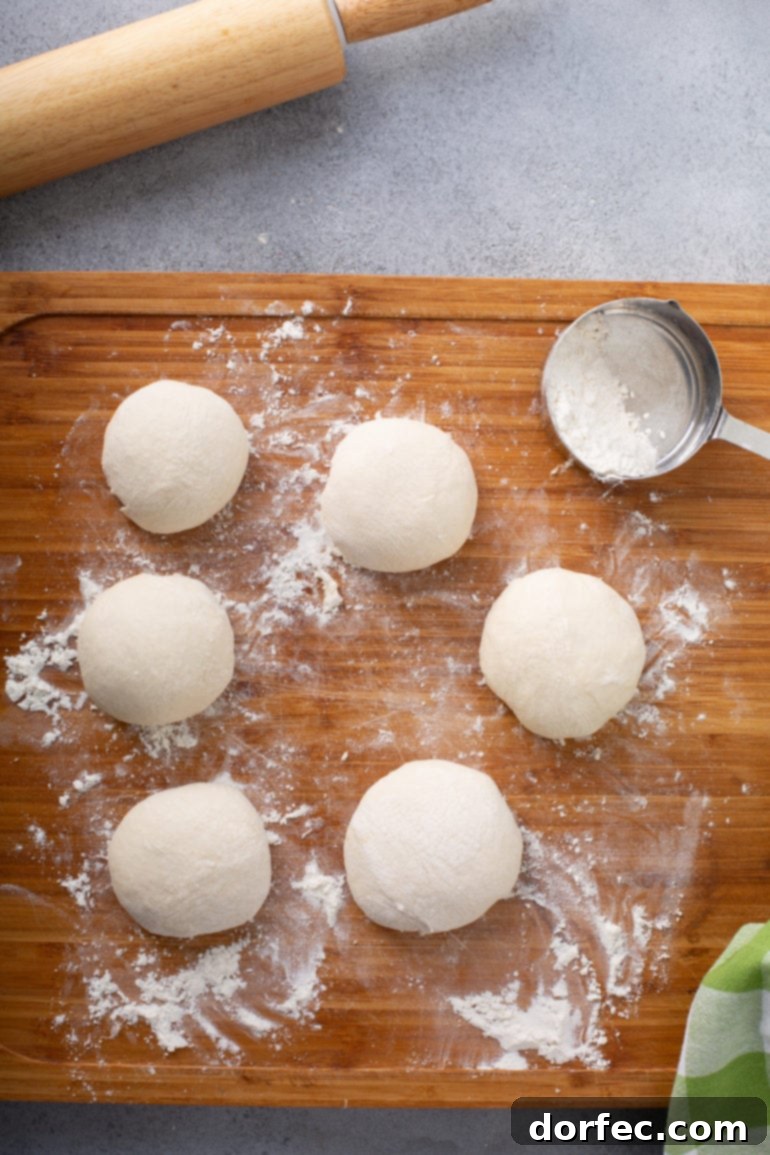
- Prepare for Cooking: While you’re kneading, preheat your skillet on the stovetop over medium-high heat. A cast-iron skillet works exceptionally well for achieving a beautiful golden crust. Divide the kneaded dough into 5 to 7 equal-sized balls, depending on your desired bread size.
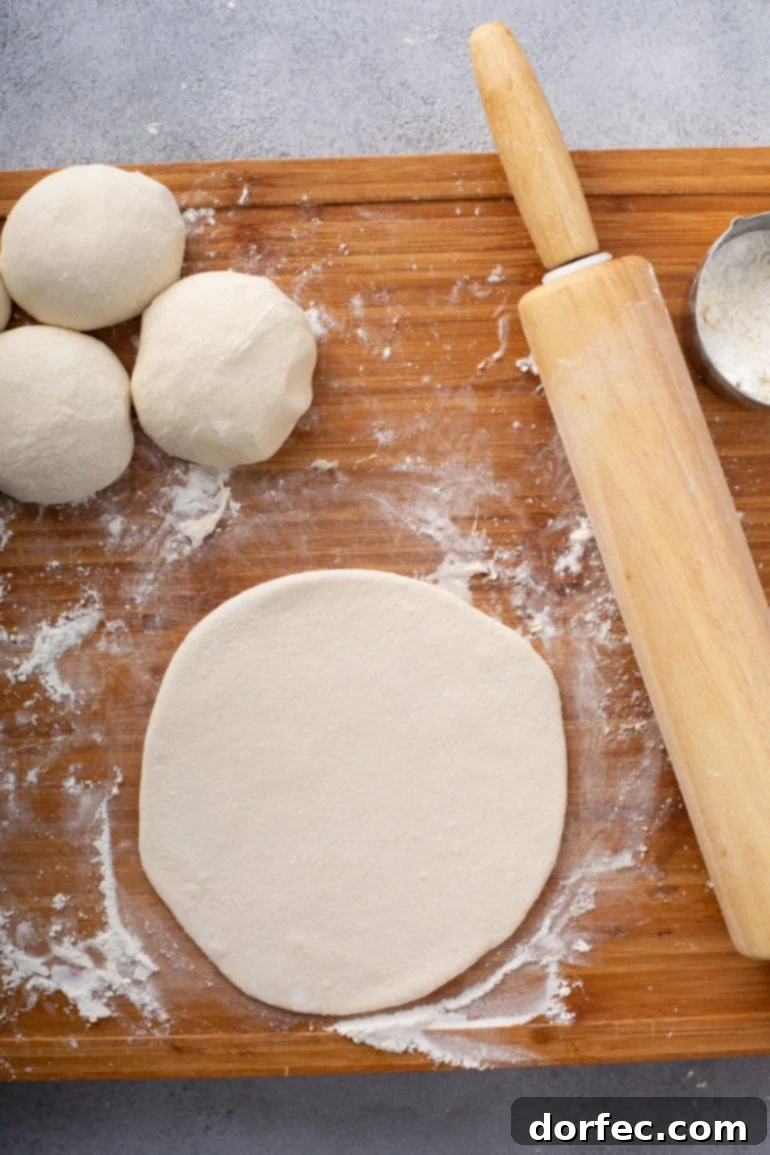
- Roll Out Each Piece: On a lightly floured surface, use a rolling pin to roll out each dough ball into a thin, approximately 6-inch diameter circle. Strive for an even thickness to ensure uniform cooking.
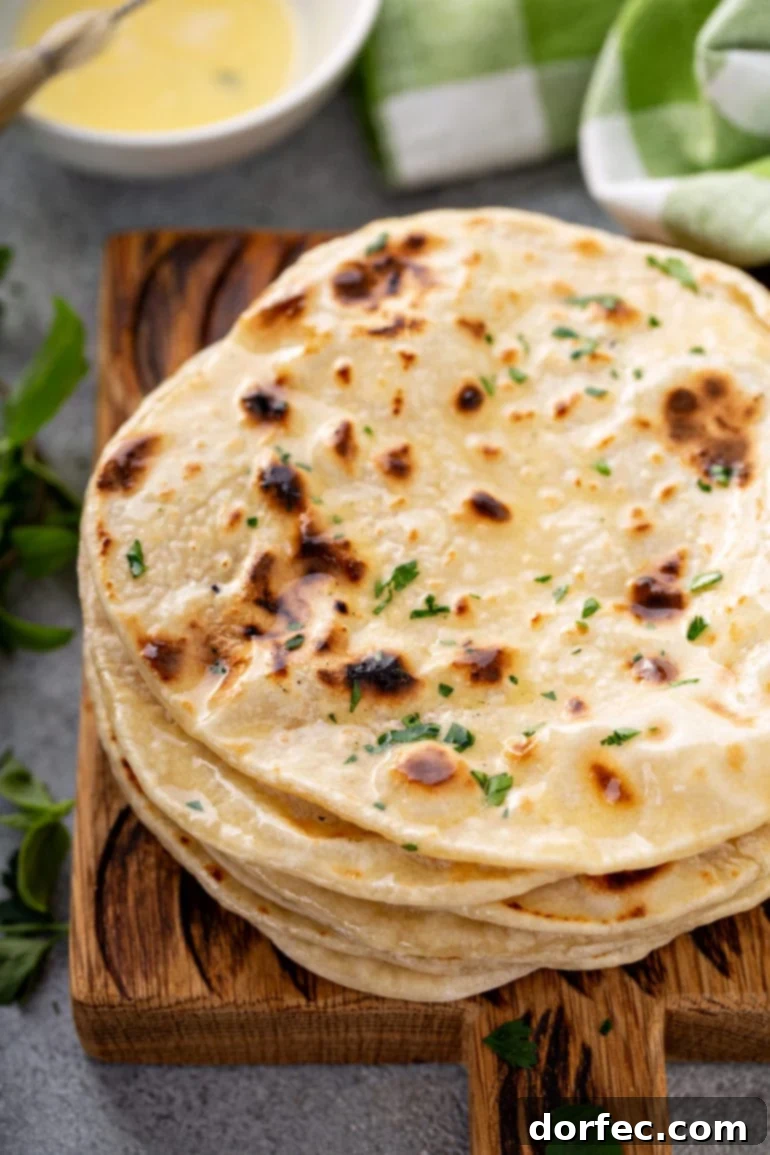
- Cook on Hot Skillet: Place one rolled-out piece of dough onto the hot skillet. Cook for about 1.5 to 2 minutes on each side, or until golden-brown spots appear and the bread is cooked through. You might see small bubbles forming on the surface – this is normal!
- Serve and Enhance: Serve your unleavened bread hot off the skillet. For an extra special touch, brush on a bit of melted butter or olive oil immediately after cooking and sprinkle with fresh herbs. Parsley is a classic choice, but cilantro adds a nice, vibrant twist, especially if you’re pairing it with Middle Eastern or Mediterranean dishes. Experiment with rosemary, thyme, or a pinch of garlic powder for different flavor profiles!
Exploring Unleavened Bread: Common Questions Answered
Is Pita Unleavened?
No, despite being a type of flatbread, pita bread is not considered unleavened. The key differentiator lies in the use of a leavening agent. Traditional pita bread typically incorporates yeast, which causes the dough to rise and create its characteristic pocket when baked. This puffing effect is what sets pita apart from truly unleavened breads, such as matzo or tortillas, which contain no leavening agents and remain flat. While some modern, quicker pita recipes might use baking powder, the classic version relies on yeast, making it a leavened bread.
Are Tortillas Unleavened Bread?
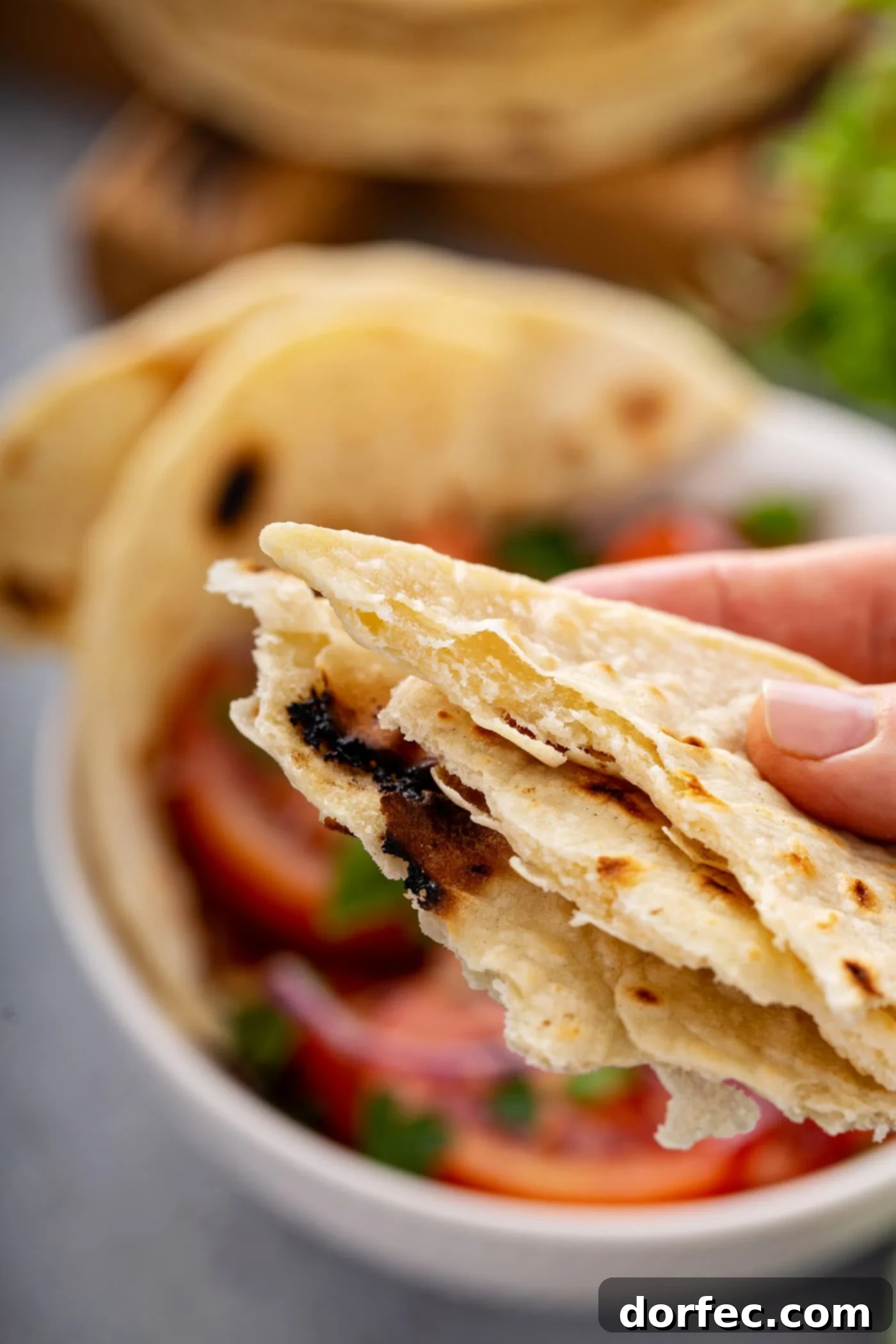
Yes, traditional tortillas (both corn and flour) are indeed considered unleavened bread! They do not use yeast or baking powder as leavening agents, making them flat by nature. However, there’s a subtle difference between this unleavened bread recipe and many tortilla recipes. Tortillas, particularly flour tortillas, often incorporate a fat such as lard or oil into the dough. This addition of fat contributes to their distinct softness and pliability, making them perfect for wrapping. Our easy homemade tortillas, for example, demonstrate this beautifully.
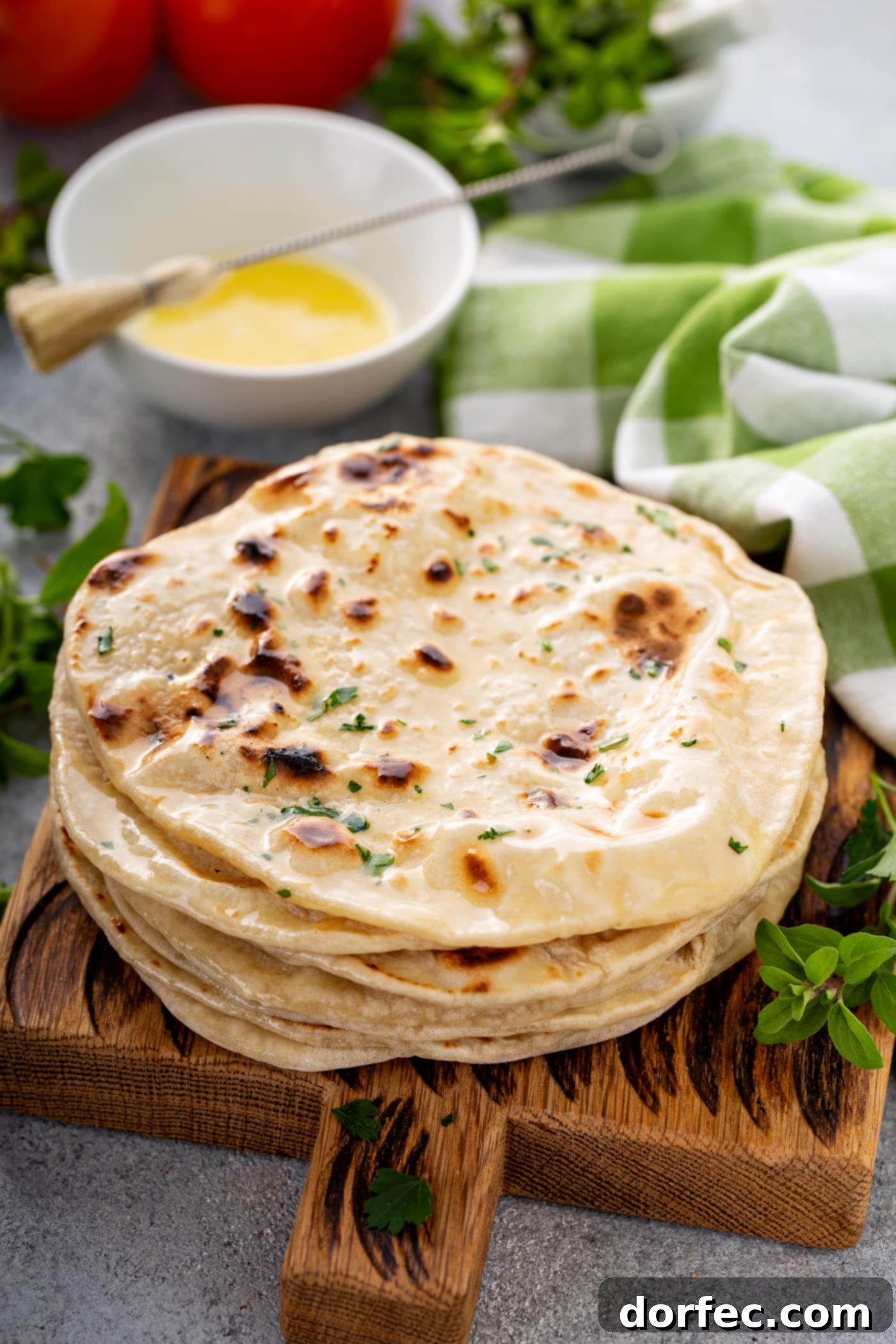
Can You Bake This Bread Instead of Frying?
Absolutely! If you prefer a baked version or need to prepare a larger batch, you can certainly bake this unleavened bread. Simply preheat your oven to 400 degrees Fahrenheit (200°C). Place the rolled-out dough in a single layer on a baking sheet lined with parchment paper. Bake for approximately 3 minutes per side, or until they are lightly golden and cooked through. Baking can result in a slightly crispier texture compared to skillet-frying, offering a wonderful alternative.
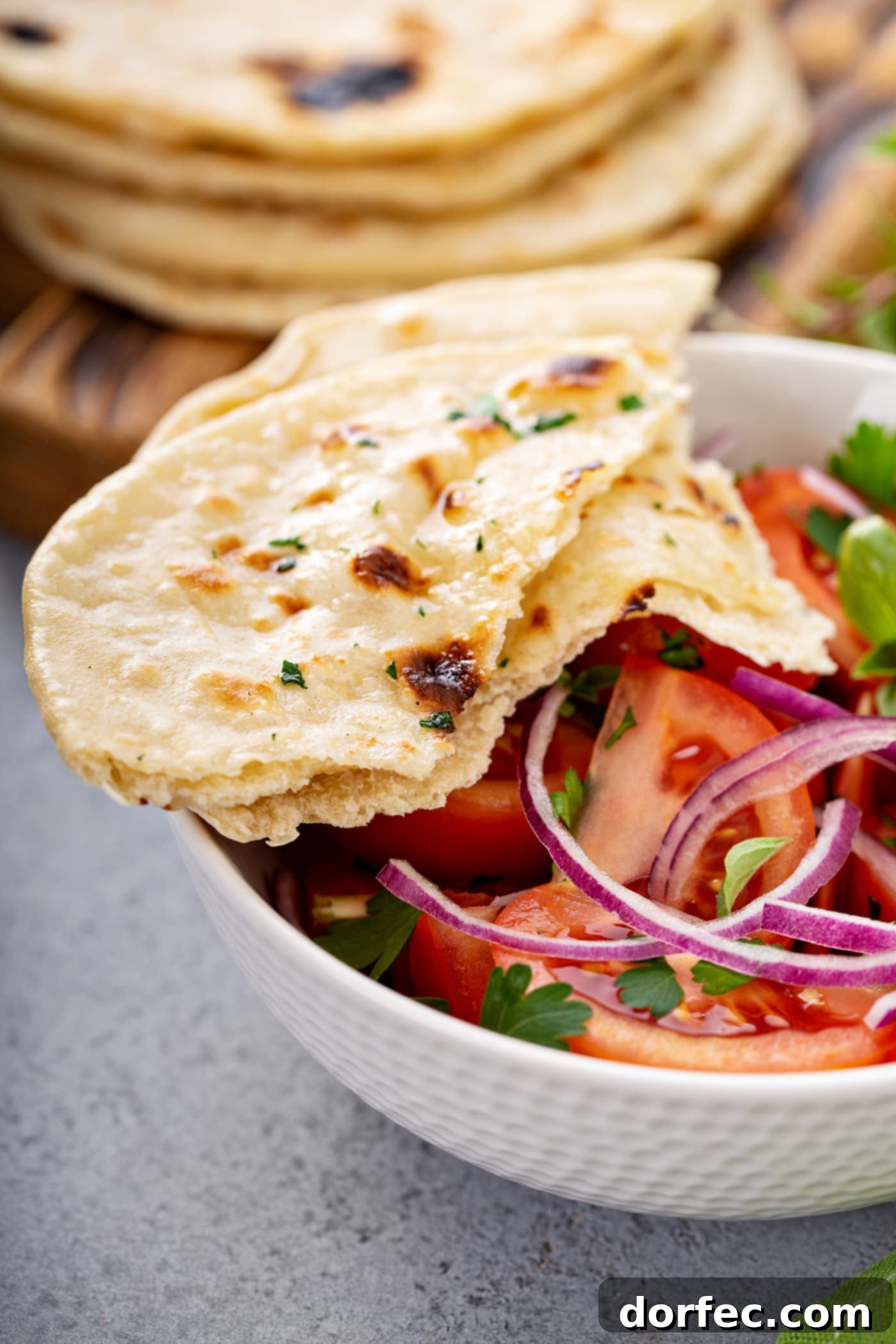
Is This Recipe Healthy?
Unleavened bread, especially a simple 3-ingredient version like this one, can indeed be a very healthy choice, depending on its ingredients and how it fits into your overall diet. Made purely from flour, water, and salt, it is inherently low in fat and free from added sugars or leavening agents found in many commercial breads. This makes it a lean option, especially when compared to richer breads that contain oils, butter, or sweeteners.
To boost its nutritional profile further, consider using whole-wheat flour instead of all-purpose flour. Whole-wheat flour provides significantly more dietary fiber, which aids digestion, promotes satiety, and contributes to better blood sugar management. It also offers a wider range of vitamins and minerals. While unleavened bread is high in carbohydrates, these provide essential energy. As with any food, balance and moderation are key. It can be a fantastic part of a healthy diet, particularly when paired with nutritious dips, fresh vegetables, or lean protein.
How Long Will Unleavened Bread Keep?
Unleavened bread is undeniably at its best when enjoyed fresh and warm, straight off the skillet or out of the oven. The texture and aroma are most appealing immediately after cooking. However, if you find yourself with leftovers, you can store them to enjoy later. Place the cooled bread in an airtight container or a resealable bag and keep it at room temperature for up to 2-3 days. While it may lose some of its initial softness, a quick reheat in a dry skillet or microwave can help restore its appeal.
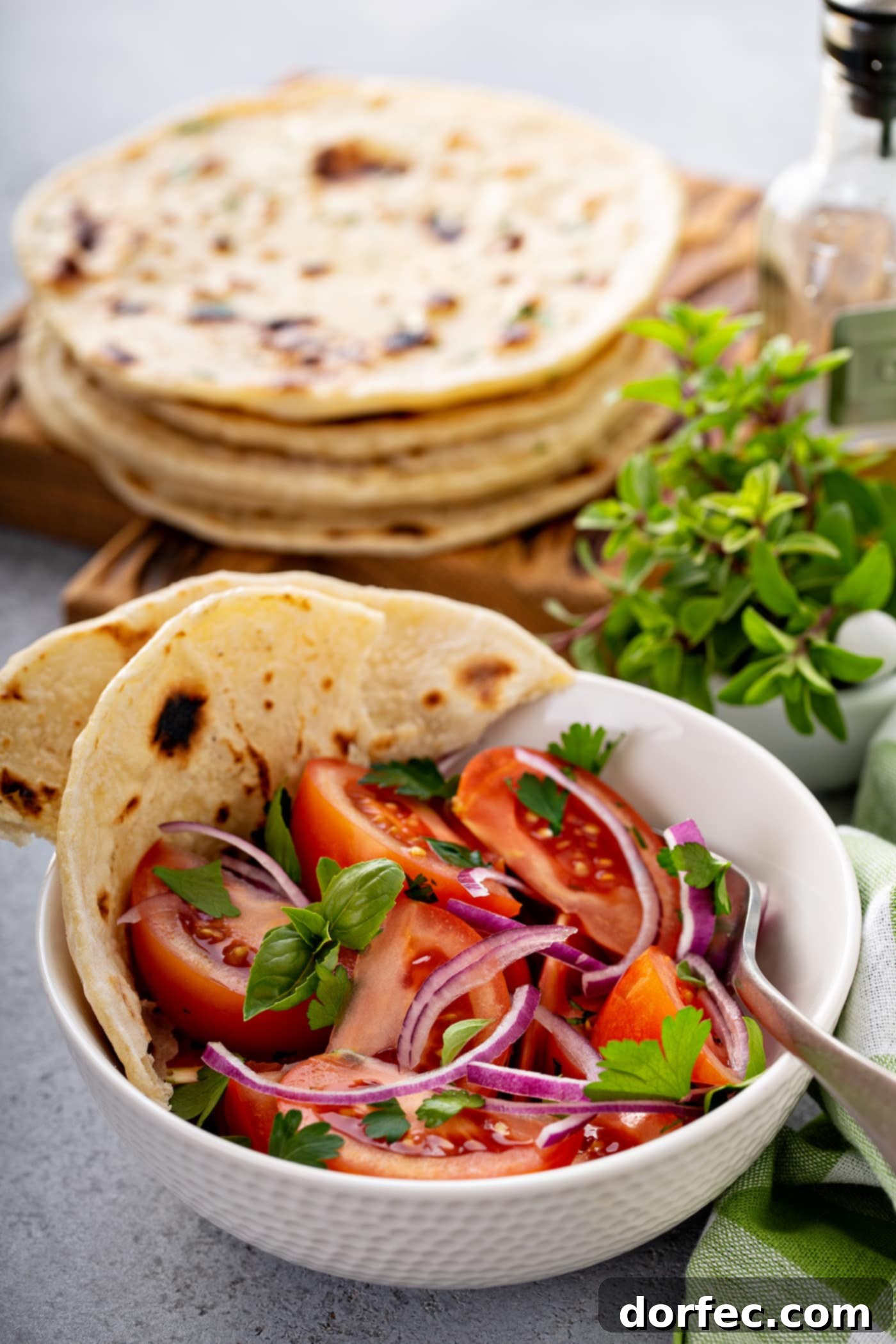
Can Unleavened Bread Be Frozen?
Yes, unleavened bread freezes remarkably well, making it perfect for meal prep or ensuring you always have some on hand. To freeze, allow the cooked bread to cool completely. Stack the pieces with a small sheet of parchment paper in between to prevent sticking, then wrap them tightly in plastic wrap and place them in a freezer-safe bag or container. It can be stored in the freezer for up to 2 months without losing quality.
When you’re ready to enjoy it, simply remove the desired number of pieces from the freezer and let them come to room temperature on the counter for about 30-60 minutes. For a warmer, softer texture, you can briefly reheat them in a dry skillet over medium heat for a minute or two per side, or in a toaster oven until warmed through.
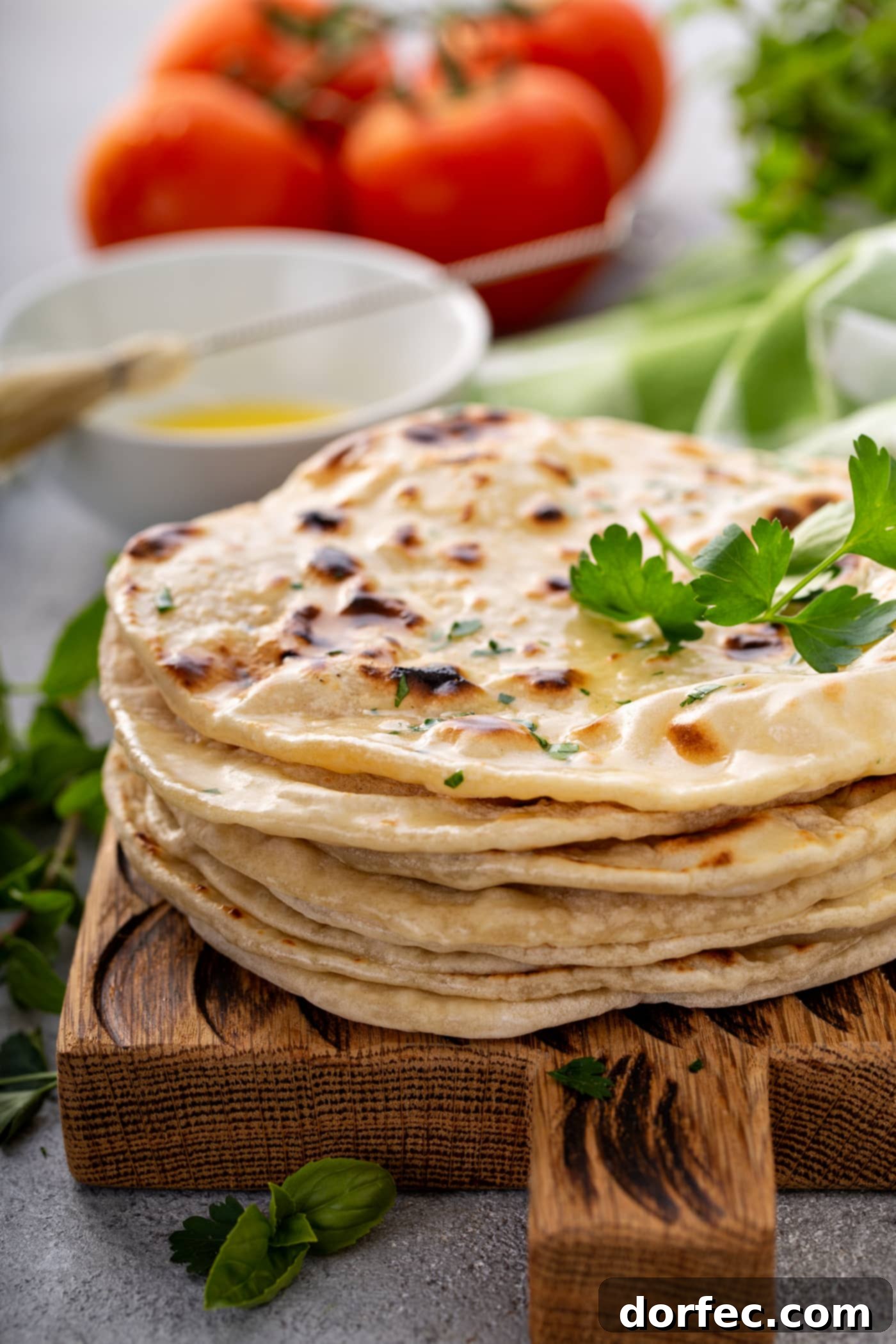
This unleavened bread is incredibly simple to make and serves as a fantastic way to add a delicious, versatile side dish to any meal with minimal effort. Its ancient roots make it particularly fitting for a Nativity dinner or Passover celebration, helping to bring historical context to your table. But don’t limit its use to special occasions! Whip up a batch to pair perfectly with your favorite dip, a comforting bowl of soup, a hearty stew, or even as a simple, wholesome snack. Its quick preparation and delightful taste are sure to make it a new family favorite.
Quick & Easy 3-Ingredient Unleavened Bread Recipe
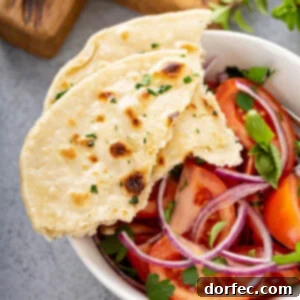
This Quick and Easy 3-Ingredient Unleavened Bread Recipe requires just three simple ingredients! Perfect for dipping, serving with meals, or celebrating historical traditions.
Prep time: 5 mins
Cook time: 2 mins
Total time: 7 mins
Servings: 7 pieces
Ingredients
- 1/2 teaspoon Salt
- 2 Cups All-Purpose Flour, plus 2 Tablespoons for dusting
- 1 Cup Cold Water
Instructions
- Combine salt and flour together in a bowl. Stir in the water until the dough comes together in a cohesive ball. Knead the dough on a lightly floured surface for 5 minutes to develop gluten for a pliable texture.
- Pre-heat a skillet (preferably cast iron) over medium-high heat on the stovetop.
- Pinch off 5-7 equal-sized pieces of dough and form them into small balls. On a lightly floured surface, roll out each piece into an approximate 6-inch diameter circle, aiming for an even thickness.
- Cook each rolled-out piece on the hot skillet for about 1.5 to 2 minutes on each side, or until golden-brown spots appear and the bread is fully cooked. Serve hot.
Recipe Notes
Store leftover unleavened bread at room temperature in an airtight container for up to 2-3 days for best freshness. Reheat in a dry skillet to soften.
Nutrition Information (Approximate)
Serving: 1 piece
Calories: 130 kcal
Carbohydrates: 27g
Protein: 4g
Fat: 0.4g
Saturated Fat: 0.1g
Polyunsaturated Fat: 0.1g
Monounsaturated Fat: 0.03g
Sodium: 169mg
Potassium: 38mg
Fiber: 1g
Sugar: 0.1g
Calcium: 6mg
Iron: 2mg
Nutrition information is automatically calculated and should be used as an approximation.
Other Delicious Bread Side Dishes to Try: Expand Your Baking Repertoire
If you’ve enjoyed the simplicity and versatility of this unleavened bread, you might be inspired to explore more homemade bread options. From rustic to rich, there’s a world of delicious bread waiting to be baked. Here are some of our other favorite bread recipes that make perfect accompaniments to any meal:
- Garlic Parmesan Focaccia Bread
- Classic Homemade Baguette Recipe
- Irresistible Garlic Cheese Bread
- Easy Herbed Peasant Bread
- Classic White Bread
- Garlic Cheddar Herb Irish Soda Bread
- Effortless No Knead Artisan Bread
- Pao De Queijo Brazilian Cheese Bread