
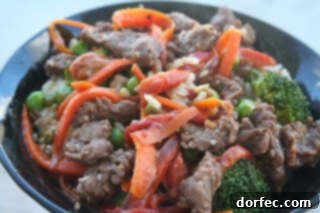
Authentic Korean BBQ Beef (Bulgogi) Recipe: A Flavorful Journey to Your Kitchen
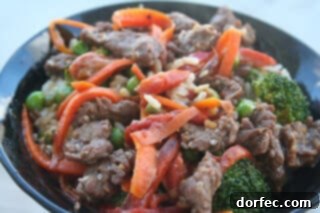
The tantalizing aroma and rich, savory-sweet flavors of Korean BBQ Beef, also known as Bulgogi, have captivated food enthusiasts worldwide. It seems everywhere you turn, from popular cooking shows to trending food blogs, someone is raving about an irresistible Korean BBQ recipe. This culinary buzz is well-deserved; Bulgogi is more than just a dish – it’s an experience, a symphony of flavors that promises to transform your weeknight dinner into an exotic feast. After countless recommendations and an ever-growing curiosity, I finally decided it was time to bring this celebrated Korean delicacy into our own kitchen. The result was nothing short of spectacular. This dish is not just “yummy”; it’s truly exceptional and has quickly earned a coveted spot in our regular meal rotation. As someone who often leans towards chicken dishes, discovering such a delightful beef recipe is a genuine game-changer.
Our recent culinary adventures have steered us towards a delightful array of Asian-inspired dishes, and for good reason! I believe in shaking up the menu and exploring diverse cuisines. Sticking to the same old American or Mexican fare month after month can get monotonous. Variety is indeed the spice of life, and venturing into the vibrant world of Korean cuisine has been incredibly rewarding. If you’re anything like me and enjoy a culinary escapade, then this Korean BBQ Beef recipe is precisely what you need. Forget the usual chicken dinner tonight and embark on a delicious journey with Bulgogi.
Why Korean BBQ Beef (Bulgogi) is a Must-Try
Korean BBQ Beef, or Bulgogi, translates literally to “fire meat,” a nod to its traditional grilled preparation. This dish stands out not only for its incredible taste but also for its rich history and cultural significance in Korea. It’s a staple at family gatherings and celebrations, cherished for its unique balance of sweet, savory, and umami notes. The magic lies in its marinade – a carefully crafted blend that tenderizes the beef while infusing it with layers of complex flavor. What makes Bulgogi truly special is its accessibility. Despite its gourmet reputation, an authentic Korean beef recipe is surprisingly simple to recreate at home, making it perfect for both seasoned cooks and culinary novices alike. It’s also incredibly versatile, pairing beautifully with a variety of side dishes, and can be cooked in numerous ways, from a traditional grill to a simple stovetop pan.
Beyond its fantastic flavor, Bulgogi offers a satisfying and wholesome meal. When served with a colorful array of vegetables and brown rice, it provides a balanced plate that’s both nourishing and incredibly fulfilling. The process of preparing and sharing Korean BBQ often becomes a communal event, fostering connection and enjoyment around the dinner table. So, whether you’re looking for an exciting new weeknight dinner, a dish to impress guests, or simply craving an authentic taste of Korea, Bulgogi promises to deliver an unforgettable dining experience.
The Heart of the Flavor: Crafting the Perfect Marinade for Bulgogi
The secret to exceptional Korean BBQ Beef lies in its vibrant and tenderizing marinade. This flavorful mixture not only infuses the beef with an unforgettable taste but also works to break down the meat fibers, ensuring every bite is incredibly tender. Our marinade balances traditional Korean ingredients to create that signature sweet and savory profile.
The base of the marinade starts with high-quality soy sauce, delivering a rich umami foundation. This is beautifully complemented by a touch of white sugar, which provides the sweetness characteristic of authentic Bulgogi and helps with caramelization during cooking. Sesame oil adds a nutty depth and aromatic finish that is essential to Korean cuisine. Rice wine, often Mirin or a similar cooking sake, contributes a subtle tang and helps to further tenderize the meat while adding another layer of complex flavor.
Fresh aromatics are key: minced garlic provides a pungent, savory kick, while freshly grated ginger offers a warm, spicy counterpoint. Thinly sliced green onions add a mild, oniony freshness. Perhaps the most intriguing ingredient, and often overlooked by some, is the pear. Half a pear, peeled, cored, and minced, acts as a natural tenderizer due to its enzymes, and also imparts a delicate sweetness that enhances the overall flavor of the beef. Finally, a sprinkle of sesame seeds adds a lovely texture and nutty flourish, while freshly ground black pepper can be added to taste for an optional hint of spice. This meticulous blend ensures a marinade that transforms simple beef into a culinary masterpiece.
Choosing the Ideal Beef Cut for Authentic Korean BBQ
Selecting the right cut of beef is crucial for achieving that melt-in-your-mouth tenderness and rich flavor characteristic of Korean BBQ Beef. While versatility allows for various options, certain cuts are traditionally favored for their texture and ability to absorb the marinade beautifully. For the best results, opt for a good quality cut such as sirloin, tenderloin, or skirt steak. These cuts are known for their tenderness and lean-to-fat ratio, which cooks up wonderfully on a grill or pan.
Other excellent choices include flank steak or even thinly sliced ribeye. The key, regardless of the cut, is to ensure the beef is sliced incredibly thin – ideally about 1/8 to 1/4 inch thick. This thinness allows the marinade to penetrate quickly and deeply, and ensures rapid, even cooking. If you can’t find pre-sliced Korean BBQ beef at your local Asian market or butcher, you can easily slice it yourself at home. A helpful tip is to partially freeze the beef for about 30-60 minutes before slicing; this firms it up, making it much easier to cut into uniform, thin pieces against the grain.
Are Pears Good For You? Exploring the Nutritional Benefits
Yes, pears are indeed very good for you, and their inclusion in Korean BBQ marinade is not just for flavor and tenderization! Pears are a wonderfully nutritious fruit, packed with essential vitamins and minerals that contribute to overall health. They are particularly high in vitamin C, a powerful antioxidant that supports immune function and skin health, and potassium, which is vital for maintaining healthy blood pressure and fluid balance.
Beyond these primary nutrients, pears also contain smaller yet beneficial amounts of calcium, crucial for bone health; iron, important for oxygen transport; and magnesium, involved in over 300 enzymatic reactions in the body. They also provide riboflavin (Vitamin B2), vitamin B-6, and folate, all of which play roles in energy metabolism and various bodily functions. Furthermore, pears are an excellent source of dietary fiber, which aids digestion, promotes gut health, and helps regulate blood sugar levels. Incorporating pears into your diet, whether in a marinade or as a standalone snack, is a delicious way to boost your nutritional intake.
Can You Substitute Yellow Peppers for Red in Your Dish?
Absolutely! When it comes to bell peppers in cooking, orange and yellow varieties are excellent substitutes for red bell peppers in most recipes, including Korean BBQ Beef. Their flavor profiles are quite similar, offering a sweet and mild taste, though they are generally slightly less sweet than their vibrant red counterparts. This subtle difference in sweetness is usually negligible in a dish like Bulgogi, where the marinade’s robust flavors are dominant.
Beyond the taste, using yellow or orange bell peppers can add a beautiful visual contrast to your dish, making it even more appealing. Feel free to mix and match colors based on what you have on hand or what you prefer for a more dynamic presentation. The texture remains consistent across all bell pepper colors once cooked, so you won’t compromise on the mouthfeel of your meal.
Serving Suggestions and Accompaniments
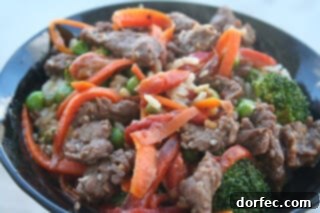
Korean BBQ Beef is a versatile dish that shines when served with a variety of traditional Korean side dishes, known as banchan, and other complementary elements. The recipe here includes a vibrant mix of sautéed carrots, bell peppers, peas, and steamed broccoli, which already make for a wholesome meal. However, to elevate your dining experience and truly embrace the Korean BBQ tradition, consider these additions:
- Brown Rice: A staple in Korean cuisine, serving your Bulgogi over a bed of fluffy brown rice (as specified in the recipe) provides a hearty foundation and balances the rich flavors of the beef and vegetables.
- Kimchi: No Korean meal is complete without kimchi! This spicy fermented cabbage offers a tangy, pungent kick that wonderfully cuts through the richness of the beef.
- Pickled Radishes or Cucumbers: These offer a refreshing, crisp, and slightly sour element that cleanses the palate between bites.
- Lettuce Wraps (Ssam): For an interactive and fresh experience, serve your Bulgogi with crisp lettuce leaves (like red leaf, green leaf, or romaine). Diners can wrap a piece of beef, a spoonful of rice, and a bit of kimchi or other banchan in a lettuce leaf for a perfect bite.
- Ssamjang: This savory, spicy Korean dipping sauce, typically made from gochujang (chili paste), doenjang (fermented soybean paste), garlic, and sesame oil, is an ideal accompaniment for lettuce wraps.
- Additional Roasted Vegetables: Feel free to experiment with other vegetables like sliced mushrooms, onions, or zucchini, either marinated lightly and grilled alongside the beef or stir-fried separately.
By incorporating some of these accompaniments, you can create a truly authentic and diverse Korean BBQ experience right in your home.
Korean BBQ Beef
Sweet Basil
3 hours
5 minutes
15 minutes
3 hours
20 minutes
4
Ingredients
For the Beef Marinade
- 1 Pound Beef Top Sirloin, thinly sliced
- 6 Cloves Garlic, minced
- 1/2 Pear, – peeled, cored, and minced
- 2 Green Onions, thinly sliced
- 4 Tablespoons Soy Sauce
- 2 Tablespoons White Sugar
- 1 Tablespoon Sesame Oil
- 1 Tablespoon Rice Wine
- 1 Tablespoon Sesame Seeds
- 1 teaspoon Ginger, minced fresh
- Freshly Ground Black Pepper to Taste, optional
Veggies
- 2 Carrots, Large, matchstick cut
- 2 Bell Peppers, Red, Roasted
- 3/4 Cup Peas
- 1 Cup Broccoli, steamed
- Brown Rice, cooked, for serving
Instructions
-
In a large resealable plastic bag or a mixing bowl, combine the thinly sliced beef with minced garlic, minced pear, thinly sliced green onions, soy sauce, white sugar, sesame oil, rice wine, sesame seeds, fresh minced ginger, and freshly ground black pepper (if using).
-
Seal the bag (or cover the bowl) and refrigerate for 2 to 3 hours to allow the flavors to meld and the beef to tenderize. For a deeper flavor, you can marinate overnight.
-
Preheat a grill pan or a large skillet over high heat until it’s very hot.
-
Lightly brush the grill pan with a little oil, then add the marinated beef in a single layer. Be careful not to overcrowd the pan; cook in batches if necessary to ensure proper browning.
-
Cook the beef for 3 to 6 minutes, turning occasionally to ensure even browning, until it is cooked through and tender. Remove cooked beef from the pan and set aside.
-
In the same pan (or a separate one if needed), add a little more oil and sauté the matchstick-cut carrots over medium heat until they begin to soften, about 3-5 minutes.
-
Add the roasted bell peppers to the pan with the carrots.
-
Continue to cook for an additional 2 minutes, then add the remaining veggies: peas and steamed broccoli. Stir-fry for another 1-2 minutes until all vegetables are heated through and slightly tender-crisp.
-
Return the cooked beef to the pan with the vegetables. Toss everything together to combine. Serve immediately over warm brown rice.
Recipe Notes
Ensure beef is refrigerated while marinating for food safety.
Nutrition
Calories: 308kcal,
Carbohydrates: 25g,
Protein: 31g,
Fat: 9g,
Saturated Fat: 2g,
Cholesterol: 67mg,
Sodium: 1104mg,
Potassium: 874mg,
Fiber: 5g,
Sugar: 15g,
Vitamin A: 7368IU,
Vitamin C: 112mg,
Calcium: 92mg,
Iron: 4mg
Nutrition information is automatically calculated, so should only be used as an approximation.
Enjoyed this recipe? Leave a comment below!