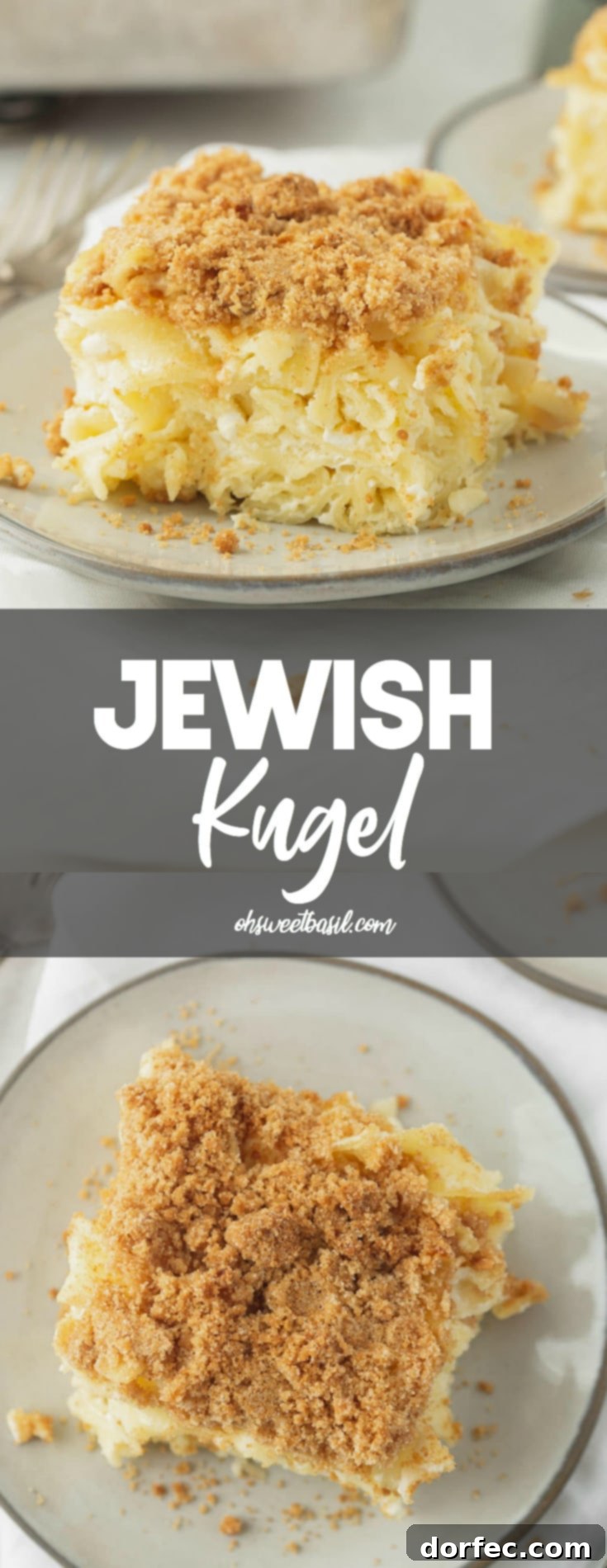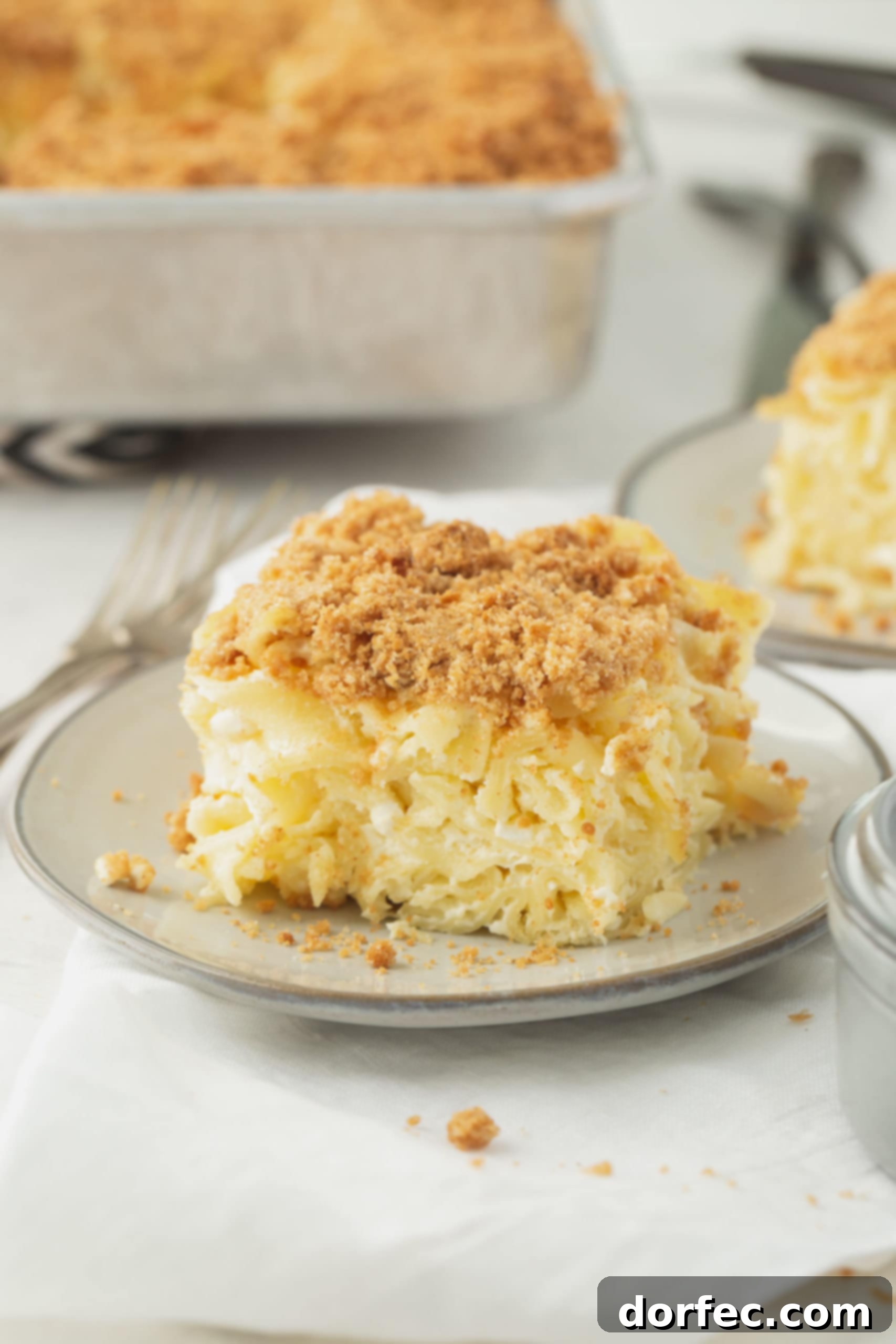
Have you ever experienced the comforting embrace of a warm, sweet, and incredibly satisfying Jewish Noodle Kugel? This cherished traditional Jewish holiday dish is a true culinary gem, meticulously crafted from tender egg noodles baked to perfection in a rich, sweet custard. It’s more than just a dish; it’s a centerpiece, a conversation starter, and a heartwarming symbol of cherished family traditions and festive gatherings. What makes this sweet noodle casserole truly remarkable is its inherent versatility – it can be effortlessly prepared in advance, refrigerated, and then baked just before serving, making it the quintessential choice for bustling family get-togethers and significant celebrations like Rosh Hashanah and Shabbat. Its ability to simplify holiday cooking while delivering profound flavor makes it an invaluable addition to any celebratory menu.
My personal journey with this delightful noodle pudding began when I noticed friends enthusiastically sharing their family recipes and homemade versions around the High Holy Days, especially Rosh Hashanah. Their joyful posts sparked an undeniable curiosity, compelling me to explore this unique dish myself. What I discovered was unlike anything I had ever tasted: a sweet pasta dish that boldly claims its place as a main course, often serving as a hearty foundation for the entire meal. The sheer novelty and comforting appeal of this sweet yet substantial dish were utterly irresistible, leading me on a quest to master the perfect kugel recipe and share its magic with my own family.
I delved deep into countless kugel recipes, meticulously researching, comparing, and testing different approaches from various culinary sources and family heirlooms. Ultimately, I merged the best elements and techniques from three distinct recipes, carefully selecting the optimal ingredient ratios and preparation steps to create what I believe is the ultimate version of this classic. The result? Pure culinary triumph! This particular recipe strikes a perfect balance, offering a delightful sweetness that never overwhelms, yet remaining incredibly hearty and satisfying enough to anchor any festive meal. My children, in particular, adore it, often feeling like they’re getting away with eating dessert for dinner – a secret indulgence I’m more than happy to permit, knowing they’re enjoying a wholesome, traditional dish.
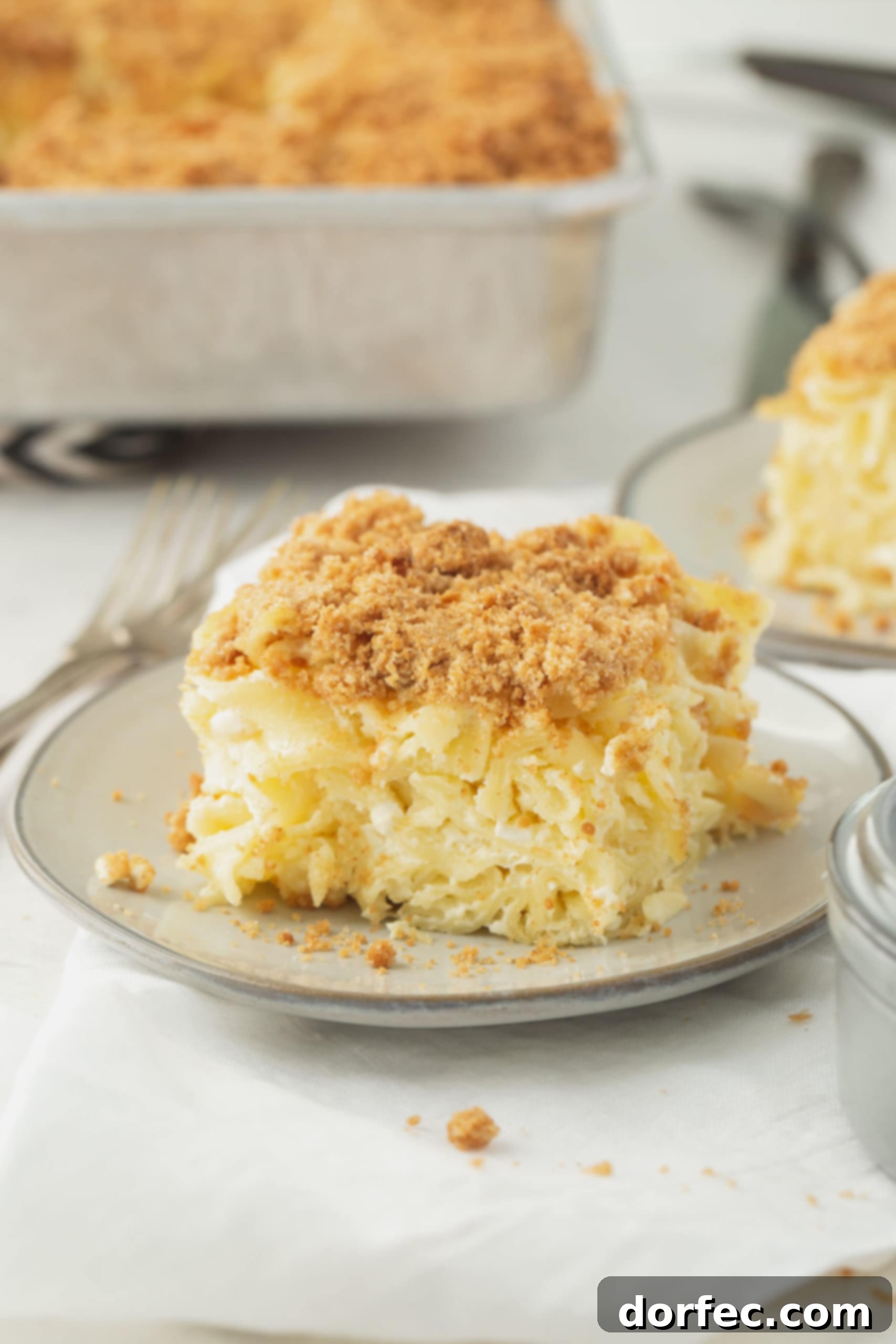
Understanding Kugel: A Journey Through History, Pronunciation, and Cultural Significance
The name kugel is a fascinating one, pronounced either “kuh-gull” or “koo-gull,” depending on regional dialects, and this beloved dish boasts a rich and extensive history spanning hundreds of years. Its enduring popularity across generations is a profound testament to its inherent deliciousness, comforting nature, and deep cultural roots! The culinary origins of kugel can be traced back to southern Germany, with its name deriving from a Yiddish word that literally translates to “baked casserole” or “sphere.” This etymological connection often refers to its original shape, as early kugels were frequently baked in round pudding molds, giving them a spherical or globe-like appearance.
Over centuries, kugel underwent a delightful evolution, transforming from simpler, often savory bread-based puddings into the diverse range of sweet noodle or potato casseroles that we recognize and cherish today. Initially conceived as a humble, inexpensive dish crafted from readily available staple ingredients, kugel quickly ascended to become a cherished fixture for Jewish holidays, festive meals, and special family occasions, particularly within Ashkenazi Jewish communities across Eastern Europe and beyond. It holds a venerable place as a staple at Shabbat dinners, a celebratory dish for Rosh Hashanah, a comforting addition to Sukkot, and a must-have at other significant festive gatherings throughout the year. Its unparalleled ability to be prepared ahead of time – often baked on Friday before the Sabbath begins, when cooking is traditionally prohibited – further cemented its status as an essential and practical component of these sacred celebrations. Beyond its religious importance, kugel is also a highly sought-after dish for casual family brunches, community potlucks, and virtually any occasion that calls for a comforting, satisfying, and uniquely sweet treat that effortlessly doubles as a hearty main course or a substantial side dish. Its versatility and widespread appeal truly make it a cornerstone of Jewish comfort food.
Essential Ingredients for Crafting the Perfect Sweet Noodle Kugel
At its heart, a classic and utterly delicious noodle kugel requires three fundamental culinary components to achieve its signature texture and flavor: a primary starch, binding eggs, and a rich fat element. For this irresistible sweet kugel recipe, we opt for wide egg noodles as our foundational starch, as they possess the ideal shape and density to absorb the luscious sweet custard beautifully, providing that delightful chewy yet tender texture. The “fat” component in our recipe is not just a single ingredient, but rather a harmonious blend of rich unsalted butter, creamy cottage cheese, tangy sour cream, and smooth, full-fat cream cheese. This exquisite combination works synergistically to create an incredibly moist, deeply flavorful, and wonderfully smooth custard that encases every strand of noodle. This carefully chosen blend ensures a kugel that is both decadently rich and perfectly balanced in its sweetness and tang, delivering a truly memorable culinary experience.
Your Comprehensive Grocery List for a Divine Kugel
To embark on your kugel-making adventure and ensure a smooth cooking process, here’s a comprehensive grocery list, thoughtfully broken down for clarity:
For the Noodle Kugel Base (The Heart of the Casserole):
- Wide Egg Noodles: Approximately 16 ounces (or about 450 grams). These are the foundation of our kugel, providing structure and absorbing the sweet custard beautifully. Look for extra-wide or broad egg noodles for the best texture.
- Large Eggs: You will need 6 large eggs, carefully separated into yolks and whites. The yolks contribute richness and color to the custard, while the whipped whites add crucial lightness and fluffiness to the final dish.
- Granulated Sugar: About 1/2 cup (or 100 grams). This provides the perfect level of sweetness, ensuring the kugel is delightful without being overly saccharine. You can adjust slightly to your preference.
- Cream Cheese (Full-Fat Recommended): A 6-ounce (or 170-gram) block, softened to room temperature. This ingredient adds an unparalleled richness, a velvety texture, and a subtle tang that wonderfully complements the sweetness.
- Unsalted Butter: Approximately 1/3 cup (or 75 grams), softened and then cut into small pieces. Butter contributes a deep, comforting buttery flavor and ensures a moist kugel with a golden, slightly crisp exterior.
- Sour Cream (Full-Fat Recommended): One cup (or 240 grams). Sour cream introduces a delightful tanginess and significant moisture, preventing the kugel from drying out and adding complexity to the flavor profile.
- Cottage Cheese (Small Curd, Full-Fat Recommended): One 16-ounce (or 450-gram) container. Cottage cheese is a classic kugel ingredient, adding a unique, slightly lumpy texture and a boost of protein, which helps balance the overall richness and sweetness.
For the Irresistible Topping (The Crunchy Crown):
- Graham Cracker Crumbs: About 1 cup (or 100 grams). These crumbs create a wonderfully crunchy, sweet, and aromatic contrast to the soft, creamy kugel underneath, adding an essential textural element.
- Granulated Sugar: Another 1/2 cup (or 100 grams). This enhances the sweetness of the topping, ensuring it caramelizes slightly to a golden-brown finish.
- Unsalted Butter (Melted): Four tablespoons (or 55 grams), melted. The melted butter binds the topping ingredients together, allowing them to crisp up beautifully in the oven, forming that coveted golden crust.
The precise measurements for each ingredient, alongside exceptionally detailed, step-by-step instructions, are conveniently laid out for your ease in the dedicated recipe card found at the conclusion of this article. This comprehensive compilation ensures you have everything you need for a perfectly executed, seamless, and enjoyable kugel-making experience from start to finish.
Mastering the Art of Making Jewish Kugel: A Simple and Rewarding Guide
Crafting this traditional Jewish Noodle Kugel is surprisingly straightforward and remarkably rewarding, a testament to why it has gracefully withstood the test of time and remains a cherished recipe across countless generations. The process is designed for efficiency and enjoyment, ensuring even novice bakers can achieve a magnificent result. We’ll begin by preparing the delightful topping, setting it aside to allow its flavors to meld, and then proceed with the main kugel mixture. This sequential method not only ensures efficiency but also helps build anticipation for the final baked masterpiece. Furthermore, this recipe is incredibly adaptable, making it an ideal choice for any occasion: it can be easily scaled up to feed larger crowds at a holiday feast or scaled down for a more intimate family meal without compromising flavor or quality.
Step-by-Step Guide for Creating the Irresistible Crunchy Topping:
This topping provides a wonderful textural contrast and a hint of caramelized sweetness.
- Gather and Combine Ingredients: In a small, clean mixing bowl, meticulously add your graham cracker crumbs, granulated sugar, and the softened butter. Ensure your butter is truly softened for optimal blending.
- Thoroughly Stir Until Uniform: Use a sturdy spoon or, for a more hands-on approach, your fingertips, to thoroughly combine all the topping ingredients. Continue to mix until the mixture resembles coarse, moist crumbs, with no dry pockets of sugar or crumbs remaining. Ensure all components are evenly distributed, as this will lead to a uniform golden crust.
- Carefully Set Aside: Once perfectly combined, reserve this delicious topping. Place the bowl aside, ideally covered, to prevent it from drying out. This pre-preparation step allows you to focus solely on the kugel base without interruption when it’s time to assemble the casserole.
Step-by-Step Guide for Preparing the Luscious Noodle Kugel Base:
This is where the magic happens, combining rich dairy with tender noodles to form the heart of our kugel.
- Prepare Your Oven and Baking Dish: Begin by preheating your oven to a precise 350°F (175°C). While the oven heats to the desired temperature, generously butter a standard 9×13-inch baking dish. This crucial step not only prevents the kugel from sticking to the pan but also contributes significantly to developing a beautiful, appetizing golden crust on the sides and bottom of the casserole.
- Cook and Prepare the Egg Noodles: Following the package instructions, cook the wide egg noodles in a large pot of generously salted boiling water until they reach an al dente consistency. This means they should be tender but still retain a slight, pleasant bite. Once cooked, immediately drain the noodles thoroughly in a colander and rinse them under cold running water. Rinsing serves two purposes: it stops the cooking process dead in its tracks, preventing overcooked, mushy noodles, and it removes excess starch, which helps prevent the noodles from clumping together. Set the prepared noodles aside.
- Carefully Separate and Beat Eggs: This step is key for the kugel’s texture. Carefully separate the egg yolks from the whites, placing the yolks into a large mixing bowl. Using an electric hand mixer (or a whisk and a strong, determined arm!), beat the egg yolks until they become pale yellow in color and appear slightly thickened and frothy, indicating they are well aerated. Transfer the egg whites to a separate, exceptionally clean and dry bowl; these will be whipped later to add lightness.
- Craft the Creamy Base Mixture: To the bowl containing your beaten egg yolks, add the granulated sugar and the softened cream cheese. It’s important that the cream cheese is at room temperature for smooth incorporation. Beat again with the electric hand mixer until the mixture achieves a perfectly smooth, creamy, and thoroughly combined consistency. Pause as needed to scrape down the sides of the bowl with a spatula, ensuring every ingredient is fully integrated.
- Gently Fold in Remaining Dairy and Noodles: Now, carefully introduce the cooked and drained noodles, the remaining unsalted butter (which should be softened and cut into small pieces to melt evenly), the sour cream, and the cottage cheese to the creamy egg yolk mixture. Using a large wooden spoon or a sturdy rubber spatula, gently fold all these ingredients together until they are evenly coated and combined. The key here is to avoid vigorous overmixing, as this can break down the delicate noodles and negatively impact the final texture of your kugel.
- Whip Egg Whites to Stiff Peaks: With your electric mixer (it is paramount that both the bowl and beaters used for the egg whites are absolutely clean and dry, as any trace of fat can prevent them from whipping properly), beat the reserved egg whites until stiff peaks form. This means that when you lift the beaters, the egg whites will stand upright and hold their shape firmly, indicating they are perfectly aerated. This step is crucial for adding significant air and achieving a wonderfully light, fluffy texture in your baked kugel.
- Delicately Fold in Whipped Egg Whites: Using a large spatula, delicately fold the stiffly beaten egg whites into the noodle mixture. Employ a gentle, lifting motion, incorporating the whites without deflating them. The goal is to retain as much air as possible to ensure your kugel is light and airy, not dense.
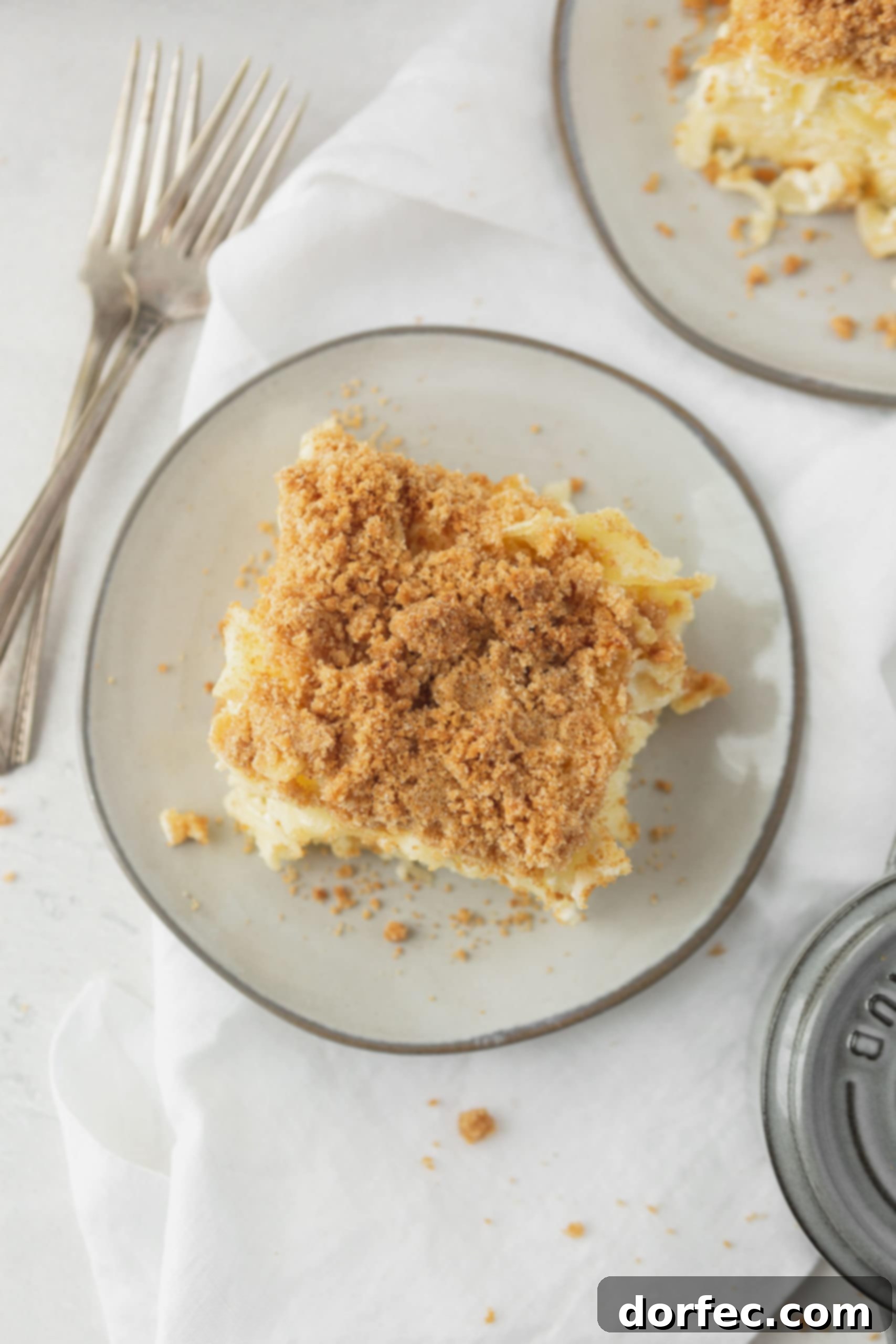
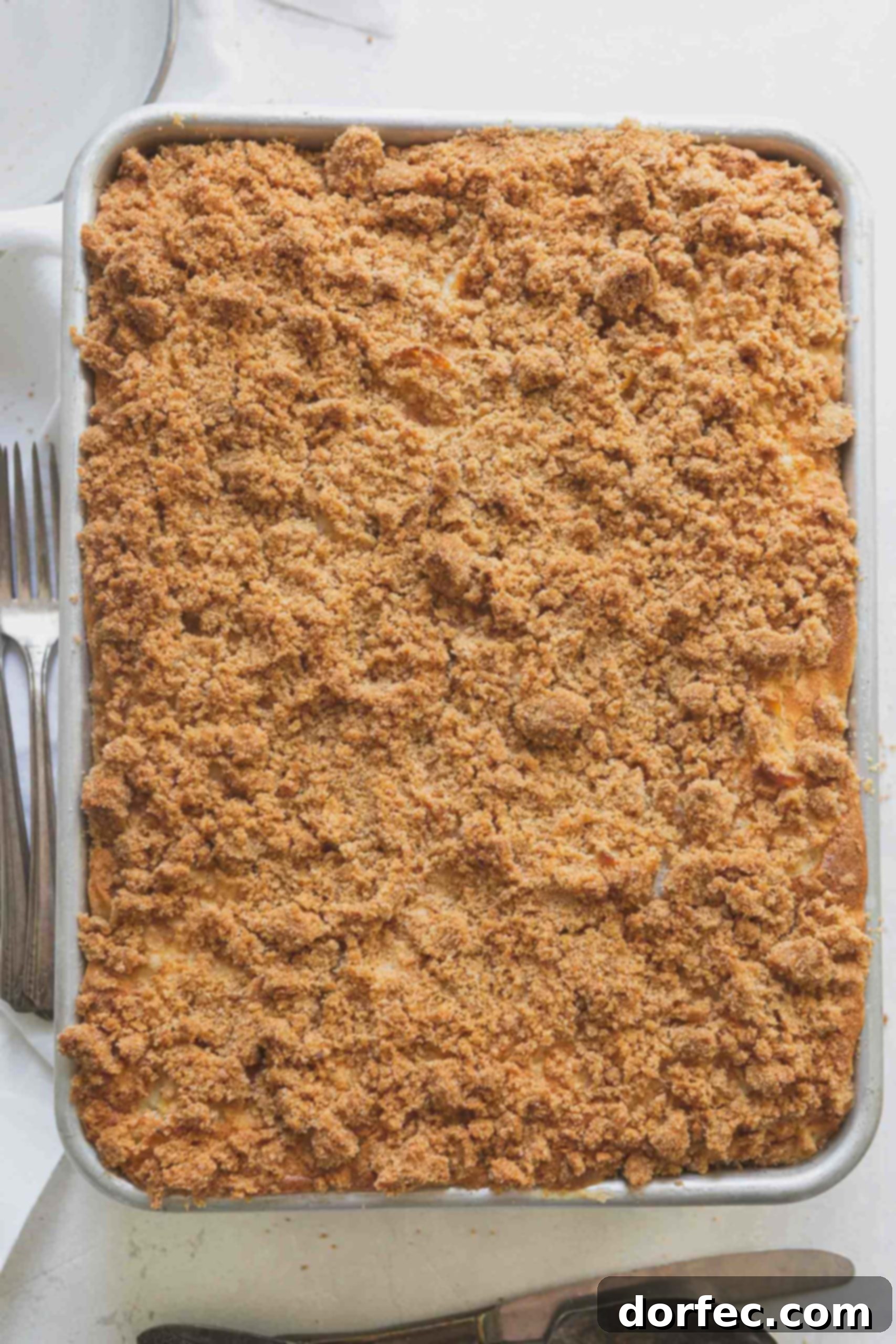
- Assemble and Bake to Golden Perfection: Pour the entire meticulously prepared kugel mixture into your buttered 9×13-inch baking dish, spreading it evenly. Then, evenly sprinkle the reserved graham cracker crumb topping all over the surface of the kugel. Place the dish in your preheated oven and bake for approximately 1 hour, or until the kugel achieves a beautiful golden-brown color on top, appears set in the center (a gentle jiggle should show no liquid movement), and is delightfully bubbly around the edges.
- Serve and Savor: Allow the baked kugel to cool slightly on a wire rack for about 10-15 minutes before serving. This brief resting period allows the custard to fully set and makes for easier, cleaner slicing. It can be enjoyed warm straight from the oven, at pleasant room temperature, or even delightfully chilled – each serving temperature offers a slightly different, yet equally delightful, culinary experience. For an extra touch of warmth and aromatic spice, some connoisseurs adore sprinkling a pinch of ground cinnamon on top just before serving. Absolutely delicious and profoundly comforting!
Remember, all these detailed instructions, alongside precise ingredient quantities and helpful tips, are meticulously compiled in the handy recipe card found at the very end of this post. You’ll find convenient options there to effortlessly save or print the recipe for future reference, ensuring your kitchen success every time.
Exciting Kugel Variations to Elevate Your Culinary Experience
While the classic sweet noodle kugel is undeniably a masterpiece in itself, its inherent versatility and simple base lend itself beautifully to a myriad of delightful alterations and creative culinary explorations. I haven’t personally ventured into an extensive array of variations yet, but my extensive research and conversations with fellow food enthusiasts have unveiled a world of exciting possibilities that can truly elevate this beloved dish. Don’t be afraid to experiment and personalize your kugel!
- Fruity Additions for Sweetness and Texture: Many traditional and modern recipes enthusiastically suggest incorporating various dried fruits into the sweet noodle kugel mixture. Imagine the delightful burst of concentrated sweetness and chewy texture from plump raisins (golden raisins are a particularly fantastic choice for their milder sweetness and vibrant color!), tangy dried cranberries, finely chopped dried cherries, tender dried apples, or succulent apricots. These additions not only introduce new, complex layers of taste but also provide a welcome textural contrast, making each bite more interesting and flavorful.
- Spiced Sweet Kugel for Aromatic Depth: For those who appreciate a warmer, more aromatic and cozy flavor profile, consider adding a thoughtful pinch of ground cinnamon, a whisper of nutmeg, a hint of allspice, or even a touch of exotic cardamom directly to the noodle mixture or the custard base. These warming spices can profoundly elevate the sweet custard, infusing it with a comforting, festive aroma and a deeper, more complex flavor that is especially wonderful during colder months or holiday seasons.
- Nutty Crunch and Earthy Flavors: To further enhance both the texture and the flavor complexity of your kugel, consider folding in finely chopped toasted pecans, walnuts, or almonds directly into the kugel mixture. Alternatively, these nuts could be ingeniously incorporated into the graham cracker topping, providing an extra layer of irresistible crunch and a delightful nutty richness that complements the sweet noodles beautifully.
- Citrus Zest for Brightness: For a subtle but impactful burst of freshness, finely grated lemon or orange zest can be added to the custard mixture. The citrus oils brighten the overall flavor, cutting through the richness just enough to add a lively note.
- Savory Kugel Adventures: A Delicious Deviation: Moving beyond the sweet realm, savory kugel is a popular and equally delicious alternative, offering a completely different culinary experience. Instead of egg noodles and a sweet custard, savory kugels often feature hearty ingredients like grated or thinly sliced potatoes, crumbled matzah, or even a mix of vegetables as their foundational base. Common savory additions include richly caramelized sautéed onions, fragrant garlic, earthy mushrooms, fresh spinach, or a medley of various savory cheeses. These savory versions are typically seasoned generously with salt, freshly ground black pepper, and aromatic herbs like fresh dill, parsley, or chives, making them perfect as a hearty side dish to roasted meats, poultry, or a vegetarian main. A classic potato kugel with deeply caramelized onions and a generous hint of black pepper is undoubtedly next on my culinary exploration list – it promises to be exceptionally satisfying!
- Experiment with Different Toppings: While the graham cracker crumb topping is a beloved classic, don’t hesitate to unleash your creativity and experiment with alternative toppings! Crushed cornflakes mixed with butter and sugar, buttered breadcrumbs (plain or seasoned), or even a simple sprinkle of brown sugar and cinnamon can create distinctly different textures and flavor nuances on top, allowing you to tailor the dish to your liking.
These diverse variations offer fantastic opportunities to customize your sweet noodle casserole or explore entirely new dimensions of kugel, allowing you to perfectly suit your personal preferences, dietary considerations, or the specific occasion. Don’t be afraid to get creative and make this traditional dish uniquely your own!
Is Kugel a Dessert or a Main Dish? Clarifying the Delightful Confusion
This is undeniably one of the most common questions surrounding this unique and delicious dish, and it’s quite easy to understand why the confusion arises! With its inherently sweet profile, rich and creamy custard base, and often a delightful, crunchy topping reminiscent of a crumble, Jewish Noodle Kugel certainly possesses many of the sensory hallmarks typically associated with a dessert. Many individuals who try it for the very first time, especially those unfamiliar with Ashkenazi Jewish cuisine, often mistake it for a sweet treat intended to gracefully conclude a meal.
However, within the rich tapestry of traditional Jewish cuisine, particularly in Ashkenazi culinary traditions, sweet kugel is unequivocally and firmly positioned as a hearty main dish or a substantial, comforting side dish, especially during holiday meals and celebratory feasts. Imagine a generously sized casserole of tender egg noodles lovingly bathed in a luscious, sweet, and buttery sauce, often wonderfully enhanced with creamy cheeses and tangy sour cream. It’s a dish that is substantial, incredibly filling, and provides a deep, comforting energy that makes it perfectly suited as the star of a meal, often alongside roasted meats or poultry. While it undeniably satisfies a sweet craving, its caloric density, the foundational presence of pasta, and the rich dairy components truly make it a complete and immensely satisfying course in its own right. This unique and intriguing positioning – gracefully blurring the lines between what is traditionally considered savory and sweet – is part of what makes kugel so fascinating, profoundly beloved, and a truly unforgettable culinary experience for all who taste it.
Optimal Storage Solutions: How Long Will Your Delicious Kugel Keep?
One of the many practical and appreciated benefits of this fantastic Jewish Noodle Kugel recipe is its excellent make-ahead potential and its reliable storage capabilities. If you are fortunate enough to have leftovers (which, I must admit, is a truly rare occurrence in my bustling home!), rest assured that they will keep beautifully and remain delicious for several days. Once your kugel has completely cooled to room temperature – this is a crucial step to prevent condensation and bacterial growth – you can safely store it in the refrigerator for up to 3 days. For optimal freshness and to meticulously prevent it from absorbing any unwanted odors from other items in your fridge, it is highly recommended to transfer any individual servings into separate, airtight containers. If you are storing the entire casserole, simply cover the baking dish tightly with several layers of plastic wrap, followed by a layer of sturdy aluminum foil. This dual-layer protection will effectively help maintain its intrinsic moisture, preserve its delicate flavor, and keep it as fresh as possible.
Can Kugel Be Frozen for Convenient Future Enjoyment?
Absolutely! The good news is that noodle kugel freezes remarkably well, making it an excellent and convenient option for thoughtful meal prepping, preparing for unexpected guests, or simply saving for future holiday celebrations or busy weeknights. You can confidently freeze it for up to 1 month without significantly compromising its delightful texture or its rich flavor profile. To ensure the best possible freezing results, follow these steps: First, ensure the kugel is completely cooled to room temperature after baking. Next, wrap the entire casserole (or individual portions, if you prefer) tightly in a layer of plastic wrap, ensuring no air pockets. Follow this with a layer of heavy-duty aluminum foil. For an extra layer of protection against freezer burn, you can then place the foil-wrapped kugel into a larger freezer-safe container or a durable freezer bag, pressing out any excess air.
When you’re ready to enjoy your frozen kugel, the process is simple: just transfer it from the freezer to the refrigerator and allow it to thaw slowly overnight. This gradual thawing process helps preserve its texture. Once completely thawed, it can be served cold for a delightful chilled treat, or you can easily reheat it following the instructions provided in the next section.
Effortless Reheating Methods for Your Comforting Kugel
Reheating your delicious noodle kugel is both quick and easy, ensuring it gracefully retains all of its comforting qualities and irresistible flavors. Whether you have a single serving or an entire casserole to warm up, there’s a method that works best.
- Microwave Method (for individual servings): For quick individual portions, the microwave is your best friend. Simply place a serving of kugel on a microwave-safe plate and heat it on high for 1-2 minutes, or until it is thoroughly warmed through to your desired temperature. Stirring halfway through can help ensure even heating.
- Oven Method (for larger portions or whole casseroles): If you’re reheating a larger portion or an entire casserole, the oven is generally the preferred method. This helps to maintain its original texture and warmth evenly throughout, often crisping the topping slightly. Preheat your oven to 350°F (175°C). Cover the kugel loosely with aluminum foil to prevent the topping from over-browning or drying out. Bake for approximately 20-30 minutes, or until the kugel is heated thoroughly to your liking. For a slightly crispier topping, you can remove the foil for the last 5-10 minutes of baking.
No matter your chosen method, prepare to enjoy the comforting warmth and sweet, rich flavors of your kugel all over again! It’s just as delightful the second time around.
Whether you’re a seasoned kugel maker with years of experience or are just discovering this delightful and unique dish for the very first time, this particular recipe is an absolute must-try. It perfectly balances the tender, wide egg pasta with a rich, velvety creamy custard and just the right amount of sweetness, making every single bite a truly memorable and satisfying culinary experience. So, go on, be coo-gel… make a kugel! You won’t regret embarking on this delicious journey!
Discover More Festive Holiday Main Dishes:
Looking for more show-stopping main dishes to complete your holiday menu or special occasion feast? Explore these fantastic recipes from Oh Sweet Basil:
- Jerusalem Herb Chicken Thighs: A flavorful and aromatic chicken dish perfect for a main course.
- The Absolute Best Prime Rib Recipe: An impressive and succulent prime rib, ideal for a grand holiday meal.
- Perfect Herb Roasted Chicken: A classic, fragrant roasted chicken that’s always a crowd-pleaser.
- The Most Amazing Apple Pecan Smoked Turkey Breast Recipe: A tender and smoky turkey breast with a unique apple-pecan flavor.
- World’s Best Brown Sugar Ham: A deliciously sweet and savory ham, perfect for festive gatherings.
- Herb Roasted Turkey Breast: A simpler, yet equally flavorful, alternative to a whole turkey.
- Garlic Honey Mustard Ham: A mouth-watering ham glazed with a tangy and sweet sauce.
Jewish Noodle Kugel Recipe Card
By: Sweet Basil
Prep Time: 20 mins
Cook Time: 1 hr
Total Time: 1 hr 20 mins
Servings: 12
Ingredients
For the Kugel:
- 16 oz Wide Egg Noodles
- 6 Large Eggs, separated
- 1/2 Cup Granulated Sugar
- 6 oz Cream Cheese, softened
- 1/3 Cup Unsalted Butter, softened and cut into small pieces
- 1 Cup Sour Cream
- 16 oz Cottage Cheese (small curd recommended)
For the Topping:
- 1 Cup Graham Cracker Crumbs
- 1/2 Cup Granulated Sugar
- 4 Tablespoons Unsalted Butter, softened
Instructions
- Preheat Oven & Prepare Dish: Preheat your oven to 350°F (175°C) and generously butter a 9×13-inch baking dish.
- Prepare the Topping: In a small bowl, combine the graham cracker crumbs, 1/2 cup sugar, and 4 tablespoons softened butter. Stir until well combined and set aside.
- Cook Noodles: Cook the wide egg noodles according to package directions until al dente. Drain thoroughly and rinse with cold water to stop cooking and prevent sticking. Set aside.
- Prepare Egg Yolk Mixture: In a large mixing bowl, beat the egg yolks with an electric hand mixer until pale yellow and slightly thickened. Add 1/2 cup granulated sugar and softened cream cheese, then beat again until the mixture is smooth, creamy, and well combined. Scrape down the sides of the bowl as needed.
- Combine Kugel Base: Gently add the cooked and drained noodles, the remaining 1/3 cup unsalted butter (cut into small pieces), sour cream, and cottage cheese to the egg yolk mixture. Fold carefully with a wooden spoon or spatula until all ingredients are evenly coated and combined. Avoid overmixing.
- Whip and Fold Egg Whites: In a separate, very clean and dry bowl, beat the reserved egg whites with an electric mixer until stiff peaks form. Delicately fold the beaten egg whites into the noodle mixture using a large spatula, incorporating them gently to maintain maximum airiness.
- Bake the Kugel: Pour the entire kugel mixture into the prepared 9×13-inch baking dish, spreading it evenly. Evenly sprinkle the reserved graham cracker crumb topping all over the surface. Bake in the preheated oven for approximately 1 hour, or until the kugel is golden brown on top, set in the center, and bubbly around the edges.
- Serve: Allow the kugel to cool slightly (10-15 minutes) before serving. It can be enjoyed warm, at room temperature, or even chilled. Optionally, sprinkle with a pinch of ground cinnamon for added flavor.
Recipe Notes
- Storage: Store leftover kugel in an airtight container or covered tightly with plastic wrap/foil in the refrigerator for up to 3 days.
- Freezing: Noodle kugel freezes well for up to 1 month. Ensure it’s completely cooled, then wrap tightly in plastic wrap and heavy-duty aluminum foil. Thaw overnight in the refrigerator before reheating.
- Reheating: For individual servings, microwave for 1-2 minutes. For larger portions, reheat in a preheated 350°F (175°C) oven, covered with foil, for 20-30 minutes, or until warmed through. Remove foil for the last 5-10 minutes to crisp topping.
Nutrition Information (Approximate)
Based on 12 servings:
- Serving Size: 1 cup
- Calories: 474 kcal
- Carbohydrates: 52 g
- Protein: 14 g
- Fat: 24 g
- Saturated Fat: 12 g
- Polyunsaturated Fat: 2 g
- Monounsaturated Fat: 6 g
- Trans Fat: 0.4 g
- Cholesterol: 169 mg
- Sodium: 326 mg
- Potassium: 220 mg
- Fiber: 1 g
- Sugar: 21 g
- Vitamin A: 779 IU
- Vitamin C: 0.2 mg
- Calcium: 98 mg
- Iron: 1 mg
Nutrition information is automatically calculated and should only be used as an approximation. Individual results may vary based on exact ingredients and preparation.
REMEMBER TO SUBSCRIBE TO our FREE Oh Sweet Basil NEWSLETTER AND RECEIVE EASY, DELICIOUS RECIPES DELIVERED DIRECTLY INTO YOUR INBOX EVERY DAY!
When you try this incredible recipe, we’d love to see your creations! Please use the hashtag #ohsweetbasil on INSTAGRAM for a chance to be featured in our stories and connect with our community! FOLLOW OH, SWEET BASIL ON FACEBOOK | INSTAGRAM | PINTEREST | TWITTER FOR ALL OF OUR LATEST CONTENT, MOUTHWATERING RECIPES, AND HEARTWARMING STORIES.