
The Profound Tapestry of Childhood: Nurturing Tomorrow’s World
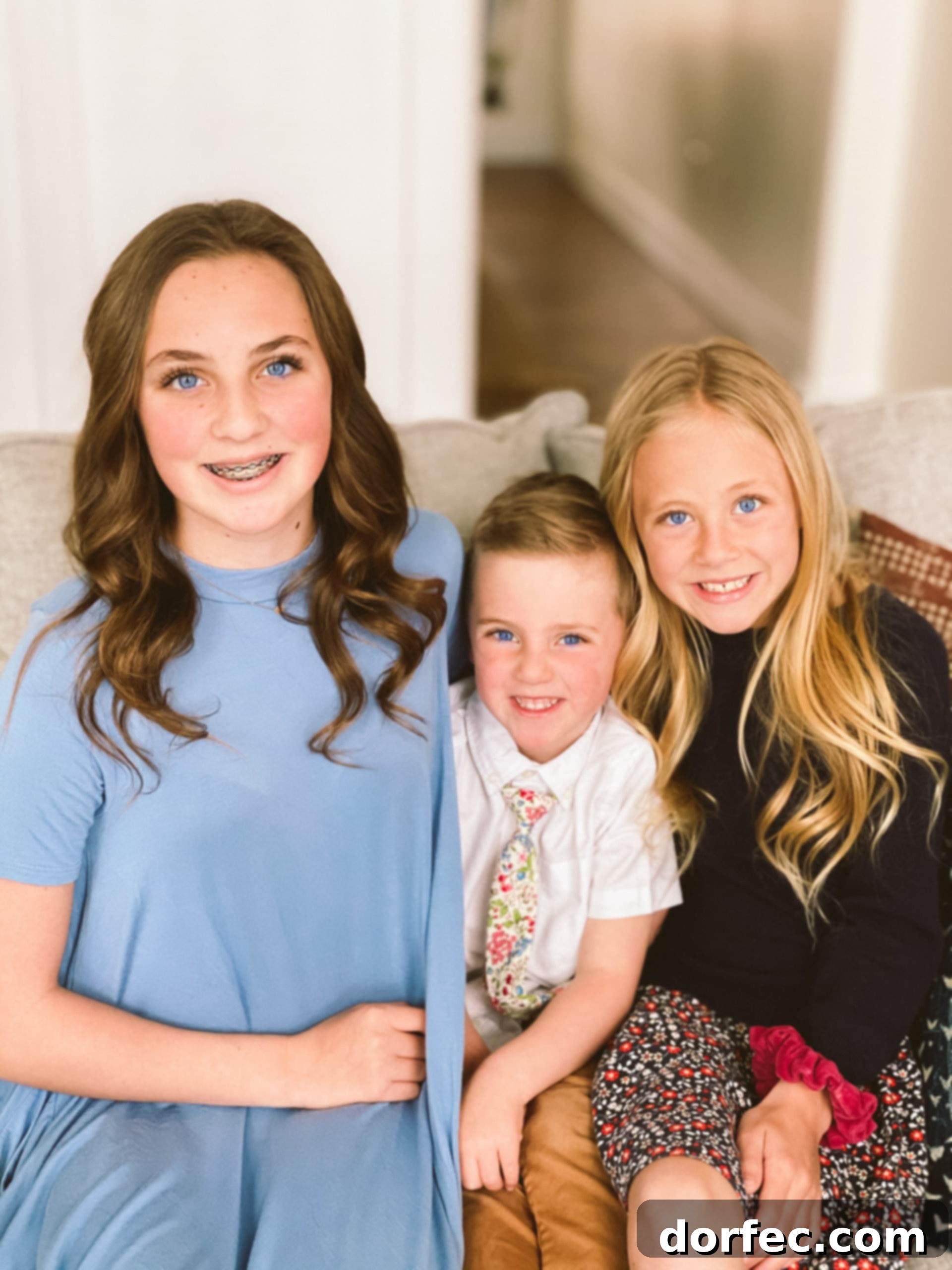
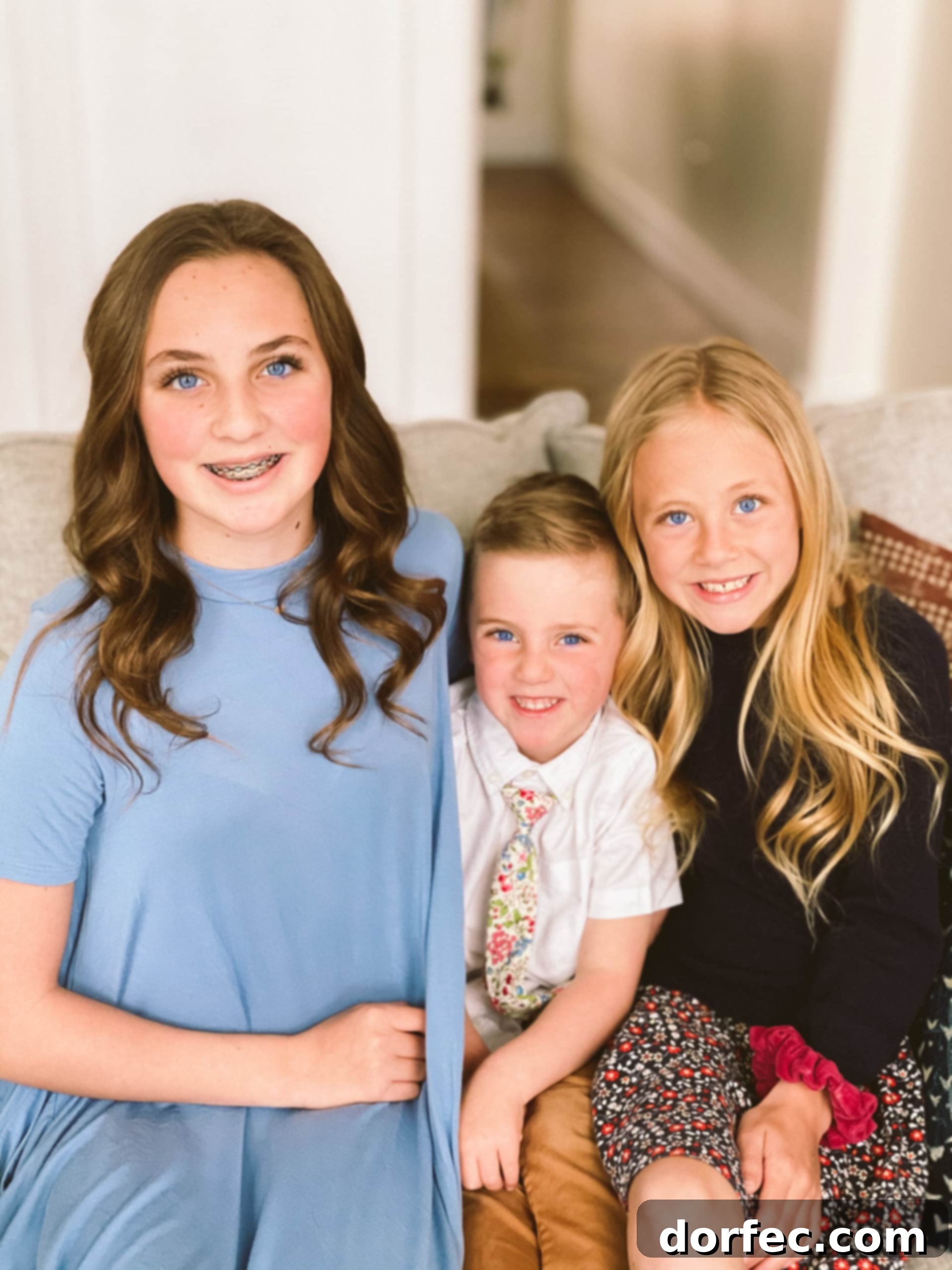
Gazing into those clear, innocent blue eyes, a singular, profound realization washes over me. It’s a sentiment that has undeniably redefined the essence of motherhood, particularly as we collectively emerge from a period of unprecedented global challenges. This era has sharpened our focus on what truly matters, highlighting the indelible impact of early life experiences and the enduring power of intentional parenting.
The Foundational Pillars: Why Childhood Reigns Supreme
Without a doubt, childhood stands as the most critical and formative period in any individual’s life. It is during these tender years that the very architecture of our being is constructed, brick by emotional and cognitive brick. This initial phase isn isn’t merely a precursor to adulthood; it is the fertile ground from which all future growth springs. The experiences, lessons, and relationships forged in childhood lay down the foundational wiring for our brains, dictating everything from our capacity for learning and emotional regulation to our resilience in the face of adversity. This profound impact underscores the monumental responsibility and privilege of parenting.
Every interaction, every shared moment, every challenge overcome, and every word spoken contributes to this intricate blueprint. From developing a secure attachment style to fostering an innate sense of curiosity, these early years are brimming with opportunities to shape a robust, adaptable, and compassionate individual. It’s the period when values are absorbed, empathy is nurtured, and a child’s understanding of the world begins to take coherent form. Overlooking the significance of this developmental stage is akin to building a house on shifting sand; without a strong foundation, the entire structure is vulnerable to the storms of life.
Shaping Our Future Selves: The Enduring Echoes of Early Life
The echoes of our childhood resonate throughout our entire lives, profoundly influencing who we become, what we believe, what knowledge we accumulate, and crucially, who we choose to love and hold dear. These early experiences don’t just teach us facts; they instill deeply ingrained patterns of thought, emotional responses, and social behaviors that persist into adulthood. The way we perceive ourselves, our capabilities, and our place in the world is largely a direct reflection of the messages, both explicit and subtle, we received during our formative years.
Consider the development of self-esteem and confidence. A child consistently encouraged, celebrated for their efforts, and given the freedom to explore and make age-appropriate mistakes will likely grow into an adult with a healthy sense of self-worth and a willingness to embrace new challenges. Conversely, a child subjected to constant criticism or neglect may struggle with feelings of inadequacy and insecurity, impacting their relationships and career trajectories. Our capacity for intimacy, our communication styles, and even our career choices can often be traced back to the seeds planted in childhood. It’s a powerful testament to how early interactions become the very loom upon which the tapestry of our adult identity is woven.
The Journey of Healing: Addressing Childhood’s Unseen Wounds
It is a common observation that much of our adult lives, consciously or unconsciously, is spent addressing and often mending the vulnerabilities, insecurities, and unaddressed challenges that took root in our youth. The weaknesses developed back then — be they trust issues, anxieties, unresolved traumas, or negative self-beliefs — don’t simply vanish with age. Instead, they often manifest in adult relationships, work performance, and overall mental well-being, demanding our attention and effort to overcome.
This reality isn’t meant to be a source of blame but rather an illumination of the profound preventative power of conscious parenting. By providing a nurturing, stable, and emotionally attuned environment, parents have the incredible opportunity to minimize the need for future “fixing.” This involves teaching emotional literacy, fostering resilience, encouraging healthy coping mechanisms, and ensuring children feel seen, heard, and valued. Investing in a child’s emotional health early on is perhaps the most significant gift a parent can give, equipping them with the internal resources to navigate life’s complexities with grace and strength, rather than spending their adult years tirelessly patching up old wounds.
Motherhood in the Modern Era: A Renewed Dedication
In this dynamic and often tumultuous world, the role of a mother feels more demanding, yet infinitely more rewarding, than ever before. We are navigating an era marked by rapid technological advancements, evolving societal norms, and a collective recovery from global upheavals that have reshaped our perspectives. These factors have intensified the complexities of parenting, requiring a level of dedication, adaptability, and mindful presence that can sometimes feel overwhelming.
However, this heightened awareness also brings a deeper sense of purpose. Modern motherhood is not just about meeting basic needs; it’s about fostering critical thinking in a digital age, cultivating emotional intelligence amidst constant connectivity, and building resilience in children who will inherit a rapidly changing world. It’s about being present despite countless distractions, setting healthy boundaries in a screen-dominated culture, and communicating openly about complex issues. This intensive engagement means I am working harder than ever at raising my children, not just to survive, but to truly thrive. It’s a labor of love, marked by unwavering commitment and a constant quest for growth, both for my children and for myself.
The Ultimate Goal: Raising Compassionate, Capable Individuals
At the heart of this intensive effort lies a singular, fundamental objective: simply being a good mom so that my children can grow into good people. But what does it truly mean to be a “good person” in today’s world? It encompasses far more than mere politeness or adherence to rules. It involves cultivating a deep sense of empathy, the ability to understand and share the feelings of others. It means fostering integrity, acting with honesty and strong moral principles, even when it’s difficult.
Raising good people means instilling a sense of responsibility – for their actions, their communities, and the planet. It’s about developing critical thinking skills so they can discern truth from falsehood and navigate complex ethical dilemmas. It’s about teaching resilience, the capacity to bounce back from setbacks with strength and optimism. Ultimately, it’s about nurturing individuals who are not only successful in their own endeavors but also contribute positively to the lives of those around them, making the world a kinder, more equitable, and more understanding place. This profound aspiration fuels every decision, every sacrifice, and every moment of joy in the parenting journey.
Cultivating Character: Practical Approaches to Intentional Parenting
Achieving the goal of raising good people requires more than just good intentions; it demands an intentional and consistent approach. This involves several key practices that form the bedrock of nurturing character. Firstly, it means prioritizing presence over perfection. Being truly present—listening actively, engaging meaningfully, and offering undivided attention—communicates unconditional love and makes a child feel valued and secure. This security is vital for emotional development.
Secondly, leading by example is paramount. Children are keen observers, and they learn more from what they see their parents do than from what they are told. Demonstrating kindness, honesty, perseverance, and respectful communication in daily life provides a living blueprint for ethical behavior. Thirdly, fostering independence and problem-solving skills empowers children. Allowing them to experience natural consequences (within safe limits) and encouraging them to find solutions builds self-reliance and resilience. Setting clear, consistent boundaries, coupled with open communication about why those boundaries exist, teaches self-control and respect for others. Finally, cultivating a home environment where mistakes are viewed as learning opportunities, and emotions are openly discussed and validated, nurtures emotional intelligence and self-compassion, paving the way for empathetic and well-adjusted adults.
The Enduring Legacy of Love and Nurturing
The journey of motherhood is undoubtedly arduous, filled with moments of doubt, exhaustion, and profound challenge. Yet, it is also a path illuminated by unparalleled joy, unwavering love, and the boundless potential seen in those innocent eyes. The energy and effort invested in these foundational years represent more than just daily tasks; they are a profound investment in the future, not only for our children but for society as a whole.
By striving to be the best possible guides, mentors, and sources of unconditional love, we equip the next generation with the tools they need to navigate an increasingly complex world. We empower them to overcome obstacles, to embrace diversity, and to lead with integrity and compassion. The legacy we build through intentional parenting extends far beyond our immediate family; it ripples outwards, creating a positive impact on communities and shaping a brighter, more hopeful future for everyone. It is in these cherished blue eyes that I see not just my child, but the promising dawn of tomorrow.