
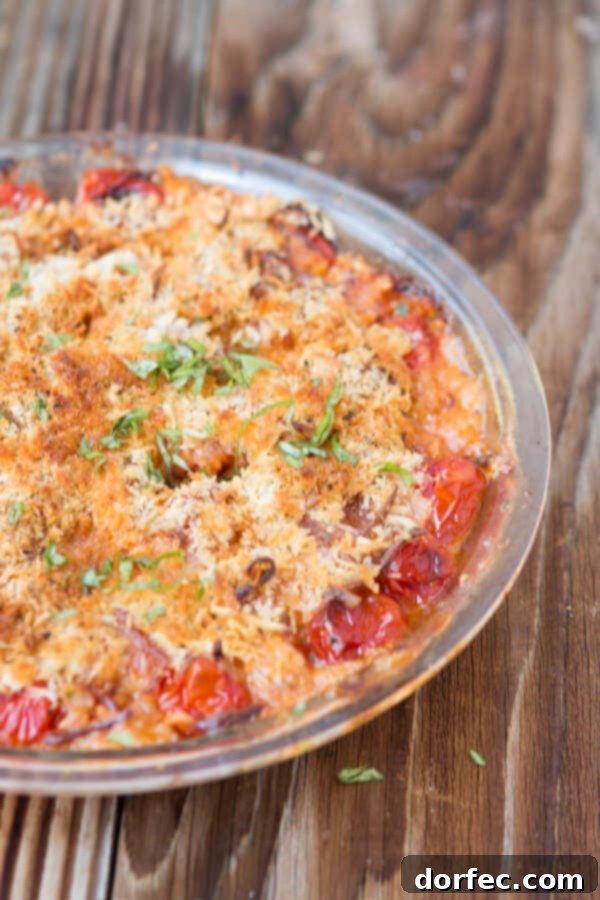
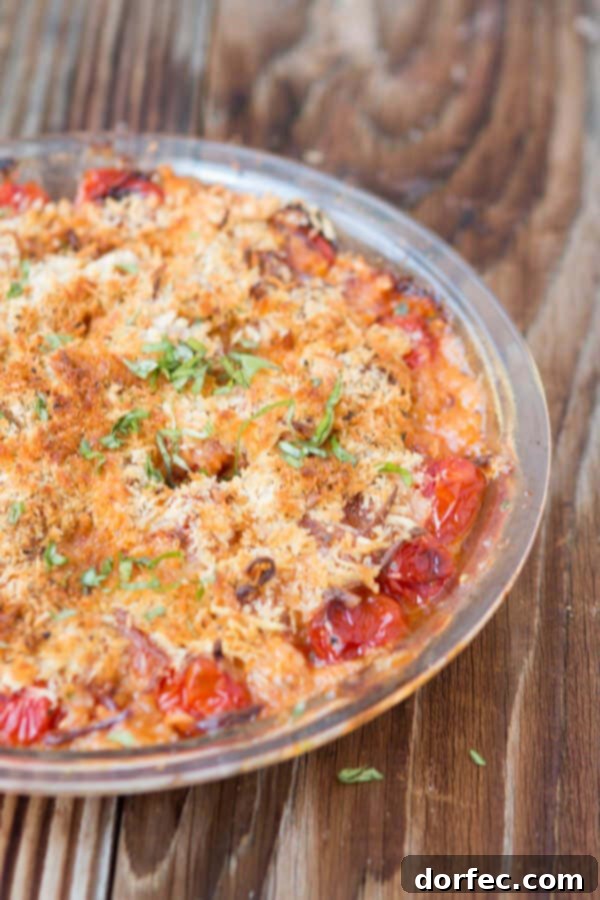
There’s an undeniable joy that comes from nurturing a garden and harvesting your own fresh produce. However, many of us face the challenge of a limited growing season. Take Utah, for example, where spring seems to burst forth only to quickly give way to scorching summer heat, and before you know it, winter returns. This compressed window for cultivation means every moment in the garden counts. To help you maximize your gardening efforts and enjoy the fruits (and vegetables!) of your labor, we’ve partnered with McCormick to bring you five indispensable gardening tips, along with a delightful and easy tomato gratin recipe that perfectly showcases your fresh harvest.
Whether you’re contending with unpredictable weather or simply looking to enhance your gardening skills, these tips are designed to help you achieve a bountiful yield, no matter how short your season might be. We believe that growing your own food is one of the most rewarding experiences, fostering a deeper connection to nature and providing healthier, more flavorful ingredients for your kitchen. Let’s delve into how you can make the most of every planting opportunity and transform your garden’s bounty into delicious meals.
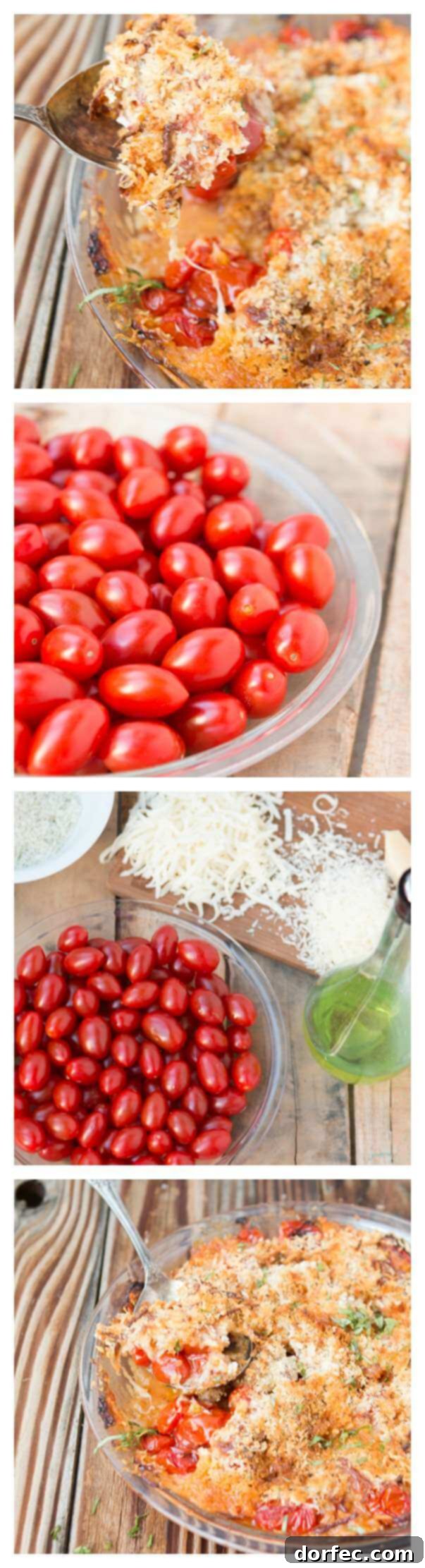
While home gardening offers immense satisfaction, growing absolutely everything year-round can be impractical. That’s why we often supplement our home harvest by joining a Community Supported Agriculture (CSA) program, like Bountiful Baskets in our area. CSAs are fantastic because they connect you with local farmers, ensuring you get a regular supply of fresh, seasonal produce. It’s not only a wonderful way to eat local and support sustainable agriculture but also a fun opportunity to experiment with new ingredients and culinary creations. This tomato gratin, for instance, is a perfect example of how fresh, local ingredients can inspire simple yet incredibly flavorful dishes. It’s incredibly easy to prepare, bursting with fresh tomato flavor, and features a subtle kick that makes it a standout. In fact, we recently enjoyed it as a light dinner alongside a pile of fresh fruit, feeling perfectly satisfied without overeating.
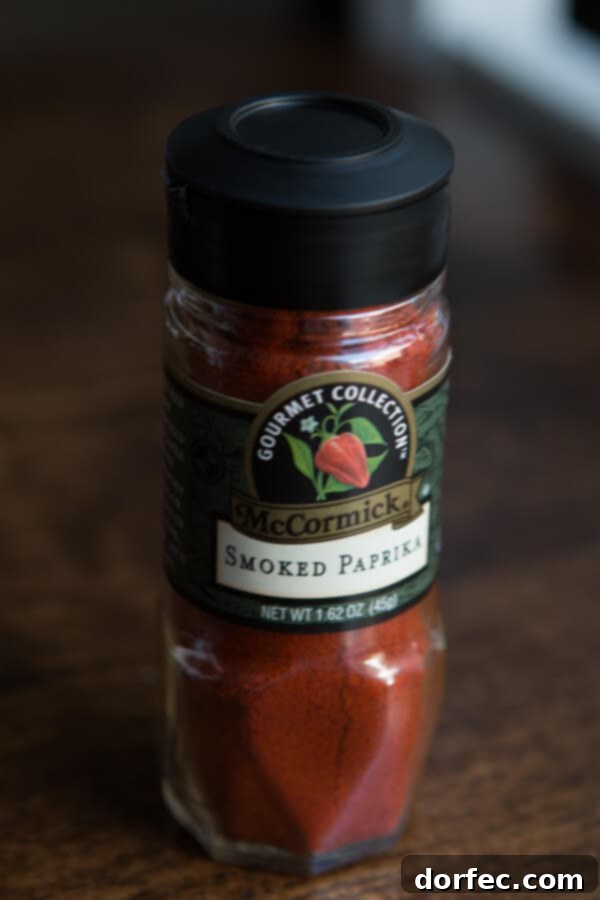
To give our tomato gratin that special something, we love incorporating a little heat using McCormick Gourmet Ground Cayenne Pepper or the rich, smoky notes of McCormick Gourmet Smoked Paprika. These premium spices add depth and a warm undertone that beautifully complements the sweetness and acidity of the tomatoes. While basil keeps the dish fresh and light, the unexpected warmth from the spices creates a truly remarkable flavor profile that elevates this simple gratin from good to absolutely exceptional.
Cultivating Success: 5 Essential Gardening Tips
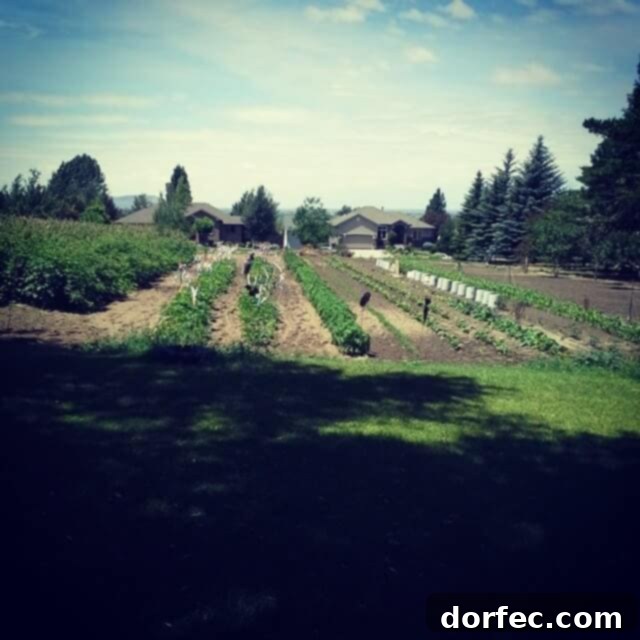
My parents are true gardening legends, boasting a massive and incredibly productive garden. Every year, we make the few-hour drive to their home, eager to bring back a piece of their bounty. More importantly, it’s an invaluable opportunity for our kids to get their hands dirty and absorb these essential gardening principles firsthand. These aren’t just tips; they’re foundational practices for a thriving garden.
1. Prepare Your Soil with Intent: The Power of Tilling and Mulch
Always begin your gardening season by thoroughly tilling a good layer of mulch into your garden plot. This crucial first step, ideally started in early spring with several tilling passes before planting, dramatically improves soil structure, aeration, and drainage. Mulch, especially organic varieties like compost, shredded leaves, or aged wood chips, enriches the soil with vital nutrients, fosters beneficial microbial activity, and helps retain moisture, reducing the need for frequent watering. Beyond nutrient benefits, a good mulch layer acts as a natural weed barrier, suppressing unwanted growth that would otherwise compete with your plants for precious resources. Incorporating mulch also helps regulate soil temperature, keeping roots cooler in summer and warmer in cooler periods. This foundational work sets the stage for healthy, vigorous plant growth from the very beginning.
2. Supercharge Your Plant Starts with Crushed Eggshells
Don’t throw away those eggshells! Collect them throughout the year, then crush them finely and incorporate them into the planting holes for starts like tomatoes, squash, or peppers. Eggshells are an excellent source of calcium, a vital nutrient that helps plants develop strong root systems. Crucially, adequate calcium prevents common issues like blossom end rot, particularly in tomatoes, where the bottom of the fruit can turn black and soft. Beyond nutrient provision, the sharp edges of crushed eggshells can act as a natural physical barrier, deterring soft-bodied pests like slugs and snails from reaching delicate seedlings. This simple, organic trick provides a dual benefit: enriching your soil and offering a degree of natural pest control.
3. Conquer Weeds Early and Often: The Key to Plant Vigor
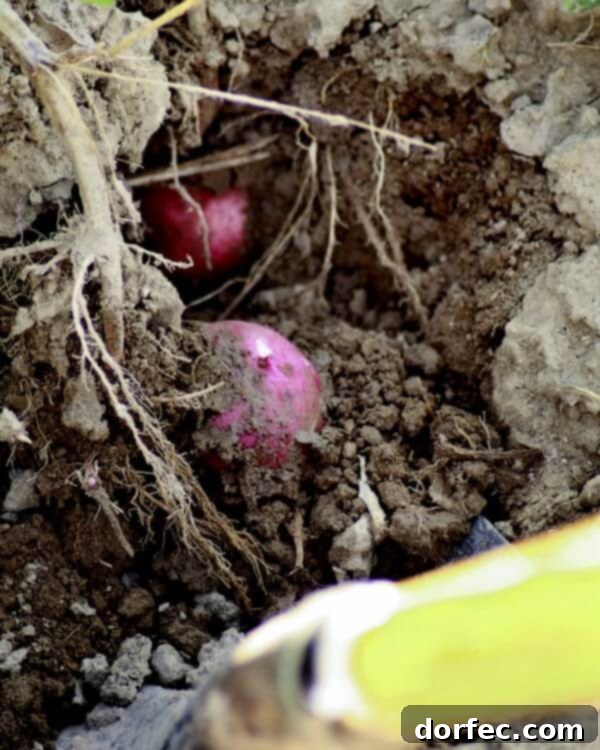
Weeding is arguably the least glamorous aspect of gardening, but it is absolutely essential for a good harvest. Make it a habit to weed often in the initial stages of your garden’s growth and continue occasionally throughout the harvest season. Those pesky weeds aren’t just making your garden look untidy; they are fierce competitors, aggressively drinking up the water and monopolizing the vital nutrients that your cultivated plants desperately need. Unchecked weed growth will inevitably lead to stunted, under-producing, or even dying plants. Effective weeding, whether manual or using a hoe, ensures that all resources go directly to your desired crops, allowing them to thrive and yield their maximum potential. Consider mulching as an additional layer of defense against weed invasion.
4. Optimize Soil pH and Watering for Specific Plant Needs
Understanding your soil is paramount. Always check the pH level of your soil using a simple home test kit, and add the appropriate fertilizer tailored to your specific soil type and the needs of your plants. Different vegetables have different pH preferences, impacting nutrient availability. We typically fertilize at the same time we plant, providing a strong start for seedlings. Beyond feeding, strategic watering is critical. For water-hungry plants like peas and raspberries, use soaker hoses or drip irrigation to deliver water directly to the root zone, minimizing evaporation and fungal diseases. For the rest of the garden, overhead sprinklers (my parents use large ones on poles that cover the entire plot) can be effective, ensuring broad coverage. The key is consistent, deep watering rather than shallow, frequent sprinkles.
5. Diagnose Plant Distress: Watering vs. Nutrient Deficiency
When your plants look a little sad—leaves turning light in color, growth slowing—it’s often tempting to immediately increase watering. However, if you’ve been consistently watering according to seed or plant instructions, it’s more likely a nutrient issue rather than a watering problem. Overwatering can be just as detrimental as underwatering, leading to root rot and other issues. Instead of more water, a good garden fertilizer is often exactly what you need. Apply it around the base of the plants, ensuring it reaches the root zone. Continue with your regular, proper watering schedule, and you should see your plants perk right up as they receive the vital nutrients they’ve been lacking. Observing your plants closely and understanding their specific needs is key to successful troubleshooting.
Once you’re harvesting, make the most of your produce by canning and freezing it for winter. This extends your enjoyment and ensures you have fresh, homegrown ingredients year-round. Keep things simple for maximum flavor: for fresh vegetables, a drizzle of olive oil and a sprinkle of a favorite McCormick Gourmet spice, like Paprika or Garlic Powder, followed by roasting in the oven, truly enhances their natural taste without needing heavy, unnecessary sauces. It’s an easy way to highlight the pure deliciousness of your harvest.
What Is Gratin?
Gratin is a culinary technique where an ingredient or dish is topped with a browned crust, often achieved using ingredients like breadcrumbs, grated cheese, eggs, or butter. The term “gratin” itself refers to this crust, which adds texture and a rich, savory finish to the underlying ingredients.
What Tomatoes Are Best For Roasting?
You can roast any kind of tomato with excellent results. While cherry, grape, plum, and Roma tomatoes tend to hold their shape particularly well when roasted, all varieties develop a more intense, robust, and concentrated flavor when subjected to the high heat of an oven. Roasting brings out their natural sweetness and deepens their umami notes.
What Cheese Goes Well With Roasted Tomatoes?
Roasted tomatoes pair beautifully with a variety of cheeses, each offering a unique flavor and texture profile. Five of the best cheeses to pair with them include:
- Mozzarella: Offers a mild, milky flavor and a delightful melt.
- Ricotta: Provides a creamy, slightly sweet contrast.
- Goat Cheese: Delivers a tangy, earthy counterpoint that brightens the dish.
- Parmesan: Adds a salty, nutty, and sharp umami boost.
- Cream Cheese: Melts into a rich, smooth, and subtly tangy layer.
5 Gardening Tips and Tomato Gratin
Tomato Gratin
Ingredients
- 2 cups grape tomatoes
- 1 cup mozzarella
- 1/3 cup parmesan cheese, grated
- 2/3 cup panko bread crumbs
- 1/4 teaspoon McCormick Gourmet ground cayenne or McCormick Gourmet Smoked Paprika
- 1 tablespoon garlic, minced
- 1 teaspoon dry parsley
- 1 tablespoon basil, chopped fresh or dried
Instructions
- Preheat your oven to 400°F (200°C).
- In a pie dish or oven-safe shallow baking dish, arrange the grape tomatoes. Drizzle lightly with olive oil and scatter the mozzarella cheese over the tomatoes.
- In a small bowl, combine the grated parmesan cheese, panko bread crumbs, McCormick Gourmet ground cayenne (or Smoked Paprika for a milder, smoky flavor), minced garlic, and dry parsley. Mix thoroughly until well combined.
- Evenly sprinkle the parmesan-panko mixture over the tomatoes and mozzarella in the pie dish. Drizzle a tiny bit more olive oil over the topping to help it crisp up beautifully.
- Bake for 20-30 minutes, or until the topping is golden brown and the tomatoes are tender and bubbly.
Recipe Notes
This gratin is best served warm, straight from the oven. Leftovers can be stored in an airtight container in the refrigerator for up to 3 days. Reheat gently in the oven or microwave. For an extra fresh burst of flavor, garnish with additional fresh basil leaves before serving.
Nutrition
Serving: 1g, Calories: 173kcal, Carbohydrates: 12g, Protein: 11g, Fat: 9g, Saturated Fat: 5g, Polyunsaturated Fat: 1g, Monounsaturated Fat: 3g, Cholesterol: 28mg, Sodium: 387mg, Potassium: 238mg, Fiber: 1g, Sugar: 3g, Vitamin A: 964IU, Vitamin C: 11mg, Calcium: 271mg, Iron: 1mg
Nutrition information is automatically calculated, so should only be used as an approximation.
We hope these gardening tips empower you to cultivate a flourishing garden, regardless of your local climate. There’s nothing quite like the satisfaction of cooking with ingredients you’ve grown yourself. And this tomato gratin recipe is a simple yet elegant way to celebrate your harvest, bringing fresh, vibrant flavors to your table. Don’t forget to experiment with McCormick’s wide range of spices to discover new dimensions of taste in your culinary adventures. Happy gardening and happy cooking!
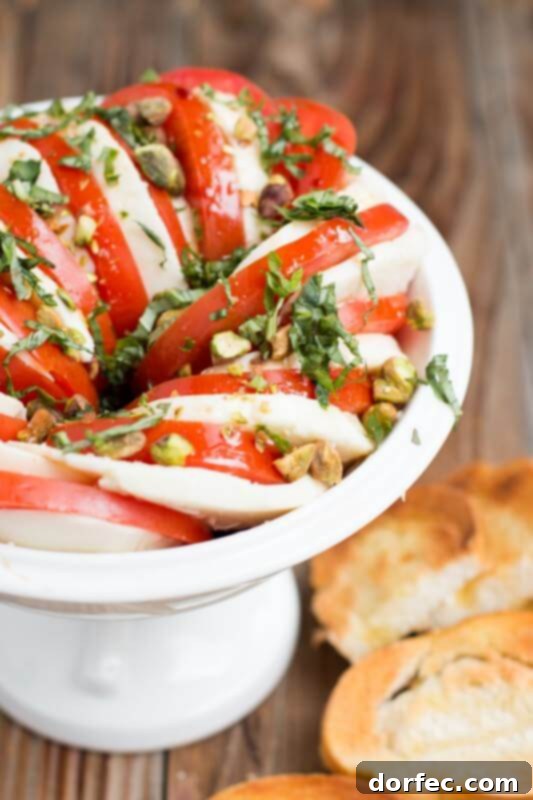
The Best Caprese Salad with Pistachios

How to Freeze Fruit for Delicious Smoothies
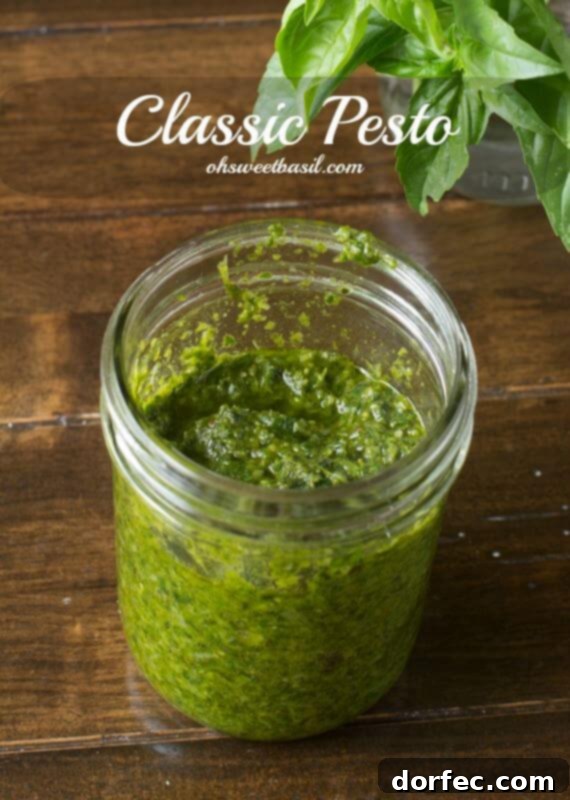
Classic Basil Pesto: How to Make and Store It
The Easiest Way to Freeze Fresh Corn