
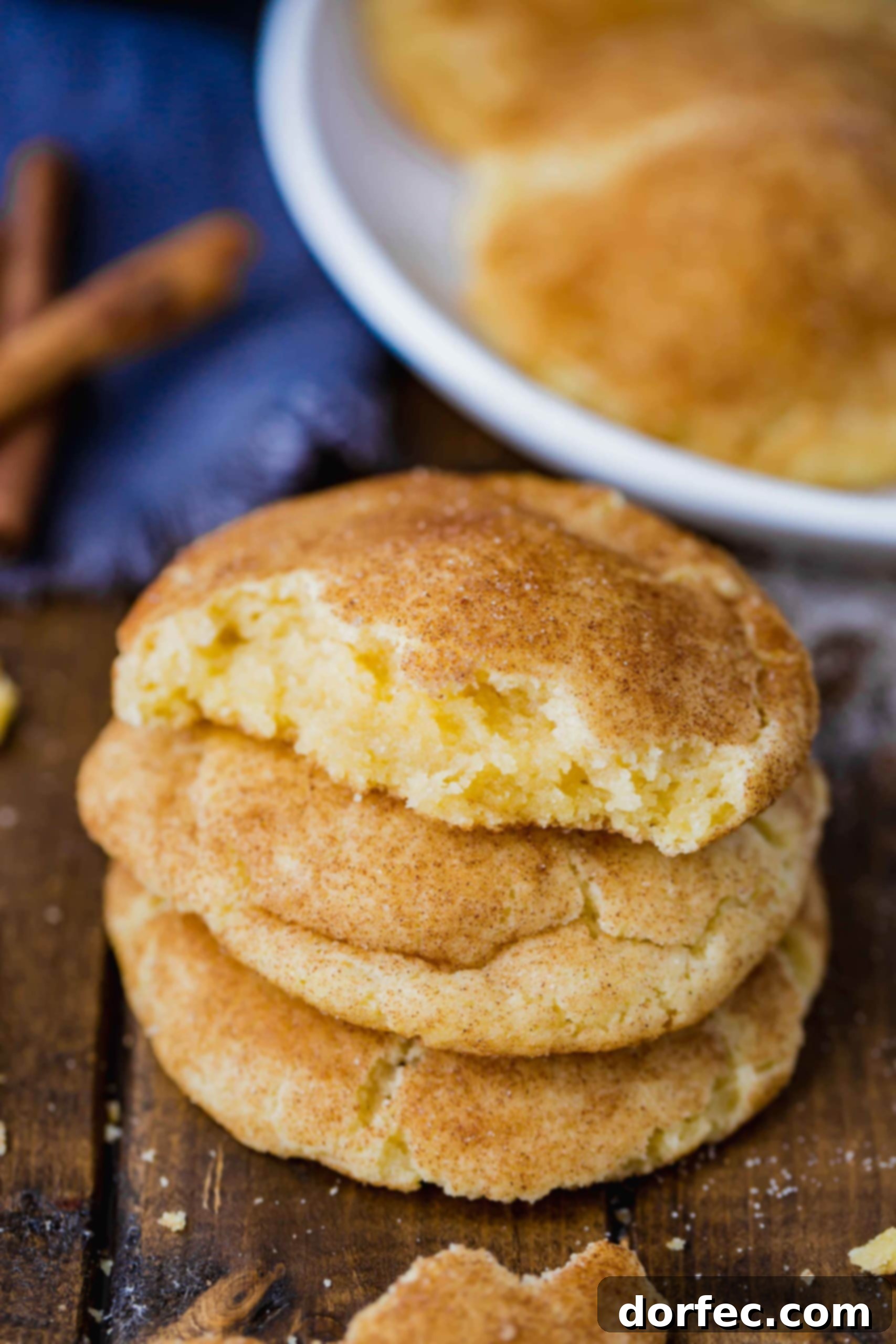
The Ultimate Classic Snickerdoodle Cookies Recipe: Soft, Chewy, and Perfectly Tangy
There’s an undeniable charm to a freshly baked batch of snickerdoodle cookies. Their signature blend of cinnamon and sugar, combined with that unique tangy flavor and wonderfully soft, chewy texture, makes them an instant classic. This isn’t just any cookie recipe; it’s a timeless tradition, perfected over generations to deliver pure, comforting indulgence.
While we appreciate innovative and exciting new culinary creations, sometimes, nothing truly satisfies like a beloved classic. Just like the oatmeal raisin chocolate chip cookies my dad and I used to bake, or a rich, creamy chicken and pasta dish, some recipes hold a special place in our hearts. And let’s not forget the simple joy of homemade pizza. Of course, we love exploring new delights like our brownie bottom, chocolate and caramel middle, and chocolate chip cookie topped brownies, but sometimes, a craving strikes for nothing less than a truly classic snickerdoodle cookies recipe. This is that recipe.
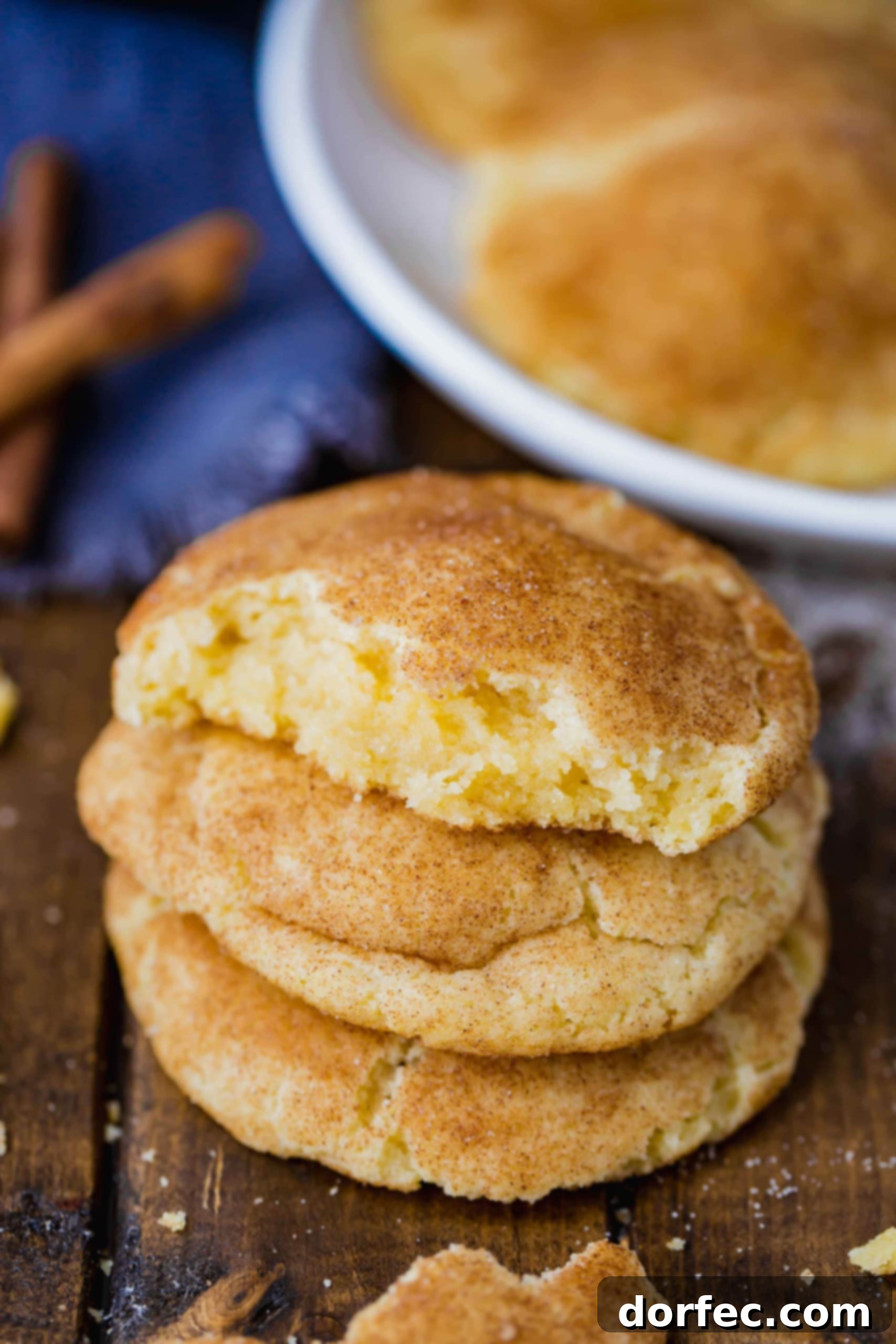
Many snickerdoodle recipes promise softness but often result in crispy cookies the next day. This recipe, however, is different. It’s an adaptation of my mom’s cherished old recipe, specifically designed to stay wonderfully soft and chewy even on day two (if they last that long!). You won’t need to resort to old tricks like sticking a slice of bread in the cookie jar – these cookies maintain their delightful texture naturally. I’m confident you’ll find them utterly delicious, perfect for a secret snack before the kids get home from school!
Essential Ingredients for Perfect Snickerdoodle Cookies
Crafting the perfect snickerdoodle begins with a selection of common pantry staples. There are no surprising or exotic items here, just fundamental ingredients that combine to create magic. Each component plays a crucial role in achieving that distinctive flavor and texture profile that makes snickerdoodles so irresistible. Here’s a detailed look at what you’ll need:
- Unsalted Butter (or Half Shortening, Half Butter): Using softened unsalted butter is key for proper creaming with sugar, contributing to the cookie’s rich flavor and tender crumb. For an even softer texture and less spread, a blend of half shortening and half butter can be used, as shortening has a higher melting point.
- Granulated Sugar: Beyond sweetness, sugar interacts with the fats to create air pockets during creaming, resulting in a lighter texture. It also plays a crucial role in the iconic cinnamon-sugar coating.
- Large Eggs: Eggs provide structure, moisture, and act as a binding agent, helping to hold the cookies together and contributing to their chewiness. Slightly whisking them ensures even distribution.
- Vanilla Extract: A touch of pure vanilla extract enhances all the other flavors, adding a warm, aromatic depth that is essential to any great cookie.
- All-Purpose Flour: This forms the primary structure of the cookie. Proper measurement (spooned and leveled, not scooped) is vital to prevent tough cookies.
- Baking Soda: A leavening agent that reacts with the cream of tartar to give the cookies their characteristic rise and spread, resulting in a light and airy yet chewy interior.
- Cream of Tartar: This is the secret ingredient that truly sets snickerdoodles apart. Its acidic nature is indispensable for both the unique tangy flavor and the chewy texture. We’ll delve deeper into its importance below.
- Salt: A small amount of salt balances the sweetness and enhances the overall flavor profile of the cookies.
- Cinnamon: The star of the iconic cinnamon-sugar coating, providing warmth and a comforting spice that is synonymous with snickerdoodles.
You’ll find the precise measurements for each ingredient in the detailed recipe card at the end of this post, ensuring you have everything you need for baking success.
How to Make the Best Snickerdoodle Cookies: A Step-by-Step Guide
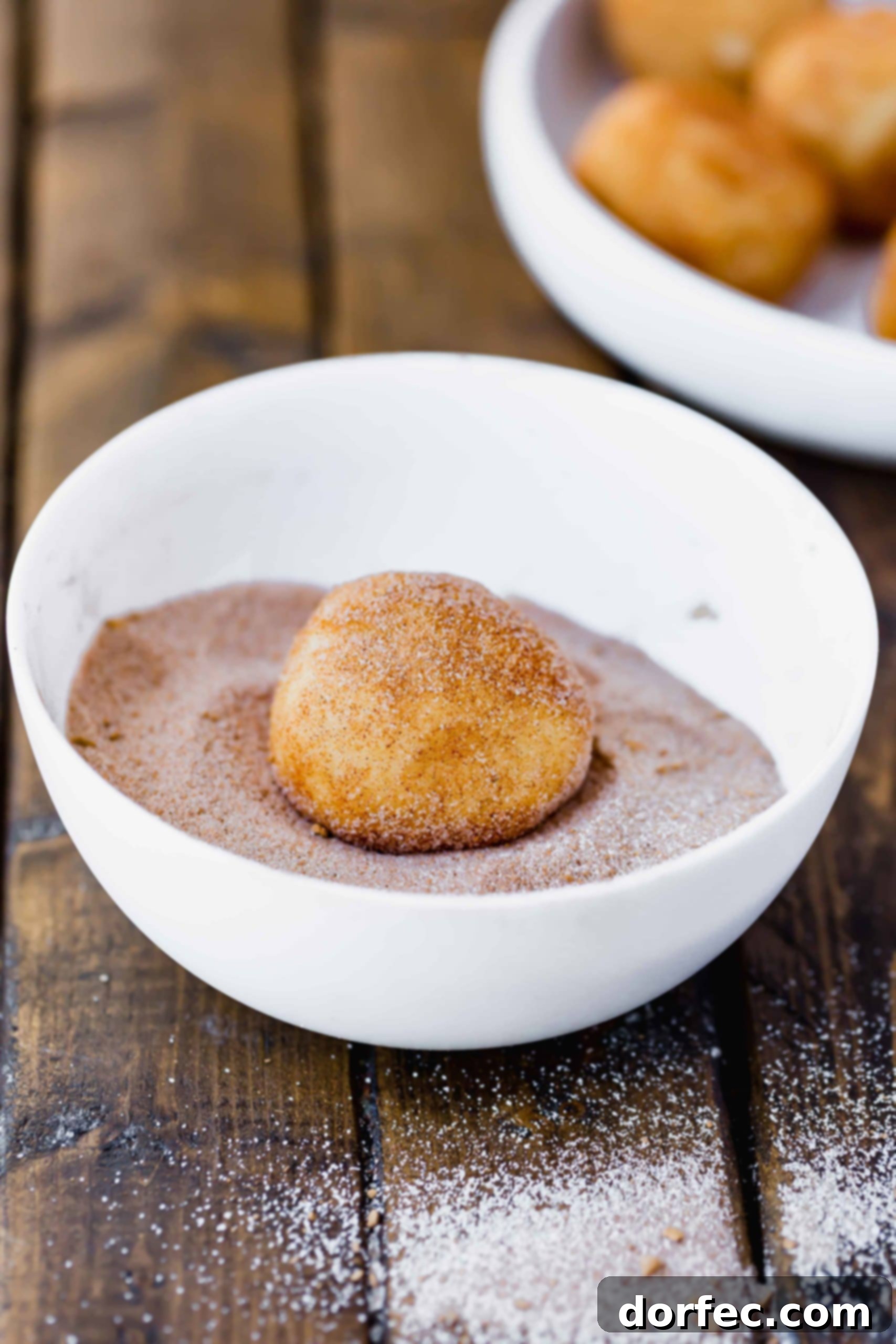
Baking snickerdoodles follows many of the same fundamental steps as other classic cookies, but with a few distinctive twists that make them uniquely delightful. The most enjoyable part, and what truly sets them apart, is rolling the soft dough in that generous cinnamon-sugar mixture just before baking. This coating not only adds incredible flavor but also contributes to their beautiful cracked appearance. Another key differentiator, as we’ll discuss, is the essential role of cream of tartar. Let’s walk through the process:
- Prepare Your Oven and Baking Sheets: Always begin by preheating your oven to the specified temperature (typically 375°F or 190°C). This ensures the cookies bake evenly and prevents them from spreading too much. Line your baking sheets with parchment paper or a silicone baking mat (like a Silpat) to prevent sticking and promote even browning.
- Cream Butter and Sugar: In the bowl of a stand mixer fitted with the paddle attachment, or using a hand mixer, beat the softened butter and granulated sugar together. Start on low speed and gradually increase to medium-high. Beat for a good 2-3 minutes until the mixture is light, fluffy, and pale in color. This process incorporates air, which is crucial for a tender cookie texture.
- Incorporate Wet Ingredients: Add the eggs one at a time, beating well after each addition until fully combined. Scrape down the sides of the bowl as needed to ensure everything is mixed evenly. Stir in the vanilla extract until just incorporated. Be careful not to overmix at this stage.
- Whisk Dry Ingredients: In a separate, medium-sized bowl, whisk together the all-purpose flour, baking soda, cream of tartar, and salt. Whisking ensures these ingredients are thoroughly combined and evenly distributed throughout the dough, preventing pockets of leavening or salt.
- Combine Wet and Dry: Gradually add the dry ingredients to the wet ingredients in the stand mixer. Mix on low speed until just combined. The key here is not to overmix; overmixing develops the gluten in the flour, which can lead to tough cookies. Mix only until no streaks of dry flour remain.
- Prepare Cinnamon Sugar Coating: In a small, shallow bowl, combine the additional sugar and ground cinnamon. This is your flavorful coating for the cookie dough balls.
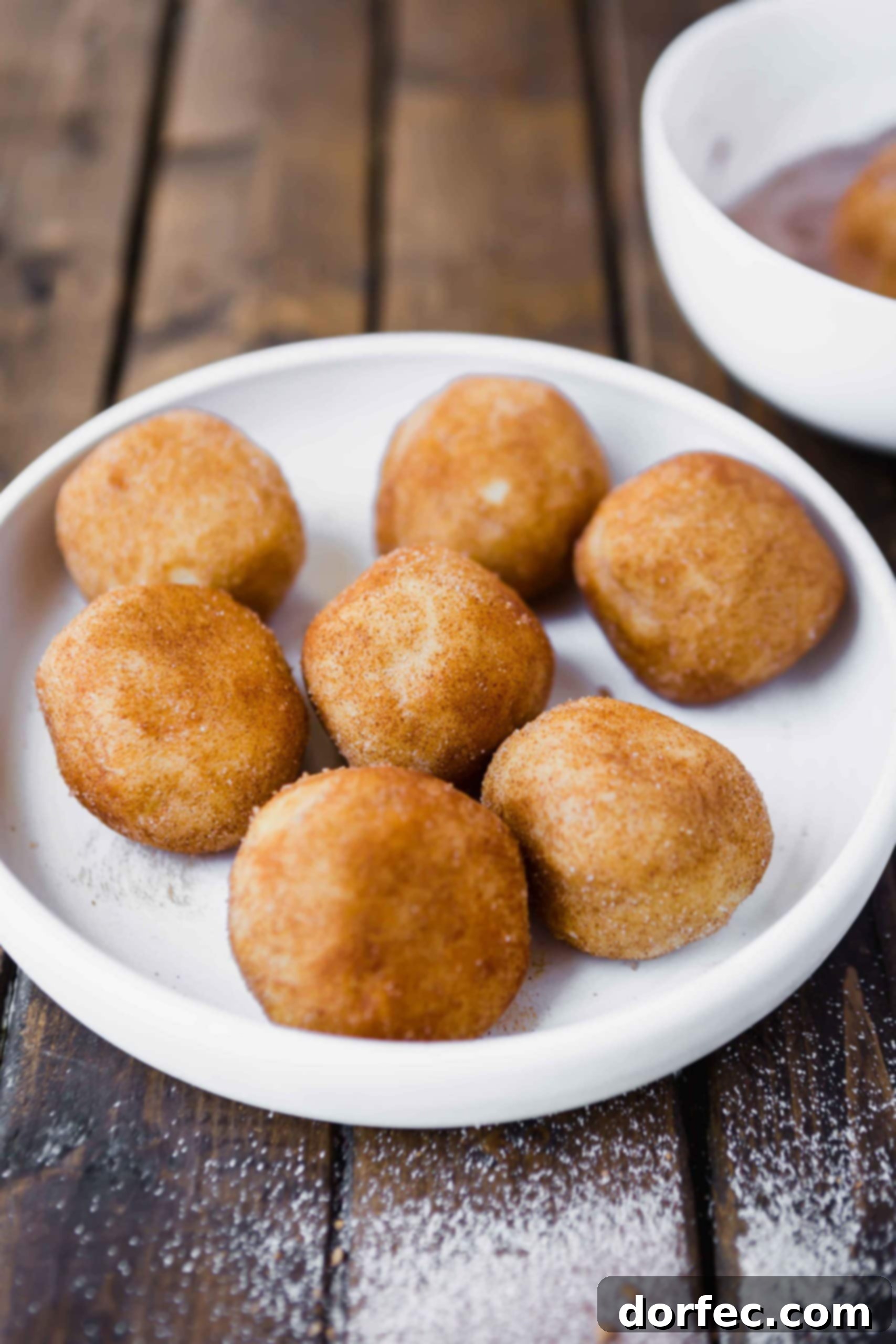
- Roll Dough in Cinnamon Sugar: Scoop out portions of cookie dough (about 1.5-2 tablespoons each) and roll them into smooth balls between your palms. Then, roll each dough ball generously in the cinnamon-sugar mixture until it’s completely coated.
- Bake or Chill: At this point, you can either bake the cookies immediately or refrigerate the dough balls for at least 30 minutes. Chilling the dough helps prevent excessive spreading and can result in a chewier cookie. Place the coated dough balls onto your prepared baking sheets, leaving enough space between them for spreading.
- Bake to Perfection: Bake for 8-9 minutes, or until the edges are lightly set and the centers still look slightly soft. The cookies should have delicate cracks beginning to appear on their surface. Remember, snickerdoodles are best when slightly underbaked for that signature chewy texture. They will continue to set as they cool on the baking sheet for a few minutes before transferring to a wire rack to cool completely.
For more explicit, detailed instructions, including timing and specific temperatures, refer to the complete recipe card at the very end of this article.
Do You Have to Use Cream of Tartar in Snickerdoodle Cookies?
This is a question often asked, and the short answer is: no, you don’t *have* to. However, to truly achieve the authentic, classic snickerdoodle experience, using cream of tartar is highly recommended and almost essential. Snickerdoodles are renowned for their distinct soft, chewy texture and, most importantly, their unique tangy flavor. These characteristics are predominantly due to the presence of cream of tartar.
Cream of tartar is a dry, acidic powder that acts as a leavening agent when combined with baking soda, producing carbon dioxide that helps the cookies rise. But its magic doesn’t stop there. The acidity in cream of tartar also prevents sugar from crystallizing too quickly, contributing to the cookies’ signature chewiness and keeping them soft long after baking. Without it, your cookies might still be delicious, but they won’t have that classic snickerdoodle tang or the perfect, tender crumb that fans adore. So, for the most authentic and satisfying snickerdoodle, don’t skip the cream of tartar!
What is the Difference Between a Sugar Cookie and a Snickerdoodle Cookie?
While both sugar cookies and snickerdoodles are beloved for their simplicity and comforting sweetness, they are distinct cookies with unique characteristics. Let’s break down the key differences:
- Cream of Tartar and Tang: As discussed, the most significant difference lies in the inclusion of cream of tartar in snickerdoodles. This ingredient provides that unmistakable tangy note that sugar cookies lack. Without cream of tartar, a snickerdoodle would simply be a cinnamon-coated sugar cookie.
- Texture: Snickerdoodles are typically known for their soft, pillowy, and chewy interior, often with a slightly crisp edge. Sugar cookies, especially cut-out varieties, tend to be firmer, sometimes crisp, and hold their shape well, making them ideal for decorating with royal icing or buttercream. Drop sugar cookies can be softer, but still typically lack the characteristic chew of a snickerdoodle.
- Flavor Profile: Sugar cookies usually have a straightforward, sweet vanilla flavor, allowing them to be a versatile base for various toppings and decorations. Snickerdoodles boast a complex flavor profile: the warm spice of cinnamon, the sweetness of sugar, and the unique, bright tang from the cream of tartar.
- Appearance: Snickerdoodles are famously rolled in a cinnamon-sugar mixture before baking, giving them a distinctive crinkled, slightly cracked surface. Sugar cookies can be plain, rolled in granulated sugar, or intricately decorated with icing and sprinkles.
Why is There Cream of Tartar in Snickerdoodle Cookies? The Science Behind the Tang
The presence of cream of tartar is not merely a tradition in snickerdoodle recipes; it’s a scientific choice that fundamentally defines the cookie. Cream of tartar, or potassium bitartrate, is an acidic byproduct of winemaking. When it’s combined with baking soda (which is alkaline) in the cookie dough, they react to produce carbon dioxide gas. This reaction helps the cookies to rise, but more importantly, it contributes to the characteristic tender and chewy texture. The acidity also acts as an invert sugar, meaning it prevents the sugar in the dough from crystallizing too quickly. This results in a cookie that stays wonderfully soft and pliable for days, rather than hardening into a crisp, flat disk.
Beyond texture, cream of tartar is solely responsible for that signature, slightly tart, bright tang that perfectly complements the sweet cinnamon-sugar coating. Without it, the cookies would lose their distinctive zest and become, well, just plain old sugar cookies with cinnamon. So, if you’re aiming for an authentic, classic snickerdoodle, cream of tartar is truly non-negotiable.
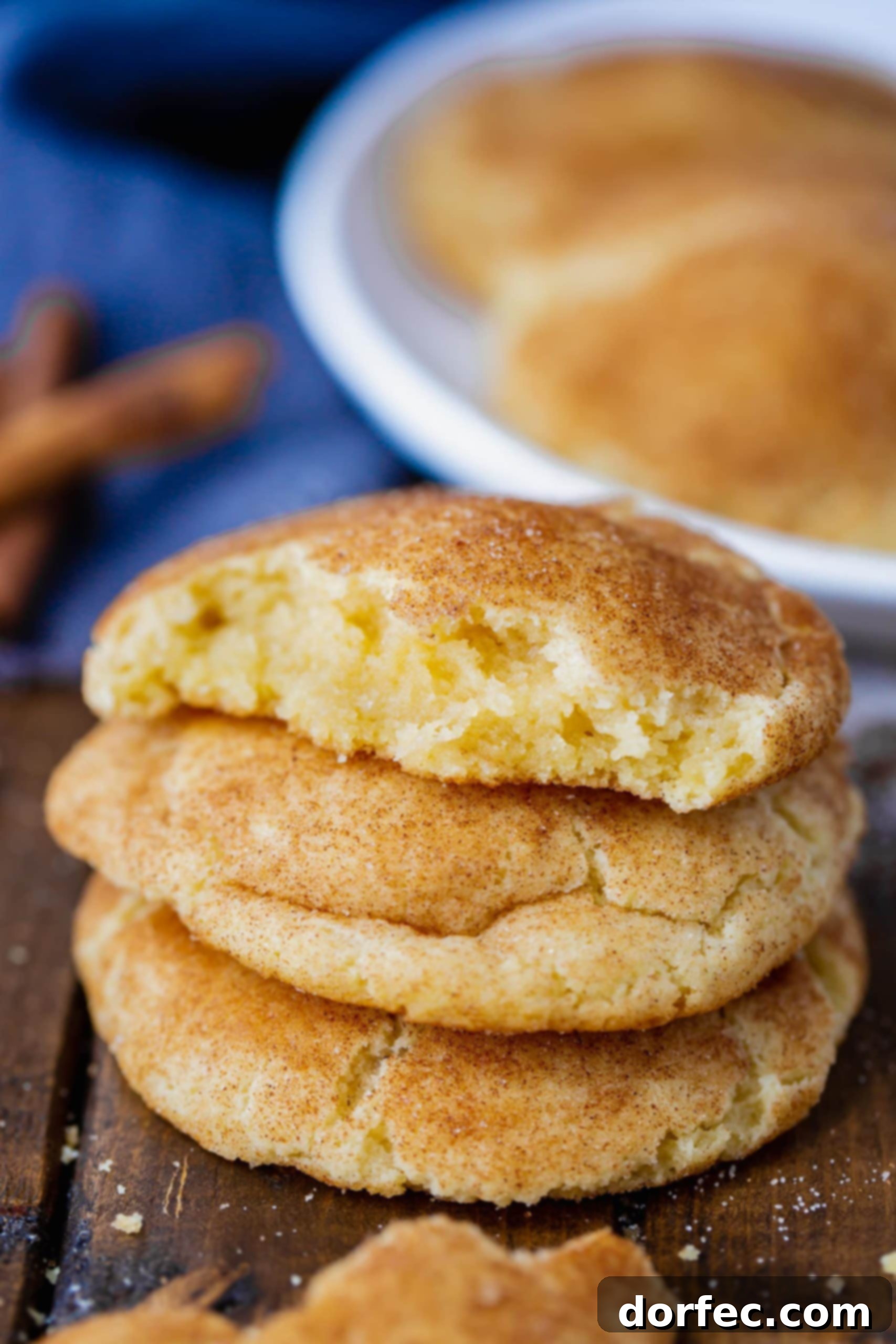
How Long Will Snickerdoodle Cookies Stay Fresh?
Proper storage is essential to keep your homemade snickerdoodle cookies at their best. When stored in an airtight container at room temperature, these soft and chewy delights will typically maintain their freshness for 3-4 days. To ensure optimal texture, you can even place a slice of bread in the container to absorb moisture and keep them extra soft, though this particular recipe is designed to stay soft on its own!
If you’re looking to extend their shelf life significantly, freezing is an excellent option. To freeze baked snickerdoodles:
- Allow the cookies to cool completely to room temperature.
- Arrange them in a single layer on a baking sheet and freeze for a couple of hours until solid. This “flash freezing” prevents them from sticking together.
- Once frozen solid, transfer the cookies to a heavy-duty freezer bag or an airtight freezer-safe container. Remove as much air as possible to prevent freezer burn.
Frozen baked snickerdoodles will keep well in the freezer for up to 3 months. When ready to enjoy, simply thaw them at room temperature or gently warm them in the microwave for a few seconds for that fresh-baked feel.
Can You Freeze Snickerdoodle Cookie Dough?
Absolutely! Freezing cookie dough is a fantastic way to enjoy freshly baked cookies anytime with minimal effort. This snickerdoodle cookie dough freezes beautifully, allowing you to prepare a batch well in advance. Here’s how to do it:
- Prepare the cookie dough according to the recipe instructions, including rolling the dough into balls and coating them generously in the cinnamon-sugar mixture.
- Place the coated dough balls in a single layer on a parchment-lined baking sheet.
- Flash freeze them for a couple of hours, or until they are completely solid.
- Once frozen, transfer the solid dough balls to a heavy-duty freezer bag or an airtight freezer-safe container. Label with the date and baking instructions.
Frozen snickerdoodle cookie dough can be stored in the freezer for up to 3 months. When you’re ready to bake, simply place the frozen dough balls on a prepared baking sheet and bake as directed, adding a minute or two to the baking time if needed, without thawing. This way, you can have warm, soft, and chewy snickerdoodles whenever a craving strikes!
Troubleshooting Common Snickerdoodle Cookie Problems
Even with a tried-and-true recipe, baking can sometimes present a few challenges. Here are some common snickerdoodle issues and how to troubleshoot them:
- Cookies Spreading Too Much: If your cookies are spreading into flat disks, several factors could be at play. Ensure your butter wasn’t too soft (it should be softened but still hold its shape, not melted). Chilling the dough for at least 30 minutes before baking can significantly help. Also, check your oven temperature with an oven thermometer, as a too-low temperature can cause excessive spreading.
- Cookies Are Dry or Crumbly: Overmixing the dough develops gluten, leading to a tough, dry texture. Mix only until the dry ingredients are just incorporated. Overbaking is another culprit; snickerdoodles should be slightly underbaked when removed from the oven, as they continue to cook on the hot baking sheet.
- Lacking Tangy Flavor: This is almost always due to skipping or reducing the cream of tartar. For that signature tang, cream of tartar is essential!
- Cinnamon Sugar Coating Falls Off: Ensure the dough balls are tacky enough for the cinnamon sugar to adhere. If the dough is too dry, try lightly misting it with water or rolling it between slightly damp hands before coating.
I don’t know a single soul who doesn’t adore snickerdoodles. There’s something truly magical about these cookies that instantly transports you back to your childhood kitchen, filled with the comforting aroma of cinnamon and sugar. This particular classic snickerdoodle cookies recipe has been my go-to for years because it’s simply timeless and consistently delivers cookies that stay wonderfully soft and irresistibly chewy for days. They’re perfect for sharing, gifting, or enjoying all by yourself!
More Favorite Cookie Recipes:
- Best Cut Out Sugar Cookies
- Chocolate Chip Pudding Cookies
- Chocolate Reese’s Pieces Cookies
- Best Chocolate Chip Cookies
- Cinnamon Roll Cookies
- Pumpkin Chocolate Chip Cookies
- Million Dollar Cookies
- Nutella and Dulce de Leche Stuffed Cookies
- Peanut Butter Chocolate Chip Cookies
- Lemon Drop Cookies
- Copycat Swig Sugar Cookies
- Oatmeal Raisin Chocolate Chip Cookies
- All our delicious COOKIES RECIPES here!
★★★★☆
Classic Snickerdoodle Cookies Recipe
Sweet Basil
15 minutes
8 minutes
23 minutes
48
cookies
Ingredients
- 1 Cup Unsalted Butter, softened or 1/2 cup shortening 1/2 cup butter
- 1 1/2 Cups Sugar
- 2 Large Eggs, slightly whisked
- 1 1/2 teaspoons Vanilla Extract
- 3 Cups All-Purpose Flour
- 1 teaspoon Baking Soda
- 2 teaspoons Cream of Tartar
- 1/2 teaspoon Salt
- 4 Tablespoons Sugar (for coating)
- 4 teaspoons Cinnamon (for coating)
Instructions
-
1. Preheat the oven to 375 degrees F (190°C).
-
2. Line a baking sheet with parchment paper or a silicone baking mat.
-
3. In the bowl of a standing mixer, beat the softened butter and 1 1/2 cups sugar for 3 minutes until light and fluffy.
-
4. Add the eggs and vanilla extract, and beat again for a few seconds until just combined.
-
5. In a separate bowl, whisk together the flour, baking soda, cream of tartar, and salt.
-
6. Gradually add the dry ingredients to the wet ingredients and beat for 30 seconds, or until just combined. Do not overmix.
-
7. In a small bowl, mix the 4 tablespoons sugar and 4 teaspoons cinnamon for the coating.
-
8. Roll the cookie dough into 1.5-2 tablespoon balls, then roll them generously in the cinnamon-sugar mixture. At this point, you can bake immediately or refrigerate for 30 minutes for a chewier cookie.
-
9. Place the coated dough balls on the prepared baking sheet, spaced a few inches apart. Bake for 8-9 minutes, or until cracks just start to appear on the surface and the edges are lightly set. The centers should still look slightly soft.
-
10. Allow the cookies to cool on the baking sheet for 2-3 minutes before transferring them to a wire rack to cool completely. They will crack more as they cool.
Recipe Notes
Nutrition
Calories: 94kcal,
Carbohydrates: 13g,
Protein: 1g,
Fat: 4g,
Saturated Fat: 2g,
Polyunsaturated Fat: 1g,
Monounsaturated Fat: 1g,
Trans Fat: 1g,
Cholesterol: 17mg,
Sodium: 50mg,
Potassium: 34mg,
Fiber: 1g,
Sugar: 7g,
Vitamin A: 129IU,
Vitamin C: 1mg,
Calcium: 5mg,
Iron: 1mg
Nutrition information is automatically calculated, so should only be used as an approximation.
REMEMBER TO SUBSCRIBE TO our FREE Oh Sweet Basil NEWSLETTER AND RECEIVE EASY RECIPES DELIVERED INTO YOUR INBOX EVERY DAY!
When you try a recipe, please use the hashtag #ohsweetbasil on INSTAGRAM for a chance to be featured in our stories! FOLLOW OH, SWEET BASIL ON FACEBOOK | INSTAGRAM | PINTEREST | TWITTER FOR ALL OF OUR LATEST CONTENT, RECIPES AND STORIES.