
Korean BBQ Beef Bulgogi: An Easy Recipe for Authentic Flavor
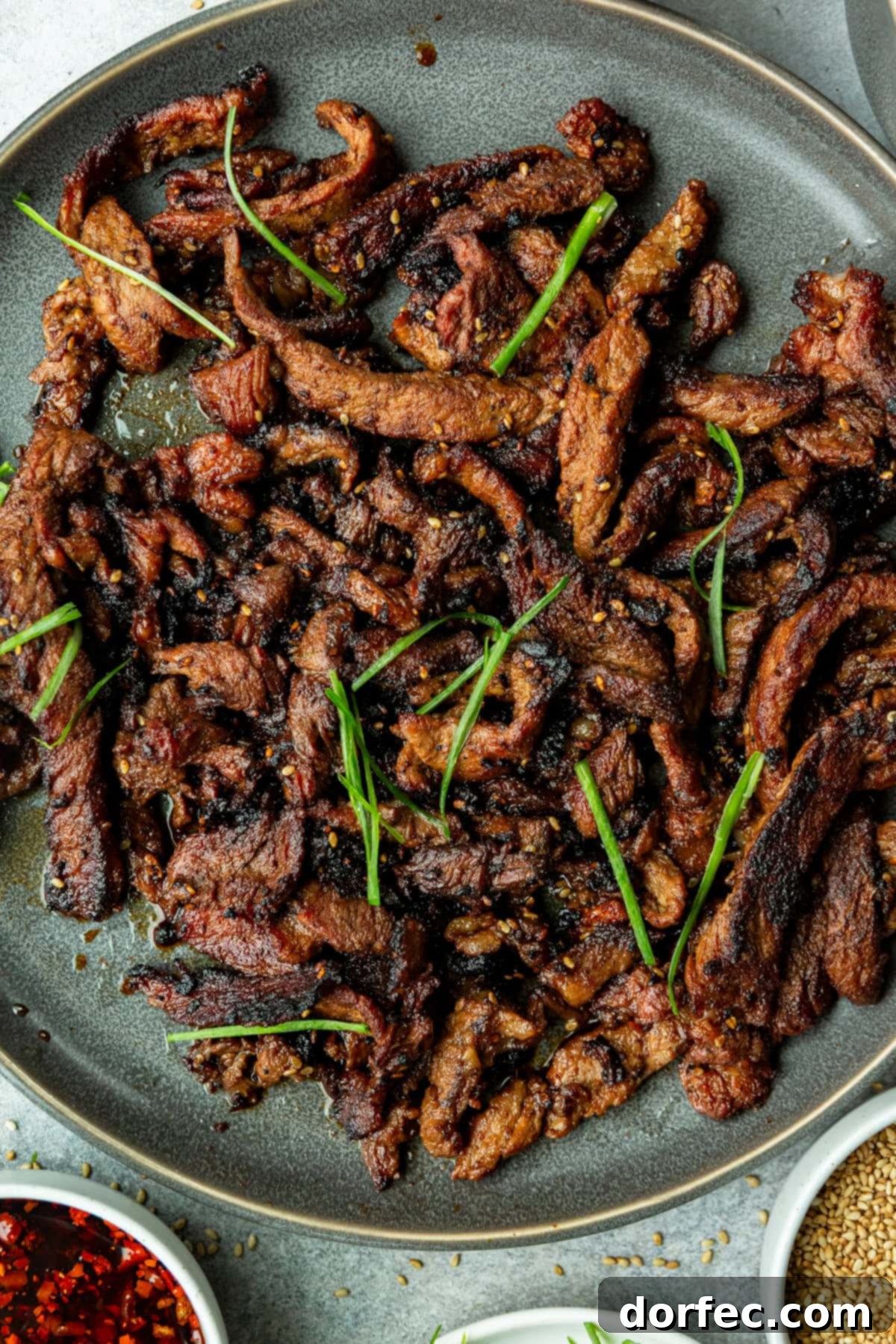
Korean BBQ Beef Bulgogi is a culinary delight that’s surprisingly easy to make at home. This recipe features thinly sliced, tender beef marinated in a sweet and savory sauce, promising a flavor explosion that will transport your taste buds straight to Korea. Best of all, it cooks quickly, making it a perfect weeknight meal. Forget takeout – homemade Bulgogi is healthier, tastier, and incredibly satisfying!
Imagine succulent beef, infused with the richness of soy sauce, the sweetness of brown sugar, and the fragrant warmth of ginger. That’s the magic of Bulgogi. Get ready for a Korean BBQ experience right in your kitchen!
What Exactly is Beef Bulgogi? Unveiling the Origins
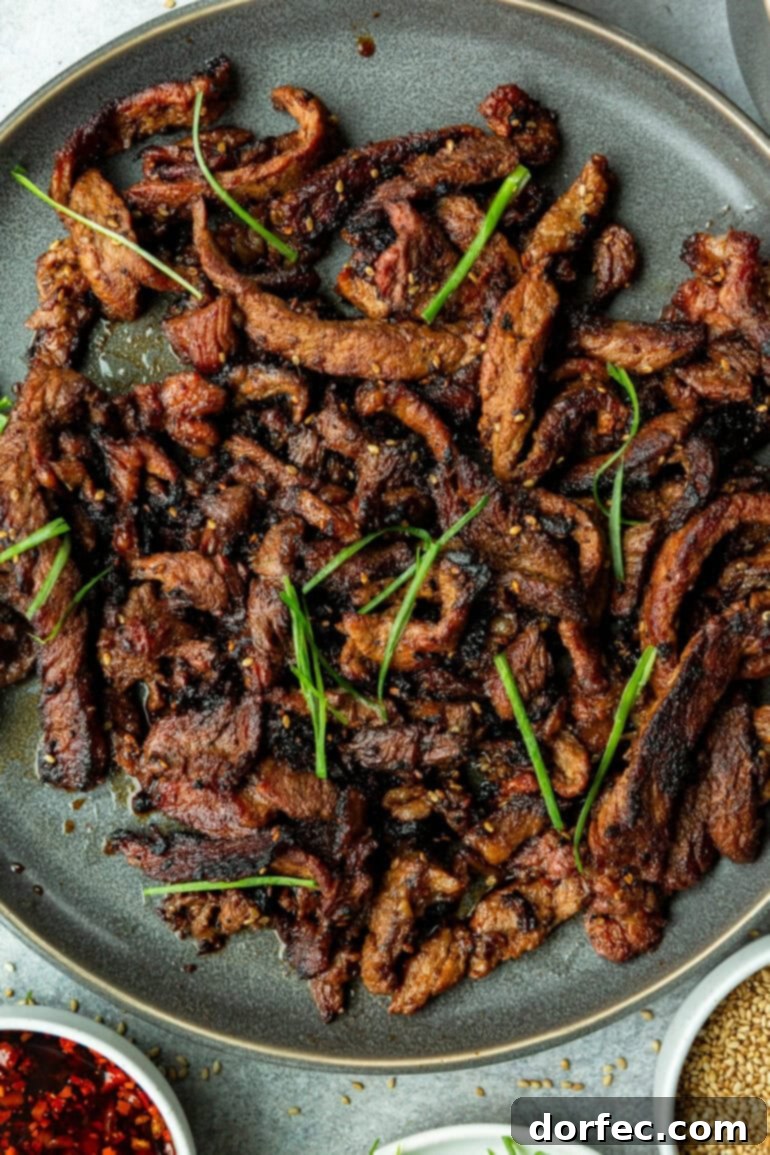
The term “Bulgogi” literally translates to “fire meat” in Korean. “Bul” signifies fire, and “gogi” means meat. This name hints at the traditional cooking method: grilling thinly sliced, marinated beef over an open flame. However, Bulgogi can also be cooked in a pan, making it accessible for home cooks without a grill. The key is the thin slices, which allow for quick cooking and maximum flavor absorption.
Essential Ingredients for Authentic Korean Beef Bulgogi
Creating exceptional Korean BBQ Beef Bulgogi requires a few key components: the right cut of beef, a meticulously crafted marinade, and the proper cooking technique. Let’s break down each element:
- High-Quality Beef (Ribeye or Top Sirloin): Choose a tender, well-marbled cut like boneless ribeye or top sirloin. The marbling ensures juiciness and allows the beef to soak up the marinade effectively. Other suitable options include tenderloin or skirt steak.
- Soy Sauce (The Foundation of Flavor): Soy sauce forms the savory base of the Bulgogi marinade. Use light soy sauce for the best results, adding a salty, umami-rich depth.
- Brown Sugar (Sweetness and Caramelization): Brown sugar balances the saltiness of the soy sauce, contributing a delightful sweetness and aiding in caramelization during cooking. This caramelization creates a beautiful color and enhances the overall flavor.
- Sesame Oil (Aromatic Korean Essence): A touch of sesame oil infuses the Bulgogi with a distinctive nutty aroma and an authentic Korean flavor that is simply irresistible.
- Garlic (The Pungent Kick): Garlic adds savory depth and that signature Korean BBQ punch that awakens the senses. Freshly minced garlic is always the best choice.
- Ginger Root (Warmth and Freshness): Freshly grated ginger root brings warmth and a balancing freshness to the marinade, harmonizing the sweet and salty notes.
- Mirin (Subtle Sweetness and Acidity): Mirin, a sweet rice wine, lends a touch of mild sweetness and acidity that rounds out the marinade, creating a complex flavor profile.
- Korean Red Pepper Flakes (Gochugaru) – (A Gentle Heat): For a hint of heat and a layer of smoky, complex flavor, incorporate Korean red pepper flakes (gochugaru). If you prefer a milder spice level, you can adjust the quantity. Alternatively, gochujang (Korean chili paste) can be used.
- Vegetable Oil (For High-Heat Cooking): A neutral vegetable oil is essential for high-heat cooking, preventing the beef from sticking to the pan and ensuring even browning.
- Sesame Seeds (Nutty Garnish): Toasted sesame seeds serve as a delightful garnish, providing a subtle nutty flavor, added texture, and visual appeal.
- Green Onions (Freshness and Brightness): Sliced green onions add a burst of freshness and brightness, effectively balancing the richness of the beef.
- Asian Pear (The Secret Tenderizer – Optional): This is the secret ingredient that will make the Bulgogi even more authentic. Asian pear acts as a natural tenderizer due to its enzymes, resulting in incredibly tender beef. It also adds a subtle fruity sweetness. If you can’t find Asian pear, a regular pear (like Bosc) can be used as a substitute, but it will change the flavor slightly. It’s okay to skip it as well if unavailable.
Choosing the Right Cut of Beef for Bulgogi: Tenderness is Key
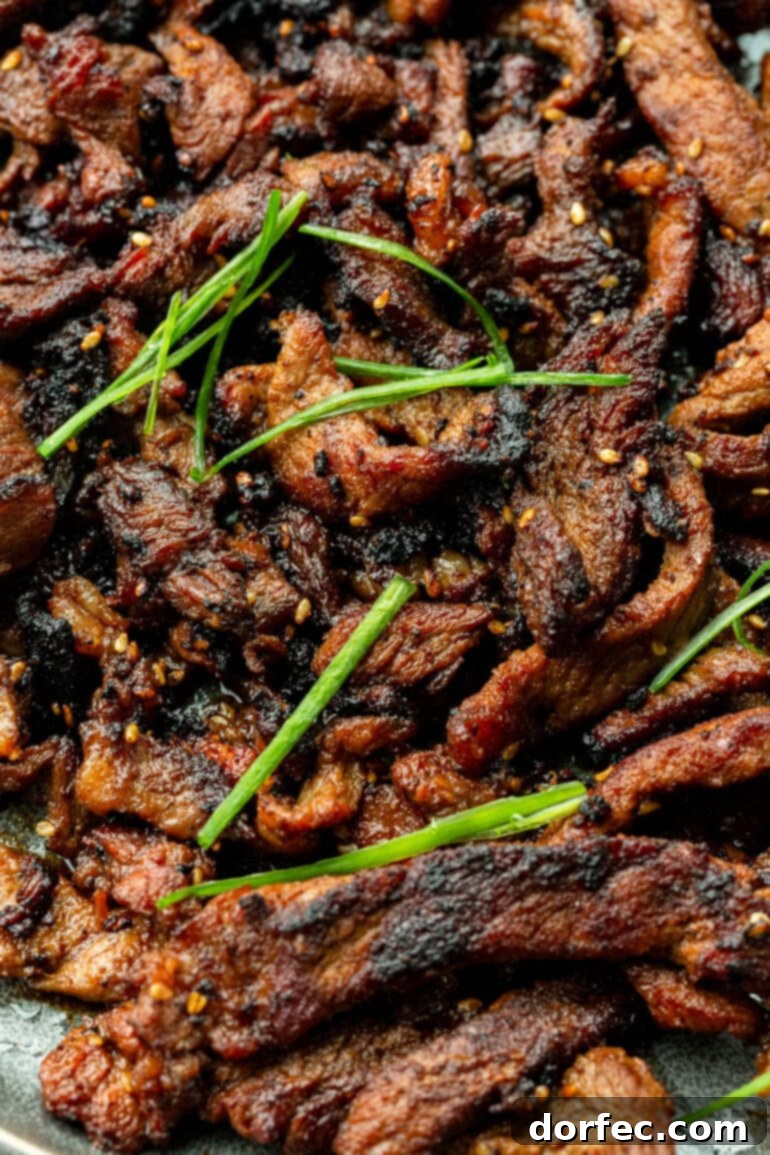
While ribeye boasts the most pronounced flavor and remains a top choice for many, other cuts can also be used effectively. Sirloin, tenderloin, and skirt steak are all excellent alternatives. The most critical aspect is to select tender, marbled beef. Avoid leaner cuts like brisket or flank steak, as they tend to become tough during cooking.
Mastering the Thin Slice: Preparing the Beef for Authentic Bulgogi
To achieve authentic Bulgogi, thin slicing is paramount. Here’s a technique to make the process easier:
- Partial Freezing: Wrap the beef tightly in plastic wrap and place it in the freezer for 20-30 minutes. This firms up the meat, making it much easier to slice thinly.
- Slicing Against the Grain: Once partially frozen, unwrap the beef and slice it thinly against the grain. Cutting against the grain shortens the muscle fibers, resulting in more tender bites. Aim for slices that are approximately 1/8 to 1/4 inch thick.
Step-by-Step Guide: How to Make Korean BBQ Beef Bulgogi
Here’s the complete process for creating mouthwatering Korean BBQ Beef Bulgogi in your own kitchen:
- Prepare the Beef: Wrap the steak in plastic wrap and place it in the freezer for 30 minutes. Unwrap the steak and slice across the grain in 1/4-inch thick slices. This will ensure tenderness and quick cooking.
- Make the Marinade: In a small bowl, combine the soy sauce, brown sugar, sesame oil, minced garlic, grated ginger, mirin, and Korean red pepper flakes (or gochujang). Whisk all the ingredients together until well combined.
- Blend with Pear: Pour into a blender and then add the pear and blend until smooth
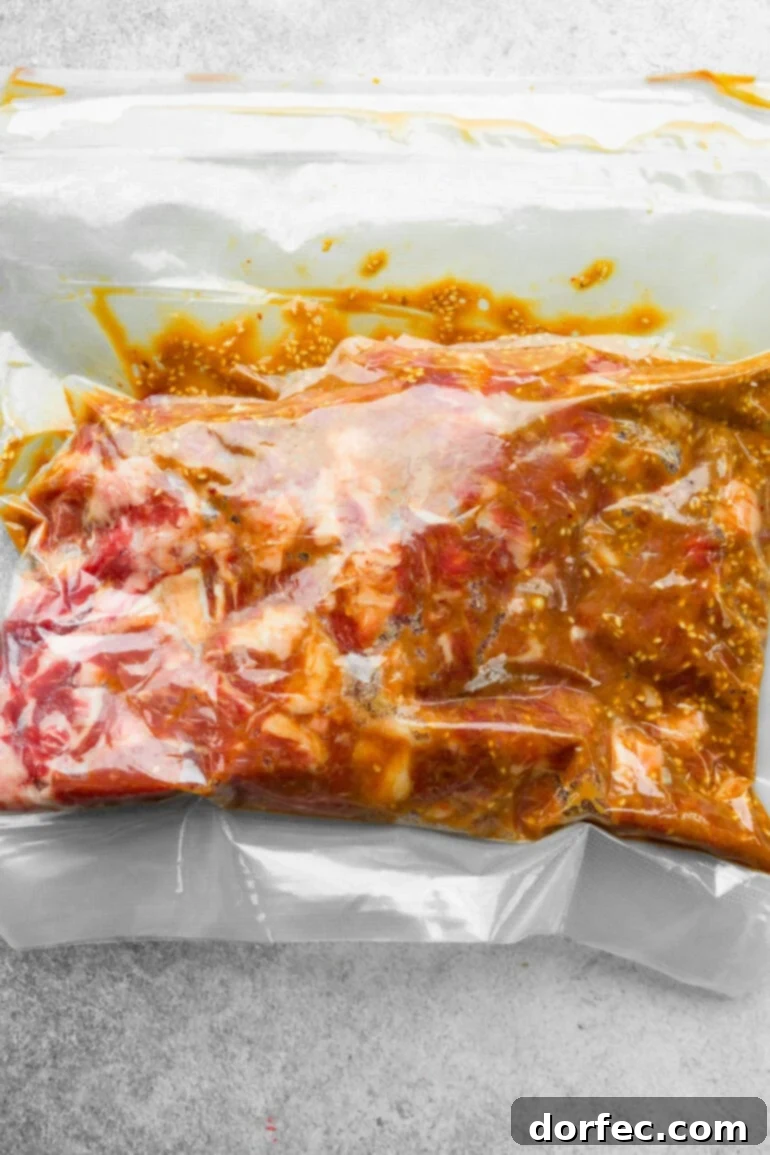
- Marinate the Steak: Place the sliced meat and the bulgogi marinade into a gallon-sized Ziploc bag. Seal the bag, removing as much air as possible. Marinate in the refrigerator for at least 2 hours, or preferably overnight, turning the bag occasionally to ensure even marination. The longer the marinating time, the more flavorful and tender the beef will become.
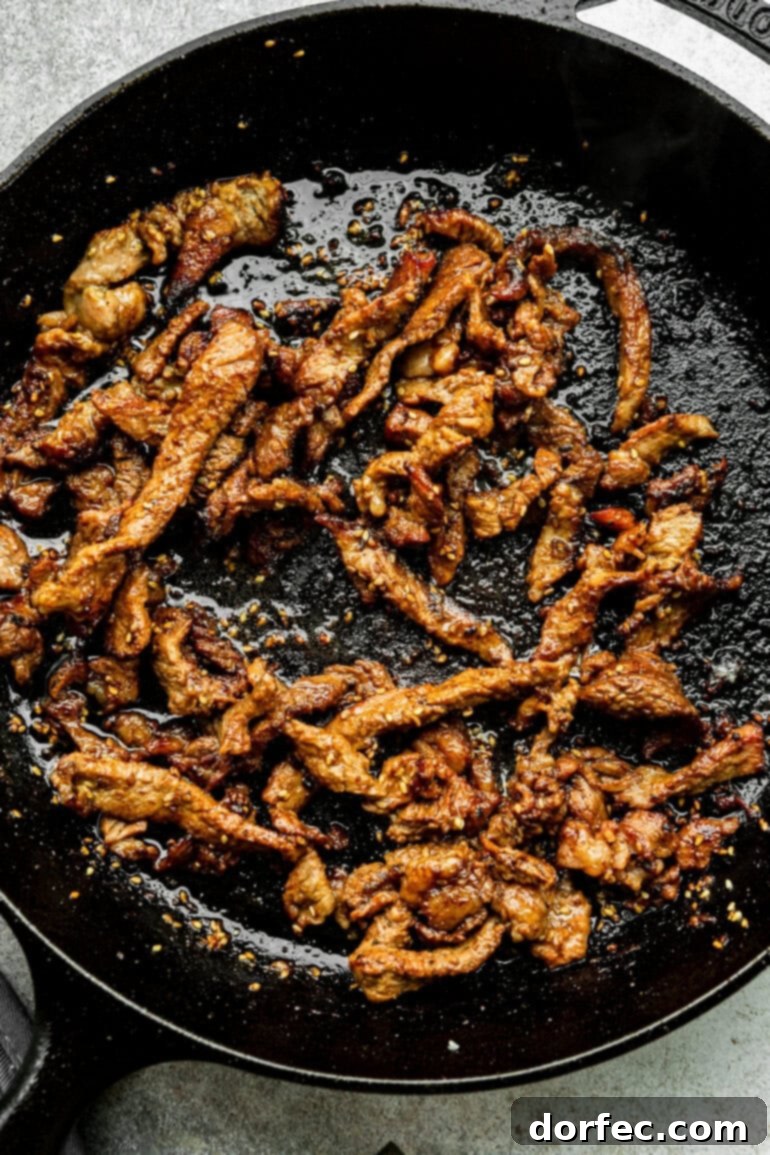
- Cook the Beef: Heat a small amount of vegetable oil (about 1 tablespoon) in a cast iron skillet or large frying pan over medium-high heat. Once the pan is hot, add the marinated steak in a single layer, being careful not to overcrowd the pan. Cook the steak in batches until browned and charred on each side, about 2-3 minutes per side. Remove the cooked beef to a plate and repeat with the remaining beef, adding more oil to the pan as needed.
- Combine and Thicken the Sauce: Return all of the cooked beef back to the pan. Pour any remaining marinade (or make more with 1/4 cup soy sauce, 2 Tbsp brown sugar, 1 Tbsp sesame oil, 1 clove minced garlic, 1 tsp grated ginger) into the pan. Stir continuously, scraping up any browned bits from the bottom of the pan. Continue cooking until the sauce thickens slightly and coats the beef.
- Serve and Garnish: Serve the Korean BBQ Beef Bulgogi immediately over cooked rice. Garnish generously with sesame seeds and sliced green onions for added flavor and visual appeal.
Serving Suggestions: Elevating Your Bulgogi Experience
Korean BBQ Beef Bulgogi is incredibly versatile and can be enjoyed in a variety of ways:
- Rice Bowls: Serve it over a bed of steaming white rice with a side of sautéed vegetables (such as spinach, bean sprouts, and carrots) for a classic and satisfying Korean meal.
- Lettuce Wraps: Enjoy it as lettuce wraps for a lighter, refreshing option. Simply spoon the Bulgogi into crisp lettuce leaves and top with your favorite condiments.
- Korean Tacos: Get creative and incorporate Bulgogi into Korean-style tacos, topped with kimchi slaw, sriracha mayo, and a sprinkle of sesame seeds.
Storing and Reheating Leftovers: Maintaining Quality and Flavor
Proper storage and reheating techniques are essential to preserve the quality and flavor of your leftover Bulgogi.
- Storing: Store leftover Bulgogi in an airtight container in the refrigerator for up to 4 to 5 days.
- Reheating: The best way to reheat Bulgogi is on the stovetop in a skillet over medium heat. Add a splash of water or broth to prevent it from drying out. Heat until warmed through, stirring occasionally.
- Freezing: Beef Bulgogi also freezes exceptionally well. For optimal results, use a vacuum sealer to remove air and prevent freezer burn. Alternatively, store it in a freezer-safe container. Frozen Bulgogi can be stored for up to 3 months. Allow it to thaw completely in the refrigerator before reheating.
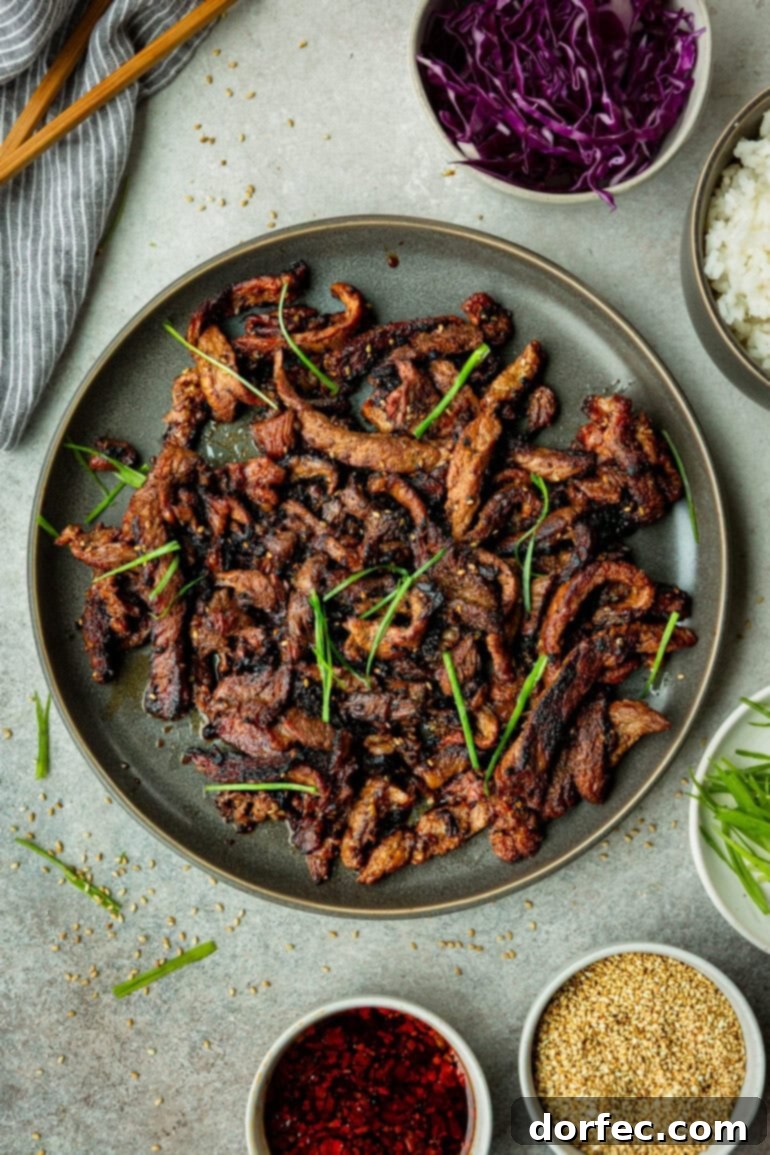
Korean Bulgogi Beef proves that simplicity can lead to unforgettable flavors. It’s quick enough for a busy weeknight, yet flavorful enough to impress guests at a special dinner. Whether you serve it in rice bowls, lettuce wraps, or tacos, this dish will bring everyone together around the table.
Explore More Delicious Beef Recipes: Expand Your Culinary Horizons
If you enjoyed this Korean BBQ Beef Bulgogi recipe, be sure to explore these other equally delicious beef dishes:
- Korean Ground Beef and Noodles
- Shredded Beef Tacos
- Classic Pot Roast
- Grilled Flank Steak
- Slow Cooker French Dip Sandwich