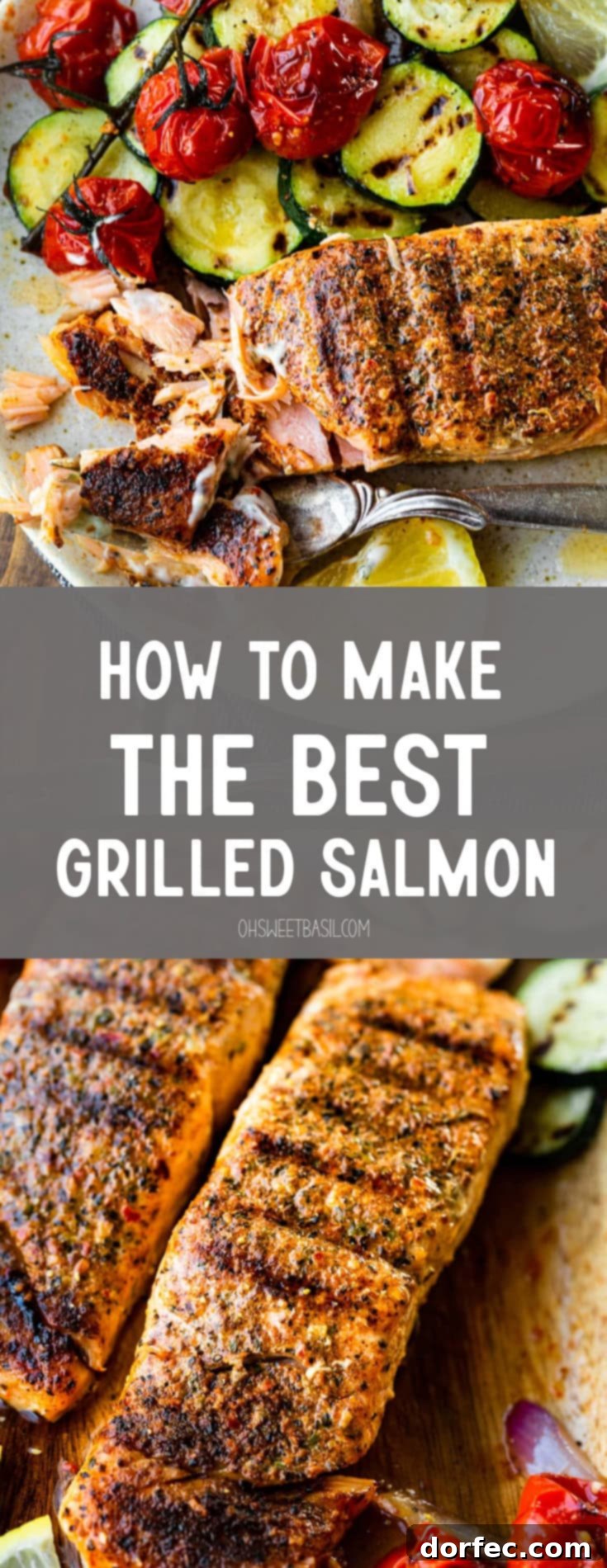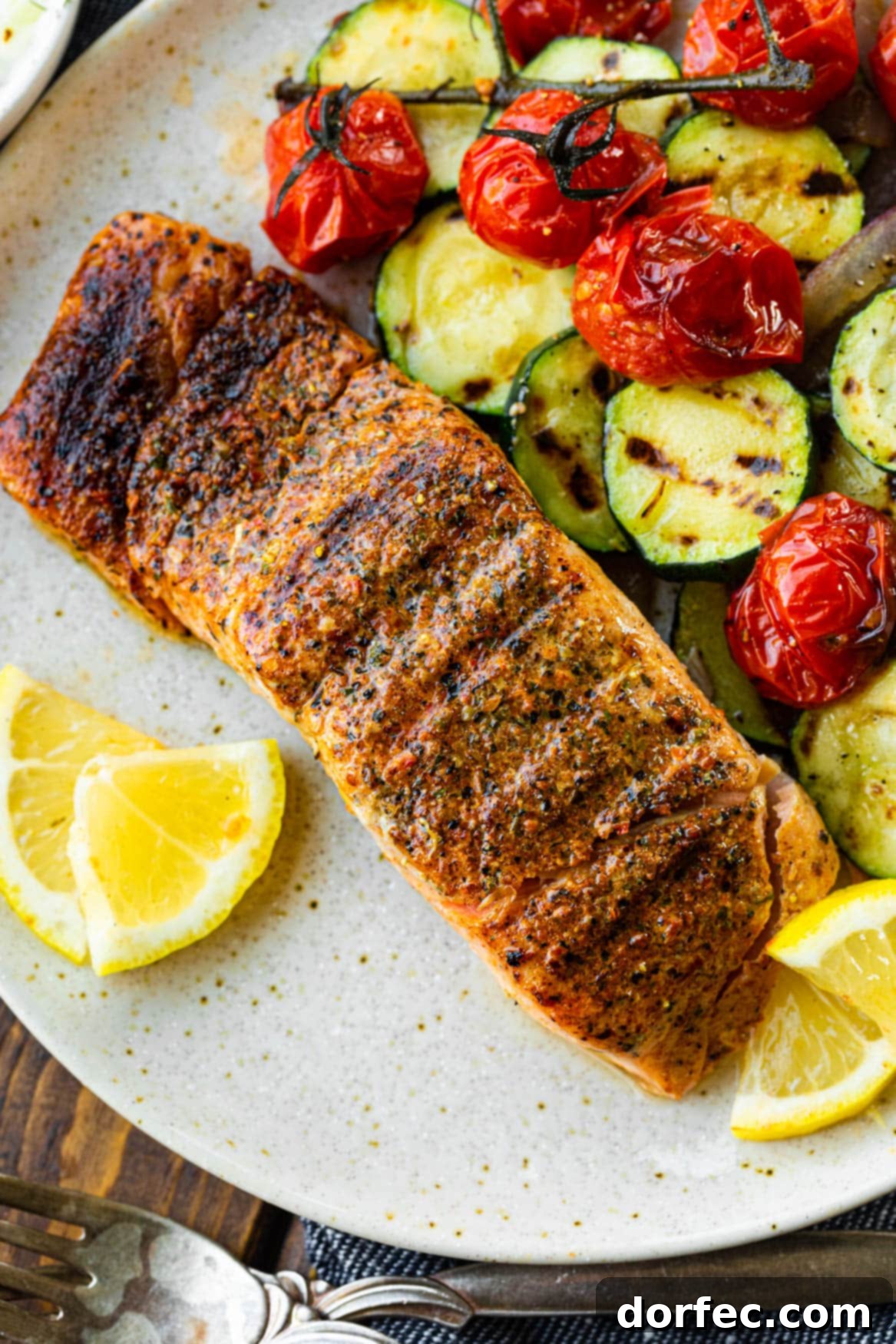
Perfect Grilled Salmon: A Flavorful Journey with Homemade Tartar Sauce
Embark on a culinary adventure with this incredibly delicious **grilled salmon recipe**, guaranteed to become a summer staple! Grilling salmon is not only one of the quickest and healthiest ways to prepare this magnificent fish, but it also locks in a smoky flavor that’s simply irresistible. This comprehensive guide provides you with a fantastic homemade seasoning rub and a creamy, tangy **homemade tartar sauce** that elevates every bite.
After a long winter, the craving for outdoor cooking becomes undeniable. Here in Utah, as the snow melts and the sun graces us with its warmth, my grill is the first thing I want to fire up. The start of **summer grilling season** means fresh flavors, quick meals, and memorable gatherings. And at the top of my list? This easy grilled salmon recipe, perfect for any occasion, from a weeknight dinner to a backyard barbecue.
Discovering the Delight of Salmon: A Culinary Transformation
For many, salmon is a beloved seafood, but for me, it was a journey of discovery. Growing up in the Pacific Northwest, salmon held immense cultural significance, deeply woven into the traditions and lore of Native American communities. I vividly recall learning about the “salmon people,” their sacred chants, songs, dances, and rich cultural heritage. Despite this profound connection, I confess, I absolutely *detested* salmon as a child. Its distinct flavor and texture were simply not to my liking, and that’s where my appreciation for it ended.
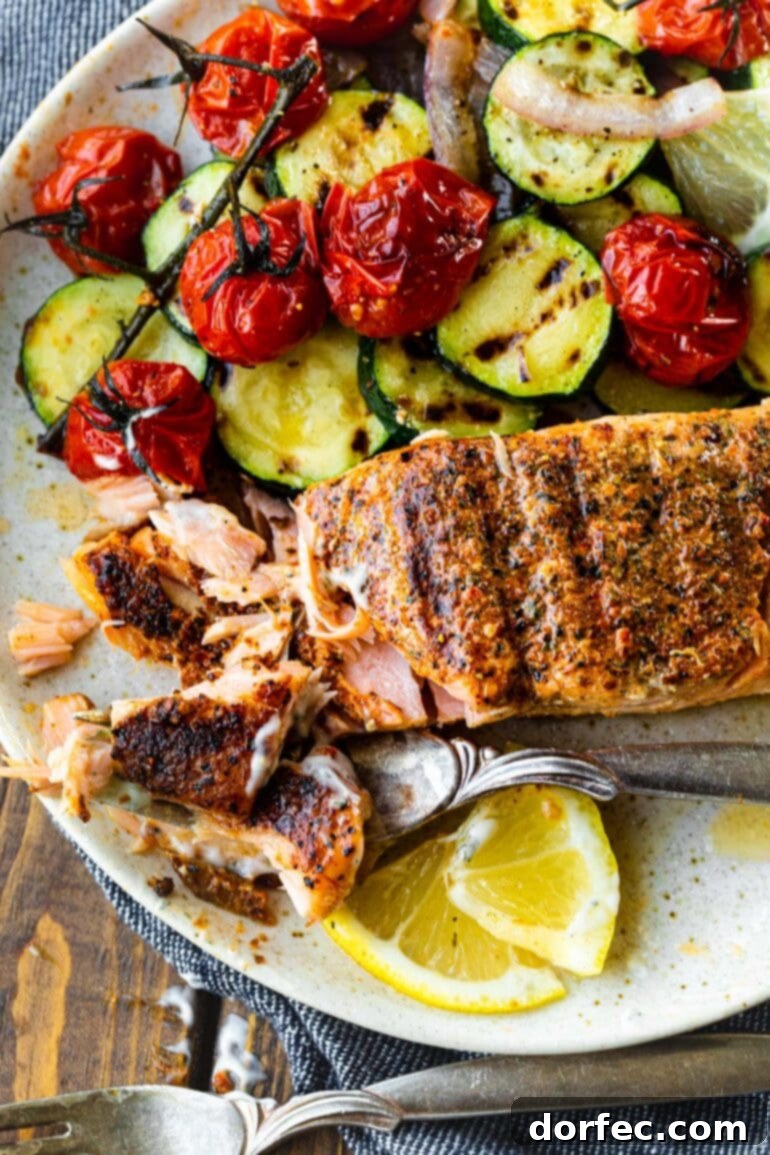
Today, my palate has matured, and I’m on a mission to savor every aspect of this incredible fish. One of the most transformative techniques I’ve learned for grilling salmon, especially for those who might be hesitant about its skin, is to cook it **skin-on**. This simple trick ensures the fillet remains incredibly moist and prevents it from sticking to the grill. Once cooked to perfection, the skin slides off effortlessly, leaving you with tender, flaky flesh. No more struggling with a knife!
I still wince remembering one of my first adult encounters with skin-on salmon. Unaware of the easy removal trick, I bravely (or foolishly) consumed the smallest piece, skin and all. Let’s just say it wasn’t my finest culinary moment! But armed with knowledge, preparing and enjoying grilled salmon has become a true pleasure, demonstrating just how much culinary tastes can evolve.
Essential Ingredients for Your Grilled Salmon Feast
To craft this exceptional **grilled salmon recipe**, we’ll prepare a vibrant, flavor-packed seasoning rub for your **salmon fillets** and a creamy, zesty **homemade tartar sauce**. Using fresh, high-quality ingredients is key to unlocking the full potential of this dish. Here’s a detailed overview of what you’ll need, with specific measurements provided in the recipe section below.
For the Salmon Fillets: The Perfect Seasoning Blend
The magic starts with our custom seasoning blend, designed to complement the natural richness of salmon. Each ingredient plays a crucial role in creating a balanced and aromatic crust:
- Salmon Fillets (skin-on, 6-8 ounces each): Skin-on fillets are highly recommended for grilling, acting as a natural barrier to prevent drying and sticking.
- Olive Oil: Essential for brushing the salmon, promoting even cooking, and helping the seasoning adhere.
- Kosher Salt: Provides fundamental seasoning and enhances all other flavors.
- Smoked Paprika: Adds a beautiful color and a depth of smoky, slightly sweet flavor.
- Chili Powder: Contributes a mild warmth and earthy notes without overpowering the salmon.
- Granulated Garlic (or Garlic Powder): Infuses a savory, aromatic foundation.
- Parsley Flakes: Offers a touch of herbaceous freshness and visual appeal.
- Ground Mustard: Delivers a subtle, pungent kick that brightens the overall flavor profile.
- Freshly Ground Black Pepper: Aromatic and adds a gentle spice.
- Lemon: Fresh lemon wedges are indispensable for serving, providing a burst of bright, acidic flavor that cuts through the richness of the salmon.
For the Homemade Tartar Sauce: A Zesty Companion
A truly great tartar sauce can transform your salmon experience. This homemade version is far superior to store-bought, with its fresh, vibrant flavors:
- Mayonnaise: The creamy base for our sauce.
- Dill Pickles (finely chopped): Provides a delightful crunch and tangy brine.
- Fresh Dill (chopped): Essential for that classic, bright, herbaceous dill flavor that pairs perfectly with fish.
- Fresh Lemon Juice: Adds a crucial acidic lift, balancing the richness of the mayonnaise.
- Sugar: A tiny pinch balances the acidity of the pickles and lemon, creating a harmonious sauce.
- Salt and Pepper: To taste, ensuring optimal seasoning.
This overview provides a glimpse into the wonderful ingredients awaiting you. For precise measurements and detailed instructions, simply refer to the comprehensive recipe guide below.
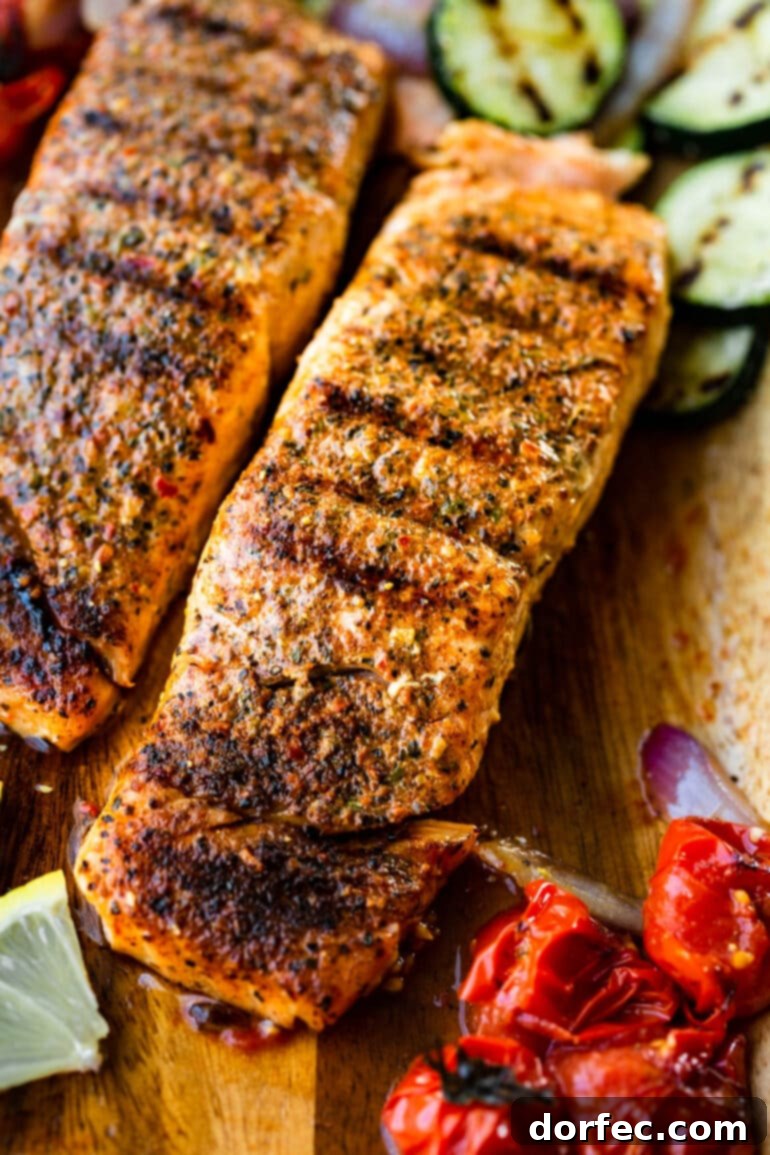
Mastering the Art of Grilling Salmon
Grilling salmon is surprisingly simple, allowing the natural flavors of the fish to shine through with minimal effort. The beauty of this method lies in its efficiency: a quick prep, and then your grill takes over. Follow these straightforward steps to achieve perfectly grilled salmon every time:
- Preheat Your Grill to High Heat: Aim for a temperature range of 450°F-550°F. High heat is crucial for searing the salmon quickly, creating a beautiful crust, and preventing sticking. Allow your grill to preheat for at least 10-15 minutes to reach the desired temperature.
- Clean and Oil the Grill Grates: While the grill heats, brush the cooking grates thoroughly to remove any residue from previous grilling. Then, using a paper towel dipped in vegetable or olive oil, carefully wipe down the hot grates. This step is vital for ensuring your salmon doesn’t stick. Close the lid to let the grates get super hot again.
- Prepare the Seasoning Rub and Salmon: In a small bowl, combine all the dry ingredients for your seasoning mixture (kosher salt, smoked paprika, chili powder, granulated garlic, parsley flakes, ground mustard, black pepper). Next, generously brush both sides of your salmon fillets with olive oil. This not only helps the seasoning adhere but also aids in preventing sticking and promoting even cooking. Sprinkle the seasoning mix evenly over the flesh side of the fillets, gently pressing it in.
- Grill Skin-Side Down First: Place the seasoned salmon fillets, **skin-side down**, directly over the high heat on the grill. Close the lid immediately to trap the heat and smoke. Cook for approximately 6-8 minutes. The skin acts as a protective layer, allowing the flesh to cook gently while forming a delicious, crispy exterior.
- Flip and Finish: Once the edges of the salmon begin to flake and the skin releases easily from the grates, gently flip each fillet. Close the lid and continue to cook for another 2-5 minutes, or until the internal temperature reaches your desired doneness (around 130-135°F for medium, as it will continue to cook as it rests).
- Rest and Serve: Carefully transfer the cooked salmon fillets to a clean platter and let them rest for 1-2 minutes. This resting period allows the juices to redistribute, ensuring a more tender and flavorful result. Gently slide a spatula between the cooked flesh and the crispy skin to remove the skin if desired. Serve immediately with fresh lemon wedges and a generous dollop of your homemade tartar sauce.
- Prepare the Tartar Sauce: While the salmon is grilling or resting, simply whisk together all the ingredients for the tartar sauce in a small bowl. This sauce can be made up to a day in advance and stored in the refrigerator for convenience.
These detailed instructions will guide you through each step, ensuring a successful and delicious grilled salmon experience.
Achieving Perfect Doneness: How Long to Cook Grilled Salmon
One of the most common questions when grilling salmon is about cooking time, and the good news is that salmon cooks incredibly fast! For individual salmon fillet portions (6-8 ounces and about 1-inch thick), you’ll typically need around **10 minutes total cooking time** on a hot grill. This can vary slightly based on the thickness of your fillets and the exact temperature of your grill.
If you’re grilling a larger, whole salmon fillet (such as a side of salmon), it will naturally take a little longer, but generally not by much more than an additional 5-7 minutes. The key is to avoid overcooking, which can lead to dry, less flavorful fish. Salmon is best when it’s just cooked through, remaining moist and tender.
To accurately gauge doneness, especially for larger pieces, using a reliable meat thermometer is highly recommended. Insert the thermometer into the thickest part of the fillet. As per USDA guidelines, salmon is safe to eat when it reaches an internal temperature of 145°F (63°C). However, for the most succulent results, many chefs recommend removing salmon from the grill when it reaches **130-135°F (54-57°C)**. The fish will continue to cook a few degrees as it rests off the heat, bringing it to the perfect, flaky texture without drying out. Look for the flesh to turn opaque throughout and easily flake with a fork.
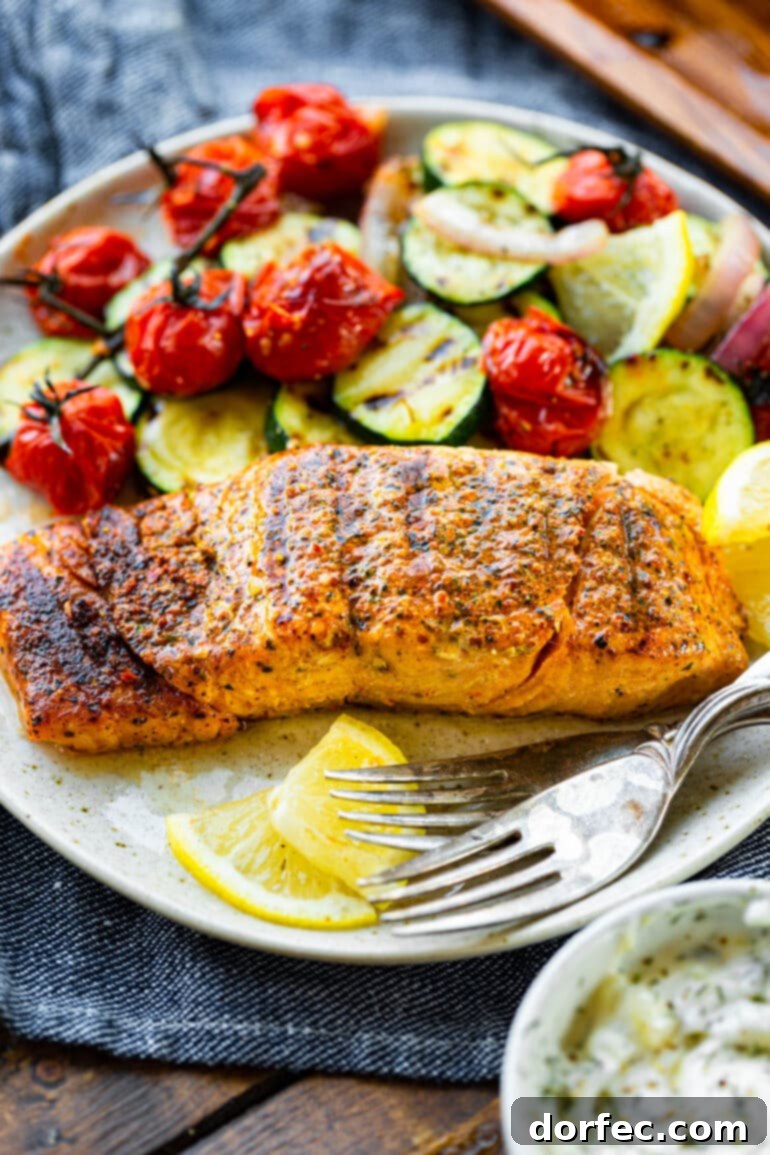
Expert Tips for Grilling the Best Salmon
Achieving perfectly grilled salmon is an art, but one that’s easily mastered with a few key techniques. Follow these expert tips to ensure your salmon turns out incredibly flavorful, moist, and wonderfully crisp every time:
- Always Opt for Skin-On Fillets: This is arguably the most crucial tip for grilling. The skin acts as a natural protective barrier between the delicate salmon flesh and the intense heat of the grill. It prevents the fish from drying out and helps it stay intact, making it much easier to flip and handle without crumbling. Once cooked, the skin easily peels away, or it can be enjoyed for its crispy texture.
- Season the Flesh Generously: The flavor is in the rub! Don’t be shy with your seasoning on the flesh side of the fillet. A good coating ensures a flavorful crust and permeates the fish. Complement this with a squeeze of fresh lemon juice just before serving; the acidity brightens the rich flavors of the salmon beautifully.
- Ensure Your Grill Grates Are Pristine and Piping Hot: A clean, hot grill is your best defense against sticking. Make sure to scrub the grates thoroughly before preheating. Once hot, oil them generously with a paper towel soaked in high-smoke-point oil (like vegetable or grapeseed oil). This creates a non-stick surface and allows for those desirable char marks.
- Flip Only Once: Patience is a virtue when grilling salmon. Place the salmon skin-side down and let it cook undisturbed for the majority of the cooking time. Resist the urge to peek or move it. When the skin naturally releases from the grates (it will unstick itself when ready), then it’s time to gently flip it once to finish cooking on the other side. Over-flipping can lead to breakage.
- Do Not Overcook the Salmon: This is a common pitfall. Salmon is best when cooked to medium, retaining its moisture and flaky texture. Use a meat thermometer and aim to remove it from the grill when it reaches 130-135°F (54-57°C), allowing it to rest and carry overcook to a perfect 140-145°F (60-63°C).
- Consider Plank Grilling for Extra Flavor: For an additional layer of smoky flavor and an even more tender cook, try grilling your salmon on a pre-soaked cedar plank. This technique infuses the fish with a wonderful aroma and gentle heat, preventing direct contact with the grates.
- Allow for a Short Rest: Just like steaks, salmon benefits from resting. After removing it from the grill, let it sit on a cutting board or platter for 1-2 minutes. This allows the internal juices to redistribute, ensuring every bite is moist and tender.
Understanding Salmon Doneness: Safe Internal Temperature
Knowing the correct internal temperature for salmon is essential for both food safety and achieving the perfect texture. According to the USDA, salmon is safely cooked when it reaches an internal temperature of **145°F (63°C)**. At this temperature, the fish will be opaque throughout and flake easily with a fork.
However, for optimal moisture and a more tender, succulent result, many culinary experts recommend pulling salmon from the grill slightly before it reaches the full 145°F. Aim to remove your grilled salmon when its internal temperature reads between **130-135°F (54-57°C)**. This is because salmon, like other proteins, continues to cook for a few minutes after being removed from the heat – a process known as “carryover cooking.” During this brief resting period, the internal temperature will rise to the desired 140-145°F, ensuring it’s safe to eat while remaining incredibly moist and flavorful.
A reliable meat thermometer is your best friend in the kitchen for precisely checking the internal temperature of your fillets. Insert it into the thickest part of the salmon, ensuring it doesn’t touch the bone if present.
Choosing the Best Salmon for Grilling: A Guide
Venturing into the world of salmon can be a bit overwhelming, especially with the variety of choices available – wild-caught versus farmed, skin-on versus skin-off, and numerous species like Atlantic, Coho, King, and Sockeye. Making the right choice can significantly impact your grilling experience and the final taste of your dish.
For grilling, my personal preference leans towards **farm-raised salmon**. This is primarily because farm-raised varieties tend to have a higher fat content compared to their wild-caught counterparts. This extra fat acts as a buffer against the high heat of the grill, helping the salmon stay moist and tender, and making it more forgiving if you’re slightly off with your cooking time. The fat also contributes to a richer flavor and a more succulent texture.
Regardless of whether you choose wild or farmed, it is absolutely essential to buy **salmon with the skin on** for grilling. As mentioned earlier, the skin serves as a crucial protective layer, preventing the delicate flesh from sticking to the grates and drying out. It also helps hold the fillet together during the high-heat cooking process.
When it comes to specific types of salmon, **Atlantic salmon** is a widely available and excellent choice for grilling. It’s known for its mild flavor, vibrant orange-pink color, and medium-firm texture, making it versatile for various seasonings. **Sockeye salmon** is another fantastic option, prized for its deep red color, firm texture, and robust flavor. While typically leaner than Atlantic salmon, its distinct taste holds up well to grilling. Other varieties like King (Chinook) offer a very rich, buttery flavor and high fat content, making them a luxurious grilling option, while Coho (Silver) provides a milder flavor and firm texture.
Ultimately, the “best” salmon often comes down to personal taste and availability. However, for a consistently excellent grilled result, prioritize skin-on fillets and consider fattier varieties like Atlantic for a more forgiving and delicious experience.
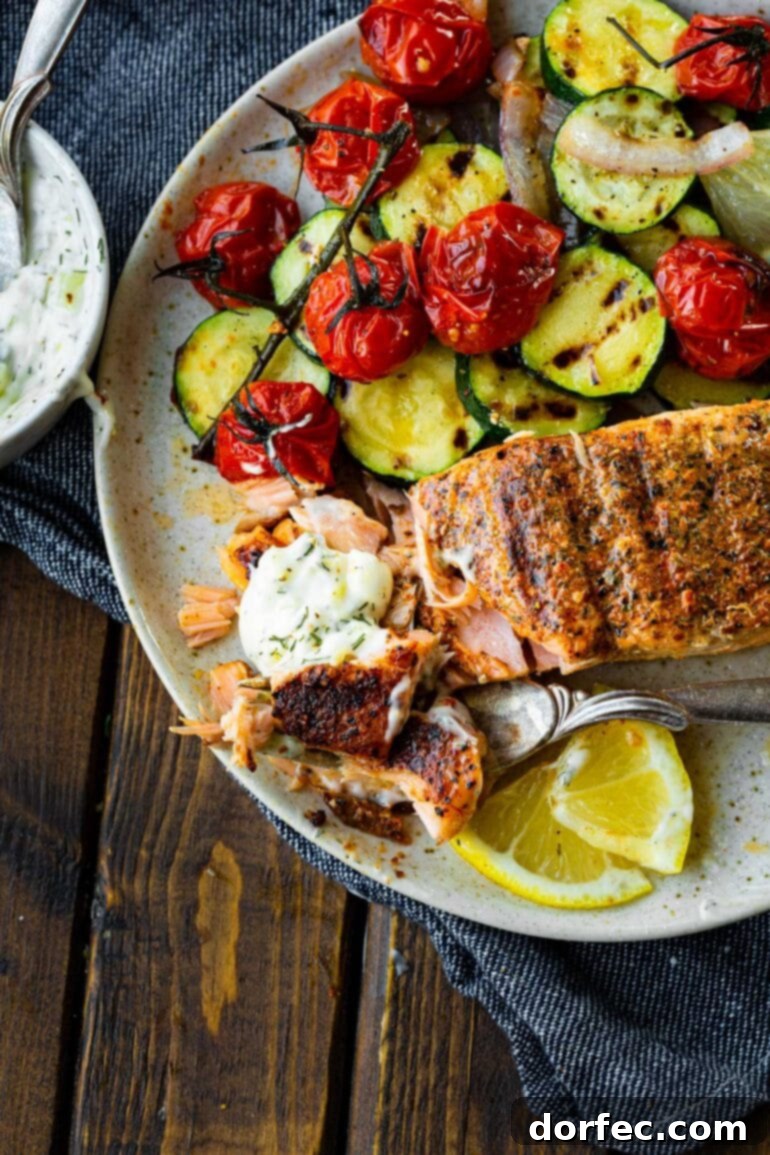
Perfect Pairings: What to Serve with Grilled Salmon
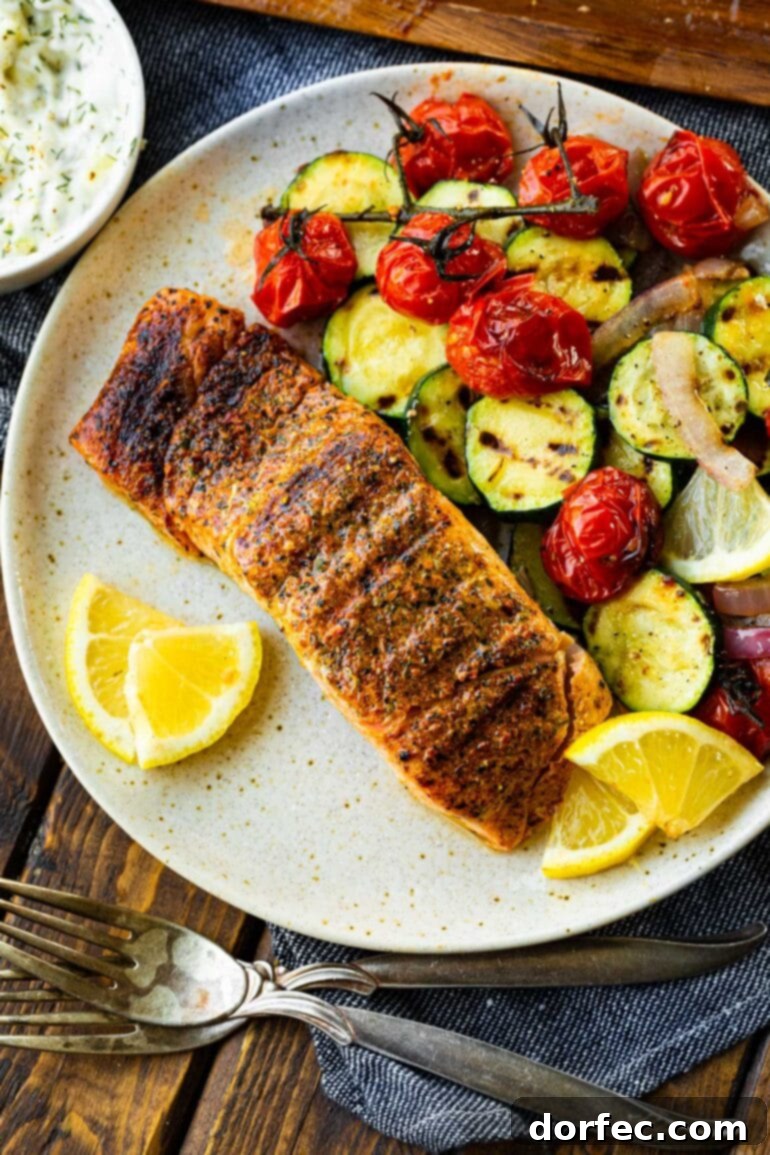
Grilled salmon is a versatile main course that pairs beautifully with an array of side dishes, making it easy to create a complete and satisfying meal. Its rich, flaky texture and savory flavor complement everything from fresh salads to hearty grains. Here are some of our favorite recommendations to serve alongside your perfect grilled salmon:
Grilled Vegetables: Keeping with the grilling theme, vegetables cooked on the same heat source create a harmonious and flavorful meal. Some fantastic options include:
- Grilled vegetables with balsamic vinaigrette: A medley of bell peppers, zucchini, onions, and mushrooms tossed in a tangy dressing.
- Grilled lemon pepper asparagus: Simple, elegant, and the bright flavors enhance the salmon.
- Corn on the cob: Sweet and smoky, grilled corn is a classic summer side.
- Broccolini or green beans: Quickly grilled with a drizzle of olive oil and a pinch of salt.
Fresh and Light Salads: A crisp, bright salad offers a refreshing contrast to the richness of salmon, especially on a warm day:
- Tomato cucumber salad: A simple, hydrating salad bursting with garden-fresh flavors.
- Strawberry feta spinach salad with poppy seed dressing: A delightful blend of sweet and savory with a refreshing crunch.
- Mixed green salad: With a light vinaigrette, offering a peppery or herbaceous counterpoint.
Hearty Grains and Starches: For a more substantial meal, consider these comforting sides:
- Quinoa or couscous salad: Light yet filling, often mixed with herbs and vegetables.
- Roasted potatoes or sweet potato fries: A satisfying starch that pairs well with grilled flavors.
- Lemon herb rice: A fragrant and zesty rice pilaf.
Artisan Breads: And of course, no meal is truly complete without a delicious bread to soak up any juices or sauce. I’m always eager for:
- Crusty artisan bread: Perfect for dipping into any leftover tartar sauce.
- A warm loaf of homemade French bread: Soft on the inside, crusty on the outside.
- Garlic bread: A flavorful classic that complements almost any protein.
With these diverse options, you can easily tailor your grilled salmon meal to suit any taste or occasion.
Beyond the Grill: Other Delicious Ways to Cook Salmon
While this grilled salmon recipe offers an unbeatable combination of flavor and ease, there are countless other fantastic ways to prepare salmon if you’re looking to switch things up or prefer an oven-baked approach. Salmon is incredibly versatile, adapting well to a variety of cooking methods and flavor profiles. Here are some of our other favorite salmon recipes, primarily baked, that offer different culinary experiences:
- Sweet and Spicy Orange Salmon: A vibrant dish featuring a glaze that’s both zesty and a little fiery.
- Maple Bacon Mustard Salmon: A savory-sweet combination with the irresistible crunch of bacon.
- Teriyaki Salmon Rice Bowls: A quick and healthy option perfect for meal prep, served over fluffy rice.
- Easy Garlic Butter Salmon: A classic and comforting preparation that highlights the rich flavor of salmon with aromatic garlic and butter.
- Apricot Lemon Salmon: A bright and fruity recipe offering a delicate balance of sweet apricots and tart lemon.
Each of these recipes brings a unique set of flavors and textures to the table, proving that salmon is truly a culinary chameleon capable of endless delicious transformations.
To Skin or Not to Skin? Cooking Salmon with Skin On vs. Off
When preparing salmon, one of the most common questions is whether to cook it with the skin on or remove it beforehand. My strong recommendation, especially for grilling, is to **always cook salmon with the skin on**. This preference is backed by several practical and culinary benefits that significantly improve the final dish.
Firstly, the salmon skin acts as a natural **protective barrier** between the delicate flesh and the cooking surface, particularly on a hot grill. This barrier shields the fish from direct, intense heat, preventing it from drying out and ensuring it remains incredibly moist and tender. Without the skin, the exposed flesh is more prone to overcooking and becoming dry.
Secondly, the skin helps to **hold the fillet together**. Salmon can be delicate, and the skin provides structural integrity, making it much easier to handle, flip, and transfer without the risk of it flaking apart or sticking to the grill grates. This is especially true when grilling, where the high heat can make exposed flesh prone to crumbling.
Lastly, cooking with the skin on can contribute to a **crispy, flavorful texture**. When grilled skin-side down, the skin renders its fat, becoming wonderfully crisp and golden brown. Many people enjoy eating the crispy skin for its texture and added flavor. If you prefer not to eat the skin, it’s incredibly easy to remove once the salmon is cooked. Simply slide a spatula between the cooked flesh and the skin, and it will effortlessly peel away, leaving you with a perfectly cooked, skinless fillet.
In summary, leaving the skin on is a simple technique that yields superior results in terms of moisture, handling, and potential crispiness. It’s a win-win for both ease of cooking and flavor.
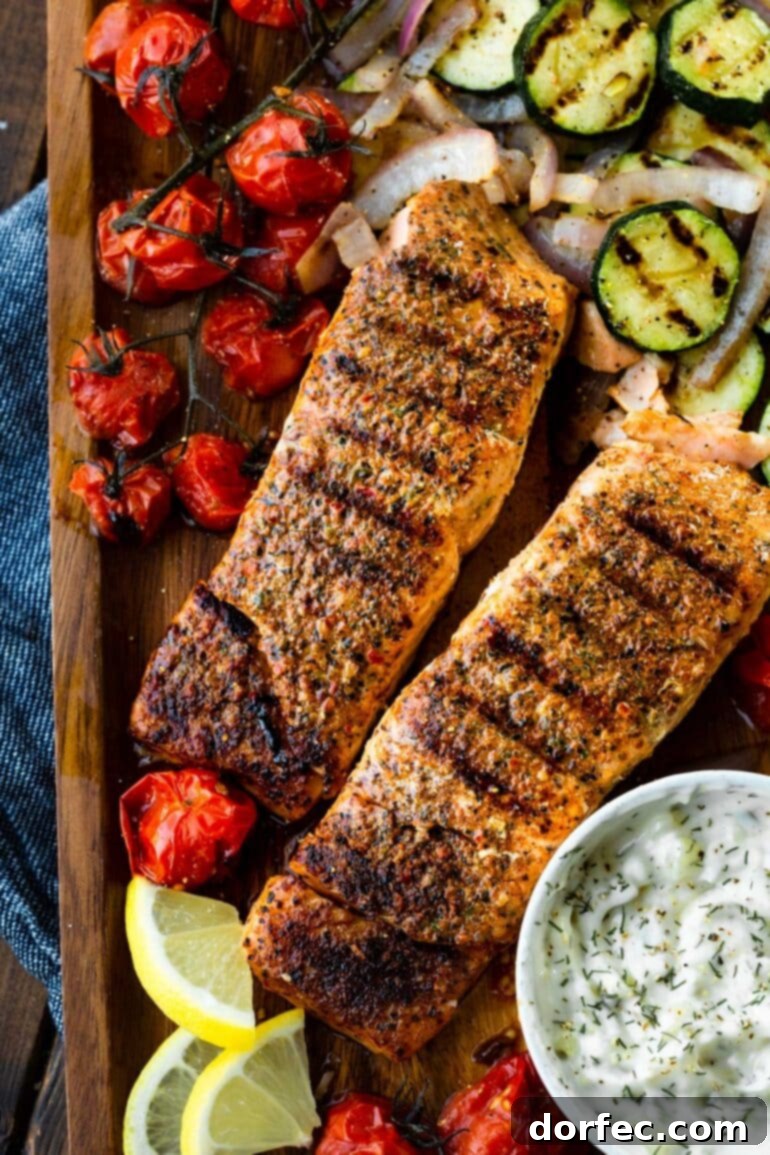
Grilling Salmon: Which Side Goes Down First?
When it comes to grilling salmon, the order in which you place the fillet on the grates is crucial for achieving optimal results. The universally recommended method is to grill salmon with the **skin side down first**, and for the majority of the cooking time.
There are several compelling reasons for this technique:
- Protection for the Delicate Flesh: As discussed, the skin acts as a natural shield. Starting skin-side down protects the delicate, protein-rich flesh from the intense direct heat of the grill. This prevents it from drying out, overcooking, and scorching.
- Non-Stick Surface: When the skin cooks, its natural oils render, creating a self-lubricating, non-stick surface. This allows the salmon to release cleanly from the grates when it’s ready to be flipped, minimizing the risk of the fish tearing or crumbling.
- Crispy Skin Development: Cooking the skin for an extended period allows it to become wonderfully crisp and golden brown, adding a desirable texture and flavor to the dish.
- Even Cooking: The skin side typically faces the heat for about 6-8 minutes, allowing the fish to cook almost entirely through from the bottom up. We then flip it just once, for a shorter duration (typically 2-5 minutes), primarily to finish the cooking, achieve some nice grill marks on the top, and ensure even heat distribution.
This single-flip method, starting skin-side down, is the secret to a perfectly cooked, moist, and easily handled grilled salmon fillet.
To Foil or Not to Foil: The Great Grilled Salmon Debate
The question of whether to grill salmon directly on the grates or wrapped in foil is a common one, and the answer largely depends on your desired outcome. While salmon can certainly be cooked on the grill in foil, doing so fundamentally changes the cooking method and the characteristics of the finished dish.
Grilling salmon in foil effectively creates a **steaming environment**. The foil traps all the moisture around the fillets, cooking the fish gently through steam. This method results in incredibly moist and tender salmon, which can be lovely for certain preparations, especially if you’re adding vegetables or liquids to the foil packet. It also makes for easy cleanup and minimizes sticking.
However, the primary purpose and appeal of grilling is to achieve those distinct, smoky flavors, beautiful char marks, and a crispy exterior. When salmon is cooked in foil, these signature grilling characteristics are largely absent. You won’t get the same smoky flavor infusion from the direct contact with the grates, nor will you develop that desirable crispy skin or lightly charred crust on the flesh. In essence, grilling in foil sacrifices the unique qualities that make grilled salmon so appealing.
If you’re aiming for a classic **grilled salmon** with a smoky depth, a slightly crispy skin, and distinct grill marks, then **grilling directly on the grates** (following our tips for non-stick cooking) is the way to go. If your priority is maximum moisture retention, minimal cleanup, or cooking with added ingredients in a packet, then foil can be a suitable option, but be aware that you’ll be missing out on some of the true grilling experience.
Preventing the Dreaded Stick: Keeping Fish from Crumbling on the Grill
One of the most common fears when grilling fish, especially delicate fillets like salmon, is the dreaded scenario of it sticking to the grates and crumbling apart when you try to flip it. This can be incredibly frustrating, but with a few simple techniques, you can confidently grill fish without any sticking issues. Here are my top tips:
- Start with a Spotlessly Clean Grill: This is paramount. Any leftover food particles or carbonized residue from previous cooks will act as sticking points for your fish. Before you even think about placing salmon on the grill, ensure the grates are thoroughly scrubbed clean. A sturdy grill brush used while the grill is hot works wonders.
- Oil the Hot Grates Generously: Once your grill is preheated to its target high temperature, and the grates are clean, it’s time to oil them. Dip a folded paper towel in a high-smoke-point oil (like vegetable, canola, or grapeseed oil) and, using tongs, carefully rub the oiled towel all over the hot grates. This creates a fresh, non-stick surface, acting as a crucial barrier between the fish and the metal. Repeat this step if necessary, ensuring an even coat.
- Ensure Your Fish is Oiled: Before seasoning, brush your salmon fillets with olive oil (as per our recipe). This not only helps the seasoning adhere but also adds another layer of non-stick protection, working in conjunction with the oiled grates.
- Patience is Key: Wait for Natural Release: This is perhaps the most counterintuitive yet effective tip. When salmon is properly cooked, it will naturally release from the grill grates. If you try to flip it and it’s stuck, it means it’s not ready. Resist the urge to force it. Give it another minute or two, let it continue to cook, and then try again. You’ll find that once the fish has developed a good sear and a crust, it will effortlessly lift off the grates, intact and beautiful.
- Don’t Overcrowd the Grill: Give your salmon fillets enough space on the grates. Overcrowding can lower the grill temperature, leading to uneven cooking and increasing the likelihood of sticking because the fish isn’t searing quickly enough.
By following these steps, you can eliminate the fear of sticky fish and enjoy beautifully grilled salmon every time.
Proper Storage and Reheating for Grilled Salmon
Ensuring your delicious grilled salmon is stored and reheated correctly is key to enjoying it beyond the first meal. With proper care, leftover salmon can be just as delightful as when it was first cooked.
Storage:
Grilled salmon **stores** wonderfully in the refrigerator for up to 3-4 days. To maintain its freshness and prevent it from drying out, allow the salmon to cool completely to room temperature before storing. Once cooled, transfer it to an airtight container. This keeps out air, which can lead to oxidation and loss of flavor, and also prevents the salmon’s aroma from permeating other foods in your fridge.
Reheating:
You might be tempted to **reheat** salmon in the microwave for convenience, but the high, uneven heat of a microwave is often the enemy of delicate fish. It tends to quickly dry out salmon and can even give it a rubbery texture, completely destroying its tender qualities. For the best reheating results that preserve moisture and flavor, the oven is your ideal choice:
- Use the Oven: Preheat your oven to a low temperature, around 300°F (150°C).
- Prepare for Reheating: Place the leftover salmon fillets in a baking dish. To help retain moisture, add a tablespoon or two of water, broth, or even a squeeze of lemon juice to the bottom of the dish.
- Cover Loosely: Cover the baking dish loosely with aluminum foil. This traps steam and prevents the salmon from drying out while it gently reheats.
- Heat Slowly: Bake for approximately 10-15 minutes, or until the salmon is warmed through. The exact time will depend on the thickness of your fillets. Avoid reheating until sizzling hot; gently warmed is sufficient.
Following these steps will ensure your leftover grilled salmon remains moist, tender, and delicious, ready for another enjoyable meal.
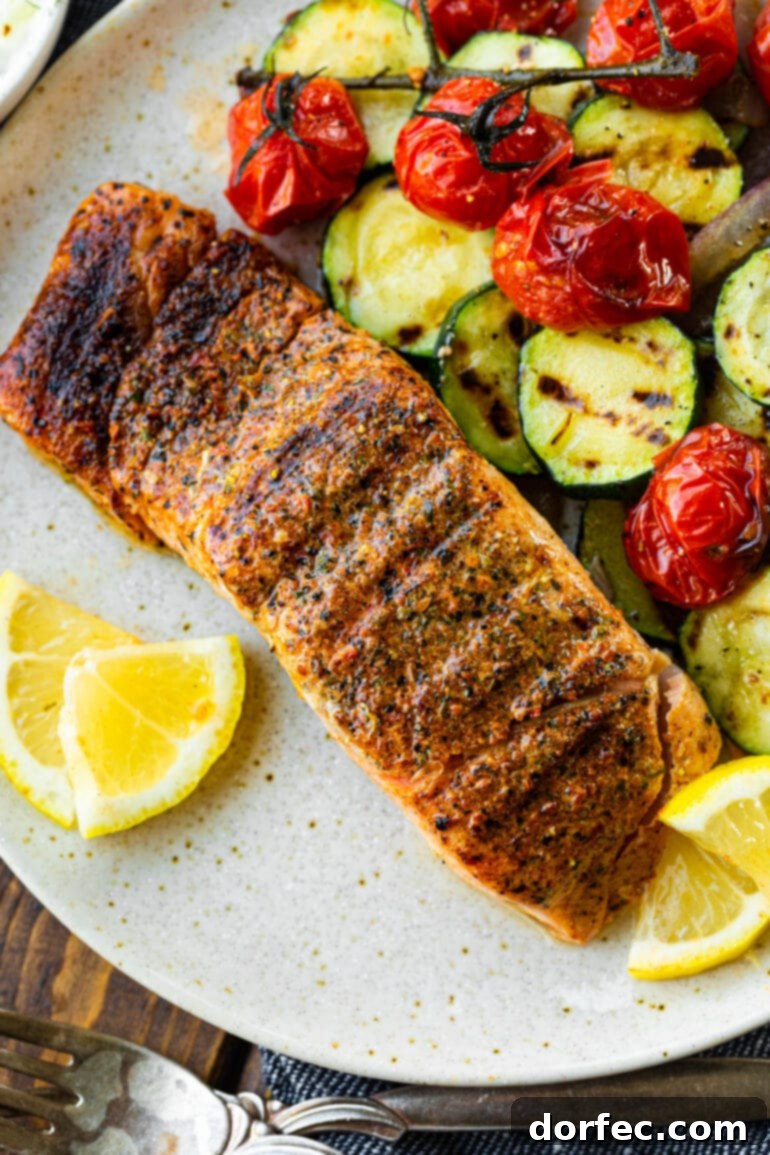
Why settle for mundane meals when you can have a culinary masterpiece in minutes? This season, skip the usual burgers and chicken, and let’s fire up the grill for some exquisite salmon! This **grilled salmon** is seasoned to perfection, offering a tender, flaky interior with a delightful smoky crust. Paired with our creamy, zesty homemade tartar sauce, it delivers that extra punch of flavor you crave. It’s not only incredibly healthy and easy to prepare, but dinner can be on your table in **less than 20 minutes**!
More Sizzling Summer Grilling Recipes to Enjoy
If you’ve loved this grilled salmon and are eager to explore more delicious possibilities on the barbecue, you’re in luck! Summer grilling is all about variety and flavor. Here are some other fantastic recipes to keep your grill hot and your taste buds happy throughout the season:
- Best Grilled Chicken Marinade: Transform your chicken with this simple yet incredibly flavorful marinade.
- Grilled Flank Steak: A versatile cut that’s perfect for marinating and grilling to juicy perfection.
- Grilled BBQ Baby Back Ribs: Fall-off-the-bone tender ribs with a smoky, sweet, and tangy BBQ glaze.
- Huli Huli Grilled Chicken: A Hawaiian-inspired dish featuring a sweet and savory pineapple-ginger glaze.
- Garlic Parmesan Grilled Chicken Wings: Crispy, savory wings packed with garlic and Parmesan goodness, ideal for appetizers or a casual meal.
Explore these recipes and make your summer grilling season the most delicious one yet!
How to Make the Best Grilled Salmon
Ingredients
For the Salmon
- 2 Salmon Fillets, 6-8 ounce, skin-on
- 2 Tablespoons Olive Oil
- 2 teaspoons Kosher Salt
- 1/2 teaspoon Smoked Paprika
- 1 teaspoon Chili Powder
- 1/2 teaspoon Granulated Garlic (or 1/4 teaspoon garlic powder)
- 1/4 teaspoon Parsley Flakes
- 1/4 teaspoon Ground Mustard
- 2 teaspoons Freshly Ground Black Pepper
- 1 Lemon, sliced into wedges
For the Tartar Sauce
- 1 Cup Mayonnaise
- 3/4 Cup Dill Pickles, finely chopped
- 1 Tablespoon Fresh Dill, chopped
- 1 teaspoon Lemon Juice, fresh
- 1 teaspoon Sugar
- Salt and Pepper, to taste
Instructions
For the Salmon
- Heat a grill to high heat, 450°F-550°F.
- Brush the cooking grates clean, rub an oiled paper towel over them, and close the lid to heat.
- Mix together the seasoning. Generously coat the flesh side of the salmon fillets with oil and season evenly with the seasoning mix.
- Grill the salmon skin side down over direct high heat with the lid closed, for about 6-8 minutes. Gently turn the salmon over, close the lid, and cook to 130°F or about 2-5 minutes until desired doneness.
- Transfer to a platter to rest for 1-2 minutes. Gently lift the salmon skin from the fillets and serve with lemon and tartar sauce.
For the Tartar Sauce
- Whisk all the ingredients together and serve. It can be made up to a day ahead of time.
Nutrition
, Calories: 661 kcal
, Carbohydrates: 17g
, Protein: 35g
, Fat: 50g
, Saturated Fat: 8g
, Polyunsaturated Fat: 21g
, Monounsaturated Fat: 20g
, Trans Fat: 0.1g
, Cholesterol: 111mg
, Sodium: 3778mg
, Potassium: 1006mg
, Fiber: 2g
, Sugar: 7g
, Vitamin A: 816 IU
, Vitamin C: 6mg
, Calcium: 77mg
, Iron: 2mg
Nutrition information is automatically calculated, so should only be used as an approximation.