
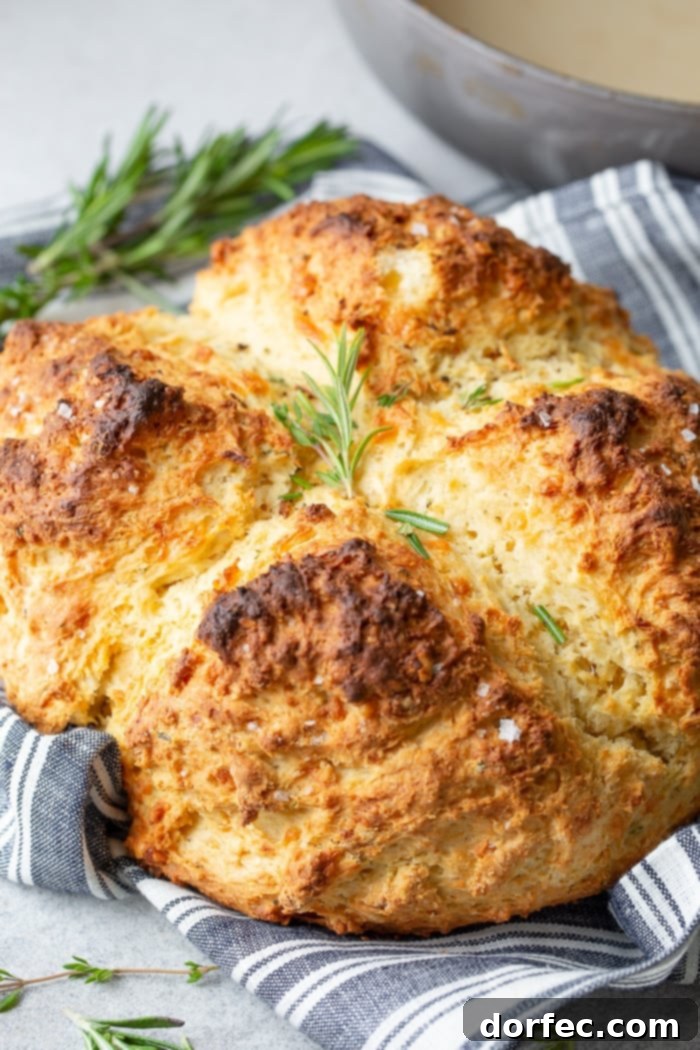
There's nothing quite like the comforting aroma of freshly baked bread filling your home. And when it comes to pairing with hearty soups, robust stews, or simply enjoying a warm slice with butter, few things compare to a truly exceptional loaf. This Garlic Cheddar Herb Irish Soda Bread is more than just a side; it's a culinary experience designed to elevate any meal. Whether you're celebrating St. Patrick's Day, seeking a cozy winter accompaniment, or just craving a delicious, easy-to-make bread, this recipe is your perfect match.
Embrace Yeast-Free Baking: A Beginner-Friendly Delight
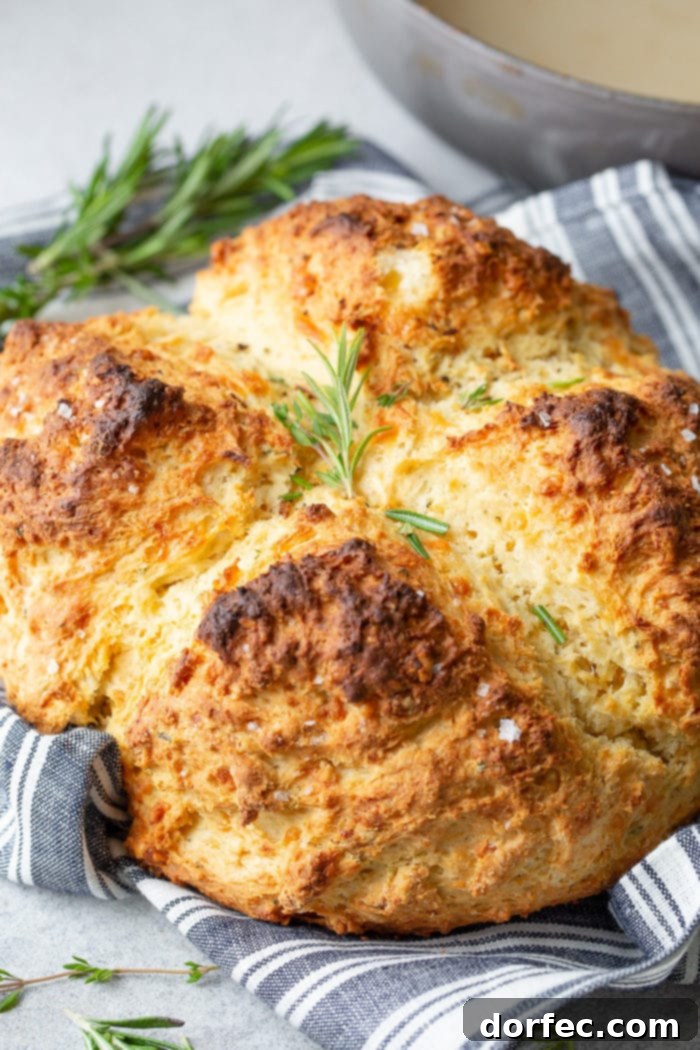
If the thought of working with yeast leaves you feeling intimidated, you're not alone. The intricacies of proofing, rising times, and temperature control can seem daunting. However, this Garlic Cheddar Herb Irish Soda Bread offers a delightful escape from those complexities. This is a true quick bread, meaning there’s no yeast involved, no lengthy rising periods, and absolutely no waiting around for dough to double in size. You'll still achieve a wonderfully fluffy, tender, and incredibly flavorful loaf, often in less than an hour from start to finish. It's truly as straightforward as baking a cake: simply combine your wet ingredients with your dry ingredients, gently mix, and then bake. The result is a homemade bread experience that’s accessible to everyone, regardless of their baking prowess.
Imagine pulling a gorgeous, golden-brown loaf from your oven, filling your kitchen with an irresistible aroma, all within an hour. This recipe makes that dream a reality. The impeccable combination of sharp cheddar and aromatic garlic creates a savory foundation that's universally loved, while fresh herbs infuse every bite with vibrant, earthy notes, making each mouthful a burst of delightful flavor.
Unraveling the Heritage: What is Irish Soda Bread?
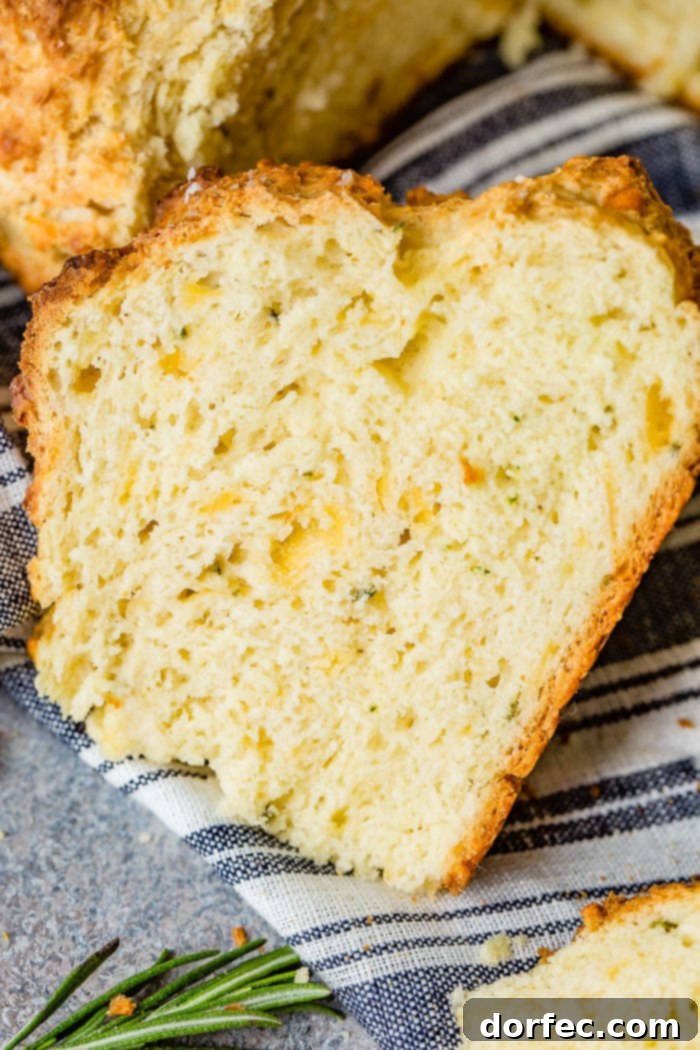
At its core, soda bread is a type of quick bread that relies on sodium bicarbonate, more commonly known as baking soda, as its primary leavening agent. Unlike traditional yeast breads, which depend on yeast to produce carbon dioxide and cause the dough to rise, soda bread achieves its signature airy texture through a chemical reaction. The classic Irish soda bread recipe typically features just four fundamental ingredients: flour, baking soda, salt, and buttermilk. Buttermilk, with its inherent lactic acid, reacts with the baking soda to create tiny bubbles of carbon dioxide. These bubbles are what give the finished bread its characteristic lift and soft, fluffy crumb.
While the term "Irish" is widely associated with this delightful bread, its origins and widespread popularity extend far beyond Ireland's shores. The use of baking soda for leavening quick breads has historical roots in many cultures, including Native American traditions where similar methods have been employed for hundreds of years. In Ireland, soda bread gained prominence due to the availability of soft wheat flour, which is not ideal for yeast breads but works perfectly with baking soda. It became a staple in Irish households, particularly during times when ingredients were scarce, offering a simple yet satisfying way to put fresh bread on the table daily. Its cultural significance in Ireland lies in its practicality and its deep connection to traditional home baking, making it a beloved symbol of Irish culinary heritage, enjoyed alongside hearty meals or simply with a cup of tea. It's more than just a name; it's a testament to resourceful and delicious baking traditions.
A Culinary Canvas: The Incredible Versatility of Soda Bread
As mentioned, the foundation of soda bread is simple, consisting of just four basic ingredients. This simplicity, however, is its greatest strength, as it transforms the bread into an incredibly versatile canvas for endless culinary creativity. From this humble beginning, you can introduce a vast array of additional ingredients, tailoring the loaf to perfectly suit your mood, meal, or even the season. Whether you desire a sweet treat or a savory accompaniment, the possibilities are truly limitless.
For instance, while this recipe shines with sharp cheddar cheese and fragrant herbs, you're encouraged to experiment. Imagine adding sun-dried tomatoes, robust Asiago cheese, and fresh basil for an Italian-inspired, Caprese-esque dream loaf. Or perhaps a touch of spicy jalapeño and Monterey Jack for a kick? For a sweeter variation, consider incorporating plump raisins, crunchy nuts, or even decadent chocolate chips and a hint of orange zest. You could also try different herb combinations like rosemary and black pepper, or dill and chives. The beauty of soda bread lies in its adaptability; it invites you to personalize it, making each loaf a unique reflection of your taste. Don't be afraid to explore and discover your own favorite combinations!
The Mystical and Practical: Why the Cross on Top?
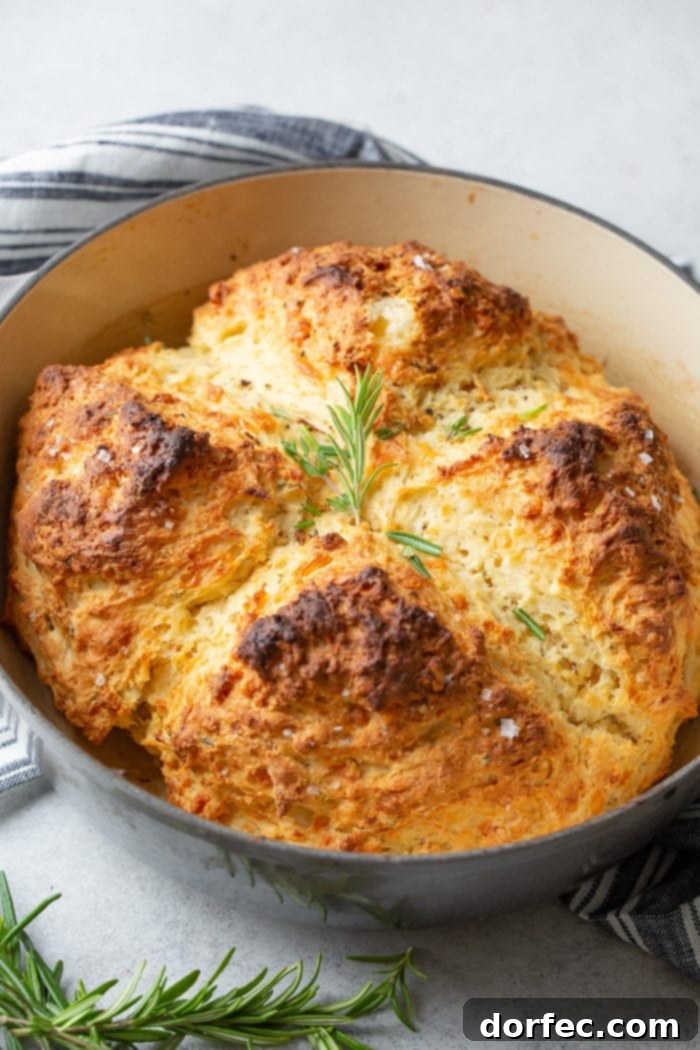
You might notice a distinct cross carved into the top of the soda bread dough before it's baked, and this tradition holds both cultural and practical significance. Historically, this ritual was deeply rooted in folklore and symbolism. Many people believed that cutting a cross into the dough would ward off evil spirits, preventing bad luck from entering the home. It was also seen as a gesture of blessing the bread, giving thanks for the food, and invoking good fortune for the household. This tradition reflects the strong spiritual and superstitious beliefs prevalent in many cultures throughout history, imbuing a simple loaf of bread with deeper meaning.
Beyond the fascinating legends, there's a very practical reason for slashing the dough. When soda bread bakes, the leavening action of the baking soda and buttermilk creates steam and gases within the dense dough. By cutting a cross, you create vents that allow the heat to penetrate more deeply and evenly into the thickest part of the bread. This also enables the dough to stretch and expand more effectively as it rises in the oven, preventing it from cracking irregularly and ensuring a uniform, beautifully shaped loaf with a perfectly baked interior. It's a clever technique that has been passed down through generations, combining tradition with smart baking science.
Baking Brilliance in Under an Hour: Your Quick Bread Journey
Let’s walk through the remarkably simple steps that bring this flavorful bread to life, all in less time than it takes to watch an episode of your favorite show. The process begins by combining all your dry ingredients – flour, salt, baking soda, and a touch of sugar – in a large mixing bowl. Whisk them together thoroughly to ensure all the leavening and seasoning are evenly distributed throughout the flour. Next, the stars of our savory loaf enter the stage: your grated cheddar cheese, minced garlic, and fresh herbs. Add these to the dry mixture and toss them gently to ensure they are well coated and dispersed, promising a delightful burst of flavor in every bite. If you're feeling adventurous, instead of grating the cheese, try cubing it into half-inch pieces. This creates delightful pockets of melted cheese throughout the baked loaf, adding an extra dimension of indulgence.
Now, it's time for the butter. Using cold butter is key here. Break it into small pieces and incorporate it into the flour mixture with your fingertips, gently pinching and rubbing until the mixture resembles coarse breadcrumbs or a grainy texture. This method helps create tender bread by preventing gluten overdevelopment. Form a well in the center of your dry ingredients, then pour in the whisked egg and buttermilk. Begin stirring with a sturdy wooden spoon until the mixture just starts to come together. Then, switch to using your hands. Knead the dough very gently and briefly, just enough until it forms a cohesive ball. Overworking the dough is the enemy of tender soda bread, so resist the urge to knead vigorously.
Prepare your baking vessel – whether it’s a cast-iron skillet, a Dutch oven, or a simple baking sheet – by lightly buttering it. Carefully transfer your dough ball to the prepared vessel. With a sharp knife, make a cross cut about half an inch deep across the top of the dough. This traditional mark serves both symbolic and practical purposes, as we discussed earlier. Finally, your masterpiece is ready for the oven. Bake until it achieves a beautiful golden-brown crust and sounds hollow when tapped, indicating it’s perfectly cooked through. For an extra touch of savory goodness, sprinkle a little kosher salt over the warm loaf immediately after removing it from the oven. Slice generously and serve warm to truly savor its fresh, comforting flavors.
Perfection Achieved: How to Tell When Soda Bread is Done
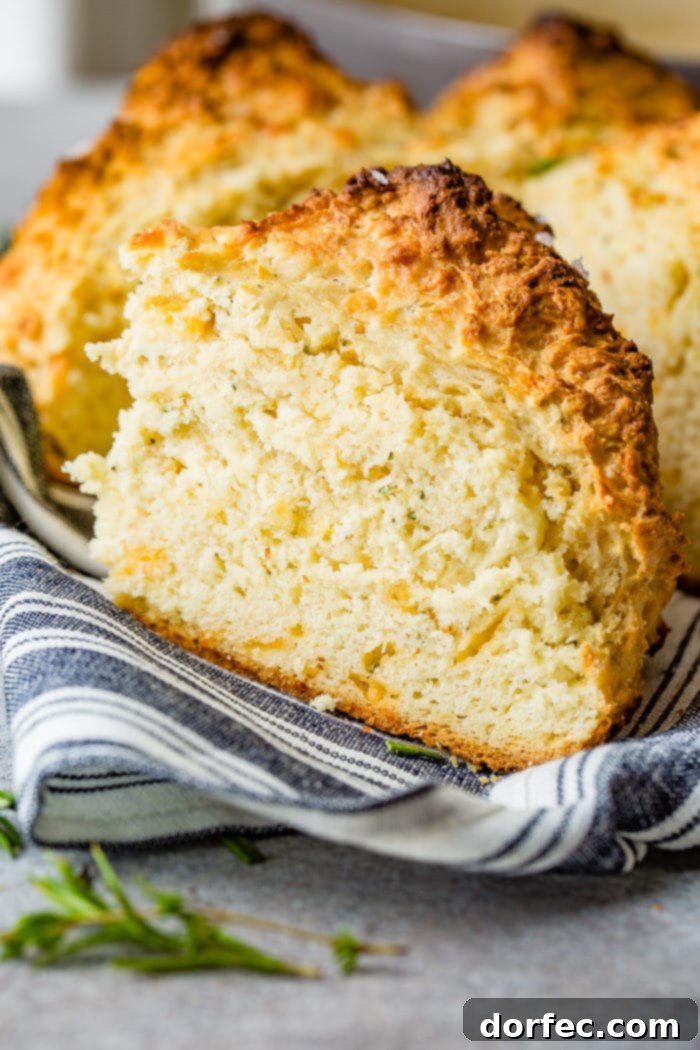
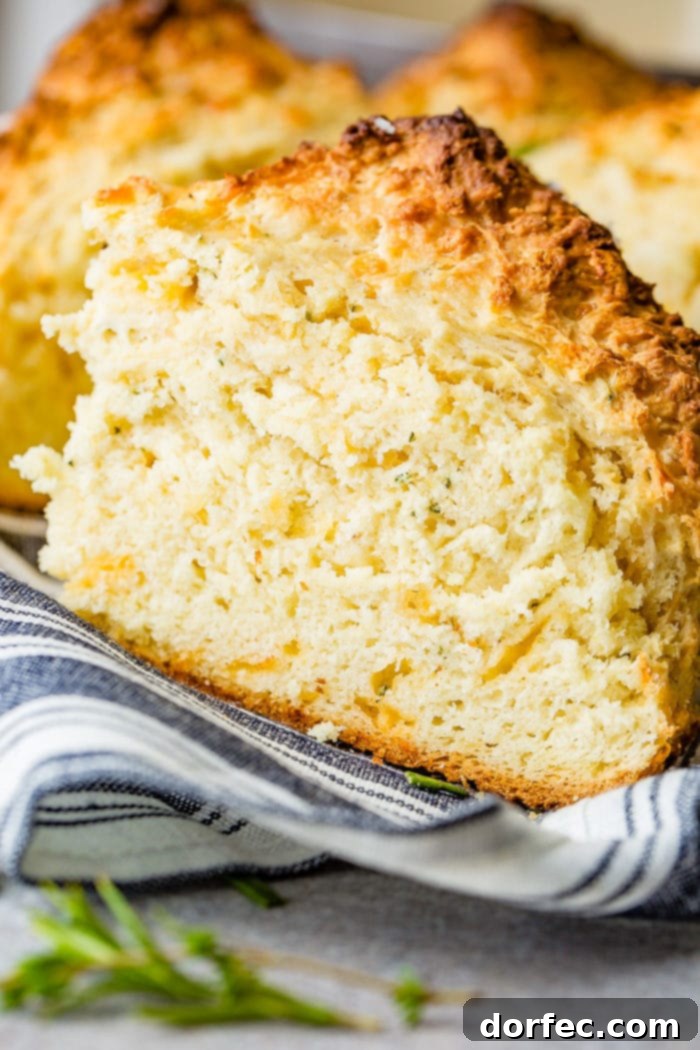
Knowing exactly when your soda bread has reached its peak perfection is crucial for that ideal texture and flavor. The first tell-tale sign is visual: your loaf will develop a beautiful, deep golden-brown crust, indicating that it has caramelized nicely on the outside. But the true test lies in its sound. Gently tap the top of the bread with your knuckles; if it emits a hollow sound, it’s a reliable indicator that the inside is fully cooked and has achieved its desired airy structure. For those who prefer a more precise method, an instant-read thermometer inserted into the center of the loaf should register between 200°F and 210°F (93°C-99°C). This ensures that your bread is not only beautifully browned but also thoroughly baked and wonderfully tender throughout.
Preserving Freshness: Can Irish Soda Bread Be Frozen?
Absolutely! Irish soda bread freezes beautifully, making it an excellent candidate for meal prepping or simply ensuring you always have a delicious homemade loaf on hand. To freeze, first allow the freshly baked bread to cool completely to room temperature. This step is vital, as wrapping warm bread can trap moisture, leading to ice crystals and a soggy texture upon thawing. Once thoroughly cooled, wrap the loaf tightly in plastic wrap, then place it inside an airtight freezer-safe bag or container. Properly stored, it will maintain its quality in the freezer for up to one week. When you're ready to enjoy it, simply thaw at room temperature or gently reheat in a warm oven to restore its fresh-baked taste and texture. This makes it incredibly convenient for those impromptu soup nights or last-minute gatherings.
More Irresistible Bread Sides You’ll Love:
- Homemade Baguette
- Skillet Cornbread
- Homemade Naan
- Best Potato Rolls
- Easy No Knead Artisan Bread
- Feta Muffins
- One Hour Rolls
- 7-Up Biscuits
- Whole Wheat Potato Rolls
- Sweet Potato Rolls
- Herbed Focaccia Bread
- Cheesy Ranch Rolls
- All Our Bread Recipes Here!
Garlic Cheddar Herb Irish Soda Bread
Ingredients
- 4 Cups Flour, plus 2 Tablespoons
- 1 1/4 teaspoon Salt
- 1 teaspoon Baking Soda
- 1 teaspoon Sugar
- 2/3 Cup Cheese, shredded, sharp cheddar recommended
- 2 Cloves Garlic, minced
- 1 teaspoon Rosemary, fresh, chopped or 1/2 teaspoon dried
- 1 teaspoon Thyme, fresh, chopped or 1/2 teaspoon dried
- 4 Tablespoons Butter, cold, cut into small pieces
- 1 Egg, large, whisked
- 1 3/4 Cup Buttermilk
Instructions
-
Preheat your oven to 425°F (220°C). Prepare your baking surface (skillet, Dutch oven, or cookie sheet) by lightly buttering it.
-
In a large mixing bowl, whisk together the flour, salt, baking soda, and sugar until well combined.4 Cups Flour, 1 1/4 teaspoon Salt, 1 teaspoon Baking Soda, 1 teaspoon Sugar
-
Add the shredded cheese, minced garlic, and fresh herbs (rosemary and thyme) to the dry ingredients. Toss lightly to ensure all additions are evenly coated.2/3 Cup Cheese, 2 Cloves Garlic, 1 teaspoon Rosemary, 1 teaspoon Thyme
-
Add the cold butter pieces to the flour mixture. Using your fingertips, pinch and rub the butter into the flour until the mixture resembles a coarse, grainy texture.4 Tablespoons Butter
-
Create a well in the center of the dry ingredients. Pour in the whisked egg and buttermilk.1 Egg, 1 3/4 Cup Buttermilk
-
Stir the mixture with a wooden spoon until it just begins to come together. Then, switch to your hands and gently knead the dough only until it forms a cohesive ball. Avoid overworking to keep the bread tender.
-
Place the dough ball onto your prepared buttered skillet, Dutch oven, or cookie sheet.
-
Using a sharp knife, cut a cross about 1/2 inch deep into the top of the dough. This allows for even baking and proper expansion.
-
Bake for 35-40 minutes, or until the top is golden brown and the bread sounds hollow when tapped. For best results, an internal temperature of 200-210°F (93-99°C) indicates doneness.
-
Remove the bread from the oven. For an extra touch, sprinkle a little kosher salt over the warm crust. Serve hot and fresh, sliced generously.
Recipe Notes
Nutrition
Nutrition information is automatically calculated, so should only be used as an approximation.
Like this? Leave a comment below!We'd love to hear your thoughts and see your creations!
REMEMBER TO SUBSCRIBE TO OUR FREE OH SWEET BASIL NEWSLETTER AND RECEIVE EASY RECIPES DELIVERED INTO YOUR INBOX EVERY DAY!
When you try a recipe, please use the hashtag #ohsweetbasil on INSTAGRAM for a chance to be featured in our stories! FOLLOW OH, SWEET BASIL ON FACEBOOK | INSTAGRAM | PINTEREST | TWITTER FOR ALL OF OUR LATEST CONTENT, RECIPES AND STORIES.