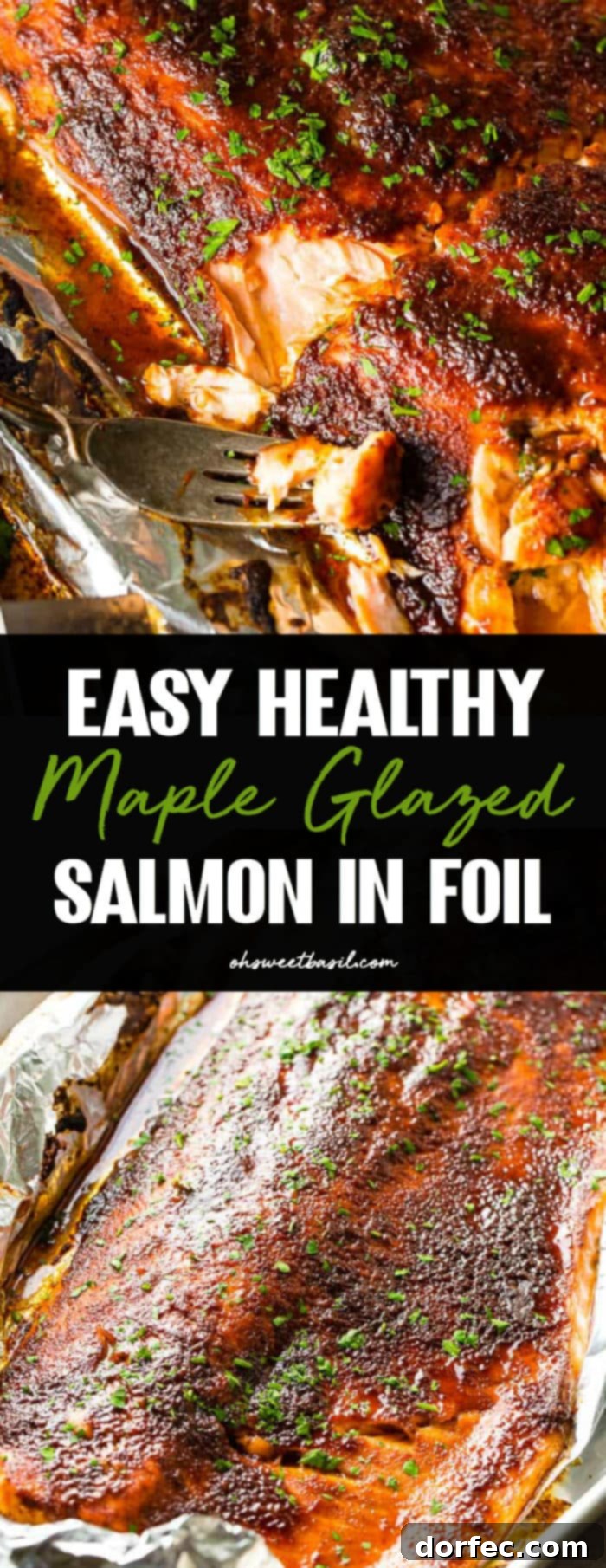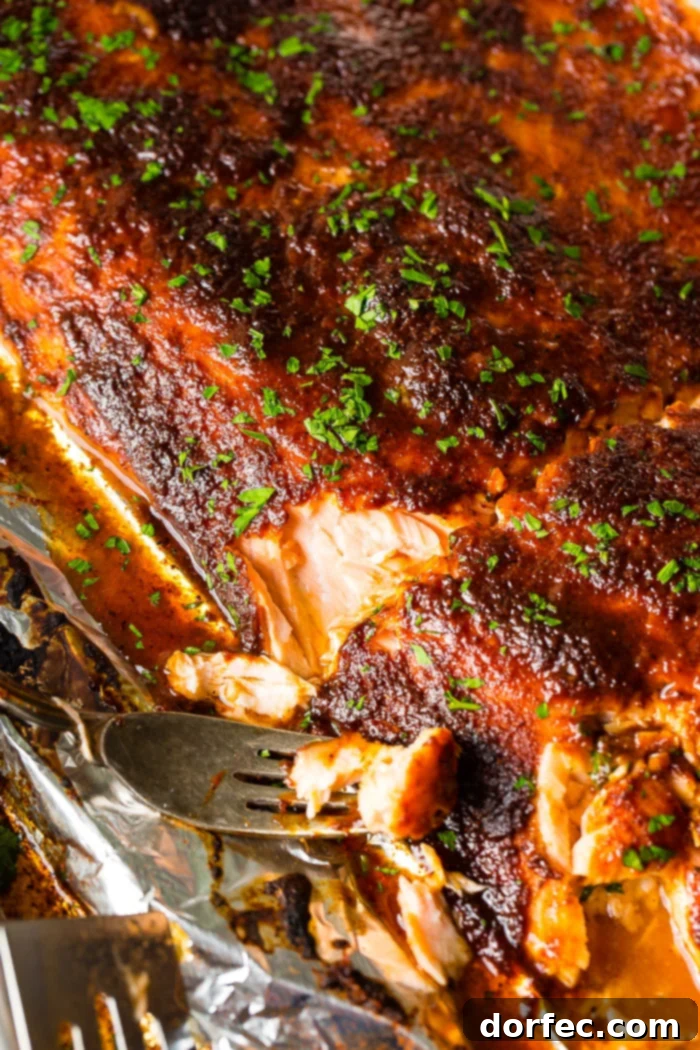
Unlock a world of flavor and effortless cooking with our Maple Glazed Salmon recipe! In just 30 minutes and with a mere 7 essential ingredients, you can prepare a healthy, delectable meal that’s perfect for even the busiest weeknights. This dish promises succulent, perfectly cooked salmon infused with a sweet and savory glaze, all thanks to a genius foil-baking method that guarantees moisture and simplifies cleanup.
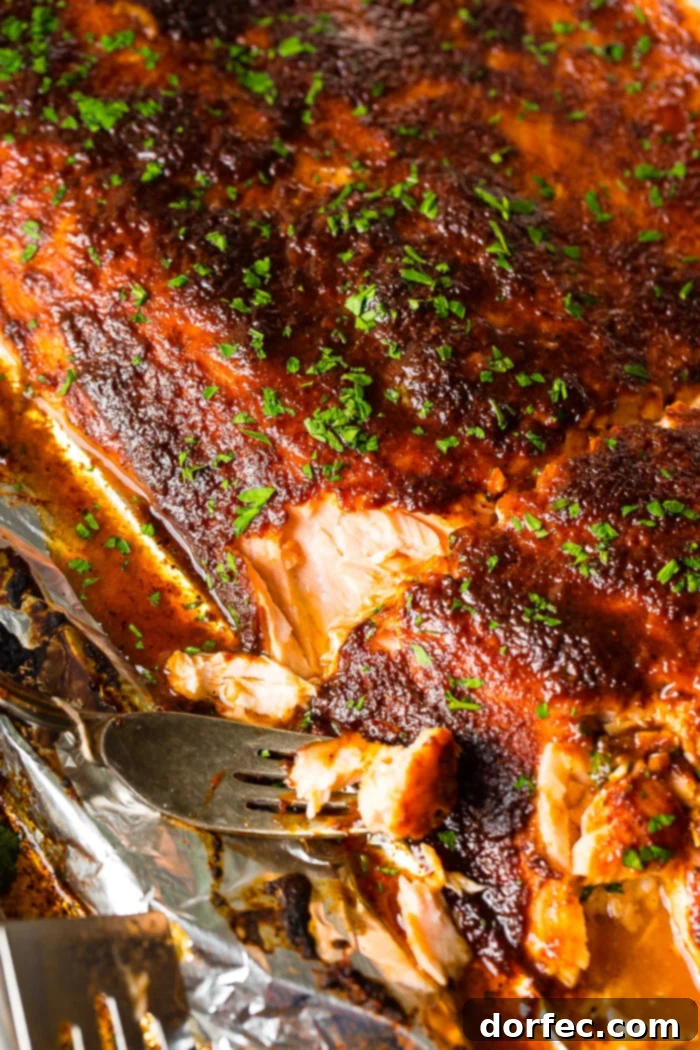
Mastering the Art of Baked Glazed Salmon in Foil
Growing up in the picturesque Pacific Northwest, I was surrounded by an abundance of fresh seafood. Yet, surprisingly, seafood wasn’t a favorite of mine during childhood. It took being married to a true seafood enthusiast, like my husband Cade, to truly open my palate and give these oceanic delights a second chance. This particular Maple Glazed Salmon in Foil recipe, which has become one of Cade’s absolute favorites, truly converted me. It’s not just a meal; it’s a testament to how simple ingredients can create an extraordinary, healthy, and incredibly easy dinner.
The Pacific Northwest is renowned globally for its pristine natural beauty and its rich culinary heritage, deeply influenced by Native American traditions and an unparalleled supply of fresh, wild seafood. I vividly recall school lessons on Native American culture, attending special evening programs where we, dressed in our handcrafted brown paper costumes, joined true Native American performers in songs and dances. These experiences taught us the profound significance of salmon in their lives. Elaborate protections were, and still are, in place to ensure that communities living off the land could continue to fish as their ancestors did. We learned about their ingenious methods of catching, cooking, and preserving fish, from intricate traps to the construction of plank houses and totem poles that told stories of this vital resource.
I often wonder if those wise ancestors, with their deep appreciation for the land’s bounty, would have enjoyed this sweet and savory maple-glazed salmon. As a child, I probably would have eagerly shared my portion – a true indicator of its deliciousness even back then! This recipe, while modern, embodies a respect for the ingredient and a desire to bring out its natural flavors, much like traditional methods. The foil method creates a steaming environment, reminiscent of traditional pit cooking or steaming methods that lock in moisture and flavor, a technique that spans centuries and cultures.
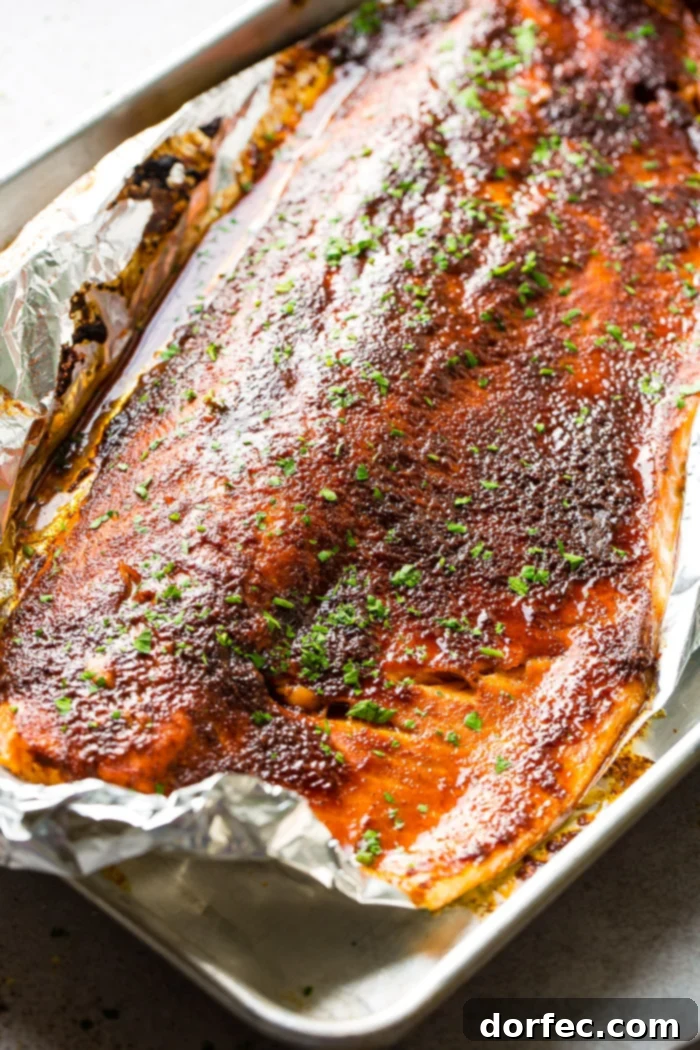
Essential Ingredients for Your Maple Glazed Salmon
One of the beauties of this recipe lies in its simplicity. The ingredient list is refreshingly short, featuring items you likely already have on hand, making it a perfect spontaneous meal solution. Each component plays a crucial role in building the dish’s balanced flavor profile:
- Salmon: The star of our dish. While any quality salmon fillet will work, opting for fresh, wild-caught salmon, especially from the Pacific Northwest, will elevate the flavor and nutritional value. Look for fillets that are firm, moist, and have a vibrant color. We recommend a 2-3 pound fillet for easy handling and serving.
- Dijon Mustard: This isn’t just for flavor; Dijon mustard acts as a fantastic binder for our spice rub, ensuring it adheres perfectly to the fish. Its tangy, slightly spicy notes also cut through the richness of the salmon and complement the sweetness of the maple.
- Chili Powder: Adds a warm, earthy depth and a subtle hint of spice. It’s a key player in creating that savory foundation for our glaze.
- Smoked Paprika: Infuses the salmon with a rich, smoky aroma and a beautiful, vibrant red color. This ingredient is essential for that “baked” flavor profile, even when cooking in foil.
- Salt: Crucial for enhancing all the other flavors and seasoning the salmon properly.
- Brown Sugar: Provides a deep, molasses-rich sweetness that caramelizes beautifully under the broiler, forming a delightful crust. It balances the mustard and spices, creating a harmonious glaze.
- Pure Maple Syrup: The pièce de résistance! Pure maple syrup delivers a distinct, natural sweetness and a delicate, woodsy flavor that is incomparable. Added at the end, it creates that signature glossy, irresistible glaze.
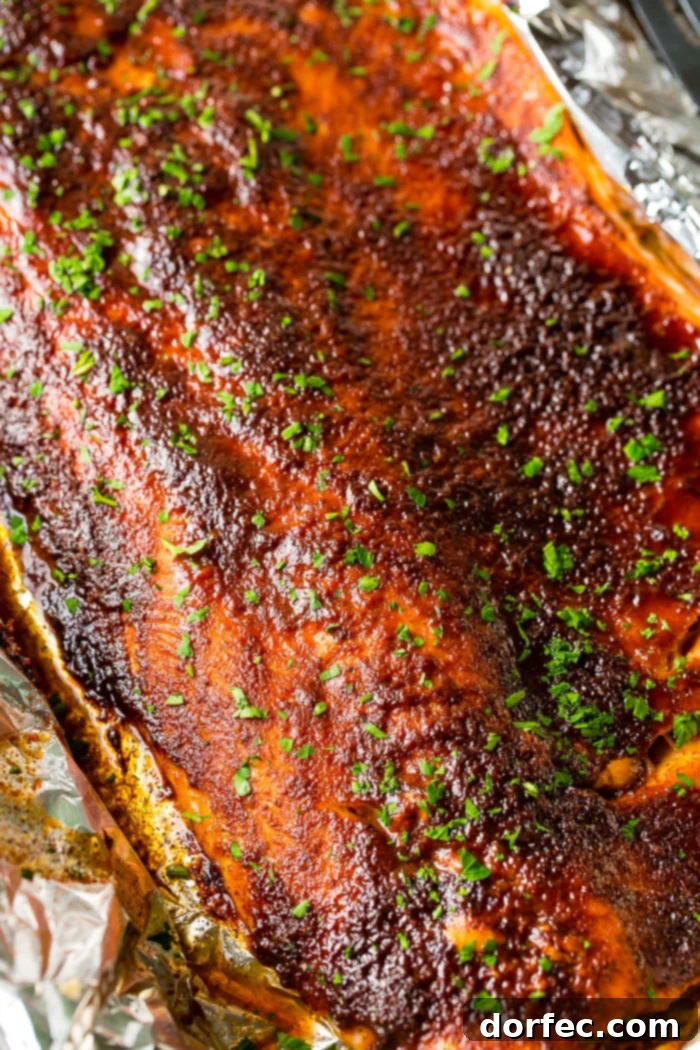
Step-by-Step Guide: How to Make Maple Glazed Salmon to Perfection
Preparing this exquisite Maple Glazed Salmon is surprisingly straightforward, designed for maximum flavor with minimal fuss. Follow these simple steps for a dish that tastes gourmet but comes together in a flash:
- Prepare Your Oven and Baking Sheet: Begin by preheating your oven to 375 degrees F (190°C). Line a large, rimmed baking sheet with aluminum foil. If you’re working with a particularly large salmon fillet, you might need two overlapping sheets of foil to ensure you can adequately fold and seal it later. The rimmed edges are important to catch any juices and prevent spills.
- Craft the Flavorful Paste: In a small bowl, combine the Dijon mustard, chili powder, smoked paprika, brown sugar, and salt. Stir vigorously until all ingredients are thoroughly mixed and form a thick, dark red paste. This concentrated blend of flavors is what will infuse your salmon with its incredible taste.
- Season the Salmon: Place your salmon fillet directly onto the prepared foil on the baking sheet. Using the back of a spoon or a small spatula, generously spread the entire surface of the salmon with the spice paste. Ensure an even coating, pushing the paste into any crevices, as this will create a beautiful crust and deliver flavor in every bite.
- Create the Foil Packet: Carefully pull the edges of the aluminum foil up and over the salmon. Bring the long sides of the foil together and pinch them tightly shut, creating a sealed packet. It’s crucial not to press the foil directly onto the salmon; leave a little air pocket above the fish to allow the steam to circulate and prevent the spice paste from sticking to the foil. Pinch the short ends of the foil tightly to completely seal the packet. This creates a moist, flavorful environment for the salmon to cook in.
- Initial Bake for Tenderness: Bake the salmon packet in your preheated oven for 14-15 minutes. The exact cooking time may vary slightly depending on the thickness of your fillet. During this stage, the salmon will steam within the foil, ensuring it becomes incredibly tender and moist.
- Carefully Open the Packet: Once the baking time is complete, remove the salmon from the oven. Exercise extreme caution when opening the foil packet. Trapped steam will escape rapidly, much like a mini-volcano, and can cause burns. Avert your face and carefully tear or un-pinch the foil to release the steam.
- Prepare for Broiling: Turn your oven setting to broil. Ensure your oven rack is positioned on a top slot, closer to the broiler element, to achieve optimal caramelization.
- Apply the Maple Glaze: Drizzle the pure maple syrup generously over the baked salmon. This is the secret to its signature sweet glaze and beautiful sheen.
- Broil for the Perfect Finish: Return the salmon to the oven under the broiler for 2-3 minutes. Keep a very close eye on it during this step, as broilers can be intense, and the sugars in the maple syrup can burn quickly. You’re looking for a slight caramelization, a beautiful golden-brown color, and slightly crisp edges.
- Serve Immediately: Remove the salmon from the oven and serve it hot. The combination of tender, flaky salmon with the sweet and savory maple glaze is truly irresistible. Enjoy!
The Magic of Cooking Salmon in Foil
The foil packet method is a culinary game-changer, especially for delicate proteins like salmon. It offers a multitude of benefits that elevate your cooking experience and the final dish:
- Maximum Moisture Retention: Imagine a miniature steam oven right inside your regular oven. That’s essentially what the foil packet creates. By sealing the salmon and its seasonings within the foil, all the natural moisture and flavorful juices are trapped. This results in incredibly tender, succulent salmon that practically melts in your mouth, a stark contrast to the drier results often achieved with open-pan baking.
- Infused Flavors: The steam also helps to circulate and infuse the salmon with every nuance of the Dijon mustard, chili powder, smoked paprika, and brown sugar. The flavors penetrate the fish more deeply, leading to a more intensely seasoned and delicious result.
- Effortless Cleanup: This might be one of the most loved advantages! The foil acts as a protective barrier, preventing any juices or glaze from touching your baking sheet. Once dinner is done, simply gather the foil, discard it, and your cleanup is virtually nonexistent. No sticky pans to scrub, making it a perfect solution for busy weeknights when time is precious.
- Even Cooking: The contained environment of the foil packet helps to distribute heat more evenly around the fish, reducing the chances of uneven cooking.
However, as brilliant as the foil method is for tenderness and flavor infusion, it doesn’t typically provide that desired golden-brown crust or caramelization. This is precisely why our recipe incorporates a quick stint under the broiler at the end. The broiler’s intense, direct heat works wonders, transforming the maple syrup into a sticky, slightly charred glaze that adds a delightful textural contrast and visual appeal to your otherwise perfectly steamed salmon. It’s the best of both worlds!
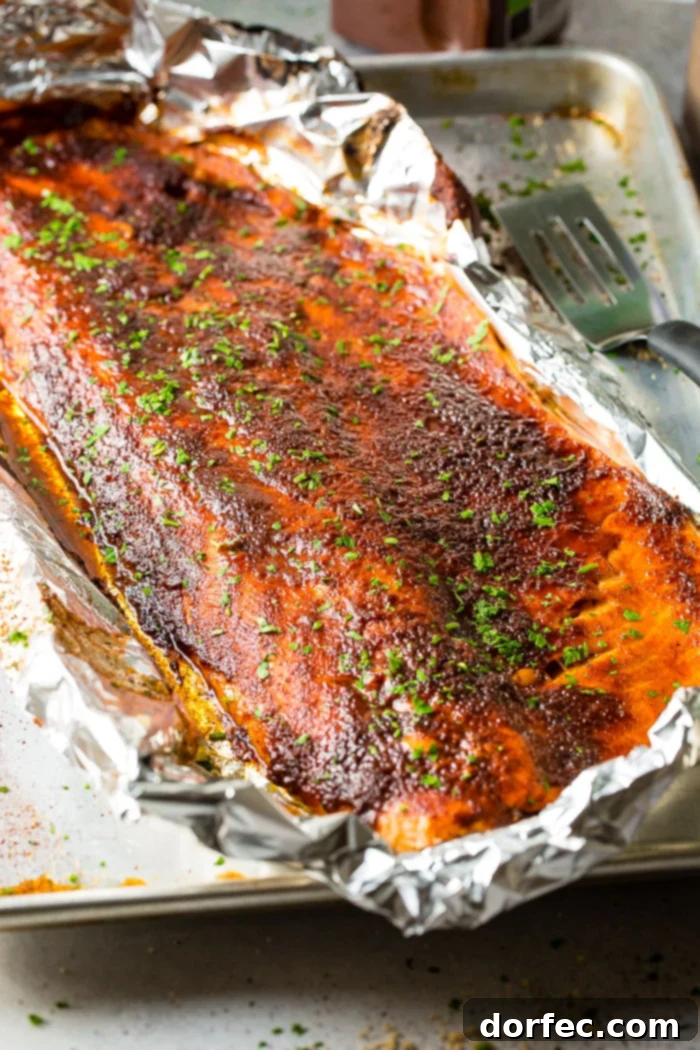
Frequently Asked Questions About Cooking and Enjoying Salmon
Can Maple Glazed Salmon be Reheated?
Yes, you can absolutely reheat maple glazed salmon, but doing it correctly is key to preserving its delicate texture and flavor. Fish, including salmon, is prone to drying out and becoming rubbery if overheated too quickly. To avoid this, it’s best to reheat it slowly at a low temperature.
For best results, place the salmon in a foil packet (to retain moisture) and reheat it in an oven preheated to 275-300 degrees F (135-150°C) for about 10-15 minutes, or until it’s just warmed through. If using a microwave, place the salmon on a plate, cover it loosely with plastic wrap (leaving a small vent), and reheat on 50% power in short bursts (30-60 seconds) until warm. This gentle approach prevents overcooking and keeps your salmon delicious.
How Long Will Salmon Last?
The shelf life of salmon depends on its state of freshness and storage:
- Fresh Salmon: Uncooked, fresh salmon straight from the store should be stored in the coldest part of your refrigerator and ideally cooked within 1-2 days.
- Cooked Salmon: Leftover cooked salmon, properly stored in an airtight container in the refrigerator, will typically remain good for 3 to 4 days.
- Frozen Salmon: For longer storage, cooked salmon can be frozen for up to 4 months. Ensure it’s tightly wrapped in plastic and then foil, or placed in a freezer-safe bag to prevent freezer burn.
What Salmon is Best to Eat?
The “best” salmon often comes down to personal preference, as each species offers a unique flavor and texture profile. Here’s a quick guide:
- King (Chinook) Salmon: Often considered the crème de la crème, King salmon is the largest and most prized species, especially in the Pacific Northwest. It’s highly valued for its exceptionally high fat content, rich omega-3s, and luxuriously buttery texture. Its flavor is robust and rich, making it a favorite for grilling and baking.
- Sockeye Salmon: This oilier fish boasts a deep, vibrant red flesh and a stronger, more distinctive flavor than King salmon. Sockeye stands up wonderfully to grilling, smoking, and baking, retaining its firm texture.
- Coho (Silver) Salmon: Milder in flavor and typically lighter in color than Sockeye, Coho salmon has a delicate texture. It’s an excellent choice for those who are new to eating salmon or prefer a less intense “fishy” taste. If you’re easing your way into liking salmon, Coho is a fantastic starting point.
How to Tell When Salmon is Done
Knowing when fish is perfectly cooked can feel intimidating, but it’s simpler than you might think. Salmon undergoes a distinct transformation as it cooks: its flesh changes from a translucent, raw, reddish appearance to an opaque, pink color.
To check for doneness, after about 6-8 minutes of baking (for typical fillet thickness), gently insert a sharp knife or fork into the thickest part of the meat. If the meat begins to flake easily with gentle pressure but still retains a slight translucency in the very center, it’s done. For precise cooking, use an instant-read meat thermometer inserted into the thickest part of the fillet; the FDA recommends an internal temperature of 145°F (63°C).
Is Salmon Good For You?
Absolutely! Salmon is celebrated as one of the healthiest foods you can include in your diet. It’s an exceptional source of high-quality protein, providing all essential amino acids necessary for muscle repair and growth. Beyond protein, salmon is packed with vital vitamins and minerals, including B vitamins, potassium, selenium, and Vitamin D.
However, the most significant nutritional benefit of salmon comes from its abundance of omega-3 fatty acids, particularly EPA and DHA. These essential nutrients are powerful allies in preventing and managing heart disease, reducing inflammation, and supporting brain health. Regular consumption of salmon may help lower blood pressure, decrease triglyceride levels, and improve cholesterol profiles. As we age, maintaining a healthy heart and brain becomes even more crucial, making salmon an invaluable addition to any diet focused on longevity and well-being.
Which Salmon is Healthiest?
When it comes to the healthiest choice, Wild Alaskan Salmon typically takes the top spot. Here’s why:
- Natural Diet: Wild Alaskan salmon consume a natural diet of smaller fish and crustaceans, which contributes to their superior nutritional profile, including higher levels of beneficial omega-3 fatty acids.
- Sustainable Practices: Alaska’s wild salmon fisheries are among the best-managed and most sustainable in the world, with strict regulations ensuring healthy fish populations and minimal environmental impact.
- Lower Contaminants: Due to their natural environment and diet, wild salmon generally have lower levels of contaminants, such as PCBs and mercury, compared to some farmed varieties.
- Nutritional Differences: Wild salmon tends to have a leaner profile with fewer calories and less total fat (and often less saturated fat) than farmed salmon, while still being rich in omega-3s.
While farmed salmon can still be a healthy option, the specific practices of the farm (feed, antibiotics, density) can influence its nutritional content. Always look for certifications that indicate sustainable and responsible farming practices.
Which Salmon Has the Lowest Amount of Mercury?
Good news for salmon lovers! Across all varieties, salmon generally contains very low traces of mercury. This makes it one of the safest and most recommended fish to consume regularly, even for pregnant women and young children. The mercury levels tend to be consistently low across different types of salmon, whether wild or farmed, so you can confidently choose the species you enjoy most without significant concern about mercury content.
Do Farmed Salmon and Wild Salmon Taste the Same?
While a casual consumer might find the taste of wild and farmed salmon of the same type quite similar, there are indeed notable differences that discerning palates can detect:
- Wild Salmon: Tends to have a more complex, nuanced flavor profile that reflects its natural diet and active lifestyle. Its flesh is typically leaner and firmer due to constant swimming, resulting in a less fatty, more “gamey” taste. Wild salmon also boasts a richer mineral content.
- Farmed Salmon: Often has a milder, less intense flavor and a softer, fattier texture. This is because farmed salmon have a more controlled diet (often feed containing grains and fish meal) and a less active lifestyle in enclosures. Nutritionally, farmed salmon can be higher in total fat (including saturated fat and polyunsaturated fatty acids), calories, and sometimes even Vitamin C (due to fortified feed).
Ultimately, while both can be delicious, many culinary experts and health enthusiasts prefer wild salmon for its superior flavor, texture, and nutritional advantages. Choosing wild salmon, especially from sustainable sources like Alaska, is often considered the optimal choice.
Can Salmon Be Refrozen?
Yes, you can refreeze salmon fillets, but only if they were thawed safely in the refrigerator. If you thawed your salmon in the fridge and then changed your plans, you can safely refreeze it within two days of thawing. However, if the salmon was thawed using other methods (like in cold water or microwave) or left at room temperature, it should not be refrozen. Refreezing can impact the texture of the fish, potentially making it a bit drier or mushier, but it will still be safe to eat.
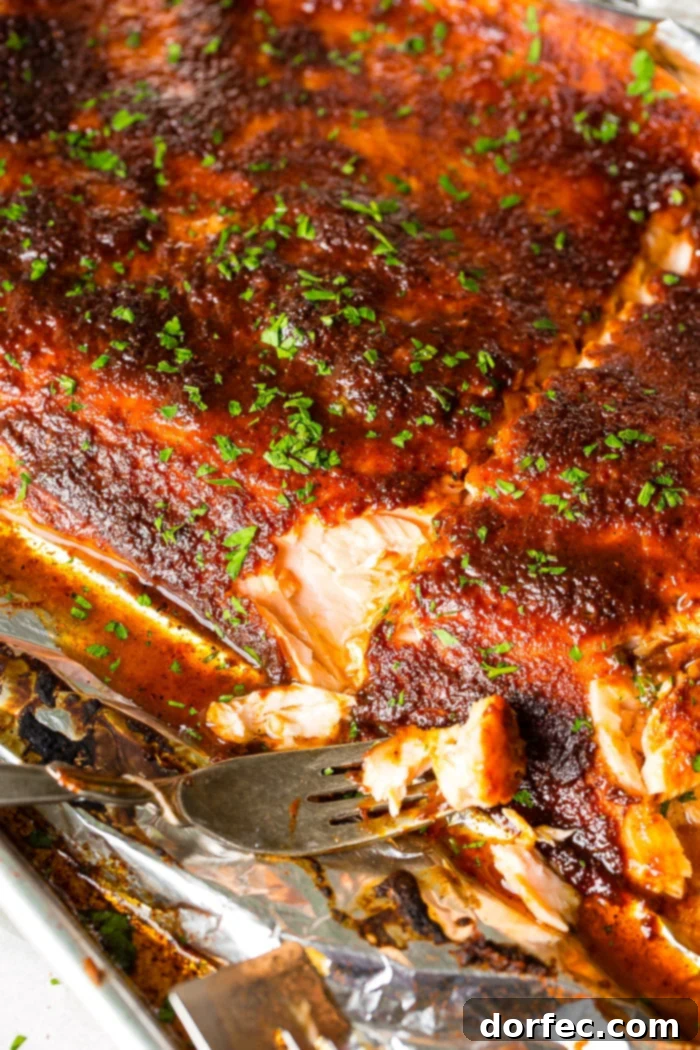
Pro Tips for Making the Best Baked Maple Glazed Salmon
Achieving perfectly tender, flavorful maple glazed salmon is simple, especially with a few expert tips in your arsenal. These pointers will help you navigate the process like a seasoned chef and ensure your dish is a resounding success every time:
- The Right Tool for the Glaze: While a pastry brush might seem like the obvious choice for spreading the mustard-spice mixture, I’ve found that the back of a spoon or a small spatula actually works best. The paste is quite thick, and a spoon allows for a more even, generous application, ensuring every part of the salmon is coated for maximum flavor.
- Pat Dry for Better Adhesion: Before applying your spice paste, gently pat your salmon fillet dry with paper towels. Removing excess moisture from the surface allows the glaze to adhere more effectively and contributes to a better crust during the broiling phase.
- Beware the Steam Explosion: As mentioned in the instructions, the foil packet traps a significant amount of hot steam. When opening it after baking, always avert your face and use caution to slowly unseal the foil. A sudden burst of steam can cause a painful burn, so prioritize safety.
- Timing is Key for Maple Syrup: There’s a specific reason why the maple syrup is drizzled on last, right before broiling. Maple syrup, like other sugars, can burn easily if exposed to high heat for too long during the initial baking process. Adding it at the end allows it to caramelize quickly under the broiler, creating that beautiful, glossy glaze without the risk of charring.
- Don’t Overcook: Salmon cooks quickly, and overcooked salmon can be dry and unappetizing. Pay close attention to the cooking times provided, and if possible, use an instant-read thermometer. Aim for an internal temperature of 145°F (63°C) for perfectly flaky and moist salmon. Remember, it will continue to cook slightly for a few minutes after being removed from the heat.
- Consider Fillet Thickness: If your salmon fillet has varying thicknesses, you might consider folding the thinner tail end under itself to create a more uniform thickness. This helps ensure that the entire fillet cooks evenly.
More Easy Seafood Dinners to Explore:
If you loved the simplicity and flavor of this Maple Glazed Salmon, you’ll surely enjoy these other quick and easy seafood recipes:
- Asian Sticky Salmon in Foil
- Garlic Butter Salmon
- Apricot Lemon Salmon
- Grilled Sticky Honey Lime Shrimp
- Sticky Honey Lime Shrimp with Pineapple Chimichurri
- Sweet and Spicy Orange Salmon
- Blackened Fish Burger
- Parmesan Shrimp Scampi Pasta
- Baked Coconut Shrimp
Maple Glazed Salmon in Foil
Pin
Ingredients
- 3 Tablespoons Dijon Mustard
- 2 Tablespoons Chili Powder
- 2 Tablespoons Smoked Paprika
- 1 1/2 Tablespoons Brown Sugar
- 1 1/2 teaspoons Salt
- 2-3 Pound Salmon
- 1/2 Cup Pure Maple Syrup
Instructions
-
Preheat the oven to 375 degrees F. Line a large rimmed cookie sheet with foil. If your fish is very large, you may need two sheets as you will be folding it up and pinching the foil closed around the salmon.
-
In a small bowl, stir together the mustard, chili powder, smoked paprika, brown sugar, and salt. It should form a very thick paste.3 Tablespoons Dijon Mustard, 2 Tablespoons Chili Powder, 2 Tablespoons Smoked Paprika, 1 1/2 Tablespoons Brown Sugar, 1 1/2 teaspoons Salt
-
Put the salmon on the foil and using the back of a spoon, spread the entire fish with the mustard paste.2-3 Pound Salmon
-
Pull the foil up and over the salmon, being careful to not lay the foil on the salmon as the paste will stick to it, and pinch the foil closed like a packet.
-
Bake for 14-15 minutes.
-
Remove from the oven, avert your face and carefully open the foil being sure to not shoot steam in your face.
-
Turn the oven to broil.
-
Drizzle the maple syrup all over the salmon.1/2 Cup Pure Maple Syrup
-
Place the salmon back in the oven under the broiler for 2-3 minutes.
-
Remove from the oven and serve immediately.
Recipe Notes
- Reheat in a 275 degree F oven for about 15 minutes.
Nutrition
Nutrition information is automatically calculated, so should only be used as an approximation.
REMEMBER TO SUBSCRIBE TO our FREE Oh Sweet Basil NEWSLETTER AND RECEIVE EASY RECIPES DELIVERED INTO YOUR INBOX EVERY DAY!
When you try a recipe, please use the hashtag #ohsweetbasil on INSTAGRAM for a chance to be featured in our stories! FOLLOW OH, SWEET BASIL ON FACEBOOK | INSTAGRAM | PINTEREST | TWITTER FOR ALL OF OUR LATEST CONTENT, RECIPES AND STORIES.