
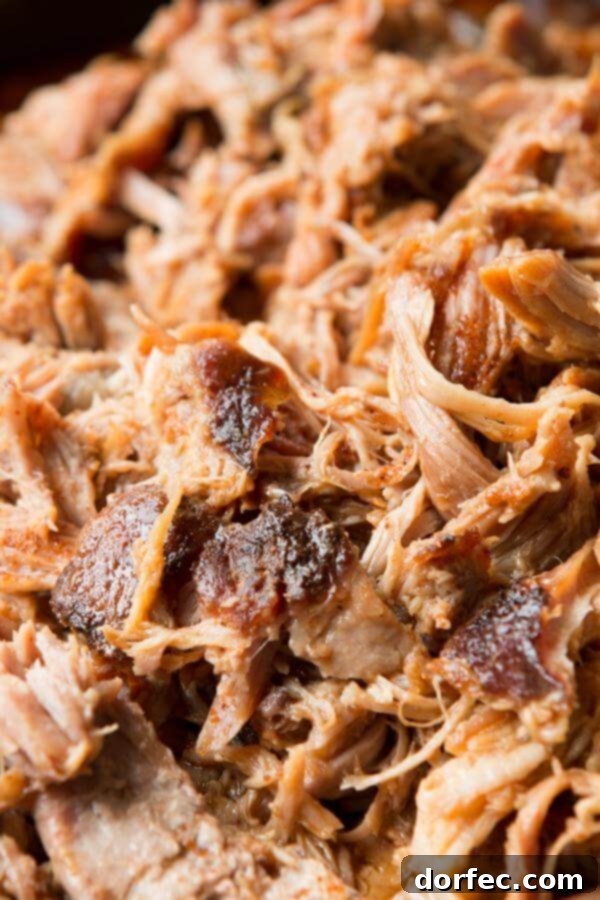
Unlock the secrets to crafting the most exquisite Carolina pulled pork right in your own kitchen with this comprehensive and mouth-watering guide. Prepare to impress your guests and family with a dish that embodies the rich traditions of Southern barbecue.
Creating the best pulled pork is an art, and the cornerstone of this authentic Carolina pulled pork recipe lies in its essential brine. This recipe requires a thoughtful approach, beginning two days prior to serving, as it takes time and patience to achieve the unbelievably tender, succulent pulled pork that emerges from your oven. Plan your culinary adventure accordingly, and get ready to experience a truly unforgettable barbecue sensation.
To elevate your feast, consider pairing your perfectly cooked pulled pork with a generous batch of our creamy macaroni salad and a vibrant, fresh fruit salad. These classic accompaniments will transform your meal into an instant party!

Experience Authentic Carolina Pulled Pork
The journey to the ultimate pulled pork begins long before the meat hits the heat. Carolina-style barbecue is renowned for its “low and slow” cooking philosophy, a method that respects the meat and allows its flavors to deepen and its texture to transform into something truly extraordinary. This commitment to patience is what sets Carolina pulled pork apart, making every bite melt in your mouth. While the process may seem extensive, much of the time is hands-off, leaving you free to enjoy your day while the magic happens in your kitchen.
Our inspiration for perfecting this pulled pork recipe came from countless hours of observing barbecue masters, often through shows like Diners, Drive-Ins and Dives. The dedication to slow cooking and the regional nuances of barbecue styles fascinated us, especially how the “low and slow” approach unlocks flavors and tenderness that simply can’t be rushed. It solidified our belief that true barbecue greatness is achieved through meticulous preparation and a deep understanding of the cooking process, ensuring the pork literally falls apart with minimal effort.
Crafting the World’s Best Pulled Pork: The Philosophy
When you envision classic Southern barbecue, it’s hard not to immediately think of the “slow and low” technique, a hallmark of the Carolina tradition. To achieve the absolute best pulled pork, thoughtful planning and dedicated time spent preparing and cooking at precise, lower temperatures are paramount. This extended cooking duration is crucial for breaking down the tough connective tissues in the pork shoulder, transforming them into succulent gelatin. This process ensures the meat becomes incredibly tender, allowing it to literally fall apart with just a gentle tug of a fork, while simultaneously locking in all those deep, savory flavors. We understand that the idea of a multi-day recipe might seem daunting, but rest assured, this Carolina pulled pork is surprisingly effortless once the initial brining is complete. Most of the “work” involves patiently waiting as your oven does the heavy lifting, letting you go about your daily routine without constant supervision.
This recipe might appear to involve many steps, but the core process is remarkably simple: you essentially submerge the pork in its flavorful brine in the refrigerator, then transfer it to the oven for a long, gentle cook. The extended cooking time is what yields that unparalleled tenderness, but it requires minimal active participation. The slow cooking method, often inspired by legendary barbecue joints, is the secret to producing pork that’s consistently juicy and flavorful, not dry or tough. Our philosophy echoes that of seasoned pitmasters: patience is a virtue, and the reward is a truly extraordinary culinary experience.
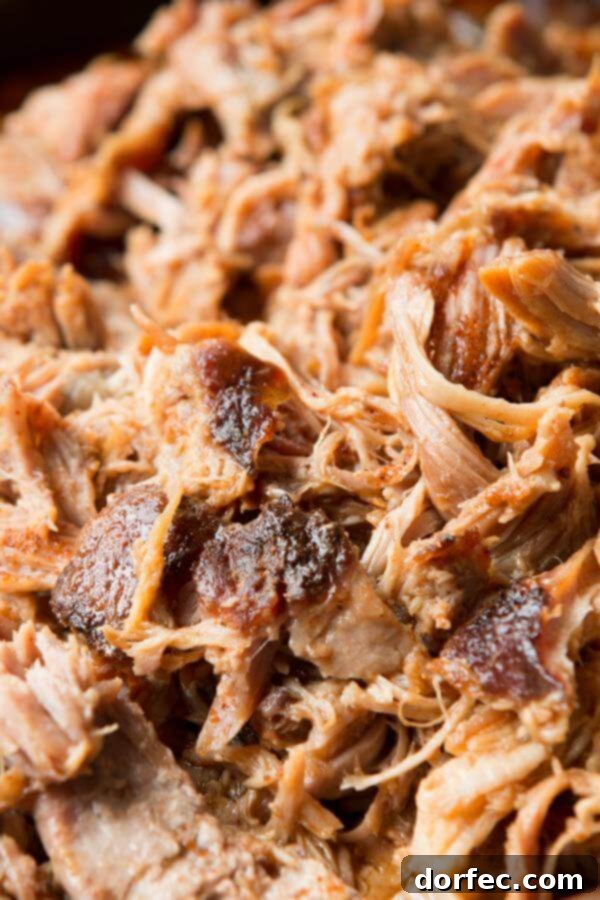
Essential Carolina Pulled Pork Ingredients
To create a truly authentic and flavorful Carolina pulled pork, we break the ingredient list into three critical components: the brine, the dry rub, and the homemade BBQ sauce. Each plays a vital role in building layers of taste and ensuring optimal tenderness.
- Pork Shoulder (or Butt): A 5-8 pound cut is ideal. This specific cut is rich in connective tissue and marbling, which, when cooked low and slow, renders into incredible moisture and flavor.
The Pulled Pork Brine: Foundation of Flavor and Moisture
The brine is arguably the most crucial step in achieving exceptionally juicy and flavorful pulled pork. It tenderizes the meat from the inside out and infuses it with a foundational layer of taste. Here’s what you’ll need for this essential step:
- Water: The base for dissolving the brining agents.
- Apple Cider: This is a key ingredient for authentic Carolina flavor. It adds a subtle fruity sweetness and acidity that helps tenderize the pork without imparting an overly apple-like taste. Note: We specify apple cider, NOT cider vinegar, for this brine. However, many of our readers have mistakenly used apple cider vinegar with surprisingly delicious results, demonstrating its versatility. While we prefer the nuanced flavor of cider, feel free to experiment with vinegar for a tangier profile.
- Kosher Salt: Essential for the brining process, it penetrates the meat, helping it retain moisture and seasoning it deeply.
- Dark Brown Sugar: Balances the saltiness and acidity, contributing to a rich, caramelized crust during cooking.
- Dry Rub (a portion of it): Incorporating some of the dry rub into the brine further enhances the flavor profile, creating a cohesive taste from start to finish.
- Bay Leaves: Offer a subtle herbaceous note that complements the pork beautifully.
- Red Pepper Flakes: Provide a hint of warmth and a gentle kick, which is characteristic of Carolina barbecue.
The Pulled Pork Dry Rub: The Heart of the Flavor
This robust dry rub is packed with aromatic spices that create a flavorful crust, known as the “bark,” during the long cooking process. It’s a perfect balance of savory, sweet, and a touch of heat:
- Onion Powder: Adds a savory depth.
- Smoked Paprika: Delivers a beautiful color and a crucial smoky flavor, even when cooking in the oven.
- Garlic Powder: A foundational savory element that enhances all the other flavors.
- Chili Powder: Contributes warmth and a complex spice blend.
- Kosher Salt: Reinforces the seasoning and helps draw out moisture to create the bark.
- Black Pepper: Provides a classic pungent kick.
- Cayenne Pepper: For those who love a bit more heat; adjust to your preference.
- Dry Mustard: Adds a tangy, sharp note that complements pork wonderfully.
- Cumin: Earthy and warm, it adds an exotic touch to the rub.
- Brown Sugar: Helps create a delicious caramelized crust and balances the spices.
Homemade BBQ Sauce: The Tangy Finish (Optional but Recommended)
While a quality store-bought BBQ sauce can work, for the most authentic and unforgettable Carolina pulled pork experience, a homemade sauce is highly recommended. Carolina BBQ sauces are typically vinegar-based, offering a sharp, tangy contrast to the rich pork.
- Apple Cider Vinegar: The primary base for the tangy, bright flavor.
- White Vinegar: Enhances the sharpness and acidity.
- Brown Sugar: Provides sweetness to balance the vinegars and chili powder.
- Chili Powder: Adds a subtle spice and complexity.
- Red Pepper Flakes: For an extra layer of heat.
- Salt: To season the sauce perfectly.
Detailed measurements for all these ingredients can be found in the comprehensive recipe card located at the conclusion of this post.
Choosing the Perfect Pork for Pulled Pork
The foundation of truly exceptional pulled pork begins with selecting the correct cut of meat. Most professional barbecue establishments favor whole bone-in pork shoulders due to their ideal fat-to-meat ratio and connective tissue content, which renders beautifully during slow cooking. However, these can be challenging to find in standard grocery stores. If you are fortunate enough to locate a whole shoulder, it’s highly recommended.
Otherwise, the next best and most commonly available option is a Boston butt (also known as a pork butt or pork shoulder butt). Despite its name, the Boston butt actually comes from the upper part of the pig’s front shoulder, not the rear. It’s rich in marbling and contains a good amount of collagen, making it perfect for the “low and slow” method as it breaks down into gelatin, keeping the meat incredibly moist and tender. The other half of the shoulder is called the picnic shoulder, which can also be used, though the Boston butt is generally preferred for its more consistent fat distribution.
Mastering Oven-Baked Pulled Pork: A Step-by-Step Guide
While the total time for this pulled pork recipe might seem extensive, each individual step is remarkably straightforward, requiring minimal active effort. The key is patience and allowing the low oven temperature to work its magic. Here’s a detailed overview of how to achieve perfect, tender pulled pork right in your oven:
- Prepare the Dry Rub: In a small bowl, meticulously combine all the ingredients for your dry rub. Ensure they are thoroughly mixed to guarantee an even flavor distribution when applied to the pork. This blend of spices is crucial for developing the characteristic “bark” and deep flavor.
- Brine the Pork Shoulder: In a large, non-reactive container or stock pot, stir together all the ingredients designated for the pork shoulder brine. Submerge the pork shoulder completely in this flavorful liquid. Allow the pork to soak in the brine in the refrigerator for a minimum of 12 hours, up to 24 hours. This critical step infuses the meat with moisture and seasoning, ensuring tenderness and preventing dryness during the long cook.
- Prepare for Roasting: Once brining is complete, remove the pork from the liquid and place it in a large roasting dish or a sturdy baking pan. Use paper towels to pat the pork thoroughly dry on all sides. A dry surface is essential for the rub to adhere properly and for a desirable crust to form.
- Apply the Dry Rub: Generously rub the prepared pulled pork seasoning all over the meat, ensuring every crevice and surface is coated. Reserve a small amount (about 2 tablespoons) of the dry rub for a final flavor boost after the pork is shredded.
- Slow Roasting in the Oven: Position the pork in your roasting pan with the fat cap facing upwards. This allows the fat to slowly render and baste the meat below, keeping it moist. Bake the pork at a very low temperature (typically 225-250°F or 107-121°C) for an extended period. Insert a reliable meat thermometer into the thickest part of the pork, avoiding the bone, and continue baking until it registers an internal temperature of 200ºF (93°C). This high internal temperature is what allows the collagen to fully break down, resulting in incredibly shreddable meat.
- The Essential Resting Period: Once the pork reaches the target temperature, turn off the oven but leave the pork inside for an additional 1 to 2 hours. Alternatively, if you need your oven, remove the pork, cover it tightly with foil, and let it rest on your countertop. This resting period is absolutely critical; it allows the muscle fibers to relax and reabsorb the juices, ensuring maximum moisture and tenderness. Do not skip this step!
- Shredding the Pork: After resting, carefully remove the pork from the oven. The fat cap should be easily removable at this point. Using two forks, begin to shred the meat. It should be so tender that it practically falls apart. Remove any bones, which should slide out cleanly, and discard any excess fat that hasn’t rendered.
- Final Flavor Infusion: Drain approximately half of the accumulated juices from the pan, leaving enough to keep the pork moist. Add the reserved dry rub and drizzle a generous amount of your homemade (or preferred Carolina-style) BBQ sauce over the shredded pork. Toss everything together to ensure the pork is evenly coated and deeply flavored.
- Serve and Enjoy: Your perfect Carolina pulled pork is now ready! Serve it piled high on soft burger buns or hoagies for classic sandwiches, or enjoy it as a standalone dish alongside creamy coleslaw and your favorite Southern sides.

The Art of “Low and Slow”: How Long to Cook Pulled Pork
For those familiar with Southern barbecue traditions, the mantra of “LOW AND SLOW” isn’t just a suggestion—it’s practically a culinary law. It’s a common misconception among beginners to rush the cooking process, leading to tough, dry meat. True barbecue is incredibly relaxed, much like the Southern hospitality it represents. It demands time to truly come into its own.
Our recipe calls for the pork to cook for at least 12 hours, and sometimes even longer, especially for larger cuts. The goal is not merely to reach a safe internal temperature, but to achieve a specific level of tenderness where the meat’s collagen has fully broken down. This typically occurs when the internal temperature of the pork reaches around 200°F (93°C). At this point, the meat will yield easily to shredding. Patience is your most valuable ingredient here; resisting the urge to increase the oven temperature or shorten the cooking time is crucial for succulent, fall-apart results. Do not rush this process – the extended cooking at a low temperature is what guarantees juicy, flavorful pulled pork every single time.
Smoking vs. Oven Roasting: Can I Make Pulled Pork on a Smoker?
Absolutely! While this recipe focuses on achieving fantastic results in a conventional oven, true barbecue enthusiasts often prefer the distinct smoky flavor imparted by a smoker. If you have a smoker and wish to pursue that authentic smoky profile, we highly recommend consulting our specialized Smoked Pulled Pork Recipe. This guide provides detailed, step-by-step instructions specifically for smoking pulled pork, particularly on a Traeger grill, ensuring a perfect smoky bark and deep flavor that only a smoker can provide.
Adapting to Convenience: Can This Pulled Pork Recipe Be Made in a Slow Cooker?
Yes, it is possible to make pulled pork in a slow cooker, but we’ve found that it often doesn’t quite do justice to the depth of flavor and texture achieved through oven roasting or smoking. The moist, enclosed environment of a slow cooker tends to prevent the formation of the delicious, caramelized “bark” that is so prized in Carolina pulled pork.
Additionally, fitting a large pork butt, typically 5-8 pounds, into a standard slow cooker can be challenging. If you do opt for a slow cooker, ensure your cut of pork fits comfortably. Follow the brining instructions as written to ensure flavor and moisture. When transferring to the slow cooker, there’s no need to add any extra liquid; the pork itself will release plenty of juice during the long cooking process to keep it moist. It will cook for a similar extended duration on the low setting, typically 8-10 hours, or until it reaches the desired shreddable tenderness.
Advance Preparation: How to Prep Carolina Pulled Pork in Advance
Preparing this delicious Carolina pulled pork in advance is not only feasible but highly recommended, especially when catering for a large gathering or for convenient meal prepping. As one reader, Kate, inquired about cooking ahead for a cabin trip, the answer is a resounding “yes!” We frequently employ make-ahead strategies with this recipe.
You have two excellent options for advanced preparation:
- Immediate Transport and Rest: Cook the pork fully as per the recipe. Once done, remove it from the oven, cover it tightly with foil, and immediately transport it to your destination. The residual heat will continue the crucial resting process during your journey, ensuring the pork remains incredibly juicy and ready to shred and serve a couple of hours after arrival.
- Freezing for Future Enjoyment: For longer-term planning, prepare and cook the pulled pork completely, including the resting and shredding steps. Allow the shredded pork to cool entirely. Then, portion it into freezer bags. For optimal freshness and to prevent freezer burn, we highly recommend using a Foodsaver vacuum sealer to remove all air before freezing. Properly stored, the pork will maintain its quality for up to three months in the freezer.
Reheating Frozen Pulled Pork: To reheat, simply transfer the frozen pork to the refrigerator to defrost overnight. Once thawed, gently reheat it in a large pan on the stovetop over low heat with a little oil, covered with a lid to trap steam and maintain moisture. Alternatively, you can reheat it in a low oven (around 250°F / 120°C) in a foil-covered dish until thoroughly warmed through, typically reaching an internal temperature of 165°F (74°C). The result will be perfectly fresh-tasting and juicy, as if it were just cooked.
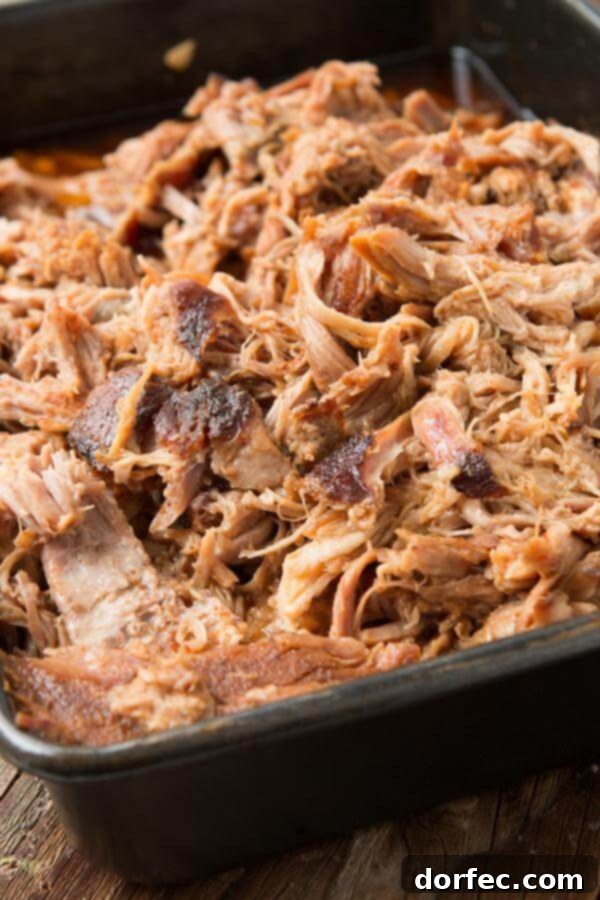
Expert Tips for Unbeatable Pulled Pork
Achieving truly exceptional pulled pork goes beyond just following the steps; a few key techniques can elevate your results from good to legendary.
The most crucial tip to remember when making this pulled pork recipe is to **allow the meat to rest adequately after it finishes cooking.** This process is often overlooked but is paramount for juicy results. Because it’s a large cut cooked for an extended period, it requires a longer resting time—ideally an hour or even two—before you begin shredding. This period allows the muscle fibers to relax and reabsorb all those delicious juices that might otherwise escape when cut, ensuring every bite is moist and flavorful.
Perhaps the biggest secret of all, one we gleaned from observing seasoned pitmasters (much like those featured on Diners, Drive-Ins and Dives), is to **sprinkle a little more of the dry rub onto the shredded meat just before serving.** We noticed many barbecue joints weren’t just generously slathering on sauce; they were also adding an extra dusting of that potent dry rub over the shredded pork and tossing it to combine. This simple step delivers an incredible burst of fresh spice, enhancing the “bark” flavor and creating an irresistible aroma and taste. You won’t believe the difference this makes!
Finally, don’t be afraid to **experiment with different types of BBQ sauce** to personalize your Carolina pulled pork experience. While a traditional vinegar-based sauce is classic for this style, various regional options offer delightful variations. For example, Carrian enjoys a thicker, sweeter sauce or a classic Carolina vinegar BBQ sauce, while others might prefer the tangy zest of a Carolina Mustard BBQ Sauce on their homemade pulled pork. Each style brings its own unique character to the dish, allowing you to tailor it to your palate.
Perfect Pairings: What to Serve with Carolina Pulled Pork
No barbecue feast is complete without a selection of delicious sides. Carolina pulled pork, with its rich flavor and tender texture, pairs wonderfully with a variety of classic Southern accompaniments. We highly recommend firing up the grill and making our irresistible grilled corn; its sweet, smoky char is the perfect complement. And for ultimate comfort food, don’t forget a side of creamy Southern mac and cheese. A few other beloved pulled pork sides include:
- Macaroni Salad: Creamy, tangy, and a picnic staple.
- Southern English Pea Salad: A refreshing, flavorful side with a hint of sweetness.
- Broccoli Salad: A crunchy, vibrant salad with a savory-sweet dressing.
- Roasted Potato Salad: A warm, hearty alternative to traditional potato salad.
- Baked Beans: Sweet, smoky, and a quintessential BBQ side.
Storing and Reheating Your Pulled Pork
Proper storage and reheating are key to enjoying your delicious Carolina pulled pork long after the initial feast. Leftover pulled pork should be transferred to an airtight container and refrigerated promptly. It will maintain its quality and flavor for up to 3-4 days in the fridge.
For longer storage, pulled pork freezes exceptionally well. Allow the meat to cool completely before portioning it into freezer-safe bags. For superior preservation and to prevent freezer burn, we highly recommend using a Food Saver vacuum sealer; it locks in freshness for up to 3 months. To use, simply thaw in the refrigerator overnight.
Repurpose your leftovers creatively in dishes like pulled pork pizza or flavorful pulled pork nachos! If you simply wish to reheat it, preheat your oven to a low temperature of 250°F (120°C). Place the pork in an oven-safe dish, cover it tightly with foil, and heat for about 30 minutes, or until it reaches an internal temperature of 165°F (74°C). This gentle reheating method ensures the pork remains moist and tender.
Prepare for the juiciest and most flavorful pulled pork you’ll ever taste! This exceptional recipe for Carolina pulled pork is guaranteed to be a crowd-pleaser and a staple in your culinary repertoire.
Explore More Irresistible PORK DINNER RECIPES:
- Pork Chop and Rice Casserole
- Classic Pork Carnitas
- Copycat Cafe Rio Sweet Pork
- BBQ Pulled Pork Tacos
- Pineapple Braised Pork
- Classic Pork Roast (+ Pan Gravy)
- Grandpa’s BBQ Pulled Pork
- Pork Chops with Apple Chutney
- Country-Style Pork Ribs (in an Instant Pot)
- …Discover all of our MAIN DISH recipes!
World’s Best Carolina Pulled Pork
Ingredients
- 5-8 Pound Pork Butt, bone in and fat pad on top
For the Dry Rub
- 1 Tablespoon Onion Powder
- 1 Tablespoon Smoked Paprika, heaping
- 1 Tablespoon Garlic Powder
- 1 Tablespoon Chili Powder
- 1 ½ Tablespoon Kosher Salt
- 1 Tablespoon Pepper
- 2 teaspoons Cayenne Powder
- 2 teaspoons Dry Mustard
- 1 Tablespoon Cumin
- 1/2 Cup Dark Brown Sugar
For the Brine
- 4 Cups Water
- 4 Cups Apple Cider
- 1/2 Cup Kosher Salt
- 1/2 Cup Dark Brown Sugar
- 3 Tablespoons Dry Rub, heaping
- 1 Pinch Red Pepper Flakes
- 2 Bay Leaves
For the BBQ Sauce (Optional)
- 1/2 Cup Apple Cider Vinegar
- 1/2 Cup White Vinegar
- 1/4 Cup Brown Sugar, up to 1/3 Cup
- 1/2 teaspoon Chili Powder
- 2 Pinches Red Pepper Flakes
- Salt, to taste
Instructions
-
NOTE: This recipe should be started 2 days ahead of time as you need 24 hours in the fridge, 12-14 in the oven and 2 hours of resting.
Prepare the Dry Rub:
-
Combine all of the dry rub ingredients together in a resealable plastic bag. Ensure they are well mixed. Set aside for later use.1 Tablespoon Onion Powder, 1 Tablespoon Smoked Paprika, 1 Tablespoon Garlic Powder, 1 Tablespoon Chili Powder, 1 ½ Tablespoon Kosher Salt, 1 Tablespoon Pepper, 2 teaspoons Cayenne Powder, 2 teaspoons Dry Mustard, 1 Tablespoon Cumin, 1/2 Cup Dark Brown Sugar
For the Brine:
-
In a large stock pot or a non-reactive container, combine the water, apple cider, kosher salt, dark brown sugar, 3 heaping tablespoons of your prepared dry rub, red pepper flakes, and bay leaves. Stir well until the salt and sugar are dissolved.4 Cups Water, 4 Cups Apple Cider, 1/2 Cup Kosher Salt, 1/2 Cup Dark Brown Sugar, 3 Tablespoons Dry Rub, 2 Bay Leaves, 1 Pinch Red Pepper Flakes
-
Rinse the pork butt under cold water to remove any loose particles, then submerge it completely in the prepared brine. Place a lid on the pot to ensure it’s fully covered.5-8 Pound Pork Butt
-
Refrigerate the brining pork for 12 to 24 hours. This long brining period is crucial for maximum moisture and flavor penetration.
For the Sauce:
-
In a glass jar or small bowl, combine all the BBQ sauce ingredients. Secure the lid (if using a jar) and shake vigorously, or whisk until well combined. Set aside; the flavors will meld as it sits.1/2 Cup Apple Cider Vinegar, 1/2 Cup White Vinegar, 1/4 Cup Brown Sugar, 1/2 teaspoon Chili Powder, 2 Pinches Red Pepper Flakes, Salt
To Cook:
-
Preheat your oven to a low temperature of 225 degrees F (107°C). This low heat is essential for the “low and slow” cooking method, allowing the meat to tenderize gradually.
-
Remove the pork from the brine and place it into a large roasting dish or a 9×13-inch baking pan. Ensure the pork fits without touching the sides excessively, allowing for even cooking.
-
Using paper towels, pat the pork very dry on all surfaces. This step is critical for the dry rub to adhere properly and to encourage the formation of a flavorful crust (bark).
-
Remove and set aside about 2 tablespoons of the dry rub in a separate resealable bag. This reserved rub will be used later for a final flavor boost after the pork is cooked and shredded.
-
Generously rub the remaining dry seasoning mixture all over the pork, ensuring it’s thoroughly coated in any cracks or flaps of meat. This creates the delicious “bark.”
-
Insert a meat thermometer into the thickest part of the pork, making sure it doesn’t touch the bone. Place the pork, fat-side up, into the preheated oven.
-
Bake for 12-14 hours, or until the meat thermometer registers an internal temperature of 200 degrees F (93°C) in the thickest part. The cooking time can vary based on the size and shape of your pork butt; monitor the temperature, not just the clock. Some ovens automatically turn off after a certain time, so be aware and reset if necessary.
-
Once the pork reaches 200°F, turn off the oven and leave the pork inside to rest for two hours. If you need the oven for other dishes, remove the pork, cover it tightly with foil, and let it rest on your countertop. This resting period is critical for juicy, tender results.
-
After the resting period, remove the pork from the dish. The fat cap should be easily removed. Using two forks, begin to shred the meat; it should be incredibly tender and fall apart effortlessly. Remove and discard the bone at this point.
-
Drain about half of the accumulated pan juices, leaving some to keep the pork moist. Add the remaining reserved dry rub to taste, tossing to coat the shredded pork thoroughly. Drizzle a little of your homemade vinegar sauce over everything and toss again for a final flavor infusion.
-
Serve immediately as is, or pile high on soft buns for classic pulled pork sandwiches.
Recipe Notes
Nutrition
Nutrition information is automatically calculated, so should only be used as an approximation.