
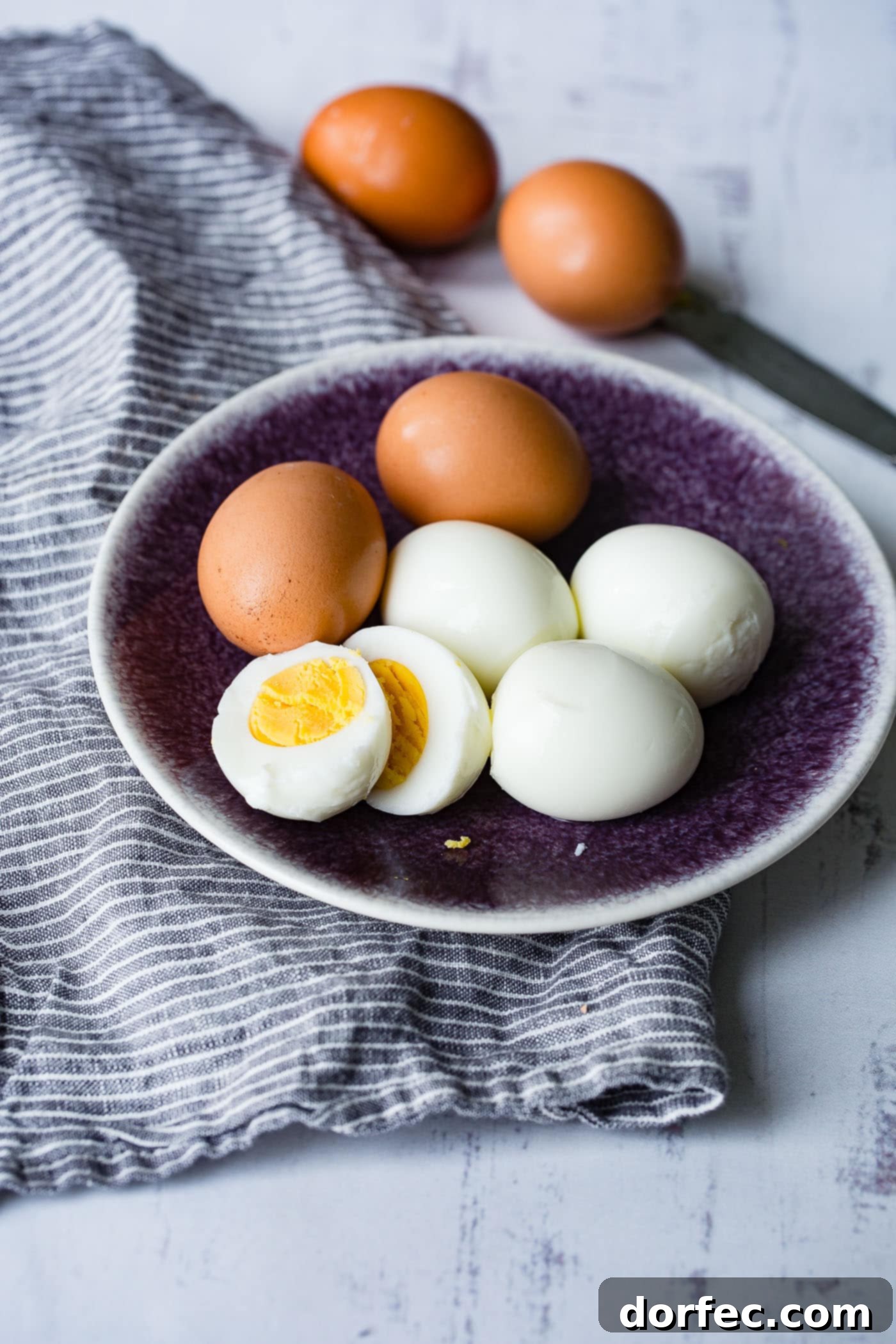
The Ultimate Guide to Perfect Instant Pot Hard Boiled Eggs
Discover the easiest and most consistent method for making perfectly cooked, effortlessly peelable hard boiled eggs right in your Instant Pot. Whether you’re a seasoned chef or new to pressure cooking, this comprehensive guide will equip you with all the tips, tricks, and step-by-step instructions to master Instant Pot hard boiled eggs every single time. Say goodbye to frustrating peeling and unevenly cooked yolks, and prepare to enjoy flawless hard boiled eggs for all your culinary needs, from delicious Deviled Eggs to quick, nutritious snacks.
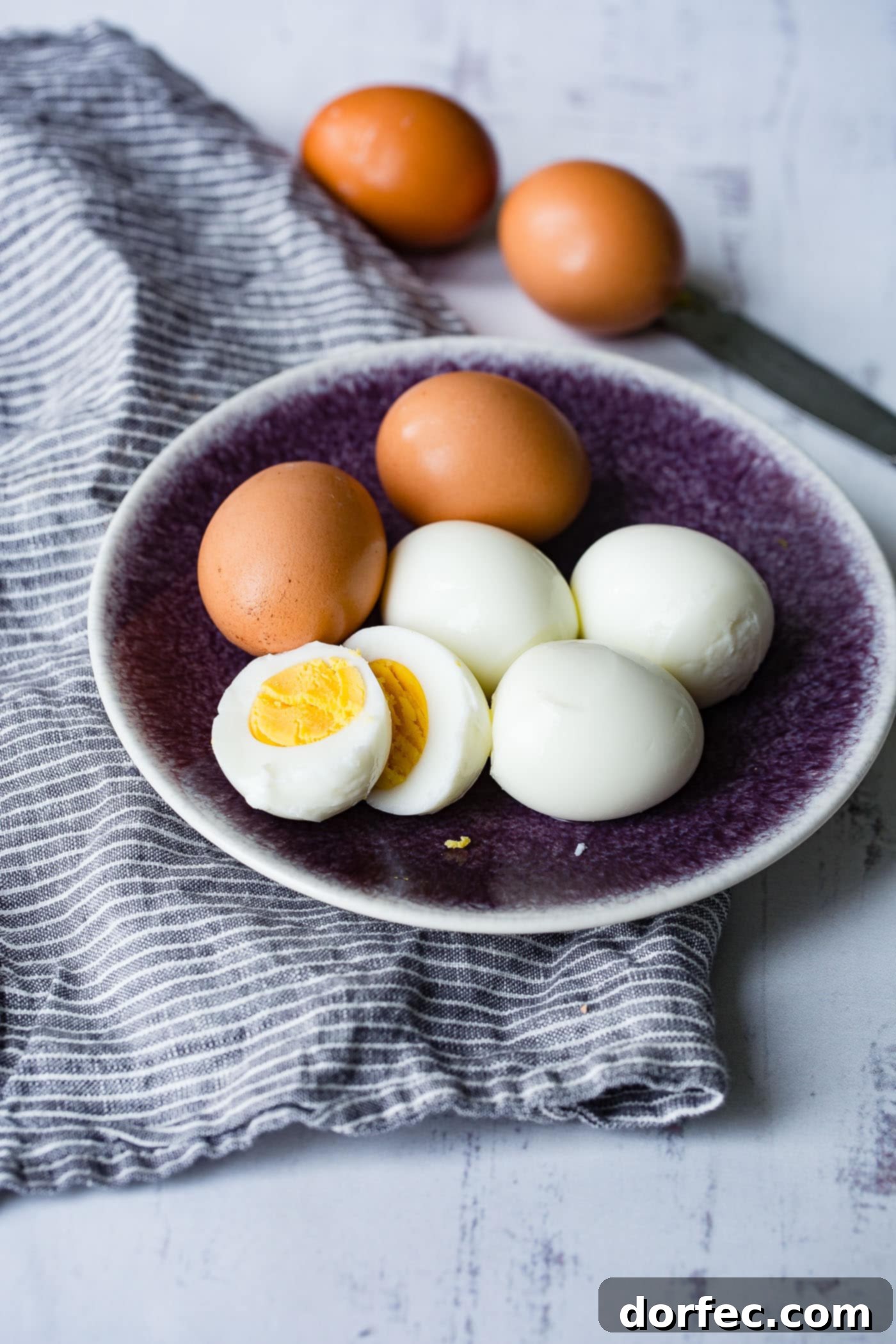
Why Choose the Instant Pot for Hard Boiled Eggs?
Many people stick to traditional stovetop methods for hard boiling eggs, but once you try the Instant Pot, you’ll likely never go back. The pressure cooker offers several distinct advantages that make it the superior choice for preparing hard boiled eggs:
- Unmatched Consistency: The Instant Pot provides a controlled and even cooking environment. This means every egg in your batch will be cooked precisely to your desired level of doneness, from a jammy soft-boil to a perfectly firm hard-boil, eliminating guesswork and delivering reliable results.
- Effortless Peeling: This is arguably the biggest game-changer. The high-pressure steam generated by the Instant Pot helps to create a tiny gap between the egg white and the inner membrane. This makes the shells incredibly easy to peel, often sliding off in large pieces, even with very fresh eggs that are usually notorious for sticking.
- Time-Saving and Hands-Off: While the Instant Pot takes a few minutes to come to pressure, the actual cooking time is short, and the process is entirely hands-off. You don’t need to monitor a boiling pot or adjust heat, freeing you up to prepare other meal components or simply relax.
- Simple and Reliable: The method is remarkably simple. With just a few basic steps and a consistent cooking time, you can achieve perfect results without constant adjustments or the worry of over or undercooking.
- Energy Efficiency: Pressure cooking generally uses less energy than boiling water on a stovetop for the same task, making it a more environmentally friendly option for your kitchen.
Mastering Instant Pot Hard Boiled Eggs: A Simple Guide
Creating perfect hard boiled eggs in your Instant Pot is incredibly straightforward. Follow these steps for consistently delicious results that are a joy to peel.
Essential Equipment You’ll Need
- Instant Pot: A 6-quart or 8-quart model is most commonly used and provides ample space for batch cooking.
- Metal Trivet: This is an absolute must-have. It keeps the eggs elevated above the water, allowing them to cook evenly in the circulating steam. Most Instant Pots come with a suitable trivet.
- Large Bowl: Essential for preparing an ice bath, which is a crucial step for easy peeling.
- Slotted Spoon or Tongs: For carefully transferring the hot eggs to prevent cracking and ensure safety.
Step-by-Step Instructions for Flawless Eggs
Achieving perfectly cooked, easy-to-peel hard boiled eggs in your Instant Pot boils down to three simple, yet critical, steps:
- Prepare the Instant Pot: Begin by adding about 1 cup of cold water to the inner pot of your 6 or 8-quart Instant Pot. Next, place the metal trivet into the pot. Gently arrange your eggs on top of the trivet. It’s perfectly fine if the eggs touch each other, but it’s important to ensure they do not directly touch the sides or the bottom surface of the Instant Pot. Direct contact can sometimes lead to minor discoloration (a brown spot) on the egg white after peeling.
- Pressure Cook the Eggs: Secure the lid on your Instant Pot, ensuring it’s properly sealed. Rotate the steam release valve to the “Sealing” position. Select the “Manual” or “Pressure Cook” setting (depending on your Instant Pot model), choose high pressure, and set the cooking timer for 6 to 7 minutes. Once the cooking cycle is complete, immediately perform a quick pressure release (QPR) by carefully turning the steam release valve to the “Venting” position. Stand clear of the steam as it releases. This rapid release of pressure promptly stops the cooking process, preventing overcooking and ensuring tender egg whites.
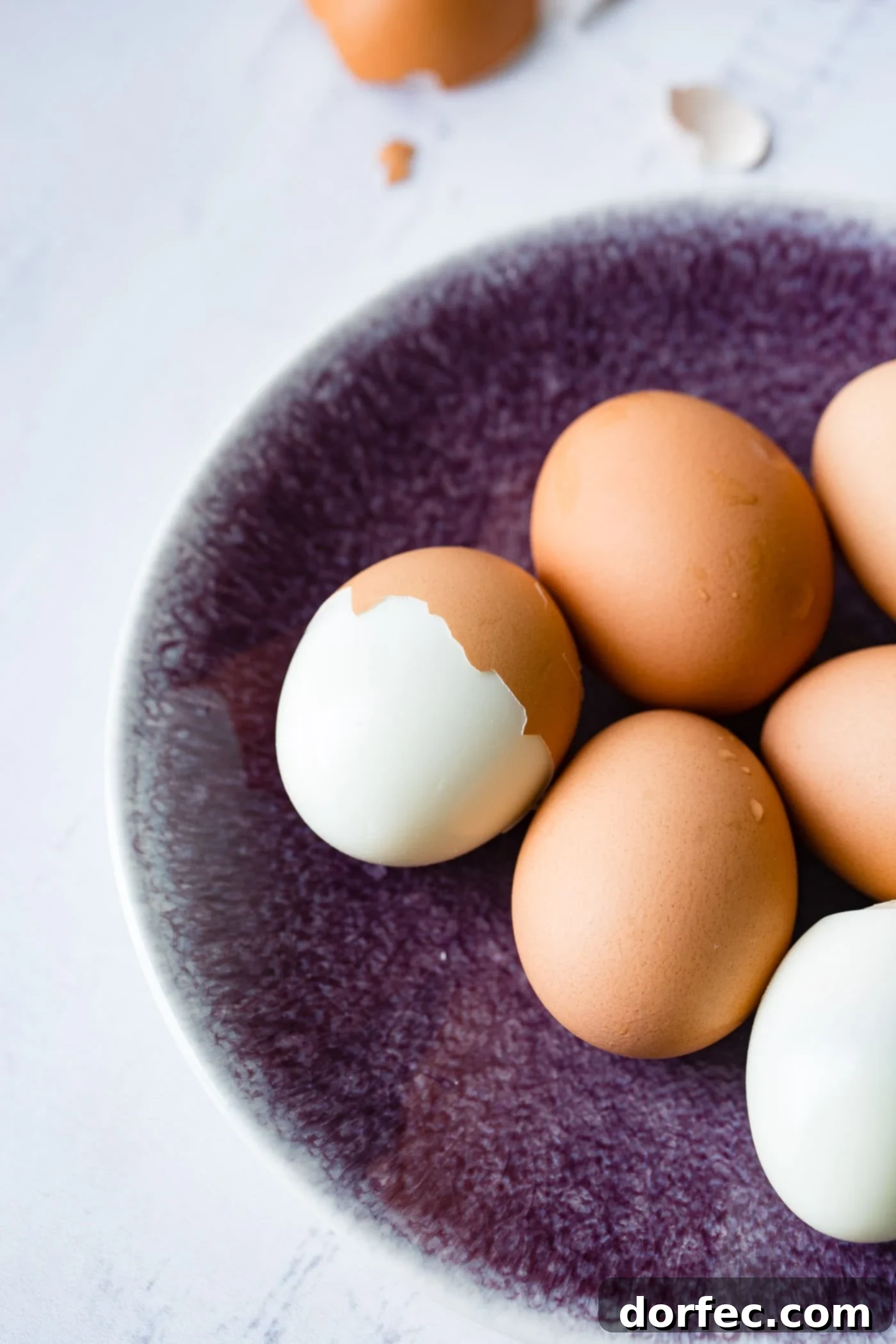
- The Essential Ice Bath: As soon as the pressure has been fully released, carefully open the Instant Pot lid. Using a slotted spoon or tongs, immediately transfer all the cooked eggs into a large bowl that you have prepared with ice water. Allow the eggs to cool completely in this ice bath for at least an hour. This rapid cooling process serves two crucial purposes: it halts the cooking, preventing the dreaded greenish ring around the yolk, and it causes the egg white to contract, creating a tiny air gap that makes the eggs incredibly easy to peel. After they’ve chilled thoroughly, drain the water and peel your perfectly cooked eggs. You’ll be amazed at how effortlessly the shells come off!
Pro Tips for the Best Instant Pot Hard Boiled Eggs
While the Instant Pot method is generally forgiving and reliable, a few expert tips can elevate your hard boiled eggs from merely good to absolutely perfect every single time.
- Use the Right Size Instant Pot: For most home cooks, a 6-quart or 8-quart Instant Pot is ideal for cooking hard boiled eggs. These sizes ensure proper steam circulation and sufficient space, whether you’re cooking a small batch or a dozen.
- Brown Eggs vs. White Eggs: The Peeling Secret: Many experienced cooks claim that brown eggs tend to peel more easily than white eggs, a common observation that holds true even with the Instant Pot method. While the Instant Pot significantly improves peeling for all eggs, you might notice a slight advantage with brown varieties.
- Preventing Eggs from Touching the Sides: Always remember to use a metal trivet to elevate your eggs. If an egg directly touches the hot inner pot surface during cooking, it can sometimes result in a small, harmless brown spot on the egg white after peeling. While this doesn’t affect taste or safety, it’s easily avoided by ensuring all eggs are on the trivet.
- Freshness Matters: Older Eggs for Easier Peeling: This might sound counter-intuitive, but eggs that are a few days to a week old actually tend to peel more easily than very fresh eggs. This is because as eggs age, the pH of the whites increases, and the membrane separates more readily from the shell. If you have the option, save your freshest eggs for scrambling and use slightly older ones for hard boiling.
- The Importance of a Proper Ice Bath: Do not skip or shorten the ice bath step! It’s absolutely critical for two main reasons: it immediately stops the cooking process, preventing any carryover cooking that could lead to green yolks, and the rapid temperature change helps the egg white contract, creating that essential air gap that makes the shells practically fall off.
- Adjusting Cook Time for Desired Doneness: The 6-7 minute high-pressure cook time is ideal for firm hard-boiled eggs. However, you can adjust the time to achieve different consistencies:
- Soft-Boiled (Runny Yolk): Try 4-5 minutes at high pressure with a quick release.
- Medium-Boiled (Jus-Set Yolk): Aim for 5-6 minutes at high pressure with a quick release.
- Hard-Boiled (Firm Yolk): Stick to the recommended 6-7 minutes at high pressure with a quick release.
Frequently Asked Questions About Instant Pot Hard Boiled Eggs
Can You Overcook Hard Boiled Eggs in an Instant Pot?
Absolutely. While the Instant Pot offers excellent control, just like with any cooking method, hard boiled eggs can certainly be overcooked. An overcooked egg is easily identified by a few tell-tale signs: the yolk will often develop an unappetizing greenish-gray ring around its perimeter, and the egg white may acquire a rubbery, tough texture. This discoloration occurs when sulfur compounds in the egg white react with iron in the yolk, forming ferrous sulfide. While harmless, it detracts from the egg’s appearance and texture.
To consistently avoid overcooking, it’s crucial to stick to the recommended cooking times for your desired doneness (6-7 minutes for hard-boiled) and, most importantly, perform a quick pressure release immediately after the cooking cycle completes. Following this with a proper ice bath is also key to halting the cooking process and preserving that perfect yolk color.
Are Overcooked Hard Boiled Eggs Safe to Eat?
Yes, unequivocally! While an overcooked hard boiled egg might not win any beauty contests or feel as tender to the bite, it is entirely safe to consume. The greenish discoloration around the yolk is purely a chemical reaction, not an indicator of spoilage or any health risk. So, if you accidentally leave them in the Instant Pot a little too long, there’s no need to discard them – they’re still packed with protein and nutrients, perfect for a quick snack or chopping into an egg salad where the color is less noticeable.
How Long Do Hard Boiled Eggs Last?
Proper storage is essential to maintain the freshness and safety of your Instant Pot hard boiled eggs. When stored correctly, they can last for a significant period:
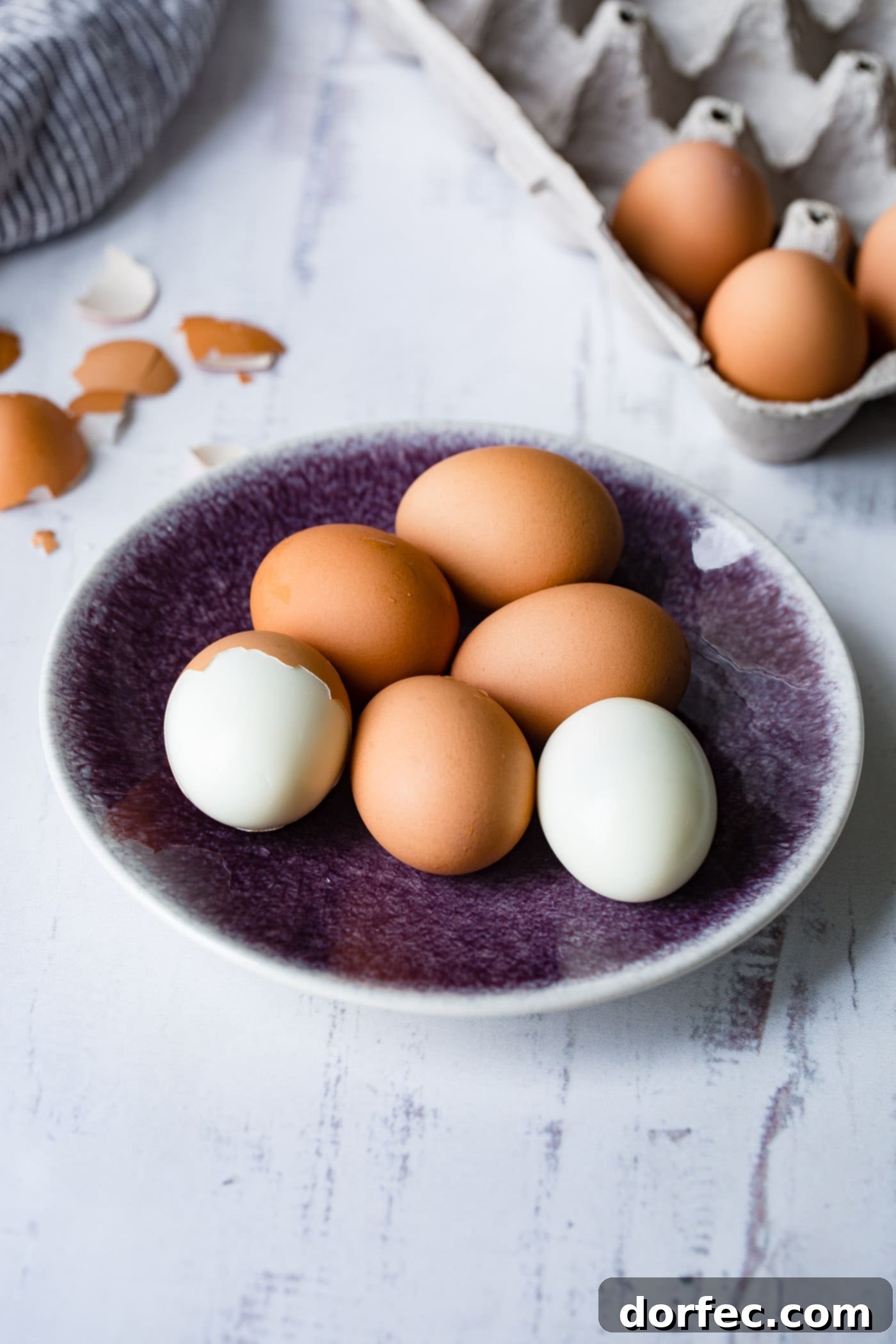
- Unpeeled Eggs: Hard boiled eggs, still in their shell, will remain fresh for up to one week when stored in the refrigerator. Keeping them in their original carton or an airtight container in the coldest part of your fridge is best. The shell acts as a natural protective barrier, preventing the egg from absorbing odors from other foods and helping to retain moisture.
- Peeled Eggs: Once peeled, hard boiled eggs should also be stored in the refrigerator and consumed within one week. For optimal freshness and to prevent them from drying out, place peeled eggs in an airtight container filled with cold water. Change the water daily. Alternatively, you can store them in an airtight container without water, but their surface might dry out slightly over time.
Always trust your senses: discard any hard boiled eggs that develop an unusual, sulfurous odor, a slimy texture, or a chalky appearance, as these are clear signs of spoilage.
How Many Eggs Can You Hard Boil in an Instant Pot?
One of the great advantages of using an Instant Pot for hard boiled eggs is its versatility in handling various quantities. If you are using a standard 6-quart or 8-quart Instant Pot, you can comfortably cook anywhere from a small batch of 2 eggs up to a larger batch of 12 eggs (a full dozen) at a time. The key is to ensure they are arranged in a single layer on the trivet. If you’re cooking more than will fit in a single layer, you can gently stack them, especially if you have an egg rack, as long as you don’t overcrowd the pot. The total pressure cooking time remains consistent regardless of the number of eggs, as the cooking is driven by the internal steam pressure, not the quantity of food. Just ensure you still use 1 cup of water and perform a quick release and ice bath as instructed.
Why Did My Eggs Explode in the Instant Pot?
Egg explosions in the Instant Pot, while uncommon when proper techniques are followed, can be quite startling and messy. Fortunately, they are almost always preventable. Here are the most common reasons why eggs might explode during Instant Pot cooking and how you can avoid them:
- Forgetting to Add Water: The Instant Pot requires liquid to create the steam necessary for pressure building. Without sufficient water (typically 1 cup for most models), the pot cannot pressurize correctly. This can lead to overheating, erratic cooking, and a higher risk of eggs cracking or exploding due to internal pressure buildup without the cushioning effect of steam. Always double-check your water level.
- Not Using a Trivet: Placing eggs directly on the bottom of the Instant Pot’s inner pot is a common mistake. This exposes them to direct, intense heat, which can cause them to crack or explode as they heat unevenly and rapidly. The trivet is essential for elevating the eggs, allowing them to cook gently and evenly in the steam.
- Cooking the Eggs for Too Long: Excessive cooking time under high pressure can cause the internal pressure within the eggs to build up beyond what the shell can withstand, leading to cracks or outright explosions. Stick precisely to the recommended times for your desired doneness (6-7 minutes for hard-boiled).
- Using Natural Pressure Release Instead of Quick Release: For hard boiled eggs, a quick pressure release (QPR) is crucial for stopping the cooking process promptly. If you use a natural pressure release (NPR), the eggs continue to cook inside the hot Instant Pot for an extended period, which not only overcooks them but also increases the risk of explosions. Always perform a quick release immediately after the cooking time ends.
- Already Cracked Eggs: Before placing your eggs in the Instant Pot, take a moment to inspect them for any hairline cracks. Even tiny, barely visible cracks can expand under pressure, leading to an explosion. Use only eggs with intact shells.
Troubleshooting Common Instant Pot Hard Boiled Egg Issues
Even with the best techniques, occasionally you might encounter minor issues. Here’s how to troubleshoot them for consistently perfect Instant Pot eggs:
- Eggs are Difficult to Peel: If you’re still struggling with peeling, ensure you’re using slightly older eggs (a week old is ideal). Most importantly, verify your ice bath is truly ice-cold and that the eggs are chilling for the full recommended time (at least an hour). The rapid and prolonged cooling is key to that effortless peel.
- Eggs are Undercooked (Yolk Too Runny): If you find the yolks are too soft for your preference, try increasing the high-pressure cooking time by 1 minute for your next batch (e.g., from 6 to 7 minutes). Different egg sizes can also affect doneness.
- Eggs are Too Soft (White not fully set): This usually indicates that the eggs didn’t cook long enough or the Instant Pot didn’t reach full pressure for the entire duration. Double-check your settings and ensure the sealing ring is properly seated. Try adding 1 minute to the cooking time.
- Eggs Cracked During Cooking: This can occur if the eggs had existing hairline cracks (always inspect them!), or if they experienced too rapid a temperature change. Placing room-temperature eggs into the Instant Pot can sometimes reduce cracking. While less common with the Instant Pot due to even heating, you can also add a splash of white vinegar to the water, which can help seal minor cracks if they occur.
Creative Uses for Your Perfect Hard Boiled Eggs
Once you’ve mastered the art of making perfect Instant Pot hard boiled eggs, a world of culinary possibilities opens up. They are a versatile, protein-packed ingredient, perfect for enhancing various dishes or simply enjoyed on their own. Here are some delicious and creative ways to incorporate them into your meals:
- Deviled Eggs: The ultimate classic appetizer! Creamy, tangy, and always a crowd-pleaser for parties, picnics, or a delightful snack.
- Egg Salad Sandwich or Wrap: A timeless comfort food. Mix chopped hard boiled eggs with mayonnaise, mustard, celery, and seasonings for a satisfying lunch or quick bite.
- Harvest Cobb Broccoli Salad: Elevate your salads with sliced or quartered hard boiled eggs to add substantial protein and a lovely texture contrast to fresh greens and vegetables.
- Pea Salad: A creamy, savory side dish often featuring peas, cheese, red onion, and of course, chopped hard boiled eggs, all bound together in a rich dressing.
- Pea Pasta Salad: Combine the goodness of pea salad with your favorite pasta for a more filling and flavorful side dish or light meal, perfect for potlucks.
- Hot and Sour Soup: While unconventional, sliced hard boiled eggs can be a surprising but delightful addition to Asian-inspired soups, adding extra richness and a unique texture.
- Roasted Potato Salad: Take your potato salad to the next level by incorporating perfectly boiled eggs, complementing the tender potatoes and savory dressing.
- 7 Layer Pea Salad: A visually stunning and delicious layered salad that typically includes lettuce, peas, cheese, bacon, and hard boiled eggs, all topped with a creamy dressing.
- Asparagus Avocado Salad: A fresh, healthy, and vibrant salad where the creamy avocado and crisp asparagus pair wonderfully with the rich texture of hard boiled eggs.
- Dill Potato Salad: A flavorful twist on a classic side, where the fresh dill and tender potatoes are perfectly complemented by chopped hard boiled eggs.
- Avocado Egg Salad Wrap: A creamy and nutritious variation of egg salad, where avocado replaces some or all of the mayonnaise for a healthier, richer flavor profile.
- Cobb Salad: Hard boiled eggs are an absolutely essential component of a truly authentic and satisfying Cobb salad, contributing to its rich array of flavors and textures.
- Simple Snack: Sometimes, the best way to enjoy a perfect hard boiled egg is simply on its own with a sprinkle of salt and pepper. It’s a quick, easy, and protein-packed snack.
- Garnish for Soups and Stews: Finely chopped or grated hard boiled eggs can be a beautiful and tasty garnish for a variety of soups, stews, and even curries, adding richness and a pleasant texture.
If you don’t yet own an Instant Pot, don’t worry! You can still make excellent hard boiled eggs using our recipe for making hard boiled eggs on the stovetop. But for unparalleled ease, consistency, and frustration-free peeling, the Instant Pot truly is a game-changer that every kitchen should consider!
Special Bonus: For even more helpful tips and precise cooking times for various ingredients in your pressure cooker, don’t forget to grab our handy Instant Pot Cheat Sheet!
Instant Pot Hard Boiled Eggs: The Full Recipe
Instant Pot Hard Boiled Eggs
Carrian Cheney
5
7
6 eggs
For print-friendly versions or to save this recipe, please visit the original source or use your browser’s print function.
Ingredients
- Water
- 6-12 Eggs
Instructions
-
Add water to a 6-8qt Instant Pot. Place metal trivet into the pot. Gently add eggs on top of the trivet.Water, 6-12 Eggs
-
Select manual setting; adjust pressure to high, and set time for 6-7 minutes.* When finished cooking, quick-release pressure according to manufacturer’s directions.
-
Cool eggs in a bowl of ice water for 1 hour. Drain well and peel.
Recipe Notes
Nutrition
Serving: 1g
,
Calories: 63kcal
,
Carbohydrates: 0.3g
,
Protein: 6g
,
Fat: 4g
,
Saturated Fat: 1g
,
Polyunsaturated Fat: 1g
,
Monounsaturated Fat: 2g
,
Trans Fat: 0.02g
,
Cholesterol: 164mg
,
Sodium: 62mg
,
Potassium: 61mg
,
Sugar: 0.2g
,
Vitamin A: 238IU
,
Calcium: 25mg
,
Iron: 1mg
Nutrition information is automatically calculated, so should only be used as an approximation.
Like this recipe? We’d love to hear from you! Leave a comment below and share your experience!
REMEMBER TO SUBSCRIBE TO our FREE Oh Sweet Basil NEWSLETTER AND RECEIVE EASY RECIPES DELIVERED INTO YOUR INBOX EVERY DAY!
When you try a recipe, please use the hashtag #ohsweetbasil on INSTAGRAM for a chance to be featured in our stories! FOLLOW OH, SWEET BASIL ON FACEBOOK | INSTAGRAM | PINTEREST | TWITTER FOR ALL OF OUR LATEST CONTENT, RECIPES AND STORIES.