
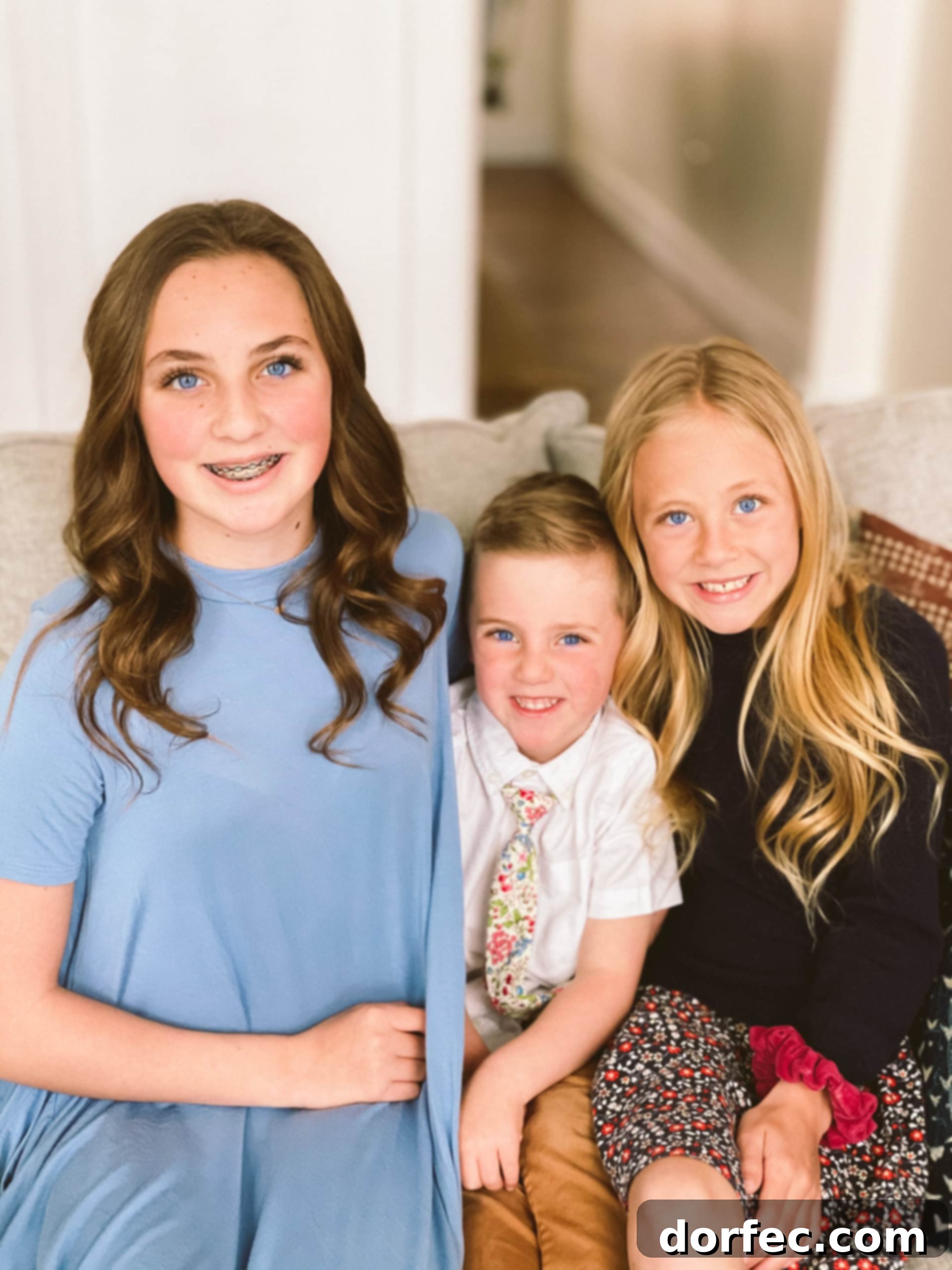
The Profound Echo of Childhood and the Simple Truth: “My Heart Is Beating”
Childhood stands as an unparalleled cornerstone in the edifice of human life. More than just a phase of innocence and discovery, it is the foundational period that meticulously sculpts the very essence of who we are destined to become. The experiences, interactions, and lessons absorbed during these formative years indelibly etch pathways in our minds and hearts, determining our worldview, our knowledge acquisition, and even the depth and direction of our most cherished relationships.
It is during these tender years that the blueprints of our future selves are laid. The resilience we develop, the emotional intelligence we cultivate, and the values we internalize all stem from this crucial epoch. Indeed, the narrative of our adult lives often becomes a journey of understanding, reinforcing, or sometimes, subtly mending the intricate patterns established in childhood. We spend subsequent decades building upon strengths and addressing vulnerabilities that took root in those early, impressionable moments.
For many, the commitment to conscious parenting feels like an undertaking of monumental significance. It’s a dedicated effort to provide an environment rich in support, understanding, and unconditional love, aiming to nurture individuals who are not only successful but also deeply empathetic and morally grounded. The ultimate aspiration, often unspoken yet deeply felt, is to raise children who embody goodness, kindness, and integrity, contributing positively to the world around them.
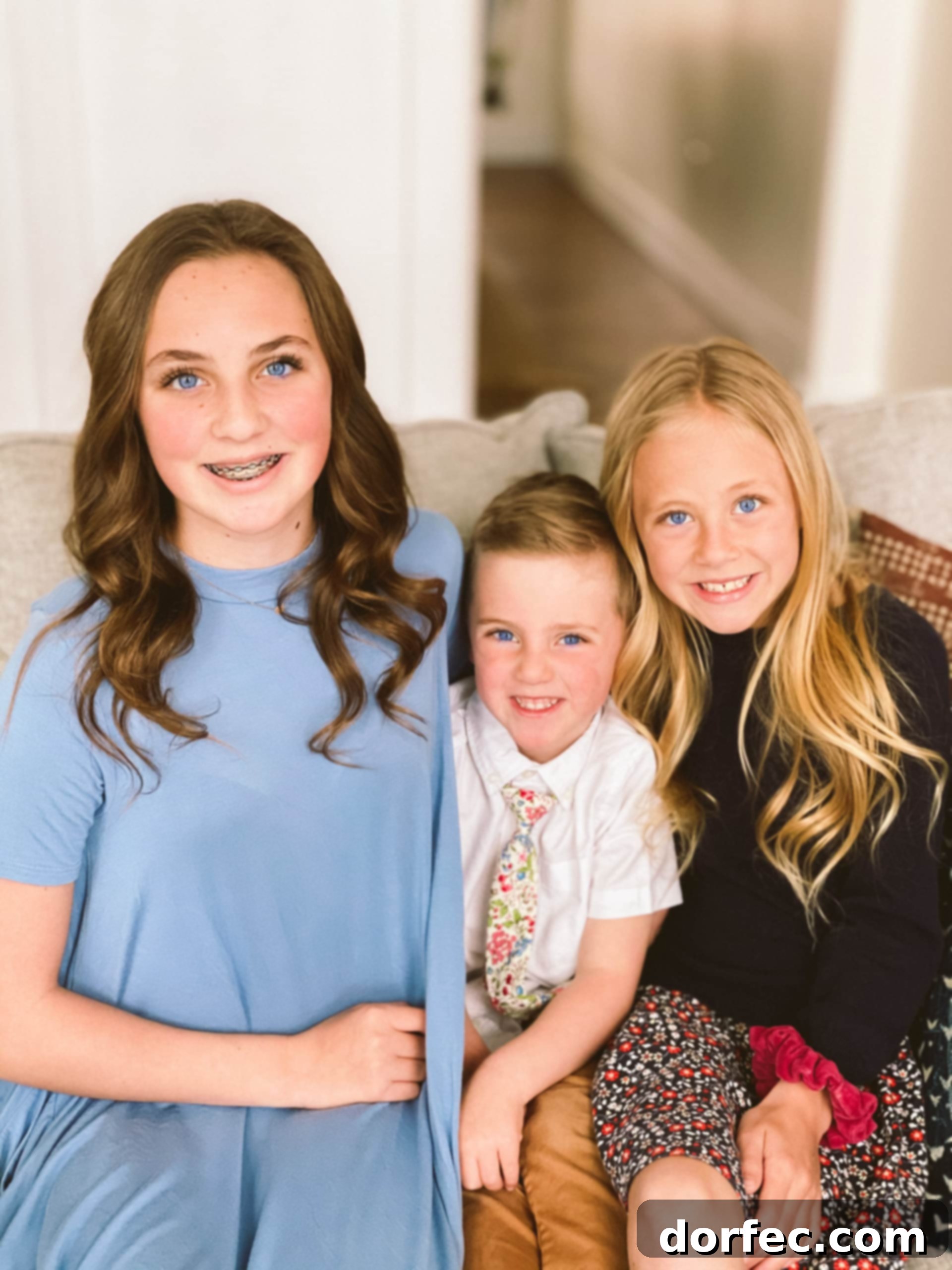
The Shaping Power of Early Years: From Vulnerability to Resilience
The profound influence of childhood extends far beyond the immediate moment, impacting everything from our career choices and personal relationships to our mental health and overall life satisfaction. Early experiences, whether positive or challenging, contribute to our identity formation, shaping our core beliefs about ourselves and the world. A secure attachment in infancy, for instance, can foster greater self-esteem and healthier relationships in adulthood, while early adversity might necessitate a lifelong journey of healing and self-discovery.
Many psychological theories emphasize how the emotional landscape of our childhood can dictate our adult responses to stress, intimacy, and failure. Addressing the “weaknesses” or unhealed wounds from this period often becomes a vital component of personal growth. This process of introspection, often aided by therapy or self-help practices, is not about dwelling on the past but about liberating ourselves from old patterns to forge a more empowered and authentic future. It’s about breaking cycles, whether they be emotional, behavioral, or even intergenerational, to build a legacy of strength and well-being for future generations.
This unwavering commitment to raising children who become “good people” is perhaps the most selfless and impactful endeavor one can undertake. It involves instilling values such as empathy, compassion, responsibility, and critical thinking. It means fostering an environment where children feel seen, heard, and valued, encouraging them to develop their unique talents while also understanding their place within a larger community. The goal is not just to produce high-achievers but individuals who possess a strong moral compass and a genuine desire to make a positive difference.
“My Heart Is Beating”: A Child’s Profound Observation and a Call to Awareness
In moments of daily life, profound truths can emerge from the simplest observations. “My heart is beating,” declared a young voice, slowly making its way behind the couch to where we sat. “Feel.” And indeed, it was. A rhythmic, undeniable pulse, a testament to life itself. When asked what this meant, the simple answer, “It means you’re alive,” was met with a reassuring “Oh good.”

This innocent declaration, “my heart is beating,” resonated with an unexpected depth, especially given the tumultuous backdrop of recent years. We’ve all been navigating a unique and challenging period, a time that often feels surreal, as if the vibrant symphony of life has been muted, even amidst unprecedented global commotion. Yet, the child’s words cut through the noise, offering a grounding, visceral reminder of our most fundamental existence.
The Universal Pulse: Aches, Loves, Worries, and Joys
Every single one of us carries this pulsating organ within, a constant reminder of our vitality. Our beating hearts are not merely biological pumps; they are the epicenters of our humanity, experiencing the full spectrum of emotions—aches of sorrow, the warmth of love, the weight of worries, and the lightness of joys. This shared rhythm connects us, transcending boundaries and reminding us of our collective vulnerability and strength.
Yet, in recent times, the awareness of hearts stopping has become an all too frequent and somber reality. This undeniable truth compels a poignant introspection: in the face of widespread loss and uncertainty, perhaps we are called to cultivate a deeper, more intentional sense of gratitude for each precious breath, each steady beat. It’s a reminder to embrace life with renewed appreciation, finding beauty and meaning in the seemingly mundane.
Navigating the Landscape of Loss and Grief
The past few years have been marked by an unexpected and profound wave of loss for countless individuals and families. The suddenness and sheer volume of departures have left many reeling, often without the traditional spaces and rituals for collective mourning. The shock of unexpected news, the abrupt void left behind, and the quiet despair that follows can be overwhelming.
In times of global crisis and collective upheaval, the grieving process often faces unprecedented challenges. Traditional gatherings, comfort rituals, and communal support systems may be disrupted or entirely unavailable, leading to a sense of unfulfilled mourning. This postponement of grief—the inability to properly say goodbye, to gather with loved ones, to perform rites that bring closure—can leave a deep, unsettling impact. It doesn’t feel natural or right to defer such a fundamental human need, yet it has been the reality for so many.
The child’s simple utterance, “My heart is beating,” echoes powerfully against the backdrop of so many hearts that are no longer. It serves as a poignant tribute to those we have lost, and a call to remember those who carry their grief silently, perhaps unseen, unheard, in the quiet corners of their lives. In these challenging times, it is vital to acknowledge the prevalence of unspoken sorrow and extend compassion to those navigating their own landscapes of loss.
Cultivating Empathy and Connection in a Changing World
As we reflect on the fragility of life and the inevitability of loss, the importance of empathy and human connection becomes paramount. Recognizing that countless others are experiencing similar anguish, whether visible or concealed, can foster a sense of solidarity. Reaching out, offering a listening ear, or simply acknowledging another’s pain can be a profound act of healing. It reinforces the idea that we are not alone in our struggles, that our interconnectedness is a source of strength.
This period of collective reckoning also invites us to re-evaluate our priorities and to live more fully in the present moment. To truly feel our hearts beating, to acknowledge our capacity for both sorrow and joy, is to embrace the fullness of the human experience. It means cherishing the people we love, expressing our gratitude more frequently, and engaging with the world with an open heart. The simple truth of a beating heart becomes a powerful metaphor for resilience, a constant reminder of the life force that persists, encouraging us to find meaning, connection, and hope even in the darkest of times.
Let us not forget the profound significance of our early years in shaping our character, and let us carry forward the simple, yet profound, wisdom that “my heart is beating” – a constant affirmation of life, a gentle nudge towards gratitude, and a powerful call to empathy for every beating heart around us.