
Have you ever pulled laundry from the dryer only to find it still smells a bit off, or your whites aren’t quite white anymore? Over time, even the most diligent washing routines can leave behind a stubborn build-up of detergent residue, fabric softener, hard water minerals, and body oils. This accumulation can make your clothes feel stiff, look dingy, and lose their freshness. If you’re tired of less-than-sparkling laundry, it’s time to discover the transformative power of laundry stripping.
Laundry stripping is a highly effective, deep-cleaning method designed to liberate your fabrics from years of embedded grime, restoring them to a level of cleanliness and brightness you might have thought impossible. Imagine your towels feeling soft, your whites gleaming, and your activewear truly fresh again. This isn’t just a trick; it’s a game-changer for your laundry routine.
What Exactly is Laundry Stripping?
Laundry stripping is essentially a super-soak treatment that aims to extract all the hidden impurities from your textiles that regular washing cycles can’t tackle. Think of it as a reset button for your clothes and linens. What exactly are these impurities? They include:
- Detergent Residue: Especially common with homemade laundry soaps or if you consistently use too much detergent.
- Fabric Softener and Dryer Sheet Residue: These products leave a waxy coating that traps dirt and oils.
- Hard Water Minerals: Even if you have a water softener, some mineral deposits can still cling to fibers, causing dullness and stiffness.
- Body Oils and Sweat: These naturally accumulate over time, leading to persistent odors, particularly in activewear.
- Dirt and Pollutants: General environmental grime that gets deeply embedded in the fabric.
This method doesn’t just mask odors or superficially clean; it genuinely pulls out these invisible contaminants, leaving your laundry incredibly clean, remarkably soft, and noticeably brighter. It’s particularly effective for items that see heavy use, like bath towels, bedsheets, workout clothes, and everyday whites that have started to look faded or discolored.
Why Laundry Stripping is a Game-Changer: Does it Really Work?
Absolutely, it works! The transformation can be astonishing. While laundry stripping won’t magically turn heavily stained or permanently discolored items back to their original pristine condition (for instance, a white shirt that’s turned a deep brownish-gray due to years of neglect might not become pure white again), it will undeniably make them cleaner and significantly brighter than they were before. For whites that are merely dingy, especially around high-contact areas like armpits and necklines, this method is truly revolutionary.
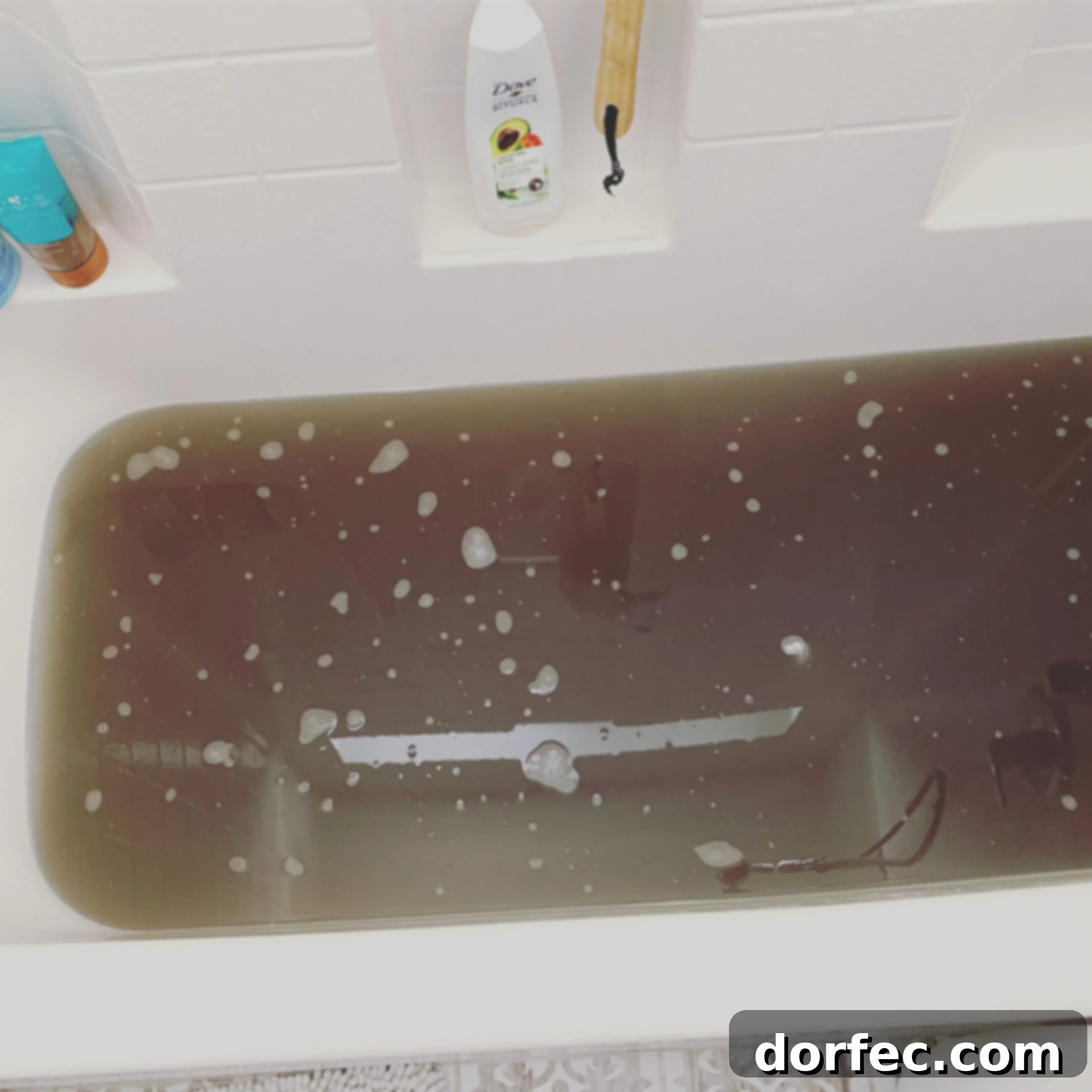
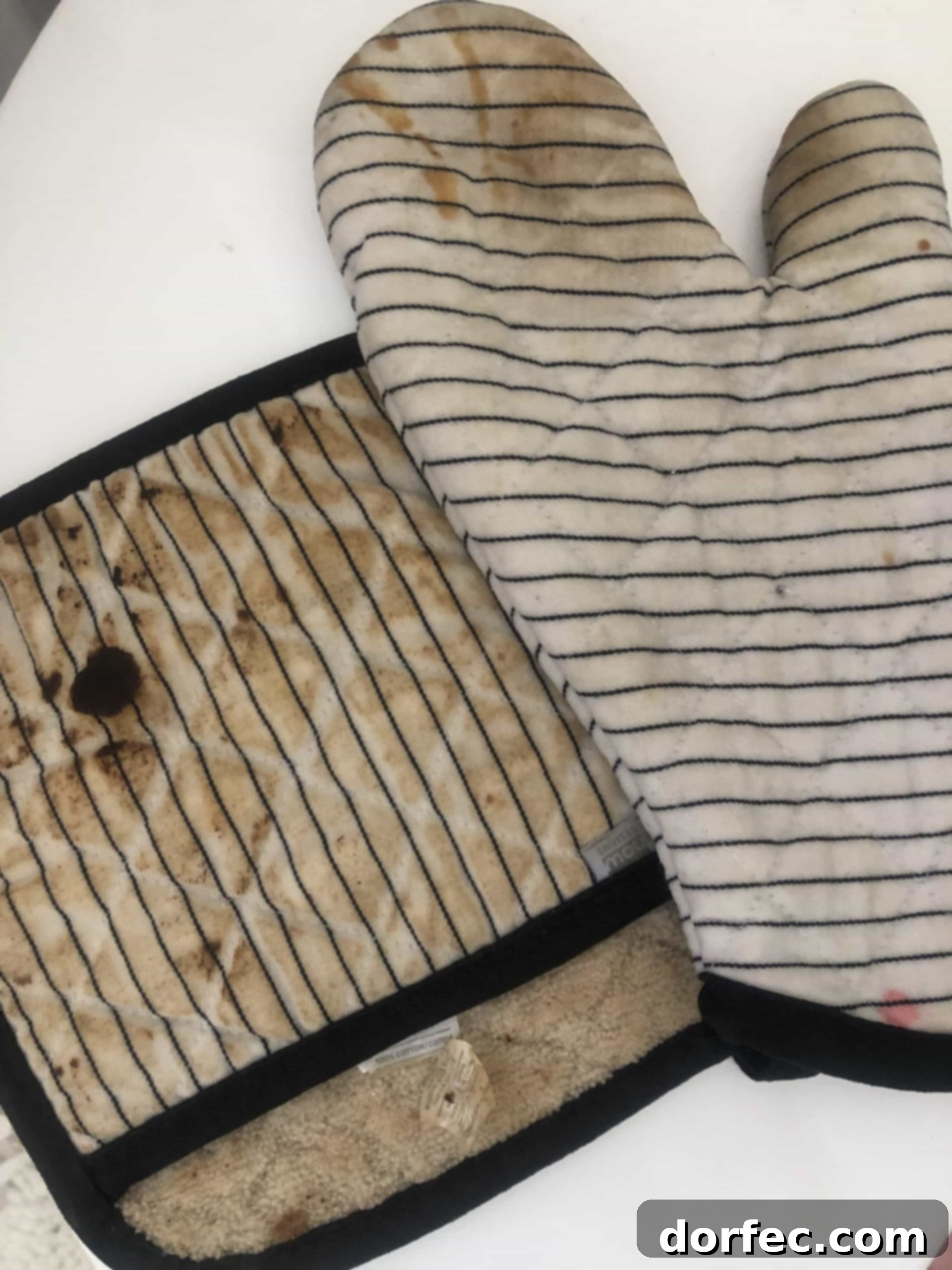
Imagine your favorite white t-shirt, once bright and crisp, now showing a tell-tale yellowing or dullness. Or your fluffy bath towels, once absorbent and soft, now feeling scratchy and stiff. Laundry stripping targets these issues head-on. By dissolving and flushing away the accumulated layers of grime, it restores the natural vibrancy and texture of your fabrics. The visual evidence of this process, seeing the murky water after a strip, leaves no doubt about its effectiveness. It’s an intensely satisfying experience that proves just how much hidden dirt your “clean” laundry was still harboring.
Real Results: Laundry Stripping Before and After
One of the most common questions I get asked about laundry stripping is for before and after pictures. The truth is, when I’m in the thick of a stripping session, I’m usually focused on getting through the process efficiently, and remembering to meticulously document the “before” is often the last thing on my mind!
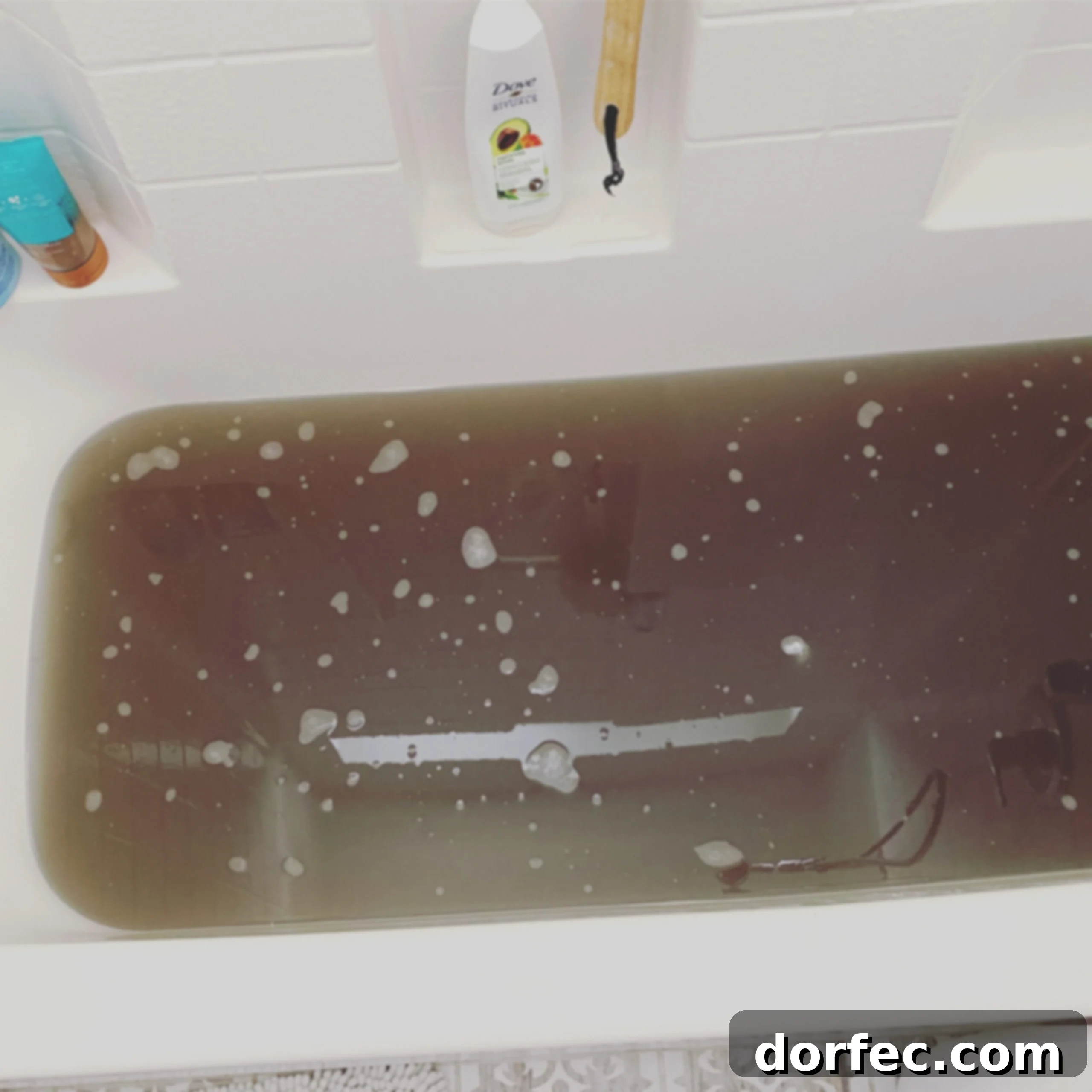
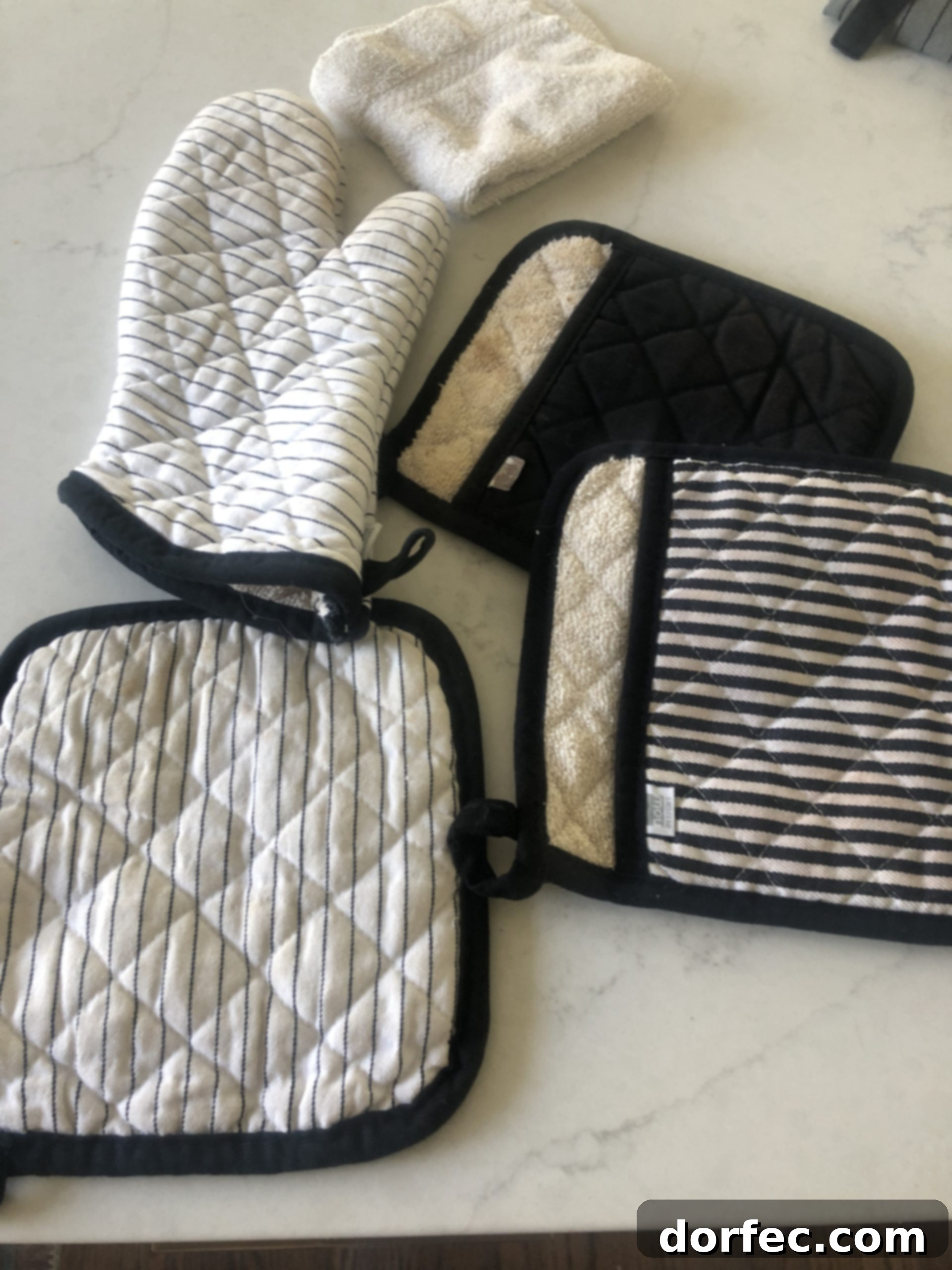
However, I recently made a conscious effort to capture the transformation of a couple of my kitchen hot pads. As a food blogger, these items endure a lot of spills, splatters, and general kitchen abuse. While I wash them regularly, they still accumulate an incredible amount of embedded grime. The difference was stark. Even though they were technically “clean” from a standard wash, the stripping process pulled out an astonishing amount of brownish-gray residue, visibly brightening their colors and making them feel much cleaner to the touch. It serves as a powerful reminder that what looks clean on the surface might still be holding onto a lot of hidden dirt. These before and after images truly highlight the deep cleaning power of this method, even on items you thought were already clean.
Essential Ingredients for Laundry Stripping: What You’ll Need
The magic of laundry stripping comes from a specific combination of common household laundry boosters. Each ingredient plays a vital role in breaking down and lifting away the accumulated grime and minerals. Here’s what you’ll need to gather:
- Borax: This natural mineral works as a pH buffer and an excellent cleaning agent. It helps boost the effectiveness of your detergent and softens hard water, allowing other ingredients to work more efficiently. Borax is key in neutralizing odors and tackling tough stains.
- Arm & Hammer Laundry Booster Super Washing Soda: Not to be confused with baking soda, washing soda (sodium carbonate) is a more alkaline substance that significantly boosts the cleaning power of your detergent. It’s incredibly effective at cutting through grease, oil, and deeply embedded dirt, making it indispensable for breaking down stubborn build-up.
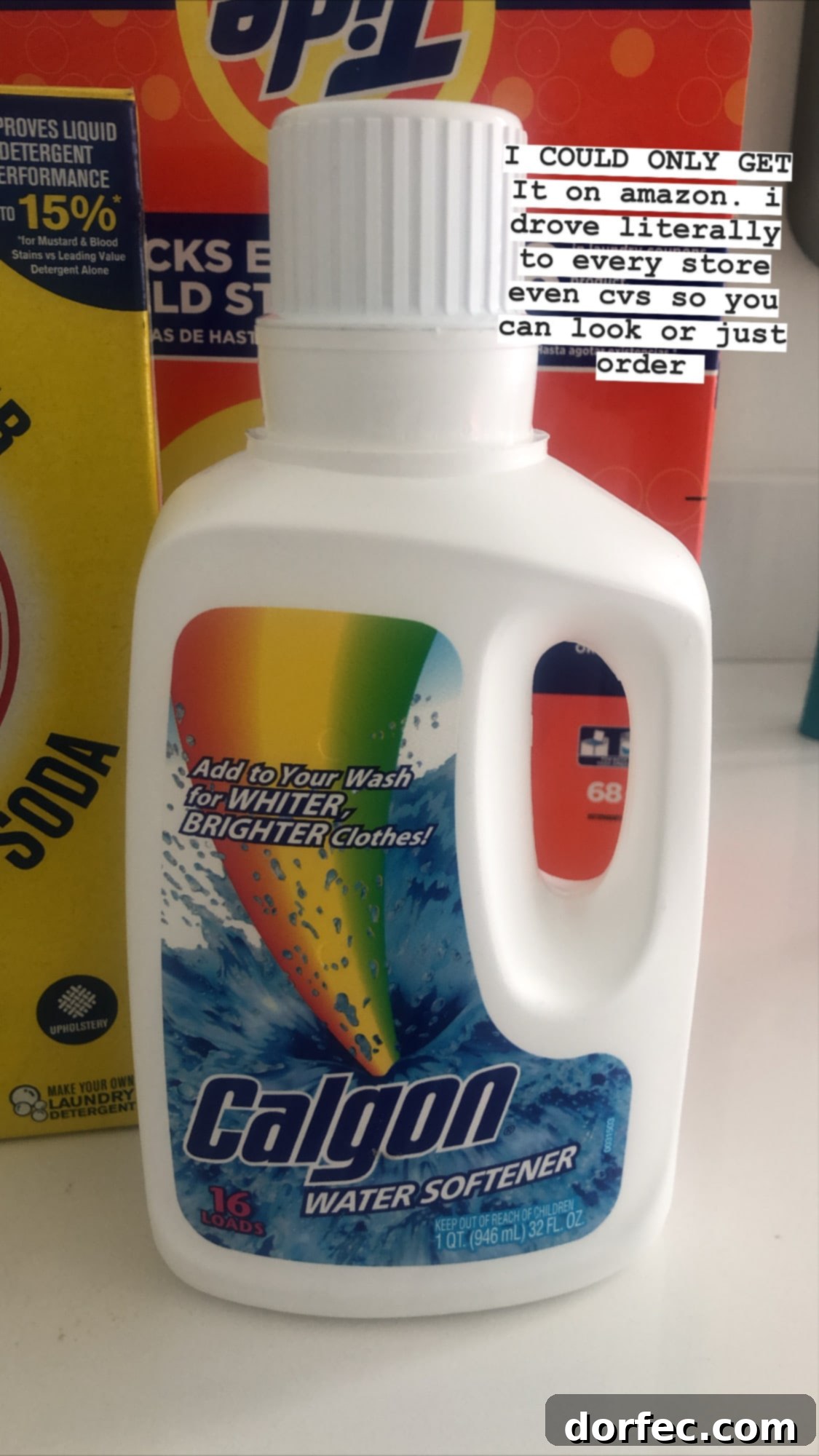
- Calgon Water Softener: This ingredient is particularly important if you live in an area with hard water. Calgon chelates (binds to) the minerals in hard water, preventing them from redepositing on your clothes and allowing the other cleaning agents to perform at their best. If you can’t find Calgon, you can still strip laundry, but its inclusion offers superior results, especially for mineral-laden fabrics.
- Powdered Tide Detergent: While other powdered detergents can work, Powdered Tide is widely preferred for its robust blend of surfactants and enzymes. These powerful components are specifically formulated to break down dirt, grease, and body oils, ensuring a thorough clean. Opt for the powdered version over liquid gels, as powders often contain stronger cleaning agents and fewer fillers.
These ingredients are readily available in most grocery stores or online. Having them on hand will ensure you’re ready to tackle even the dirtiest laundry challenges.
Your Step-by-Step Guide: The Laundry Stripping “Recipe”
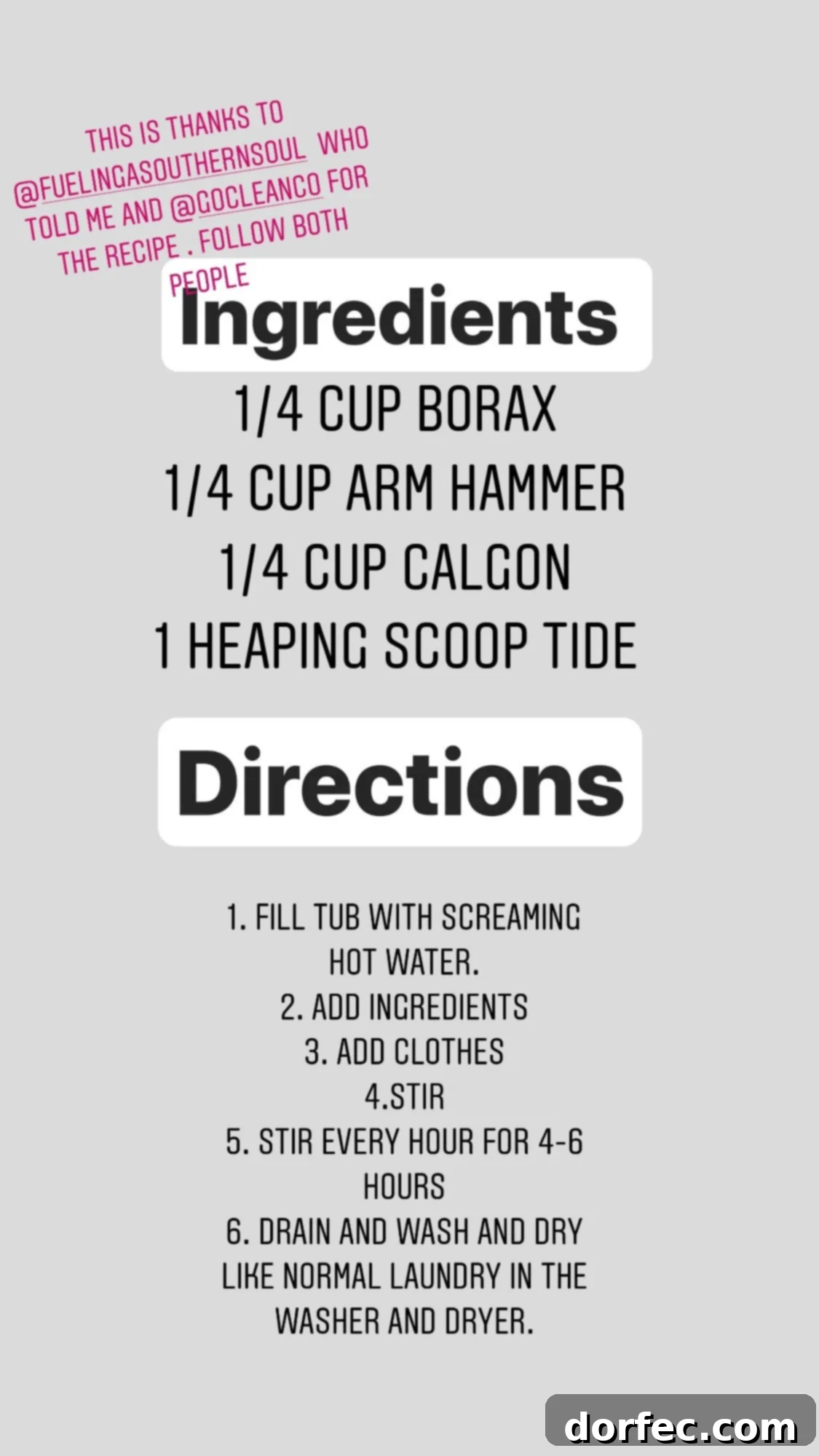
Ready to bring your laundry back to life? This simple process yields incredible results. Here’s the “recipe” and detailed instructions for laundry stripping:
Ingredients for the Stripping Solution:
- 1/4 Cup Borax
- 1/4 Cup Arm & Hammer Laundry Booster Super Washing Soda
- 1/4 Cup Calgon Water Softener (highly recommended, especially for hard water)
- 1 Heaping Scoop of Powdered Tide Detergent (ensure it’s powdered, not liquid or pods)
Detailed Instructions:
- Sort Your Laundry Carefully: This is a crucial first step. Separate your laundry into similar colors and fabric types. Whites, light colors, darks, activewear, towels, and bedsheets should generally be stripped in separate batches to prevent dye transfer and ensure optimal results.
- Prepare Your Stripping Solution: Fill a clean bathtub (or a large, sturdy container if a tub isn’t available) with very hot water. The hotter the water, the more effective the stripping process will be at dissolving residue. Add all the specified ingredients—Borax, Washing Soda, Calgon, and Powdered Tide—to the hot water. Stir the mixture vigorously with a stick or a long-handled spoon until all powders are fully dissolved and the solution is well combined.
- Submerge and Agitate Your Laundry: Carefully add one pile of your sorted laundry to the hot water solution. Push the clothes down gently to ensure they are fully submerged and saturated with the stripping mixture. You can use your stirring stick or gloved hands to agitate the laundry slightly, helping the solution penetrate all fibers.
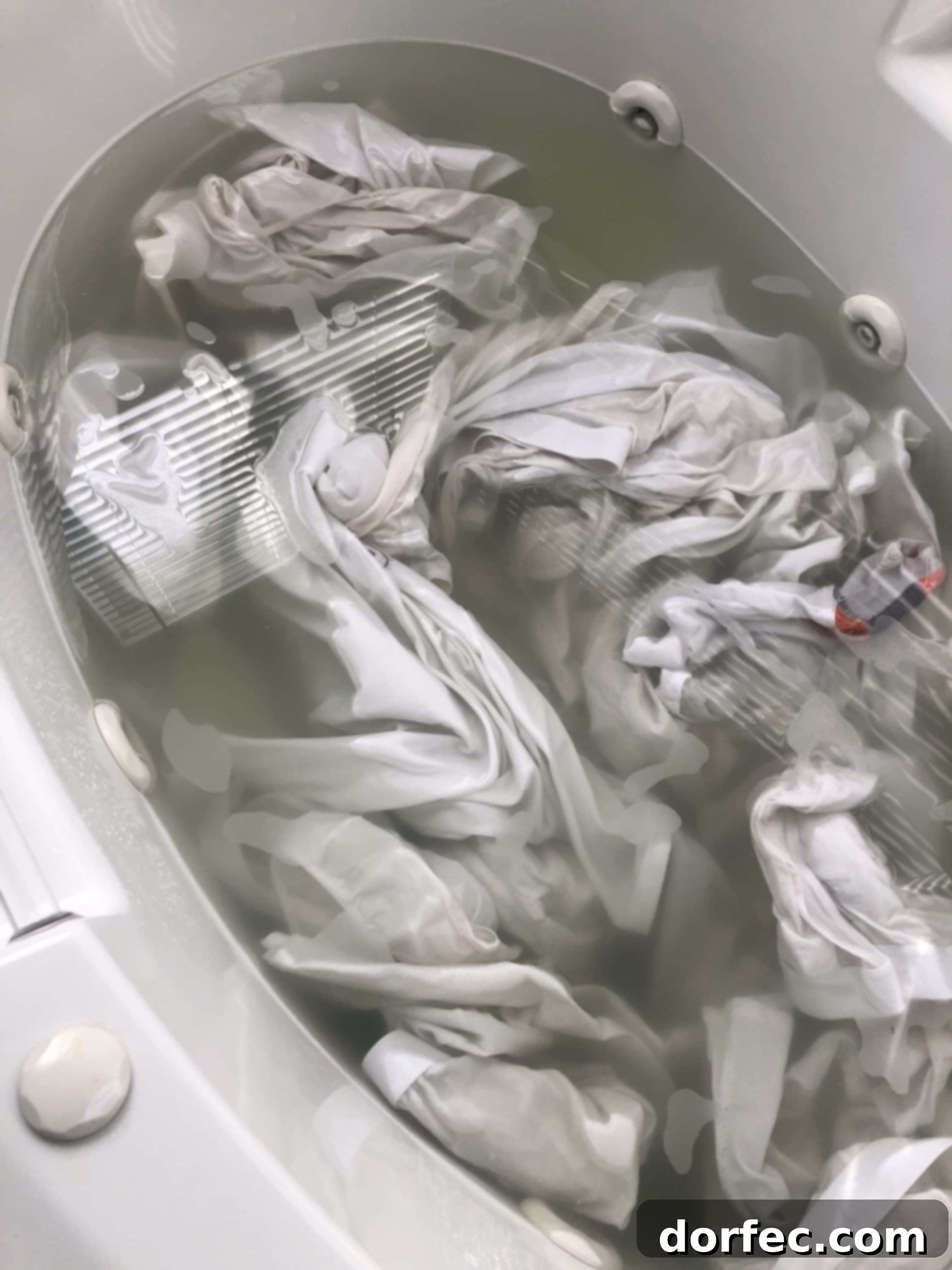
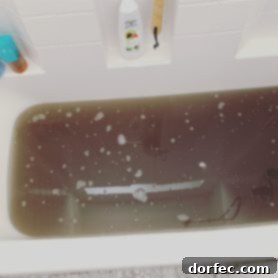
- The Long Soak (and Occasional Stir): Allow the laundry to soak for a minimum of 4 hours, and ideally 6 hours. During this period, stir the laundry every hour or so. This helps to redistribute the solution, expose all surfaces to the cleaning agents, and dislodge more embedded grime. You will likely observe the water gradually transforming into a cloudy, often brown, gray, or yellowish color – this is visible proof that the stripping process is working and removing accumulated dirt and residue.
- Drain and Wring Out Excess Water: Once the soaking period is complete, drain the murky water from the tub. Be prepared for how dirty the water looks! Carefully wring out each item of clothing to remove as much excess water as possible. Wearing rubber gloves during this step is recommended to protect your hands from the strong solution and the released grime.
- Final Wash in Your Machine: Transfer the wrung-out laundry to your washing machine. Wash everything as you normally would, using a standard cycle. While the clothes are already deeply clean, many people prefer to add a small amount of their regular detergent during this final wash for added freshness. However, it’s not strictly necessary, as the primary cleaning has already occurred during the strip.
- Dry and Enjoy: Dry your laundry according to the fabric care instructions. For best results and to minimize static, consider air-drying or using fabric softener alternatives like dryer balls. Once dry, you’ll be amazed at how incredibly clean, bright, and fresh your clothes and linens feel. They’ll have a renewed vibrancy that regular washing couldn’t achieve!
Frequently Asked Questions About Laundry Stripping
Demystifying the Ingredients
Can I skip Calgon, and what does it do?
While you can skip Calgon if you absolutely cannot find it, its inclusion is highly recommended, especially if you have hard water. Calgon acts as a water softener by sequestering (binding to) the minerals (like calcium and magnesium) present in hard water. These minerals can interfere with the effectiveness of detergents and cause dinginess and stiffness in fabrics. By neutralizing these minerals, Calgon allows the Borax, Washing Soda, and powdered detergent to work more efficiently, ensuring a deeper clean and preventing mineral redeposition. If you skip it, your results might not be as dramatic, particularly in hard water areas.
Why powdered Tide and are there alternatives?
Powdered Tide is the preferred detergent for laundry stripping due to its powerful blend of surfactants, enzymes, and bleaching agents (like sodium percarbonate in some formulations). These components are highly effective at breaking down and lifting out tough stains, body oils, and detergent residues. The powdered form often contains more potent cleaning agents and fewer emollients or optical brighteners that can contribute to buildup. If you have an allergy to Tide or prefer an alternative, you can use another heavy-duty powdered detergent, but ensure it’s powdered, as liquids and pods often lack the same strength and chemical composition needed for effective stripping.
Arm & Hammer Washing Soda vs. Baking Soda: What’s the difference?
Although both are sodium compounds, Arm & Hammer Super Washing Soda (sodium carbonate) and baking soda (sodium bicarbonate) have different chemical makeups and strengths. Washing soda is significantly more alkaline than baking soda, making it a far more powerful cleaning booster. Its higher pH helps to break down grease, oil, and organic matter more effectively, which is essential for dissolving tough laundry build-up. While baking soda can be used as a mild deodorizer and gentle cleaner, it’s not a direct substitute for the potency of washing soda in laundry stripping. However, if washing soda is genuinely unavailable, baking soda can serve as a less powerful alternative.
Is this chemical mixture safe for my home and family?
The ingredients used in laundry stripping are common household cleaning products and are safe when used as directed. It’s essential to ensure good ventilation in the area where you are stripping laundry (e.g., open windows in the bathroom). Avoid direct contact with the solution, especially for extended periods; wearing gloves is advisable. Always store these products out of reach of children and pets. When the laundry is thoroughly rinsed and washed in the machine afterward, any residual chemicals are effectively removed, leaving your clothes safe to wear.
Why introduce more chemicals to clean clothes?
This is a valid question. The purpose of laundry stripping isn’t to add more chemicals to your clothes in the long term, but rather to *remove* the deep-seated chemical residues (from fabric softeners, homemade soaps, and even regular detergents) and natural accumulations (body oils, minerals) that are already clinging to the fabric fibers. Many homemade soaps, for example, can leave behind a fatty residue that traps dirt. The combination of Borax, Washing Soda, Calgon, and Powdered Tide works synergistically to break down these existing bonds and lift away the unwanted buildup, effectively “resetting” the fabric. If you prefer, there are more organic, though often less potent, stripping methods available, but this specific combination is highly effective at deep cleaning.
Preparing for the Strip
Should I pre-wash my clothes before stripping?
While the goal of stripping is to remove deep-seated grime, pre-washing your clothes can be beneficial, especially if they are heavily soiled. A normal wash cycle beforehand can remove loose dirt and surface grime, allowing the stripping solution to penetrate more effectively and work on the deeper, more stubborn buildup. However, in the interest of saving time and acknowledging the realities of busy life, I often skip this step myself. The stripping process is powerful enough to tackle most clothes without a pre-wash.
Can I use my washing machine for laundry stripping?
Some modern washing machines have a “deep soak” or “sanitize” cycle that might be adapted for stripping. However, there are a few reasons why a bathtub or large basin is often preferred: 1) Many washing machines automatically drain after a prolonged soak, which would prematurely end the stripping process. 2) Washing machines can accumulate dirt, grime, and odors themselves, and stripping in the machine might redeposit some of that onto your laundry. 3) Using a tub allows you to visually monitor the process and see the amount of dirt being removed, which is quite satisfying! Plus, a tub is easier to scrub clean afterward.
The Stripping Process: What to Expect
Will darks bleed dye during stripping?
It’s possible for some dye to release from dark or brightly colored items, especially new ones, just as it can in a regular hot wash. However, the amount is usually minimal and generally not enough to visibly alter the appearance of your clothing. To minimize any risk, always strip similar colors together (darks with darks, colors with colors, whites with whites). If you have a particularly vibrant or new item, you might consider doing a small patch test first or stripping it separately.
Do colors fade or clothes shrink?
All clothing experiences a slight amount of fading over its lifetime with repeated washing, and laundry stripping is no different than a standard hot wash in this regard. As for shrinking, we have never experienced a single item shrinking during the stripping process. This is likely because the clothes are not subjected to continuous high heat in a tumble dryer, but rather sit in hot water without further agitation or prolonged heat exposure that typically causes shrinkage.
Does laundry stripping eliminate lingering odors?
Absolutely! This is one of the most remarkable benefits of laundry stripping. Stubborn odors, often caused by trapped sweat, body oils, and bacteria in fabric fibers, are precisely what stripping targets. If you have activewear, towels, or even “stinky boy” or husband clothes that retain a persistent smell even after washing, stripping will be a revelation. It effectively removes the odor-causing residues, leaving items genuinely fresh and clean, not just covered up with fragrance.
Is it okay to mix different colors or types of laundry?
For the best and safest results, it is always recommended to keep your laundry loads separated: whites, light colors, darks, and very brightly colored items should be stripped in distinct batches. This practice prevents any potential dye transfer (especially with hot water) and ensures that each load receives the most effective treatment for its specific needs. Mixing items could lead to dinginess or color bleeding.
How do I adjust ingredient amounts for different load sizes?
The recommended amounts are typically for a standard bathtub full of water and a medium to large load of laundry. If you are stripping only a few small items in a smaller tub or basin, you can certainly halve the amounts of each ingredient. The key is to maintain the correct ratio of ingredients to water for an effective solution. For a very large load or an unusually big tub, you might slightly increase the amounts, but always ensure the powders fully dissolve.
When you drain it, doesn’t all the dirt sit back into the clothes?
This is a common concern! While some of the loosened grime might briefly settle back onto the clothes as the water drains, the subsequent wash cycle in your washing machine is designed to rinse all of that away. The stripping process breaks the bond between the dirt/residue and the fabric fibers, making it much easier for the washing machine to thoroughly flush it out. Anything left after draining is effectively carried away in the rinse cycles of your regular wash.
After stripping do you wash with detergent?
This is a matter of personal preference. Your clothes are incredibly clean after stripping, and many people opt to skip detergent in the subsequent machine wash. However, I often add a small amount of detergent. For me, it’s partly psychological – seeing all that nastiness come out makes me want to ensure a final, fresh rinse! But scientifically, the deep cleaning has already occurred, so detergent isn’t strictly necessary. You can also add a natural scent booster if you prefer.
How often do you do it?
Laundry stripping is a powerful deep-cleaning method, not something to do with every wash. I typically strip my laundry 1-3 times a year, or as needed. For example, if towels start feeling stiff or my activewear retains odors, that’s my cue. Over-stripping in hot water could potentially cause premature wear on some fabrics, so it’s best reserved for periodic deep cleans rather than routine maintenance.
Types of Clothes for Stripping
Can you do this with garments, whites, and towels?
Absolutely! Laundry stripping is perfectly safe and incredibly effective for many types of garments, especially whites, bath towels, bed sheets, and activewear. You will be thrilled with the results – whites will appear brighter, towels will feel softer and more absorbent, and lingering odors will vanish from athletic clothing. While hot water is used during the strip, it’s a relatively short exposure compared to multiple hot washes, and the benefits of the deep clean often outweigh the minimal risk of using hot water once or twice a year. For general washing, continue to use cold water for your garments to help prevent graying and fabric breakdown.
What about sweaters and “dry clean only” clothes?
I would strongly advise against stripping delicate items like sweaters, wool, silk, or anything labeled “dry clean only.” These fabrics typically require very specific care, often cold water, gentle cycles, or professional cleaning to maintain their integrity and shape. The hot water and powerful chemical solution used in laundry stripping could damage these delicate fibers, cause shrinkage, or alter their texture. For sweaters, sticking to a delicate cycle and laying them flat to dry is usually the safest approach. Always err on the side of caution with fragile or special care items.
Beyond Stripping: Essential Laundry Care Tips for Longevity and Freshness
Achieving truly clean laundry goes beyond just stripping. Understanding how different products affect your clothes can dramatically improve their lifespan and freshness.
The Truth About Fabric Softener and Dryer Sheets
While many people swear by fabric softener and dryer sheets for soft, fresh-smelling laundry, the truth is that they can be detrimental to your clothes in the long run. Based on extensive research and insights from textile experts (like my sister, who holds a master’s degree in textiles!), I’ve learned that these products work by coating your clothing fibers with a thin layer of waxy, often chemical-laden residue. This coating, while initially making clothes feel soft, actually:
- Traps Dirt and Odors: The residue creates a barrier that can prevent detergents from fully cleaning the fibers, leading to a buildup of dirt, body oils, and lingering odors.
- Reduces Absorbency: For items like towels and activewear, the coating significantly reduces their ability to absorb moisture, making them less effective.
- Weakens Fabrics: By “softening” the fibers, these products can actually break down the integrity of the fabric over time, leading to faster wear, pilling, and stretching.
- Harms Performance Fabrics: For activewear and moisture-wicking materials, the residue can clog the fabric’s pores, rendering its performance features useless.
Essentially, fabric softeners and dryer sheets undermine the very cleanliness and longevity you seek for your garments.
Effective Alternatives to Fabric Softener and Dryer Sheets
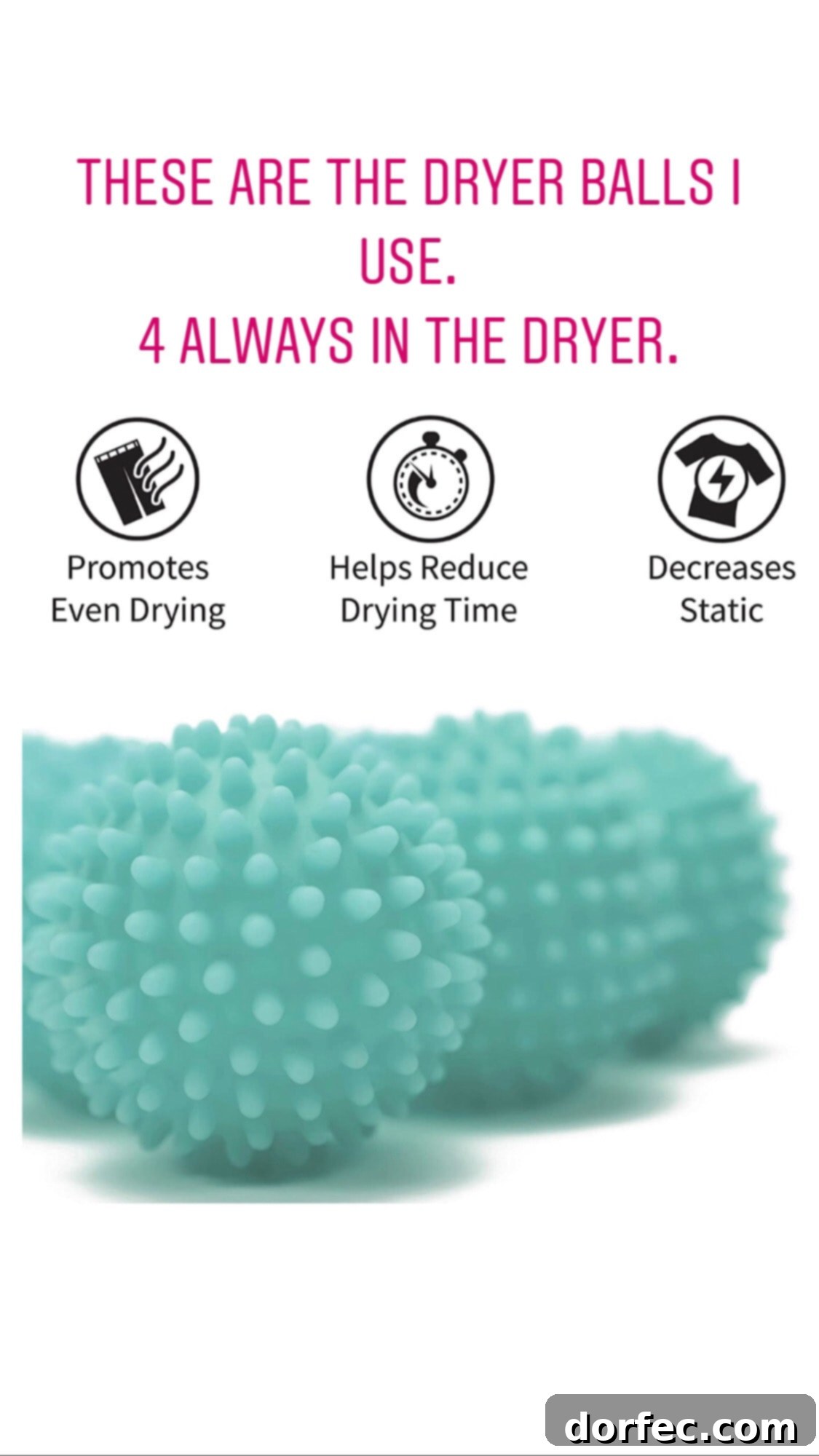
If you’re avoiding fabric softener and dryer sheets, what’s the alternative for soft, static-free laundry? My preferred solution is using 4-6 reusable dryer balls in every load. Unlike some wool dryer balls that can collect lint or static, good quality rubber or PVC dryer balls tumble with your clothes, physically separating them as they dry. This separation allows for better airflow, faster drying times, and significantly reduces static cling.
Do Dryer Balls Help with Static?
Yes, dryer balls are excellent at reducing static, but they work best in conjunction with proper drying techniques. By bouncing around and separating clothes, they prevent items from rubbing together excessively, which is a primary cause of static buildup. However, the most critical factor in preventing static is to avoid over-drying your clothes. If you consistently use settings like “normal” or “cotton” for all your loads, you’re likely over-drying many items. Remove clothes while they still contain a slight bit of moisture, or use a lower heat setting. Over-dried clothes are almost guaranteed to be static-y, regardless of dryer balls.
Creative Uses for Leftover Dryer Sheets
Don’t toss those unused dryer sheets! They have a surprising second life for household cleaning. One clever trick is to use them to wipe down baseboards. The anti-static properties in dryer sheets create a barrier that helps repel dust, keeping your baseboards cleaner for longer. It’s a simple, effective hack for those sheets lying around.
Why I Rarely Use Bleach
Bleach is a powerful disinfectant and whitener, but I use it very sparingly, if at all. My primary concerns are its harshness and potential for fabric damage. Bleach is an oxidant that can weaken and break down fabric fibers over time, leading to yellowing, holes, and overall premature wear, especially with repeated use. Furthermore, it’s a potent chemical that can be irritating to skin and respiratory systems. For whitening and deep cleaning, laundry stripping provides a much more effective and less destructive method for restoring brightness without compromising the integrity of your clothes.
Front-Loader vs. Top-Loader: My Preference
When it comes to washing machines, I personally prefer a top-load washing machine. While front-loaders are often praised for their water efficiency, I find that top-loaders with an agitator (or even high-efficiency top-loaders without one, which still typically use more water than front-loaders) offer a more thorough rinse cycle. This helps ensure that all detergents and loosened grime are completely washed away, which aligns with my philosophy of truly clean laundry.
Print Recipe
Laundry Stripping Recipe
Materials
- 1/4 Cup Borax
- 1/4 Cup Arm & Hammer Laundry Booster Super Washing Soda
- 1/4 Cup Calgon Water Softener
- 1 Heaping Scoop Powdered Tide Detergent
Instructions
-
Separate your laundry by colors, darks, workout clothing, whites, towels, bed sheets, etc.
-
Add all specified ingredients to a bathtub filled with very hot water. Stir well to ensure they dissolve completely and are evenly mixed.
-
Carefully add one pile of pre-sorted laundry to the hot water solution. Push the clothes down to fully submerge them, ensuring every item is saturated.
-
Allow the laundry to soak for 4-6 hours. During this time, stir the laundry gently every hour or so to redistribute the solution and help loosen embedded grime. You will likely see the water turn a cloudy, often brownish-gray color as impurities are released.
-
After the soaking period, drain the tub. Carefully wring out excess water from each item of clothing. You can use gloves for this step.
-
Transfer the wrung-out laundry to your washing machine. Wash everything as you normally would, using a regular cycle. You can opt to skip detergent as the clothes have already been thoroughly cleaned, but many prefer a small amount for freshness.
-
Dry your laundry according to fabric care instructions. For best results and reduced static, consider using wool dryer balls or other fabric softener alternatives. Your clothes will emerge feeling incredibly clean, bright, and fresh!