
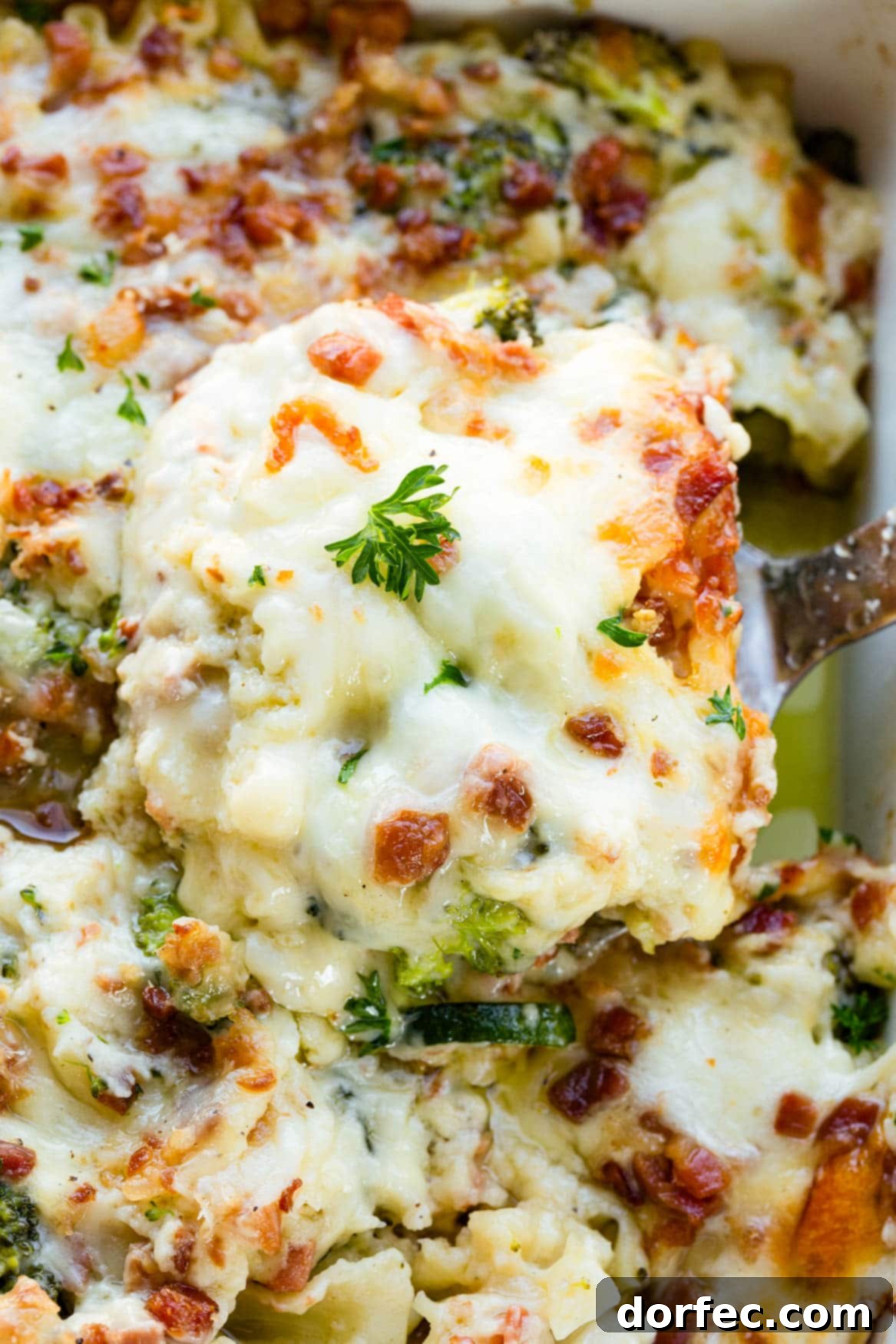
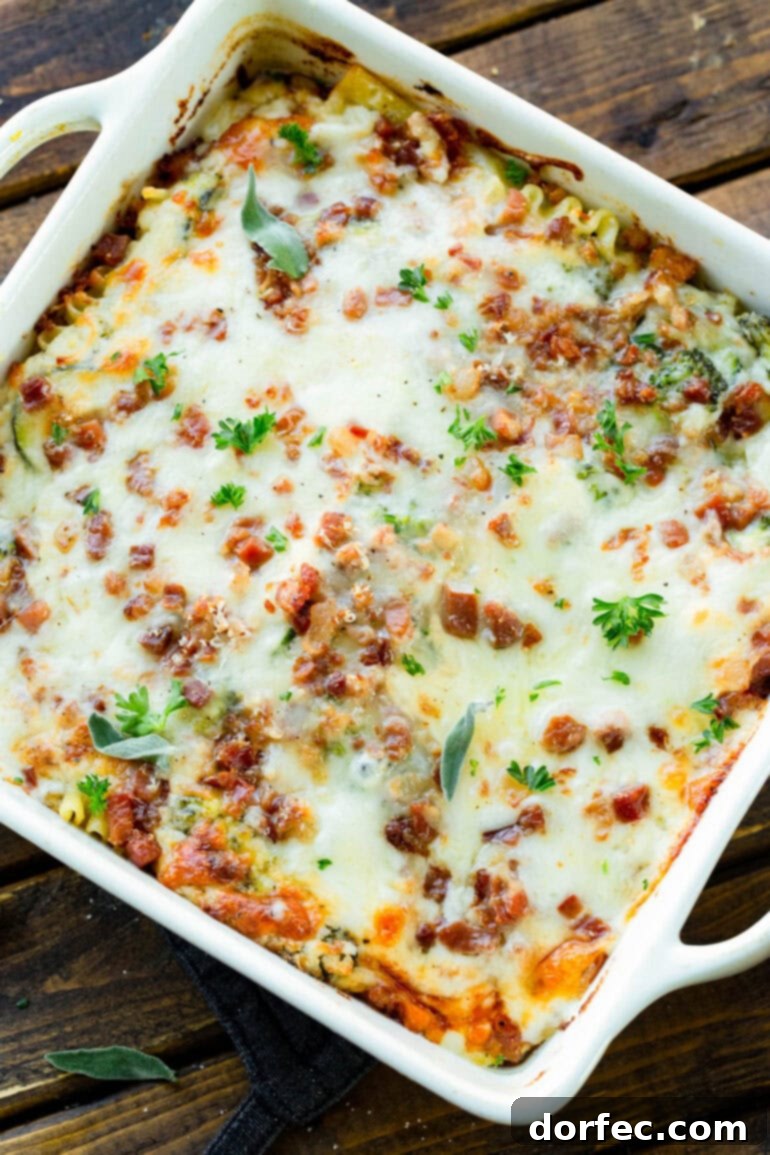
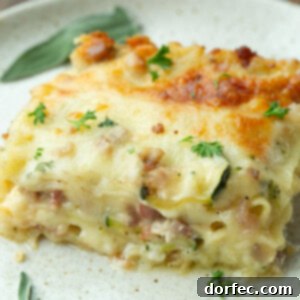
Welcome to the ultimate guide for crafting a truly exceptional Vegetable White Lasagna with Pancetta. This isn’t just another lasagna recipe; it’s a culinary journey that marries the rich, savory notes of crispy pancetta with a vibrant medley of fresh vegetables, all enrobed in a luxuriously creamy, sage-infused béchamel sauce. Each layer promises a harmonious blend of textures and tastes, culminating in a hearty, golden-baked dish that’s perfect for a comforting family dinner or for elegantly impressing your guests.
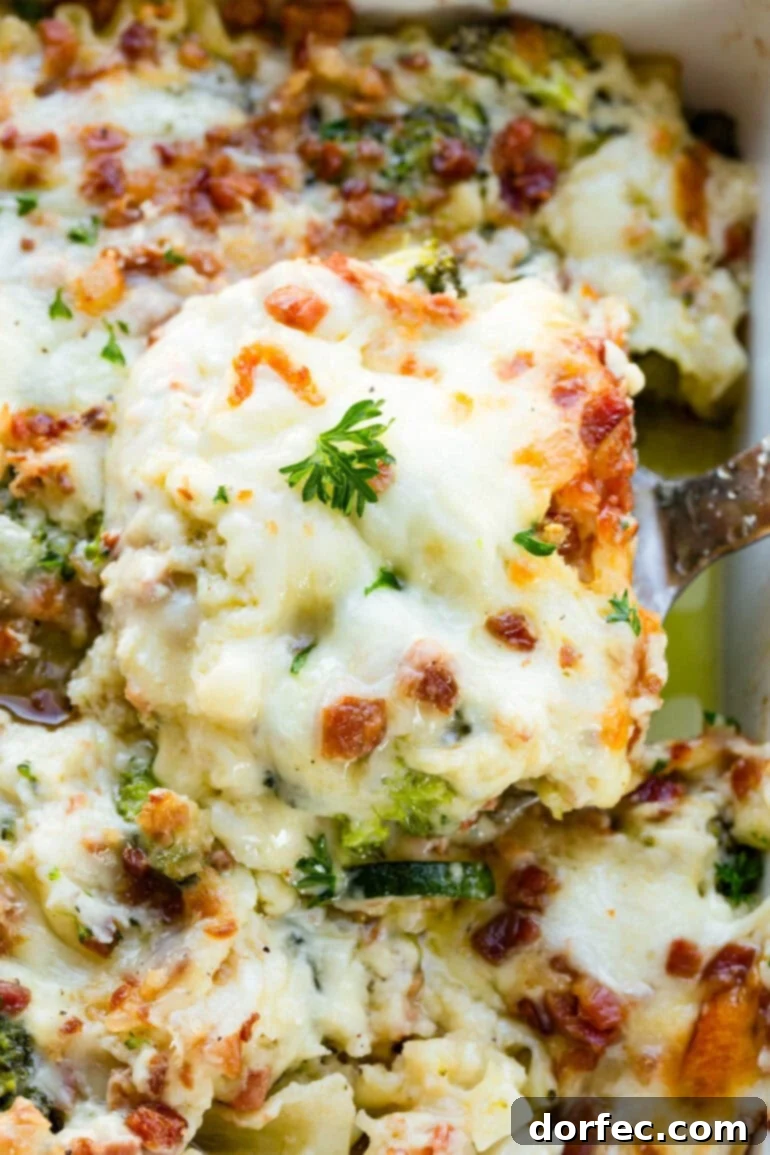
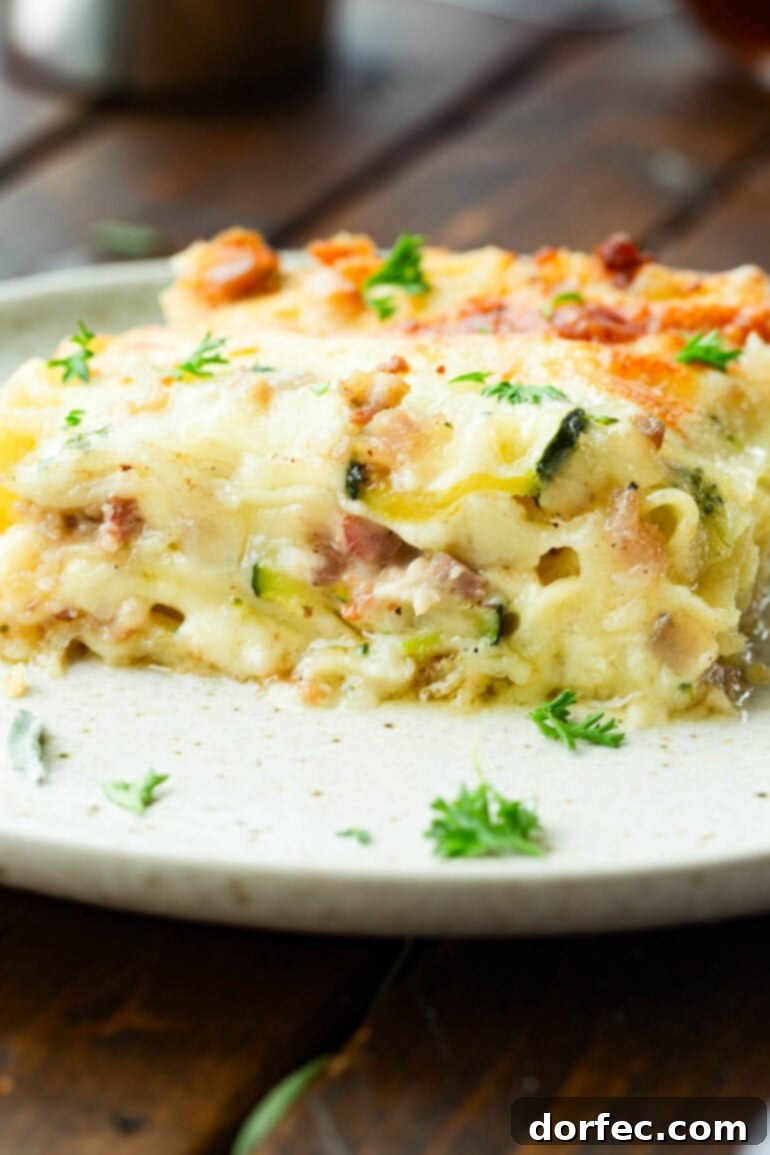
What sets this lasagna apart is its unique white sauce, a delicate béchamel crafted from heavy cream, subtly infused with fresh sage, offering an aromatic depth that perfectly complements the savory pancetta. The pancetta itself, cooked until perfectly crisp, introduces a delightful salty crunch and a whisper of smoky flavor to every bite. Nestled between tender pasta sheets are sautéed zucchini and broccoli, bringing freshness and a pop of color to the rich composition. Baked until bubbling and gloriously golden-brown, this dish truly offers a satisfying experience that transcends the ordinary.
The inspiration for this particular masterpiece emerged from a simple desire to transform fridge leftovers into something extraordinary. After a festive holiday season, I found myself with an assortment of vibrant vegetables, some delicious raclette cheese, and a box of convenient no-boil lasagna noodles. Instead of letting these ingredients go to waste, I decided to experiment with a white sauce lasagna recipe. The result was nothing short of phenomenal – a delightful surprise that became an instant family favorite. Fortunately, I meticulously jotted down my steps, allowing this incredible creation to be shared with you today.
Unveiling the White Lasagna: A Delicious Departure from Tradition
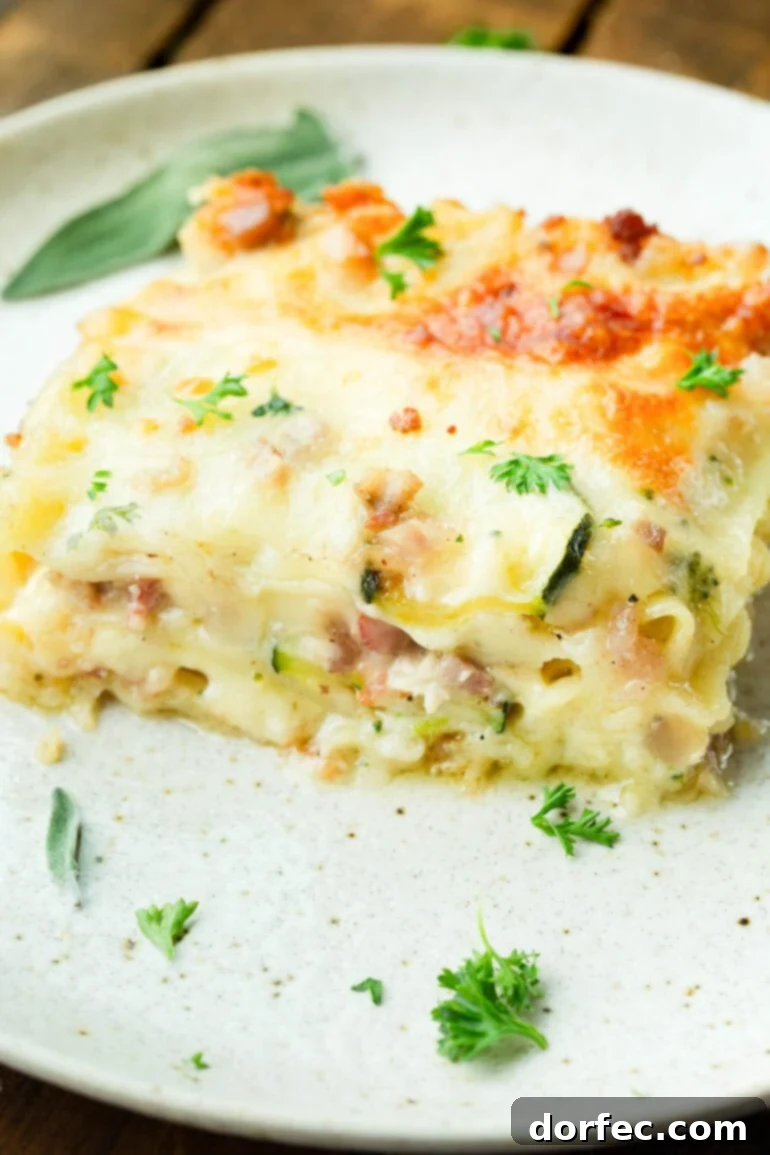
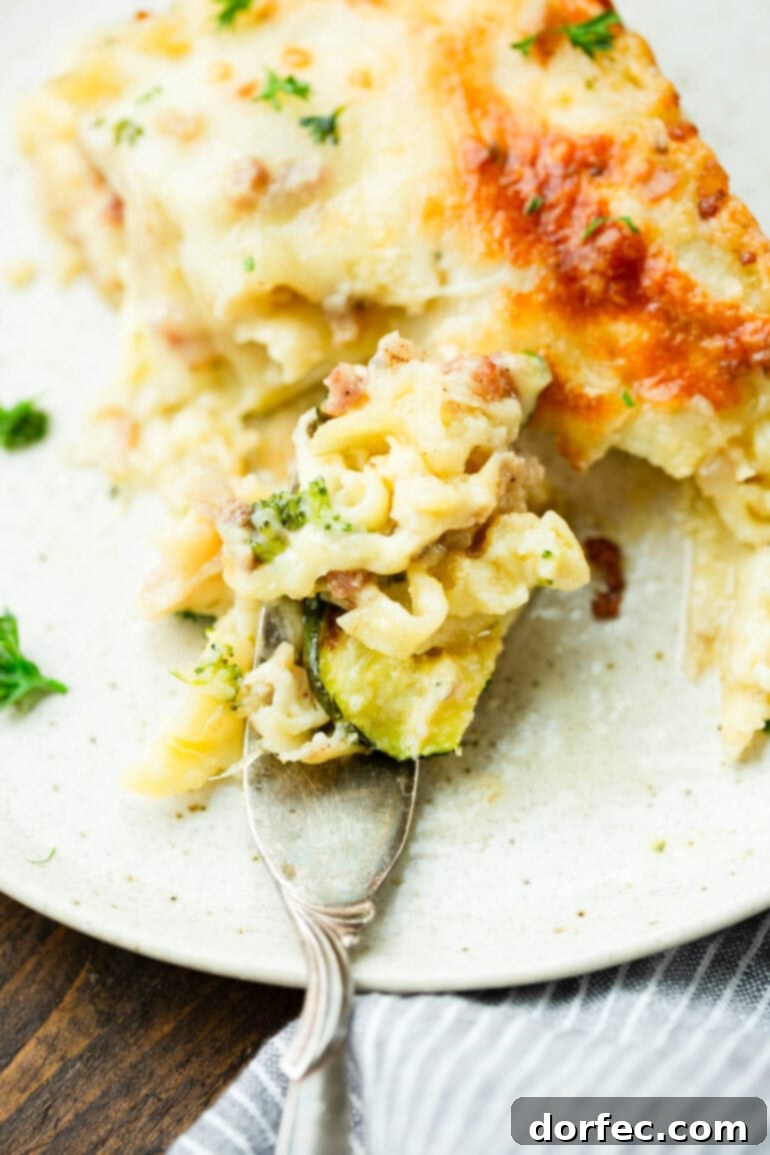
This creamy vegetable lasagna recipe breaks away from the classic red sauce, offering a refreshingly elegant and incredibly flavorful alternative. Layers of tender pasta embrace a rich, velvety white sauce, brimming with sautéed broccoli, zucchini, and savory pancetta, all bound together by a generous helping of melty, delicious cheese. You won’t find cottage cheese or ricotta in this recipe, which is a welcome change for many. If you’re pondering what to do with leftover raclette after the holidays, this white lasagna is your perfect answer! The raclette melts beautifully, imparting a delicate, fruity, and slightly nutty flavor that elevates the entire dish.
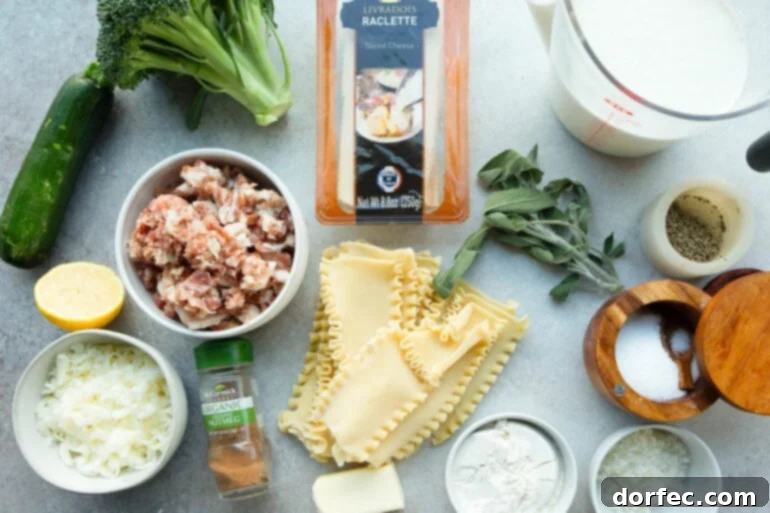
Essential Ingredients for Your White Lasagna
- Heavy Cream: This is the foundation of our luxurious white béchamel sauce, providing unparalleled richness and a silky smooth texture. For a slightly lighter option, whole milk can be substituted, though it will result in a less decadent sauce.
- Fresh Sage: Infused into the heavy cream, fresh sage adds an aromatic, earthy depth that beautifully complements the other flavors, making our béchamel truly special.
- Pancetta: Diced and cooked until crisp, pancetta delivers a burst of savory, slightly salty, and subtly smoky flavor, plus a delightful textural contrast.
- Zucchini: Sliced and gently sautéed, zucchini adds a mild, fresh flavor and tender texture that blends seamlessly into the vegetable medley.
- Broccoli: Cut into bite-sized florets and sautéed until vibrant green, broccoli contributes a lovely crisp-tender bite and a subtle earthy sweetness.
- Salt and Black Pepper: Fundamental seasonings that enhance the natural flavors of all the ingredients, ensuring a well-balanced and delicious dish.
- Butter: Essential for creating the roux for our béchamel sauce, butter also lends a rich, satisfying depth to the sauce and aids in sautéing.
- All-Purpose Flour: Combined with butter to form a roux, flour thickens the béchamel into its characteristic creamy, luscious consistency.
- Fresh Lemon Juice: A squeeze of fresh lemon juice adds a vital brightness, cutting through the richness of the sauce and lifting the overall flavor profile.
- Nutmeg: A pinch of freshly grated nutmeg offers a hint of warm, subtle spice that many find surprisingly delightful in white sauces, adding an unexpected layer of complexity.
- No-Boil or Fresh Lasagna Noodles: These convenient noodles allow for quicker assembly. If using fresh pasta, ensure it’s prepared according to package directions before layering. No-boil noodles simplify the process considerably, absorbing moisture from the sauce as they bake.
- Raclette Cheese: A wonderful choice for its exceptional melting qualities and distinct, delicate fruity flavor. If you have it on hand, it’s a game-changer for this recipe.
- Mozzarella Cheese: The quintessential cheese for lasagna, mozzarella provides that irresistible melted gooiness and classic cheesy stretch. Shredded is best for even distribution.
- Parmesan Cheese: Adds a salty, nutty, umami-rich flavor and helps achieve that desirable golden-brown, bubbly crust on top of the lasagna.
- Fresh Parsley: A final garnish of chopped fresh parsley provides a vibrant pop of color and a fresh, herbaceous note to balance the richness of the dish.
Crafting Your Vegetable White Lasagna: A Step-by-Step Guide
If you’ve ever embarked on the journey of making lasagna, you’ll find this pancetta vegetable lasagna recipe straightforward and enjoyable. The magic truly lies in the methodical layering of flavors and textures. Once each component is perfectly prepared, assembling your lasagna becomes a creative and rewarding process. Follow these detailed steps to create a show-stopping dish:
- Preparation is Key: Begin by preheating your oven to a steady 375 degrees F (190 degrees C). This ensures the oven is at the optimal temperature for even baking once your lasagna is assembled.
- Infusing the Cream with Sage: In a medium saucepan, combine the heavy cream (or whole milk) and fresh sage leaves. Bring this mixture to a gentle boil over medium heat, then immediately remove it from the heat. Carefully pour the infused cream into a heatproof bowl and allow the sage to steep for about 15 minutes. This steeping process allows the sage’s fragrant oils to infuse deeply into the cream, creating an incredibly aromatic foundation for your béchamel sauce.
- Crisping the Pancetta: While the sage infuses, place a large skillet over medium heat. Add the chopped pancetta and cook, stirring occasionally, until it turns golden brown and delightfully crispy. Using a slotted spoon, carefully remove the cooked pancetta from the skillet and transfer it to a plate lined with paper towels to drain any excess fat. Remember to reserve about 2 tablespoons of this crispy pancetta in a separate small dish; this will be sprinkled on top of the lasagna before its final bake for an extra layer of flavor and texture.
- Sautéing the Vegetables to Perfection: Using the same skillet with the rendered pancetta fat (which adds incredible flavor), add the sliced zucchini. Sprinkle it lightly with salt and freshly ground black pepper. Sauté for a few minutes until the zucchini begins to soften and lightly brown on one side. Next, add the broccoli florets to the skillet, along with a little more salt and pepper. Continue to sauté until the broccoli turns a vibrant green and is crisp-tender. Remove the sautéed vegetables from the skillet and set them aside on a separate plate.
- Mastering the Béchamel Sauce (The Roux): Wipe out the saucepan used for steeping the sage cream. Melt the butter over medium heat. Once the butter is fully melted and slightly foamy, gradually whisk in the all-purpose flour. Continue whisking constantly for about 2 minutes, allowing the flour to cook out and thicken into a smooth, pale golden paste known as a roux. This step is crucial for preventing a raw flour taste in your sauce.
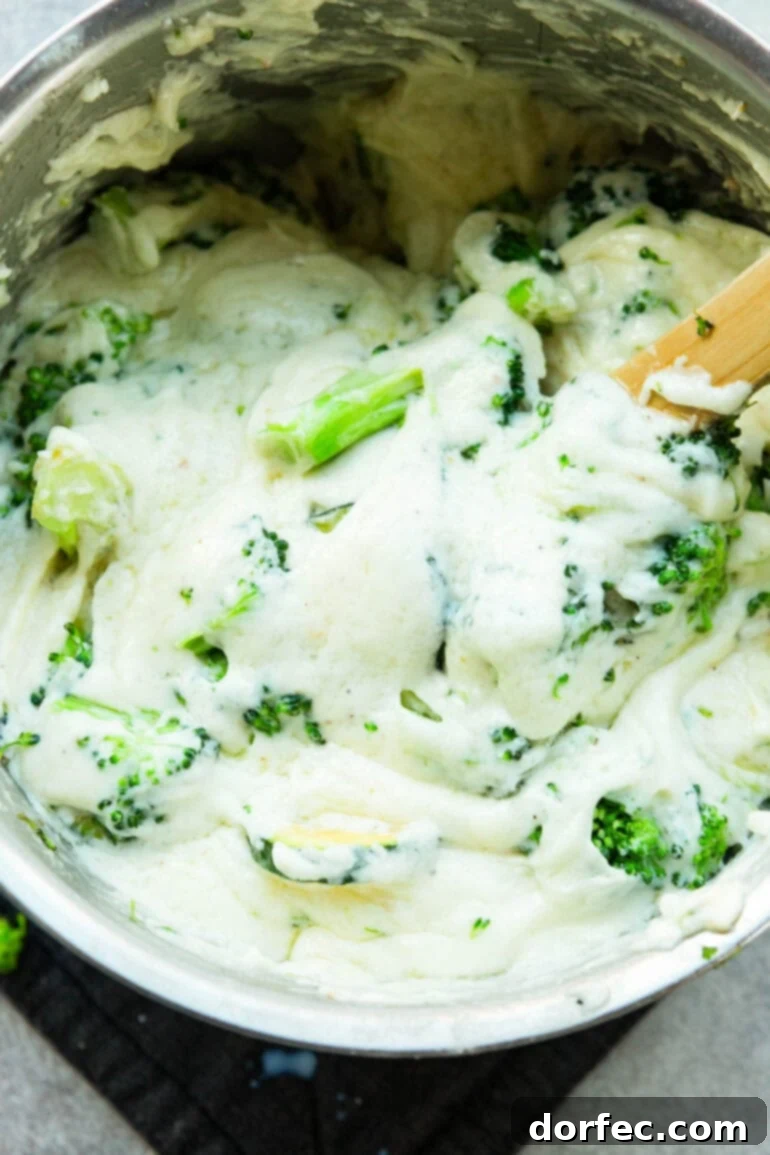
- Completing the Béchamel: To the roux, add the fresh lemon juice and a pinch of nutmeg, whisking vigorously to combine. Remove the sage leaves from the steeped cream (you can gently rewarm the cream in the microwave for 30 seconds if it has cooled too much). Slowly, in a thin, steady stream, pour the sage-infused cream into the roux, whisking continuously to prevent lumps and ensure a perfectly smooth sauce. Reduce the heat to low and simmer for about 5 minutes, or until the béchamel sauce has thickened to a rich, coating consistency. The sauce should be thick enough to cling to the back of a spoon. Season with additional salt and pepper to taste.
Assembling Your Layers of Delight
With all your components ready, it’s time for the art of assembly. This is where your Vegetable White Lasagna truly comes to life. Precision in layering ensures every slice is a perfect harmony of flavors.
- Foundation Layer: Begin by spreading a thin, even layer (about 2 tablespoons) of the prepared béchamel sauce across the bottom of an 8×8 inch casserole dish. This prevents the first layer of noodles from sticking and adds moisture.
- Combine Veggies & Sauce: Add the sautéed broccoli and zucchini to the remaining béchamel sauce. Gently stir to ensure the vegetables are well coated with the creamy sauce. This mixture will form the core of your lasagna’s flavor.
- Prepare Noodles (if necessary): If you are using uncooked or fresh lasagna noodles, boil them now in generously salted water according to the package instructions until al dente. Drain them well and lay them flat on a clean surface or parchment paper to prevent sticking. If using no-boil noodles, no pre-cooking is required.
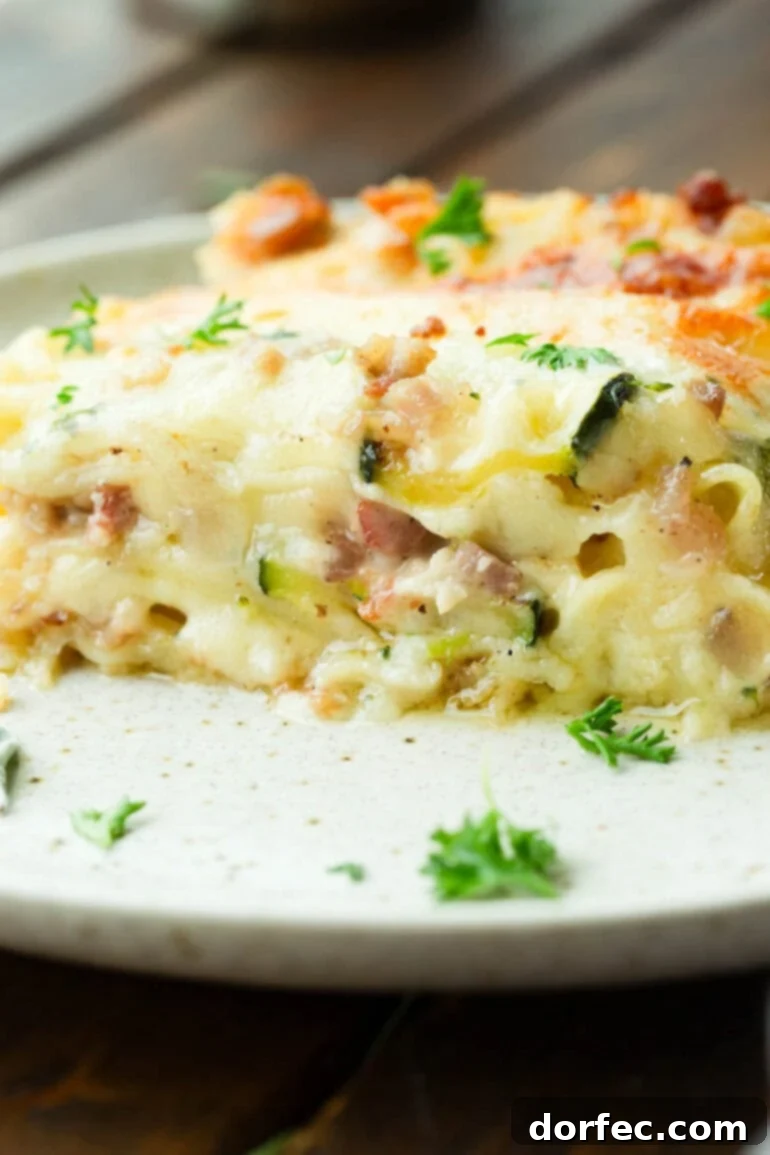
- First Layer of Lasagna: Carefully lay three lasagna noodles in a single layer in the baking dish, overlapping slightly if needed to cover the bottom entirely.
- Building the Layers:
- **Noodle Layer 1:** On top of the first noodle layer, spread one-third of the white sauce and vegetable mixture evenly.
- **Pancetta & Cheese 1:** Sprinkle a portion of the crispy pancetta over the sauce. Arrange 4 slices of raclette cheese on top.
- **Noodle Layer 2:** Place another three lasagna noodles over the cheese layer.
- **Pancetta & Cheese 2:** Repeat with another third of the white sauce and vegetable mixture, another sprinkle of pancetta, and 4 slices of raclette cheese.
- **Noodle Layer 3:** Add the final three lasagna noodles.
- **Pancetta & Cheese 3 (Reduced Raclette):** Spread the remaining white sauce and vegetable mixture. Sprinkle with more pancetta, but this time, use only 2 slices of raclette cheese. This ensures the top layers don’t become overly rich before the final cheese topping.
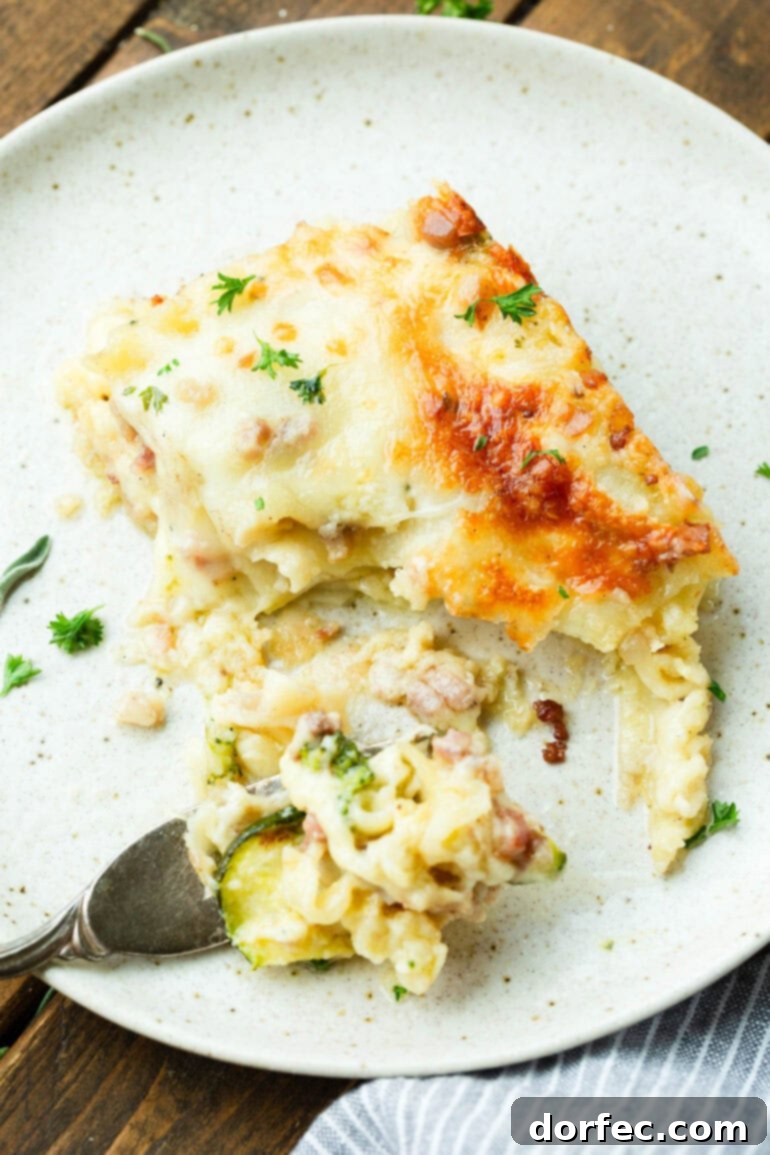
- The Grand Finale – Topping: Once all three main layers are complete, generously top the lasagna with shredded mozzarella cheese, the reserved 2 tablespoons of crispy pancetta, and a sprinkle of Parmesan cheese. This will create a beautiful golden crust.
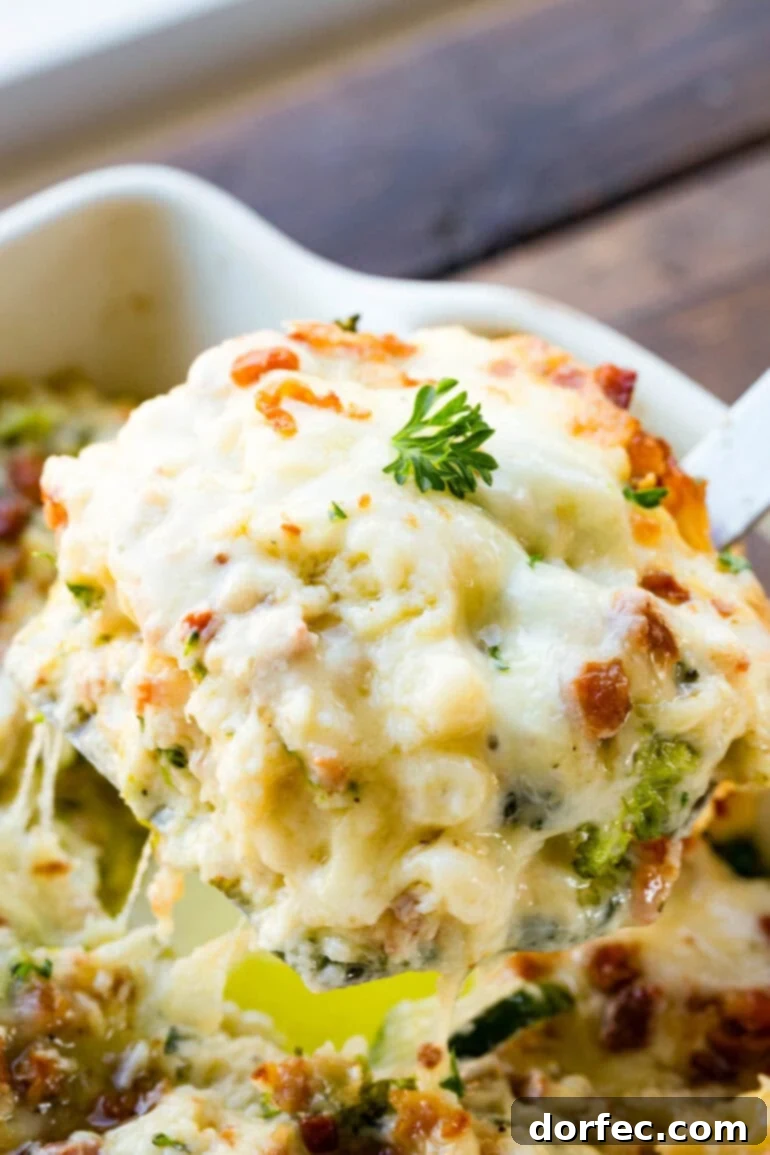
- Baking to Golden Perfection: Lightly spray one side of a piece of aluminum foil with cooking spray (this prevents cheese from sticking). Tightly cover the casserole dish with the foil, sprayed side down. Bake for 40 minutes. After 40 minutes, carefully remove the foil and continue baking for another 10-15 minutes, or until the top is bubbling, golden brown, and absolutely irresistible.
- Garnish and Serve: Let the lasagna rest for 10-15 minutes after removing it from the oven. This allows the layers to set and makes for easier, cleaner slicing. Garnish generously with freshly chopped parsley just before serving to add a final flourish of freshness and color.
Unleashing Your Creativity: Substitutions and Variations
One of the joys of cooking is the freedom to adapt a recipe to your preferences or what you have on hand. While this recipe is fantastic as written, it’s incredibly versatile. My choice of zucchini and broccoli was simply because they were readily available in my fridge, and you can easily do the same with your favorite vegetables.
Vegetable Swaps
Feel free to experiment with a wide array of vegetables. Consider adding:
- Carrots: Diced and sautéed, they add sweetness and color.
- Peas or Green Beans: Add a fresh, slightly sweet element.
- Celery or Onions: Sautéed aromatics will deepen the flavor profile.
- Brussels Sprouts: Halved and roasted, they offer a slightly bitter, nutty counterpoint.
- Fresh Spinach: Wilted and squeezed dry, it blends seamlessly into the sauce.
- Mushrooms: Sautéed mushrooms (cremini, shiitake, or a mix) would add an incredible umami depth. I often find myself wishing I had added them!
- Bell Peppers: Sliced and sautéed for sweetness and color.
- Asparagus: Cut into pieces and lightly blanched or sautéed for a delicate flavor.
Meat Alternatives
If pancetta isn’t available or you’re looking for a different flavor profile:
- Bacon: Cooked until crispy and crumbled, bacon makes an excellent substitute for pancetta, offering a similar salty, smoky flavor.
- Ground Sausage: Browned and drained, mild or spicy ground sausage can add a hearty, flavorful element.
- Chicken: Shredded cooked chicken can be added to the vegetable and sauce mixture for a protein boost.
- Vegetarian Option: For a truly vegetarian lasagna, simply omit the pancetta altogether. The rich béchamel and abundance of vegetables ensure it remains incredibly flavorful and satisfying.
Cheese Alternatives
While raclette adds a wonderful unique touch, other cheeses can be used:
- Gruyère: This is arguably the best substitute for raclette, offering a similar nutty, slightly sweet flavor and excellent melting properties.
- Fontina: Known for its creamy texture and mild, nutty taste, it melts beautifully.
- Provolone: A good option for a milder, slightly tangier flavor.
- White Cheddar: For a sharper, more robust cheese flavor.
Recipe Tip
Making the Most of Leftover Raclette
The post-holiday period often leaves us with a delightful assortment of specialty cheeses, and raclette is frequently one of them. Don’t let this exquisite cheese go to waste! Incorporating it into this white lasagna recipe is a brilliant way to enjoy its unique qualities. Raclette melts beautifully, adding a delicate, fruity flavor and an irresistible creaminess that elevates the entire dish. It’s truly comfort food at its finest, made even better with thoughtful use of ingredients. This adaptability makes the recipe not just delicious but also incredibly practical for using up those gourmet leftovers.
Perfect Pairings: What to Serve with Pancetta Vegetable Lasagna
A hearty lasagna deserves equally satisfying companions. When it comes to side dishes, I’m a firm believer in embracing the carb-on-carb joy that a good piece of bread brings, especially for soaking up every last drop of that creamy white sauce. But the possibilities extend beyond just bread.
Bread for Sopping
- Garlic Bread: The classic choice! A warm, buttery, and garlicky slice is pure bliss with lasagna.
- Herbed Focaccia Bread: Soft, airy, and infused with herbs, focaccia is wonderful for soaking up rich sauces.
- No-Knead Artisan Bread: A rustic, crusty bread that provides a delightful textural contrast.
- Potato Rolls: Fluffy and slightly sweet, they offer a comforting touch.
- Peasant Bread: Simple, wholesome, and perfect for a cozy meal.
Light & Fresh Sides
To balance the richness of the lasagna, consider a crisp and refreshing salad:
- Simple Green Salad: Mixed greens with a light vinaigrette.
- Caesar Salad: A classic pairing that offers a zesty counterpoint.
- Caprese Salad: Fresh tomatoes, mozzarella, and basil for a burst of freshness.
- Roasted Asparagus: A simple, elegant vegetable side that complements the flavors without overpowering them.
Wine Pairings
For those who enjoy a glass of wine with their meal, a few options would pair beautifully:
- Chardonnay (unoaked or lightly oaked): Its creamy texture and notes of apple or pear would complement the béchamel.
- Pinot Grigio: A crisp, dry white wine that provides a refreshing contrast.
- Sauvignon Blanc: Its herbaceous notes would echo the sage in the sauce and cut through the richness.
- Light-bodied Pinot Noir: If you prefer red, a light Pinot Noir with earthy notes could also work well.
Frequently Asked Questions About Lasagna
Here are some common questions about preparing, storing, and freezing this delicious lasagna recipe:
Can I Double This Recipe for a Larger Crowd?
Yes, absolutely! This white lasagna recipe can easily be doubled to fit a larger 9×13 inch baking dish. When doubling, simply multiply each ingredient quantity by two. Follow the instructions as written, keeping in mind that a larger, deeper lasagna may require a little extra baking time to ensure it’s cooked all the way through and heated evenly to the center. Monitor it closely, and if the top starts to brown too quickly, tent it loosely with aluminum foil.
Can I Make Lasagna Ahead of Time?
One of the many reasons to love lasagna recipes is their incredible versatility as make-ahead meals. They are exceptionally forgiving and reheat beautifully, making them perfect for busy weeknights or entertaining.
Making Ahead and Reheating:
You can assemble and bake the lasagna several hours, or even a day, in advance. Once baked, allow it to cool completely at room temperature. Then, cover it tightly with plastic wrap and refrigerate until you’re ready to serve. To reheat, preheat your oven to 375 degrees F (190 degrees C). Place the refrigerated lasagna (still covered with foil to prevent drying out) in the oven for about 30-40 minutes, or until thoroughly heated through. Remove the foil for the last 10 minutes if you want to crisp up the top again.
For individual portions, you can also reheat slices in the microwave. Cover loosely with a microwave-safe lid or plastic wrap and heat in 1-2 minute intervals until hot, turning occasionally.
Can I Freeze Lasagna?
Lasagna freezes exceptionally well, whether it’s cooked or uncooked, making it an ideal candidate for meal prepping. This method helps lock in the flavors and ensures you have a delicious meal ready when you need it.
Freezing Uncooked Lasagna:
Assemble the lasagna according to the recipe instructions, but do not bake it. Wrap the uncooked lasagna tightly in several layers of plastic wrap, followed by a layer of heavy-duty aluminum foil to prevent freezer burn. Label it with the date. It will keep beautifully in the freezer for up to 3 months. When ready to bake, you can either bake it directly from frozen (this will significantly increase baking time, potentially 1 hour or more, covered, then uncovered until golden) or thaw it in the refrigerator overnight before baking as per the original instructions. Baking from frozen often yields excellent results, though keep an eye on it to prevent over-browning while ensuring the center is fully heated.
Freezing Baked Lasagna:
If you have leftover baked lasagna, you can freeze it whole or in individual portions. Allow the baked lasagna to cool completely to room temperature. For a whole lasagna, wrap it tightly in plastic wrap and then aluminum foil. For individual portions, slice the lasagna, wrap each slice individually, then place them in an airtight freezer-safe container or a larger freezer bag. It will keep in the freezer for up to 3 months. To reheat, thaw overnight in the refrigerator (if possible) and then reheat covered in the oven at 375 degrees F (190 degrees C) for about 30 minutes, or until hot. Uncover for the last few minutes for a crisper top. Individual portions can also be reheated in the microwave.
Storing Leftovers
Proper storage is key to enjoying your delicious lasagna for days after it’s made. Leftovers of this pancetta vegetable lasagna should be stored in an airtight container in the refrigerator. When stored correctly, it will maintain its quality and flavor for up to 5 days.
Reheating Leftovers:
You can reheat leftover lasagna either in the microwave or in the oven, depending on the quantity you’re warming up. For individual slices, the microwave is a quick and efficient option. Place a slice on a microwave-safe plate, cover it loosely with a microwave-safe lid or damp paper towel to retain moisture, and heat in 1-2 minute intervals until piping hot.
For larger portions or an entire remaining lasagna, the oven is preferable as it helps to re-crisp the top and warm the dish more evenly without drying it out. Preheat your oven to 375 degrees F (190 degrees C). Place the lasagna in an oven-safe dish, ensuring it’s covered tightly with aluminum foil. Bake for about 20-30 minutes, or until heated through. Always keep the lasagna covered during reheating in the oven to prevent the noodles and sauce from drying out, ensuring every bite is as delicious as the first.
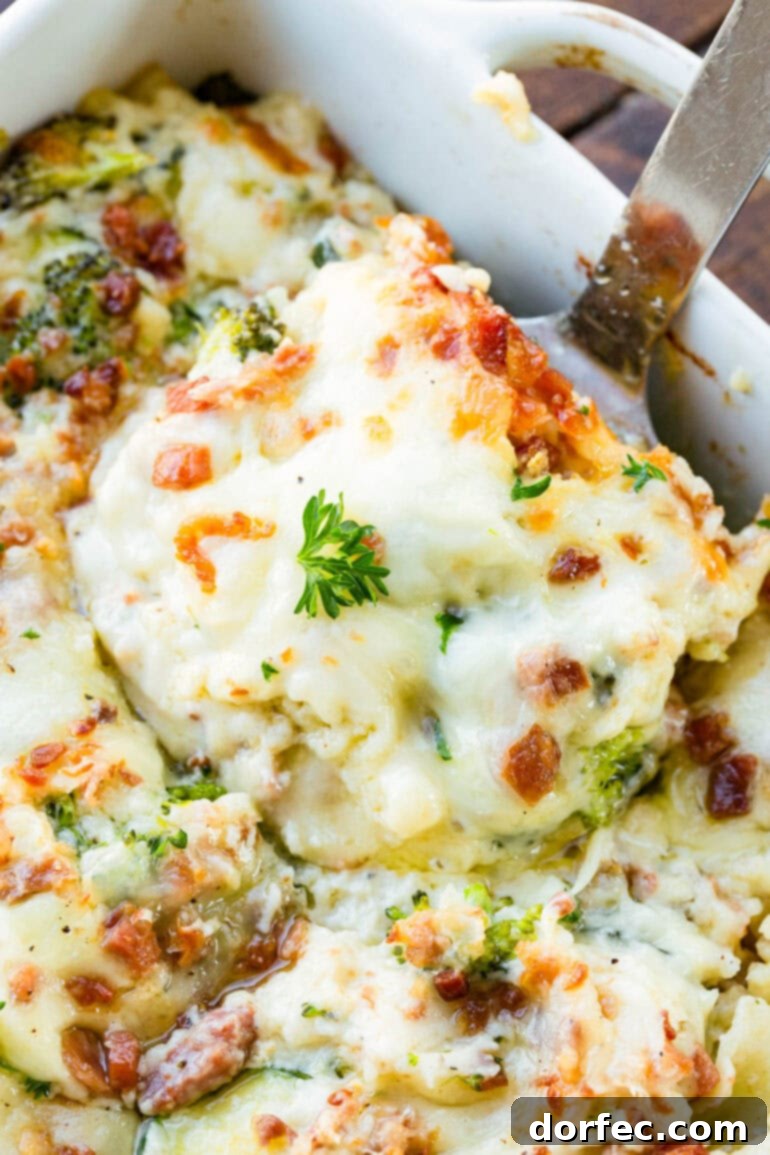
This delicious and hearty pancetta vegetable lasagna with white sauce offers a satisfying and flavorful meal that’s perfect for any occasion. Whether it’s a cozy night in or a special gathering with guests, its creamy layers and rich flavors are sure to impress.
More Comfort Food Recipes You Must Try:
If you loved this comforting lasagna, be sure to explore these other heartwarming recipes perfect for any time of year:
- Instant Pot Chili
- Chicken Enchiladas
- Macaroni and Cheese
- Sloppy Joes
- Beef Stew
- Broccoli Cheddar Soup
- Chicken Noodle Soup
Watch How to Make a Simple White Sauce Lasagna
Vegetable White Lasagna
Print Recipe
Ingredients
- 2 ¾ Cups Heavy Cream, or whole milk
- 1 Sprig Sage, fresh, about 6 leaves
- 10 oz Pancetta, chopped
- 1 Zucchini, small, sliced
- 1 Head Broccoli, chopped
- Salt and Black Pepper, to taste
- 6 Tablespoons Butter
- 1/3 Cup All-Purpose Flour
- 1 Squeeze Lemon Juice, almost 1/2 a lemon
- 1/4 teaspoon Nutmeg
- 1 Box No-Boil or Fresh Lasagna Noodles, 9oz
- 8 Ounces Raclette Cheese, about 10 slices
- 1 ¼ Cups Mozzarella Cheese, shredded
- 2 Tablespoons Parmesan Cheese, shredded
- Fresh Parsley, chopped, for garnish
Instructions
-
Preheat the oven to 375 degrees F (190 degrees C).
-
In a pot, combine the heavy cream and fresh sage. Bring to a gentle boil, then remove from heat and pour into a bowl. Allow to steep for 15 minutes to infuse the sage flavor.
-
Cook the chopped pancetta in a skillet over medium heat until crispy. Remove pancetta to a plate lined with paper towels, reserving 2 tablespoons for the top of the lasagna later.
-
In the same skillet, add the sliced zucchini with salt and pepper. Cook for a few minutes until lightly browned. Add broccoli florets with more salt and pepper, and sauté until vibrant green and crisp-tender. Remove vegetables to a separate plate.
-
Wipe out the saucepan and melt the butter over medium heat. Whisk in the flour and cook for about 2 minutes, whisking occasionally until it forms a smooth paste (roux).
-
Add the lemon juice and nutmeg to the roux and whisk to combine. Remove sage leaves from the infused cream. Slowly drizzle the cream into the roux while whisking constantly. Reduce heat to low and simmer for 5 minutes until the béchamel sauce thickens.
-
Spread 2 tablespoons of the béchamel sauce into the bottom of an 8×8 inch casserole dish. Stir the sautéed broccoli and zucchini into the remaining béchamel sauce.
-
If using uncooked lasagna noodles, boil them according to package directions. Layer 3 noodles in the dish. Top with one-third of the béchamel-vegetable mixture, a sprinkle of cooked pancetta, and 4 slices of raclette cheese.
-
Repeat the layering two more times. For the third and final layer of raclette, use only 2 slices of cheese.
-
On the very top layer, finish with a generous spread of mozzarella cheese, the reserved 2 tablespoons of crispy pancetta, and a sprinkle of Parmesan cheese.
-
Spray one side of aluminum foil with nonstick spray. Cover the dish tightly with the foil (sprayed side down). Bake for 40 minutes. Remove the foil and bake for another 10-15 minutes, or until the top is golden brown and bubbly.
-
Let the lasagna rest for 10-15 minutes before serving. Garnish with fresh chopped parsley.
Nutrition Information (Approximate)
Nutrition information is automatically calculated, so should only be used as an approximation.