
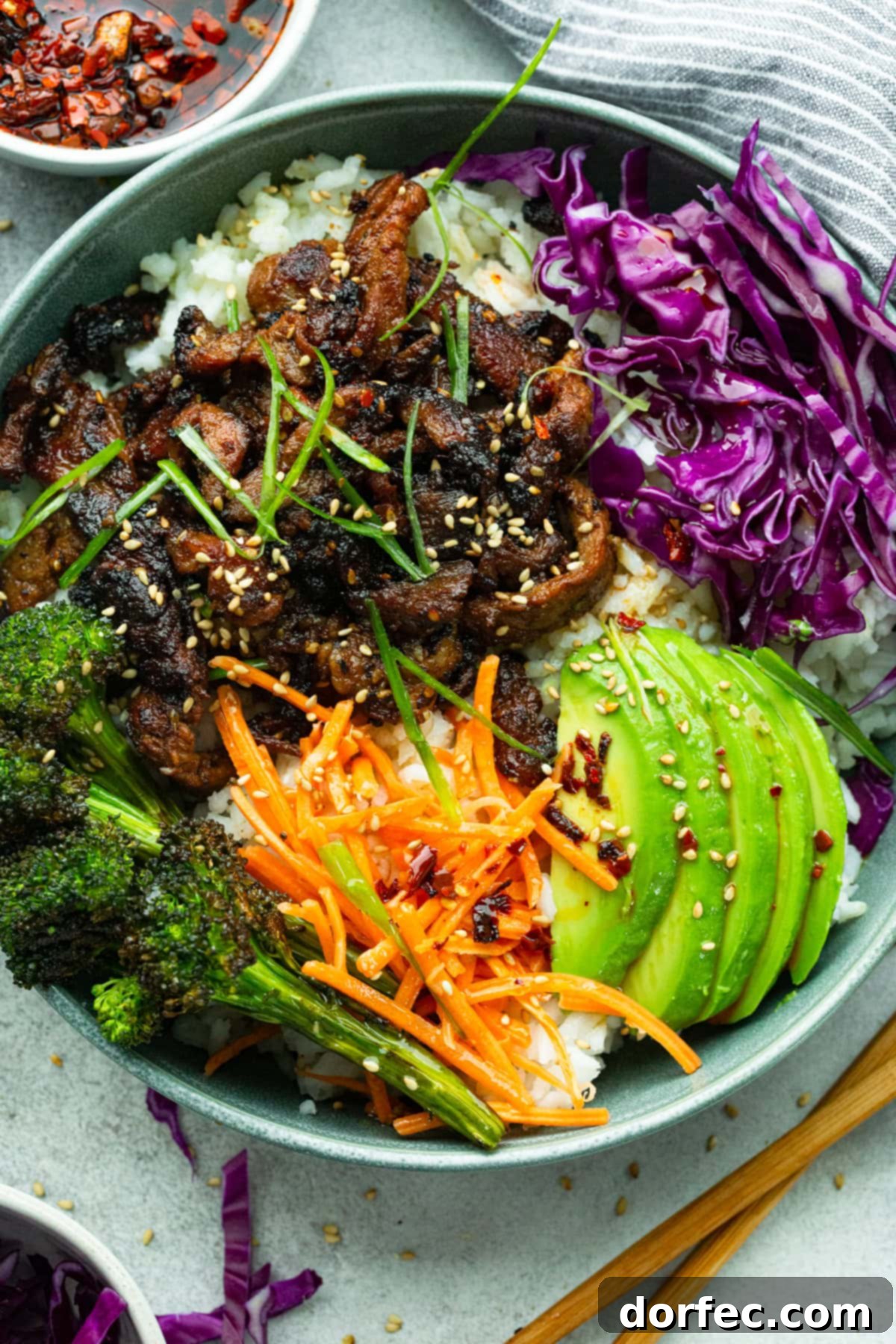
The Ultimate 15-Minute Korean Beef Bowl Recipe (Easy Bulgogi)
Craving a delicious, restaurant-quality meal that’s ready in a flash? Our Easy Korean Beef Bowl Recipe is the answer. This simple yet flavor-packed beef dinner features thin, perfectly caramelized strips of marinated bulgogi beef served over a bed of fluffy rice with crisp, colorful vegetables. Best of all, it comes together in just 15 minutes of cooking time, making it the perfect solution for busy weeknights.
This effortless dish is bursting with authentic Asian flavors—sweet, savory, and a little bit spicy. It’s the ultimate go-to meal for those moments when you’re tired of wondering what to make for dinner and need something that is guaranteed to be a hit with the entire family.
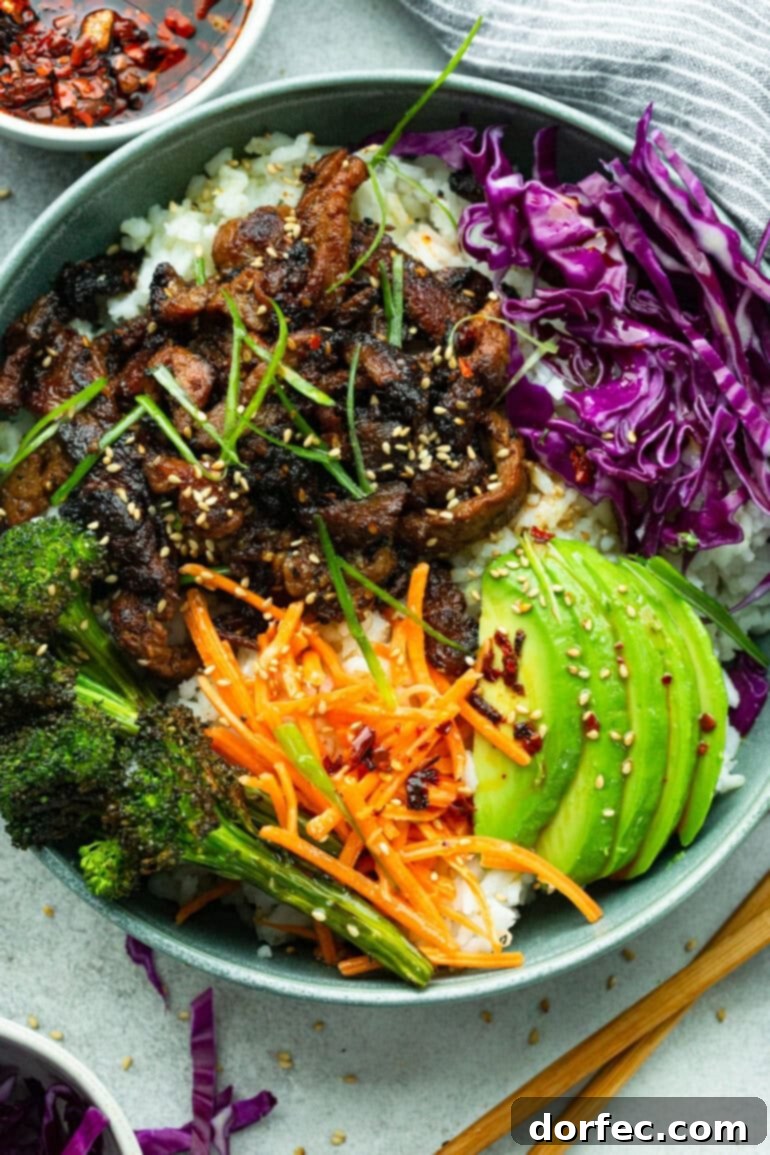
What is Beef Bulgogi?
“Bulgogi” (불고기) literally translates to “fire meat” in Korean. Traditionally, it refers to thinly sliced, marinated beef that is grilled over an open flame, giving it a distinctive smoky char. The marinade is the heart of the dish, a magical blend of soy sauce, sugar, sesame oil, garlic, and other ingredients that tenderize the meat and infuse it with incredible flavor. While traditional bulgogi is a barbecue classic, our recipe adapts this beloved dish for the modern home cook. We use a hot skillet to achieve a similar delicious caramelization, making it accessible for a quick weeknight dinner without compromising on taste.
Why You’ll Love This Easy Korean Beef Bowl
If you’ve ever found yourself short on time but unwilling to sacrifice flavor, this recipe is your new best friend. It transforms a simple dinner into a memorable meal with minimal effort.
- Incredibly Fast: With just 15 minutes of cooking, this is one of the fastest beef dinners you can make. The secret is the thinly sliced meat, which cooks in minutes.
- Bursting with Flavor: The marinade does all the heavy lifting, creating a complex, savory-sweet sauce that coats every piece of beef.
- Fully Customizable: Treat this recipe as a template! Everyone can build their own bowl with their favorite toppings, making it a fun and interactive meal for the whole family.
- Healthy and Balanced: Each bowl is a well-rounded meal, delivering high-quality protein, wholesome carbohydrates, and a generous serving of fresh vegetables.
- Perfect for Meal Prep: All the components can be prepared ahead of time, making weekday lunches or dinners as simple as assembling and reheating.
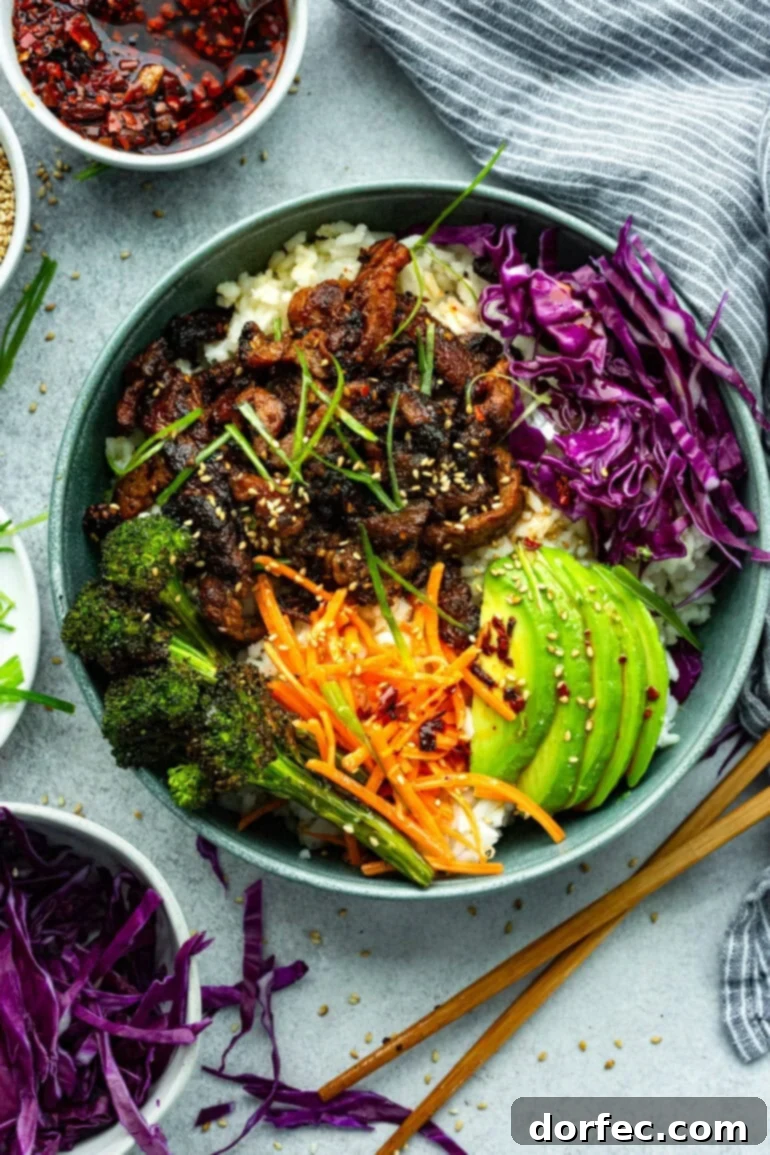
Key Ingredients for Authentic Flavor
The magic of this dish lies in the simple yet powerful combination of ingredients in the marinade and the fresh components of the bowl.
For the Marinated Beef (Bulgogi)
- Boneless Ribeye or Top Sirloin: These cuts are ideal for their tenderness and flavor. Ribeye has beautiful marbling that renders down, keeping the beef exceptionally juicy. Sirloin is a leaner but still incredibly tender option.
- Low-Sodium Soy Sauce: This forms the salty, umami backbone of the marinade. Using a low-sodium version gives you better control over the final saltiness.
- Brown Sugar: Provides a deep, molasses-like sweetness that is essential for the classic bulgogi flavor and helps the beef caramelize beautifully in the pan.
- Toasted Sesame Oil: A cornerstone of Korean cooking, it adds a rich, nutty aroma and flavor that rounds out the sauce.
- Fresh Garlic & Ginger: These aromatics provide a pungent, zesty kick that cuts through the richness and adds incredible depth.
- Mirin: This sweet Japanese rice wine adds a subtle tang and helps create a glossy glaze on the meat.
- Asian Pear (Optional but Recommended): This is the traditional secret ingredient! The enzymes in Asian pear act as a natural tenderizer, making the beef melt-in-your-mouth soft while adding a delicate, fruity sweetness. A Bosc pear or even an apple can be substituted in a pinch.
- Gochugaru (Korean Red Pepper Flakes): This adds a mild, smoky heat without being overwhelmingly spicy. For a deeper, slightly sweeter heat, you can substitute with gochujang (Korean chili paste).
- Vegetable Oil: A neutral, high-smoke-point oil is needed for searing the beef without burning.
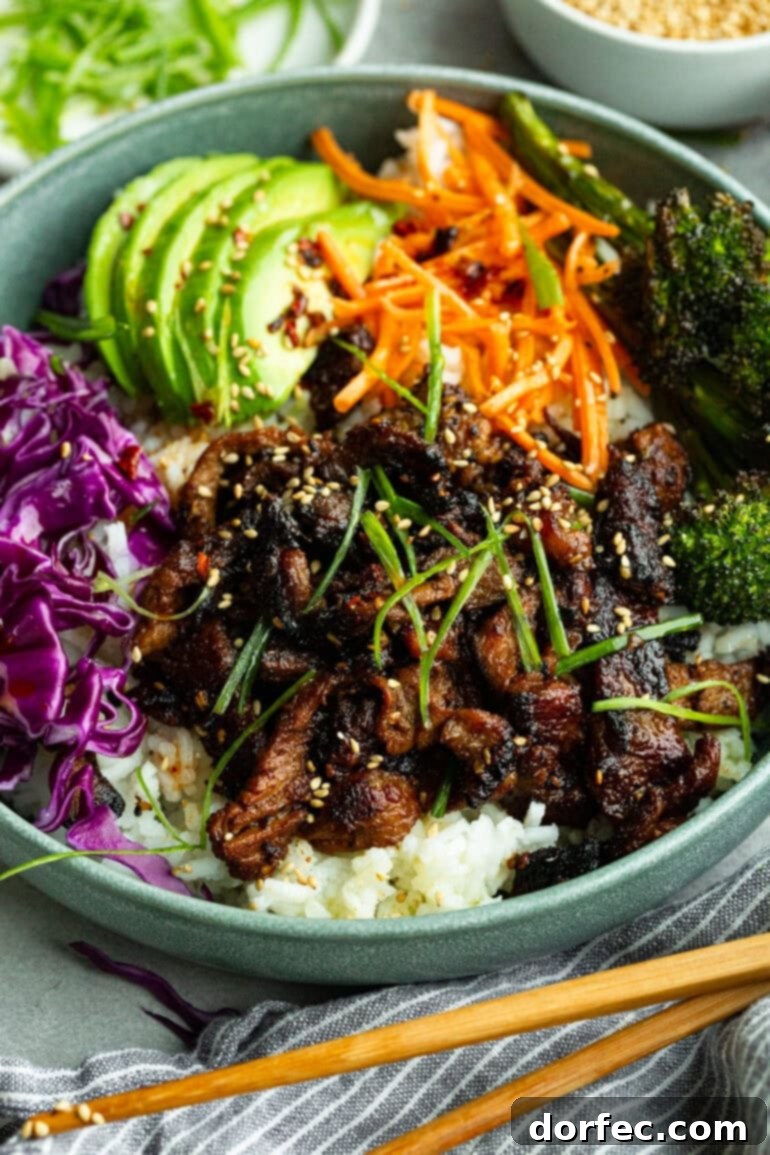
For Assembling the Bowls
- Jasmine Rice: Serves as the perfect fluffy, slightly sticky base to soak up all the delicious sauce.
- Fresh Vegetables: We love a mix of textures and colors! Roasted broccoli adds a charred element, while raw matchstick carrots and shredded purple cabbage provide a refreshing crunch.
- Rice Vinegar: A quick toss with the carrots and cabbage lightly pickles them, adding a bright, tangy contrast to the savory beef.
- Creamy Avocado: Sliced avocado adds a rich, buttery texture that beautifully balances the bold flavors of the bowl.
- Toasted Sesame Seeds & Green Onions: These are the essential finishing touches, adding a toasty crunch and a fresh, mild onion bite.
How to Make Korean Beef Bowls Step-by-Step
- Prepare the Beef: For easy slicing, wrap your steak tightly in plastic wrap and place it in the freezer for about 30-45 minutes. It should be firm but not frozen solid. Unwrap and use a sharp knife to slice the beef very thinly against the grain.
- Make the Marinade: In a medium bowl, whisk together the soy sauce, brown sugar, sesame oil, minced garlic, grated ginger, mirin, and Korean red pepper flakes. If using, grate the Asian pear and add it to the marinade.
- Marinate the Beef: Place the sliced beef in a zip-top bag or a shallow dish. Pour the marinade over the beef, ensuring every piece is coated. Seal the bag or cover the dish and refrigerate for at least 30 minutes, or up to 8 hours for maximum flavor.
- Quick-Pickle the Vegetables: While the beef marinates, toss the matchstick carrots and shredded cabbage with a splash of rice vinegar in a small bowl. Set aside to let the flavors meld.
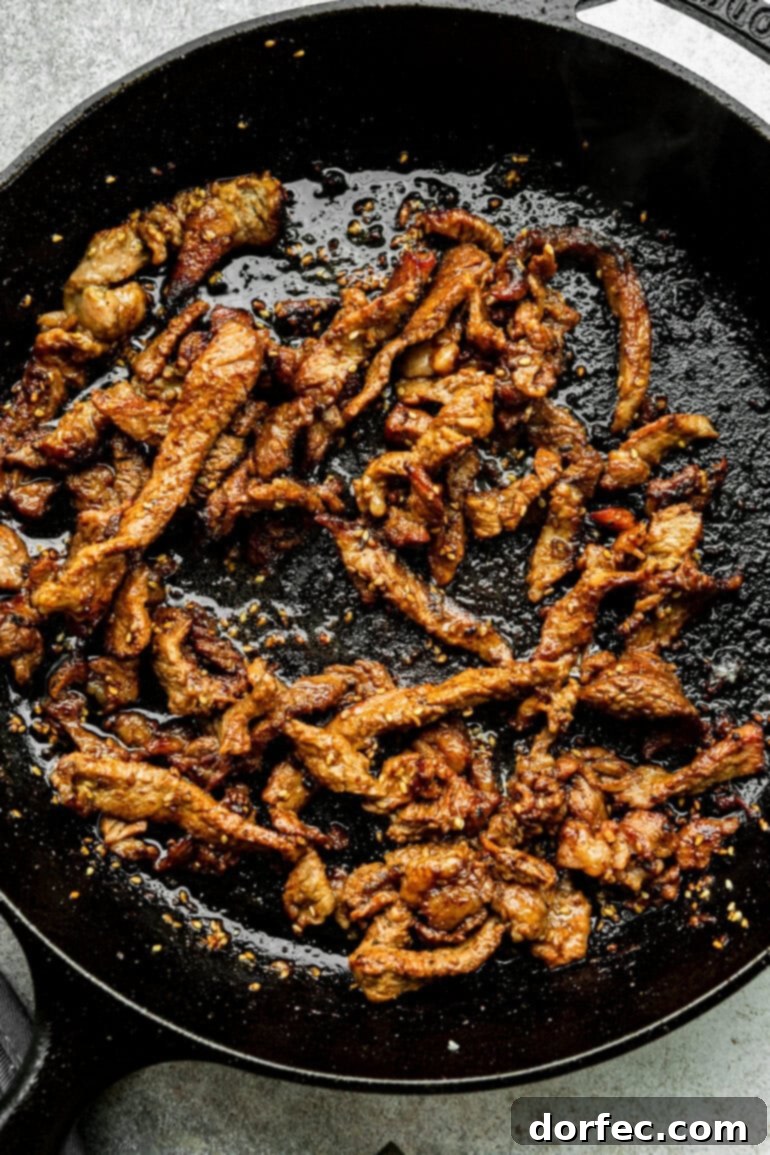
- Cook the Beef: Heat a tablespoon of vegetable oil in a large cast-iron skillet or wok over medium-high heat. The pan should be very hot. Working in batches to avoid overcrowding, add the beef in a single layer. Cook for 1-2 minutes per side, until charred and caramelized. Remove the cooked beef to a plate and repeat with the remaining meat.
- Create the Sauce: Once all the beef is cooked, return it to the skillet. Pour in any leftover marinade from the bag or dish. Bring the sauce to a simmer and cook for 1-2 minutes, until it has thickened slightly and coats the beef in a beautiful glaze.
- Assemble the Bowls: Divide the cooked jasmine rice among four bowls. Top with the saucy Korean beef, roasted broccoli, pickled carrots and cabbage, and sliced avocado. Garnish generously with toasted sesame seeds and chopped green onions. Serve immediately.
Expert Tips for the Best Bulgogi at Home
- Freeze Your Meat for Easy Slicing: This is the number one trick for getting those paper-thin slices. A brief time in the freezer firms up the steak, making it much easier to slice thinly and uniformly.
- Don’t Crowd the Pan: For a perfect sear, the beef needs direct contact with the hot skillet. Cooking in batches ensures the beef caramelizes rather than steams, developing a much deeper flavor.
- Get Your Pan Screaming Hot: High heat is essential for achieving the signature char and quick cooking time. A cast-iron skillet is excellent for retaining high, even heat.
- Slice Against the Grain: Look for the direction the muscle fibers run in the steak and slice perpendicular to them. This shortens the fibers, resulting in incredibly tender meat.
Creative Variations and Substitutions
One of the best things about these bowls is their versatility. Feel free to mix and match ingredients based on what you have on hand or what your family loves.
- Protein Swaps: This marinade is also fantastic with thinly sliced pork loin, chicken thighs, or even firm tofu for a delicious vegetarian option.
- Grain Alternatives: Swap jasmine rice for brown rice, quinoa, or cauliflower rice for a low-carb, keto-friendly version.
- Vegetable Add-Ins: Sautéed bell peppers, mushrooms, spinach, or edamame would all be wonderful additions.
- Add an Egg: Top your bowl with a sunny-side-up fried egg for extra protein and a rich, runny yolk that creates its own sauce.
- Make it Spicy: Drizzle with sriracha, add more gochujang, or top with thinly sliced fresh chilies for an extra kick.
Meal Prep, Storage, and Reheating
These Korean beef bowls are a meal prepper’s dream. To prepare ahead, cook the beef and rice, and chop all your vegetables. Store each component in separate airtight containers in the refrigerator for up to 4 days. When you’re ready to eat, simply assemble your bowl and enjoy it cold for a refreshing lunch, or gently reheat the beef and rice before adding the fresh toppings.
To reheat, you can microwave the beef and rice until warm. For the best texture, reheat the beef in a skillet over medium heat for a few minutes until it sizzles and gets crispy again. Add a splash of water to the rice before microwaving to help it steam and prevent it from drying out.
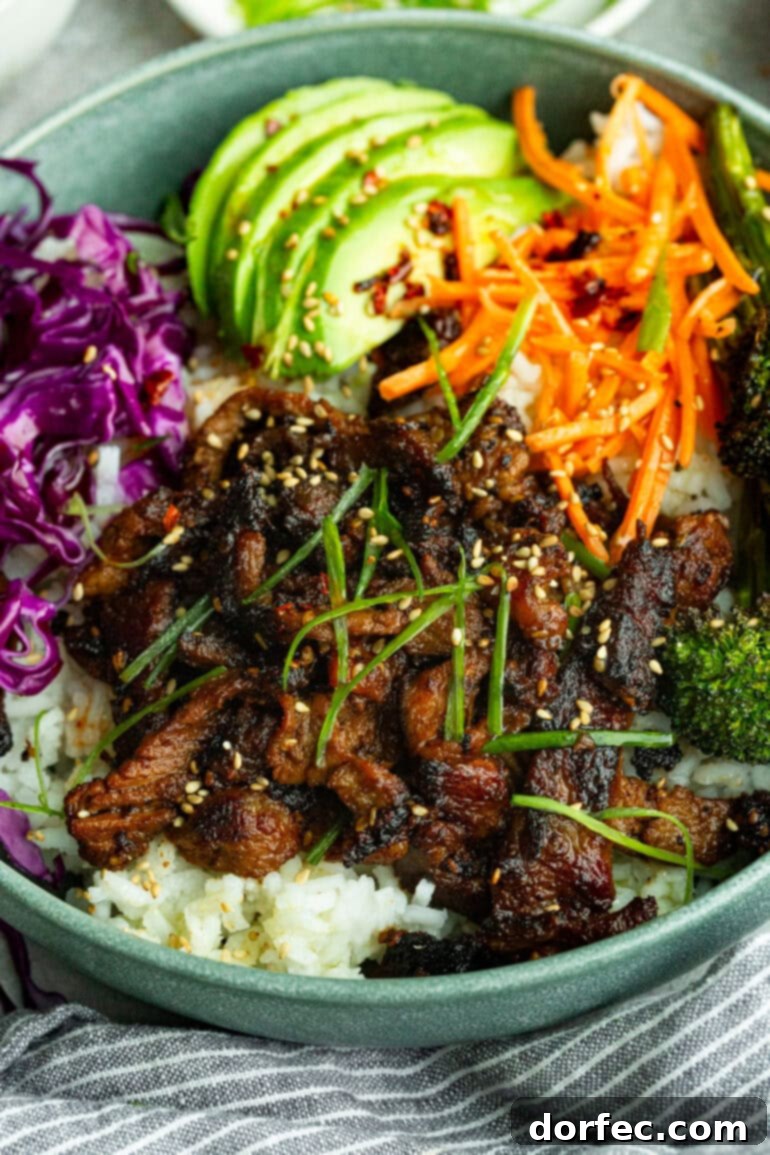
There’s something incredibly satisfying about creating a meal like this Korean Beef Rice Bowl that feels special yet comes together so quickly. The balance of the sweet and savory sauce, the tender beef, and the fresh, crunchy vegetables over warm rice is pure comfort. It’s a recipe that turns an ordinary weeknight into a delicious event. I hope it becomes a cherished go-to in your home as it is in ours.
If you try this recipe, we’d love to hear from you! Please leave a comment and rating below to let us know how it turned out.
Easy Korean Beef Bulgogi Bowls
Our Easy Korean Beef Bowl Recipe is a fast and flavorful dinner featuring thin, caramelized strips of marinated beef served over fluffy rice with fresh veggies. Ready in just 15 minutes of cooking time!
Ingredients
For the Beef Marinade:
- 1 ½ lbs Boneless Ribeye or Top Sirloin, thinly sliced
- ¼ Cup Low-Sodium Soy Sauce
- 2 Tablespoons Brown Sugar
- 1 ½ Tablespoons Toasted Sesame Oil
- 3 Cloves Garlic, minced
- 1 Tablespoon Fresh Ginger, grated
- 1 Tablespoon Mirin
- ½ Asian Pear, grated (optional, for tenderizing)
- ¼ teaspoon Korean Red Pepper Flakes (Gochugaru) or to taste
- 2 Tablespoons Vegetable Oil, for cooking
For the Bowls:
- 4 cups Cooked Jasmine Rice
- 1 head Broccoli, roasted or steamed
- 1 cup Matchstick Carrots
- 1 cup Purple Cabbage, shredded
- 1 Tablespoon Rice Vinegar
- 1 Avocado, sliced
- 2 teaspoons Toasted Sesame Seeds
- 2 Green Onions, chopped
Instructions
- Wrap the steak in plastic wrap and freeze for 30-45 minutes to firm up. Slice thinly against the grain.
- In a medium bowl, whisk together all marinade ingredients (soy sauce through red pepper flakes). Add the sliced beef and toss to coat. Marinate for at least 30 minutes or up to 8 hours in the refrigerator.
- In a separate bowl, toss the carrots and cabbage with the rice vinegar. Set aside.
- Heat 1 tablespoon of vegetable oil in a large cast-iron skillet over medium-high heat. Working in batches, cook the steak in a single layer for 1-2 minutes per side until charred and cooked through. Transfer to a plate.
- Return all cooked beef to the skillet along with any remaining marinade. Cook for 1-2 minutes until the sauce thickens and glazes the meat.
- To serve, divide rice among bowls. Top with the beef, roasted broccoli, pickled carrots and cabbage, and avocado. Garnish with sesame seeds and green onions.
Nutrition
Serving: 1 bowl, Calories: 550kcal, Protein: 35g, Carbohydrates: 45g, Fat: 25g. Nutrition information is an estimate and may vary.