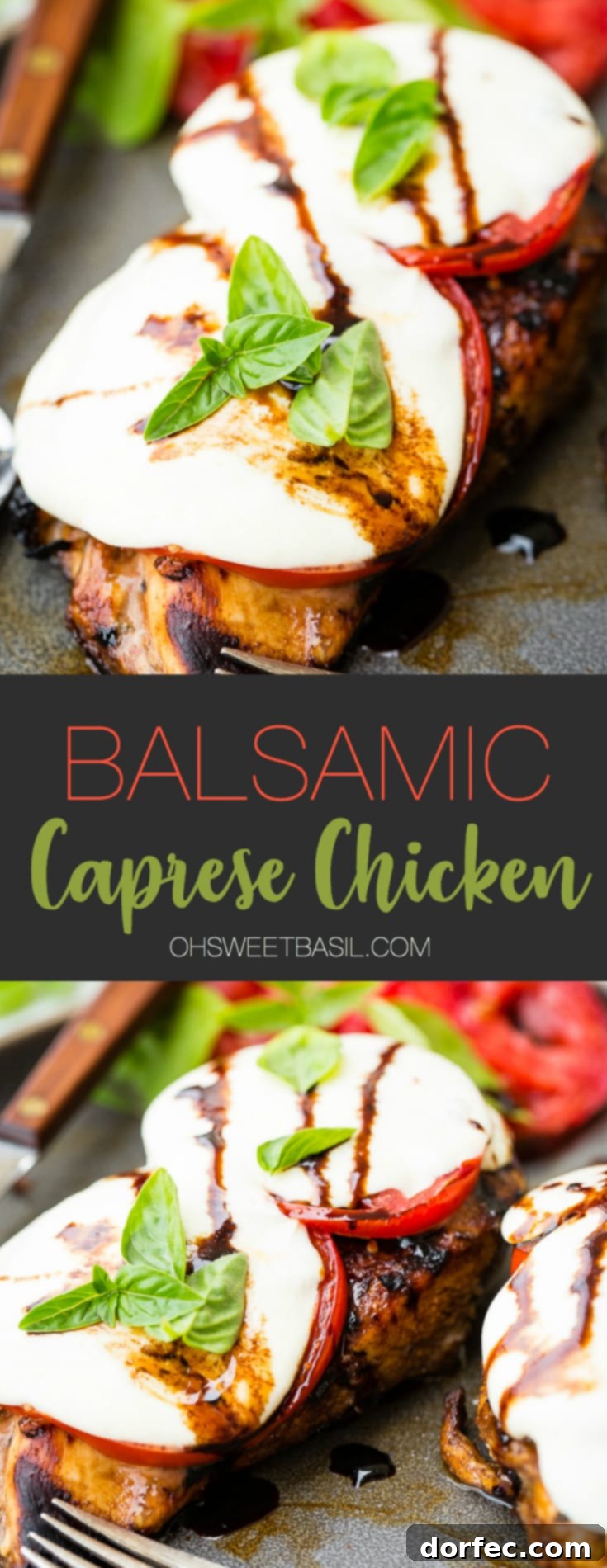
In the world of quick and easy dinner solutions, chicken breasts often feature as the star, frequently finding their way into shredded dishes like tacos, casseroles, or stir-fries. While there’s certainly a place for those comforting meals, sometimes you crave something a little more elegant, a little more substantial, and definitely not shredded. Enter Balsamic Caprese Chicken – a dish that redefines weeknight chicken with its vibrant flavors, tender texture, and sophisticated presentation, all achievable in under 30 minutes of active prep!
Chicken, a lean and versatile protein, is a staple in many households due to its accessibility and ease of preparation. However, routine can quickly lead to culinary fatigue. If you find yourself yearning for a chicken dish that breaks the mold, offering a fresh perspective on this beloved poultry, then this Balsamic Caprese Chicken recipe is your answer. It’s a testament to how simple ingredients can transform an everyday protein into a truly classy and flavorful experience that stands proudly, un-shredded.
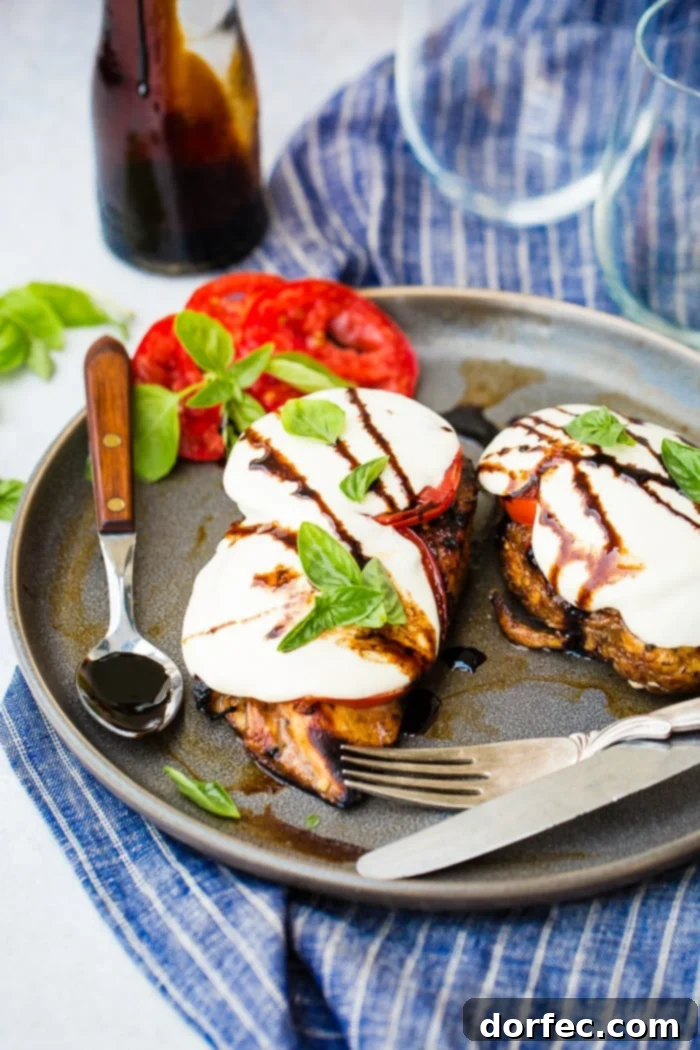
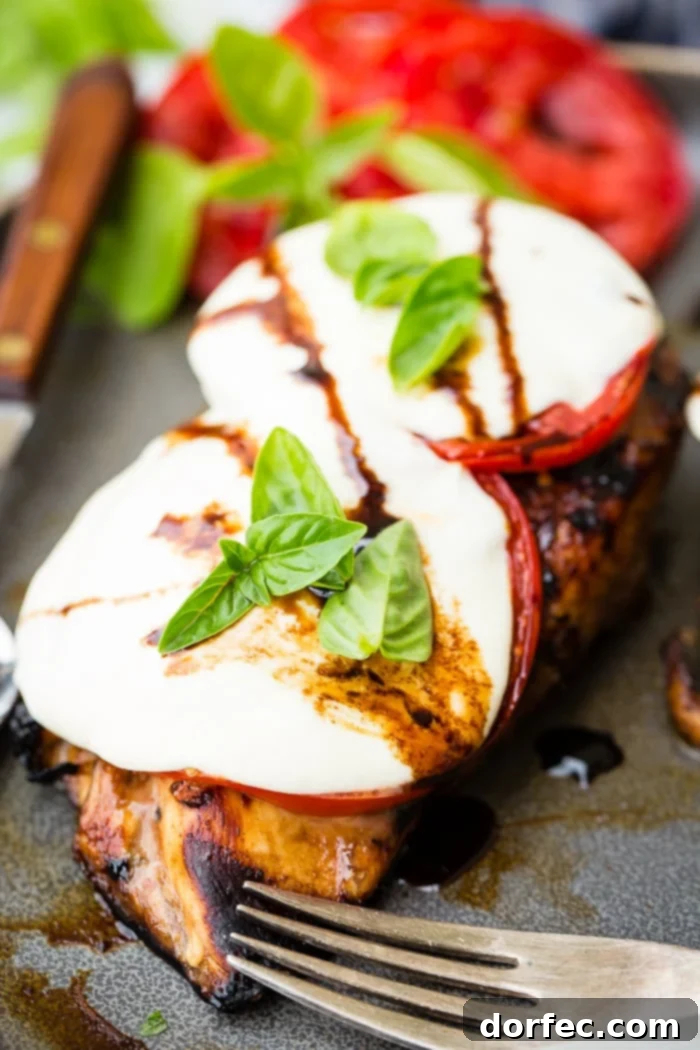
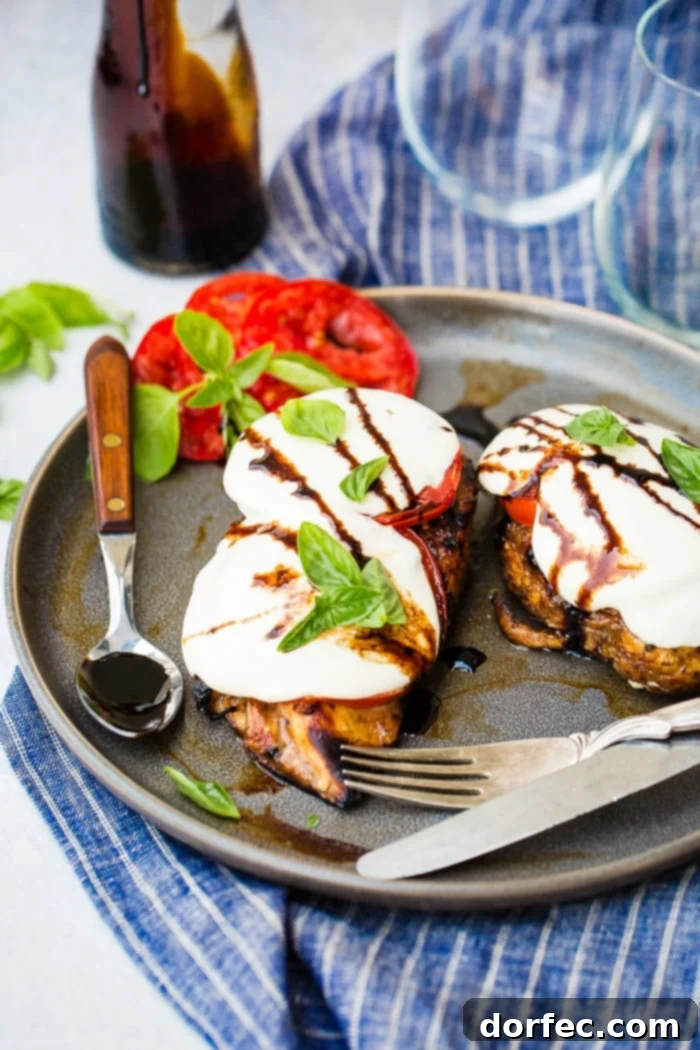
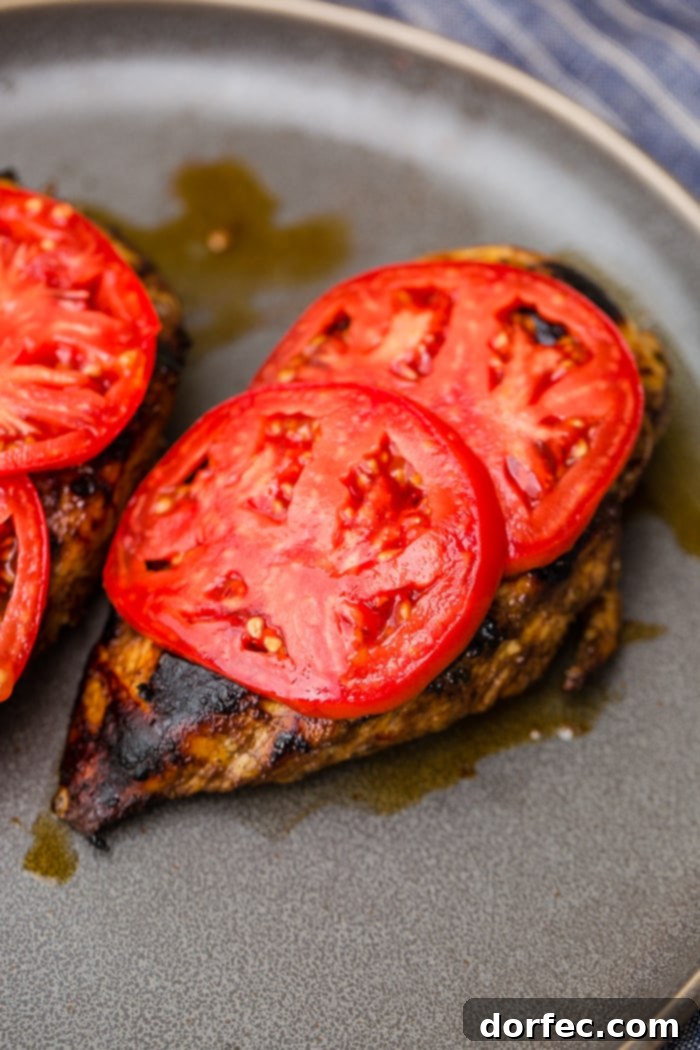
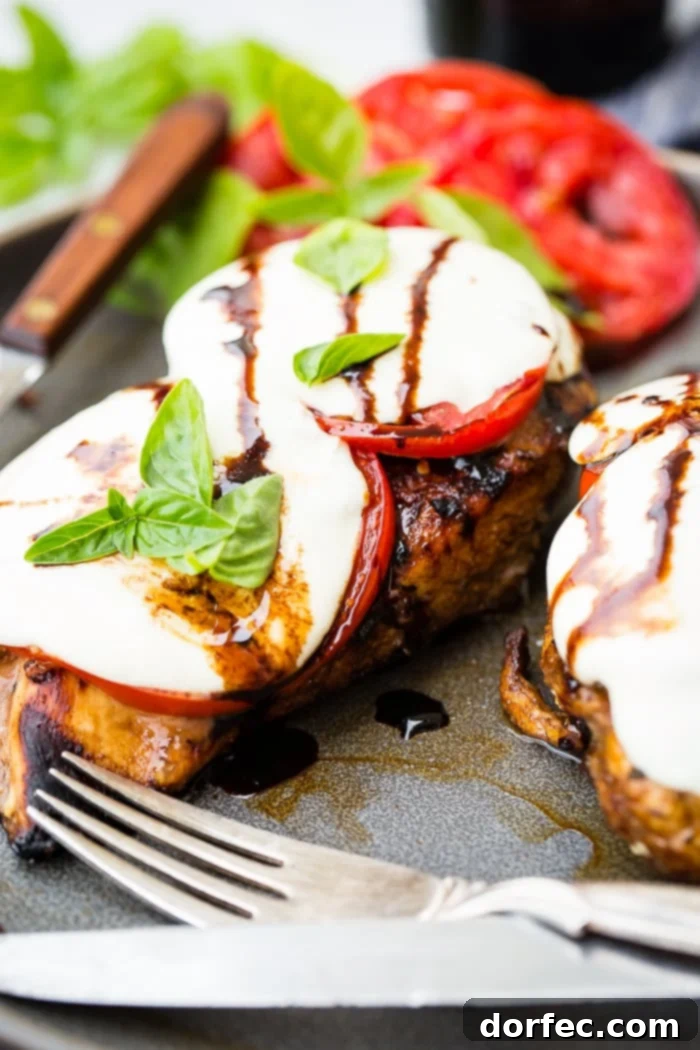
Imagine succulent chicken breasts, lovingly marinated to infuse every bite with depth, then topped with slices of ripe, juicy red tomatoes that burst with garden-freshness. Next comes the luscious embrace of melted mozzarella, forming a gooey, irresistible blanket. After a brief bake to perfection, a decadent drizzle of homemade balsamic reduction elevates the dish, while a sprinkle of freshly picked basil leaves adds a bright, aromatic finish. The combination is pure magic – a harmonious blend of sweet, tangy, savory, and herbaceous notes that will awaken your taste buds.
The best part? This gourmet-sounding meal isn’t a weekend project. You can bring this delightful Balsamic Caprese Chicken to your dinner table in well under an hour, making it perfect for busy weeknights or when you want to impress without the stress.
Crafting the Perfect Balsamic Chicken Marinade
The secret to incredibly flavorful and tender chicken lies in a well-crafted marinade. Our balsamic chicken marinade is the culmination of years of experimentation, honed to perfection with just a few pantry staples. It’s incredibly simple yet powerfully effective, ensuring your chicken breasts are infused with a rich, tangy, and aromatic essence before they even hit the pan or oven.
The foundation of this superb marinade includes high-quality olive oil, robust balsamic vinegar, fragrant minced garlic, a touch of dried basil for herbal notes, and a pinch of sugar to balance the acidity and aid in caramelization. Seasoned with salt and a dash of black pepper, this blend is designed to penetrate the chicken, making it juicy and flavorful. Chances are, you already have all these essential ingredients on hand, making this recipe not just delicious but also incredibly convenient.
Understanding the Art of Marinade Making
A truly fantastic marinade follows a simple yet effective formula, typically combining an acidic ingredient with a fatty one, along with various seasonings and herbs. The acid, such as lemon juice or vinegar (like our star balsamic vinegar), works to tenderize the meat and carry flavors deep into its surface. The fat, usually olive oil or vegetable oil, helps to evenly distribute the flavors and prevent the meat from drying out during cooking, ensuring a succulent result.
Beyond this core combination, you can introduce other tenderizing agents like yogurt, milk, buttermilk, honey, or even fruit juices such as pineapple juice. These can be used in place of or in conjunction with the primary acid, adding unique dimensions of flavor and texture. Once your meat is coated in this flavorful mixture, it’s sealed and refrigerated, allowing time for the magic to happen.
Our Favorite Chicken Marinade Recipes
While our Balsamic Chicken Marinade is a definite winner, we’re always exploring new flavor profiles to keep things exciting. Here are a few other beloved chicken marinades from our kitchen that you’re sure to enjoy:
- Asian Ginger Marinade for Grilled Chicken: A zesty and aromatic blend perfect for grilling.
- Grilled Hawaiian Chicken: Sweet and savory with tropical notes, ideal for a taste of the islands.
- Quick Grilled Chicken with Oregano: Simple, classic, and bursting with Mediterranean flavor.
- Honey Lemon Basil Chicken: A bright and herbaceous marinade that’s both sweet and tangy.
- Tuscan Grilled Chicken Kabobs: Italian-inspired flavors perfect for skewers.
- Sweet and Saucy Grilled Chicken Thighs: For those who love a richer, more indulgent chicken experience.
Mastering Chicken Marination: Timing is Everything
One of the most common questions we encounter when sharing marinade recipes is about timing: “When should I marinate chicken, and for how long?” It’s a crucial aspect that can significantly impact the final texture and flavor of your dish. While there’s no single perfect answer for all meats, here are the guidelines specifically for marinating chicken to achieve optimal results.
How Long to Marinate Chicken for Best Flavor?
For most chicken cuts, especially chicken breasts, a minimum of two hours is generally sufficient for the surface of the meat to absorb the marinade’s flavors. However, we’ve found that pushing it closer to 4 hours yields an even more deeply flavored and tender breast. This extended time allows the acidic components to work their magic, breaking down some of the muscle fibers and enabling the aromatics to really seep in.
Food Safety: How Long Can Raw Chicken Marinate in the Refrigerator?
Life happens, and sometimes dinner plans change. If you’ve got chicken marinating and need to postpone cooking, it’s important to know the safe limits. According to the USDA, you can safely keep raw, marinated chicken in the refrigerator for up to 2 days. Any longer than that, and you risk food safety issues and a decline in meat quality. So, if your plans get canceled, you have a solid window to reschedule without wasting your perfectly marinated chicken.
The Pitfall of Over-Marinating: How Long Is Too Long?
While marinating is beneficial, there’s a point of diminishing returns, and even a risk of ruining your meat. Generally, anything over 24 hours can be considered over-marinating. In fact, it’s almost always over 24 hours for chicken. Here’s a bold truth that might surprise you: you do NOT marinate meat to allow the flavors to soak all the way through to the center. Marinades, especially with thicker cuts like chicken breasts, primarily affect the outer layers. Their main purpose is to tenderize the surface and infuse it with flavor that caramelizes beautifully when cooked, enhancing the overall taste and crust.
However, if meat marinates for too long, particularly in an acidic mixture, the proteins can start to break down excessively, resulting in a mushy or stringy texture. Have you ever grilled chicken that felt strangely soft or fell apart too easily? That’s often a sign of over-marination. To avoid this, stick to the recommended 1-4 hour window. Overnight marinating (8-12 hours) is acceptable if absolutely necessary, but prolonged exposure beyond that can negatively impact the texture.
The Magic of Balsamic Reduction (or Glaze!)
A balsamic reduction is the crowning jewel of our Balsamic Caprese Chicken, transforming a simple ingredient into a sophisticated, syrupy condiment that delivers a concentrated burst of sweet and tangy flavor. Often referred to as balsamic glaze, this rich sauce adds a gourmet touch to countless dishes, not just this chicken recipe.
What Exactly is a Balsamic Reduction?
Simply put, a balsamic reduction is balsamic vinegar that has been simmered gently until it thickens into a syrup-like consistency. The simmering process evaporates much of the water content, intensifying the vinegar’s natural sweetness and tang. You can enhance this process and achieve an even smoother, sweeter glaze by adding a touch of sugar during the reduction, as we do in this recipe.
How Long Does it Take to Cook Balsamic Reduction?
The time required to achieve a perfect balsamic reduction typically ranges from 10 to 15 minutes after the vinegar first comes to a boil. To expedite the process, we recommend using a wider pan, such as a high-lipped skillet, rather than a tall pot. A wider surface area allows for faster evaporation. It’s crucial to keep a close eye on the liquid, especially towards the end of the cooking time, as balsamic vinegar can quickly transition from a thick syrup to a burnt, bitter mess. You’ll know it’s ready when it coats the back of a spoon and has a noticeable syrupy texture.
Storing Your Homemade Balsamic Reduction
Once cooled, transfer your balsamic reduction (or glaze) to a sealed container. While balsamic vinegar itself is shelf-stable, storing the reduction in the refrigerator is recommended to maintain its optimal consistency and freshness. This also helps prevent any potential spoilage from the added sugar, if used.
How Long Does Balsamic Reduction Keep?
Here’s some great news for meal preppers: balsamic reduction has an incredibly long shelf life! Due to its high acidity and sugar content, it essentially does not expire in the traditional sense. While it might slowly lose some of its vibrant flavor over a very extended period, it will remain perfectly safe to consume for many months, even a year or more, when stored properly in the refrigerator. This makes it an excellent condiment to prepare in advance and have on hand for various culinary uses.
Troubleshooting: Why Won’t My Balsamic Reduction Thicken?
Every once in a while, you might find your balsamic vinegar stubbornly refusing to thicken into a glaze. If your balsamic reduction remains thin and liquidy, here are a few common reasons:
- Quality of Vinegar: Lower quality balsamic vinegars sometimes have a higher water content or fewer natural sugars, making them harder to reduce effectively. Investing in a decent quality balsamic can make a difference.
- Under-Simmering: The most common culprit! You simply haven’t simmered it long enough. The liquid needs sufficient time to evaporate.
- Pot Size: Using a pot that is too large or too deep for the amount of vinegar can slow down the reduction process. A wider, shallower pan (like a skillet with high lips) provides more surface area for evaporation, speeding up thickening.
- Patience and Cooling: This is crucial – balsamic glaze thickens considerably as it cools. Don’t expect it to be thick like syrup straight off the stove. If your kitchen is warm, you can even place it in the fridge to help it reach the desired consistency. Give it ample time to cool completely before determining if it needs further reduction.
By understanding these factors, you can ensure a perfectly glossy, rich balsamic reduction every time.
More Marinated Chicken Dishes You’re Sure to Love:
If you’re a fan of flavorful, marinated chicken, then these recipes are definitely worth adding to your repertoire. From grilling to smoking, there’s a marinated chicken dish for every occasion and cooking method:
- Asian Ginger Marinated for Grilled Chicken
- Greek Marinade Chicken Souvlaki
- Marinated Grilled Chicken Breasts
- Mexican Grilled Chicken with Mango Salsa
- Marinated Smoked Chicken Thighs
- Huli Huli Grilled Chicken
- Honey Lemon Basil Grilled Chicken
- Grilled Hawaiian Chicken
- Chicken Fajitas
- Grilled Chicken with Oregano
- For even more inspiration, check out all our grilled recipes here!
Balsamic Caprese Chicken
By Sweet Basil

Escape the shredded chicken routine with this elegant Balsamic Caprese Chicken, marinated to perfection and topped with fresh tomatoes, gooey mozzarella, and a sweet balsamic glaze.
Ingredients
Main Ingredients
- 4 Chicken Breasts, boneless, skinless
- 2 Tomatoes, sliced
- Fresh Mozzarella, sliced (quantity as desired)
- Fresh Basil Leaves (for garnish)
Marinade
- 1/4 Cup Olive Oil
- 1/3 Cup Balsamic Vinegar
- 2 Cloves Garlic, minced
- 2 teaspoons Dried Basil
- 1/2 teaspoon Sugar
- 3/4 teaspoon Salt
- Dash of Black Pepper
Balsamic Reduction
- 1/2 Cup Balsamic Vinegar
- 1/2 teaspoon Sugar
Instructions
- In a ziploc bag, combine the olive oil, balsamic vinegar, minced garlic, dried basil, sugar, salt, and black pepper for the marinade.
- Add the chicken breasts to the bag, press out any excess air, and seal. Place in the refrigerator to marinate for at least 1 hour.
- Meanwhile, prepare the balsamic reduction. In a high-lipped skillet, combine 1/2 cup balsamic vinegar and 1/2 teaspoon sugar over medium-high heat. Bring to a boil, then reduce heat to a simmer.
- Simmer for 10-15 minutes, or until the liquid has thickened to a syrupy consistency and coats the back of a spoon. Remove from heat and allow to cool; it will thicken further as it cools.
- Remove the marinated chicken from the refrigerator. Preheat your grill to medium-high heat, or preheat your oven to 350°F (175°C).
- For grilling: Place the chicken on the preheated grill and reduce heat to medium. Cook for 6-7 minutes per side, or until cooked through (internal temperature of 165°F/74°C).
- For oven method: Place the chicken in an oven-safe pan and bake for approximately 30 minutes, or until cooked through (internal temperature of 165°F/74°C).
- Once the chicken is cooked, remove it from the heat. Top each chicken breast with two slices of fresh tomato and a generous slice of fresh mozzarella cheese.
- Place the chicken under a broiler for a few minutes until the mozzarella is beautifully melted and bubbly. Watch carefully to prevent burning.
- Transfer the chicken to serving plates. Drizzle generously with the prepared balsamic reduction and sprinkle with fresh basil leaves. Add an extra crack of black pepper if desired.
Recipe Notes
Leftovers should be stored in an airtight container in the refrigerator and consumed within 2-3 days.
Nutrition
Nutrition information is automatically calculated, so should only be used as an approximation. Per Serving: Calories: 441kcal, Carbohydrates: 13g, Protein: 49g, Fat: 19g, Saturated Fat: 3g, Cholesterol: 145mg, Sodium: 714mg, Potassium: 1041mg, Fiber: 1g, Sugar: 11g, Vitamin A: 580IU, Vitamin C: 12mg, Calcium: 35mg, Iron: 1mg
We hope this Balsamic Caprese Chicken recipe brings a burst of fresh flavor and elegant simplicity to your dinner table. Its delightful combination of tangy, savory, and sweet notes, coupled with the satisfying texture of perfectly cooked chicken and gooey cheese, is a true crowd-pleaser.
REMEMBER TO SUBSCRIBE TO our FREE Oh Sweet Basil NEWSLETTER AND RECEIVE EASY RECIPES DELIVERED INTO YOUR INBOX EVERY DAY!
When you try a recipe, please use the hashtag #ohsweetbasil on INSTAGRAM for a chance to be featured in our stories! FOLLOW OH, SWEET BASIL ON FACEBOOK | INSTAGRAM | PINTEREST | TWITTER FOR ALL OF OUR LATEST CONTENT, RECIPES AND STORIES.