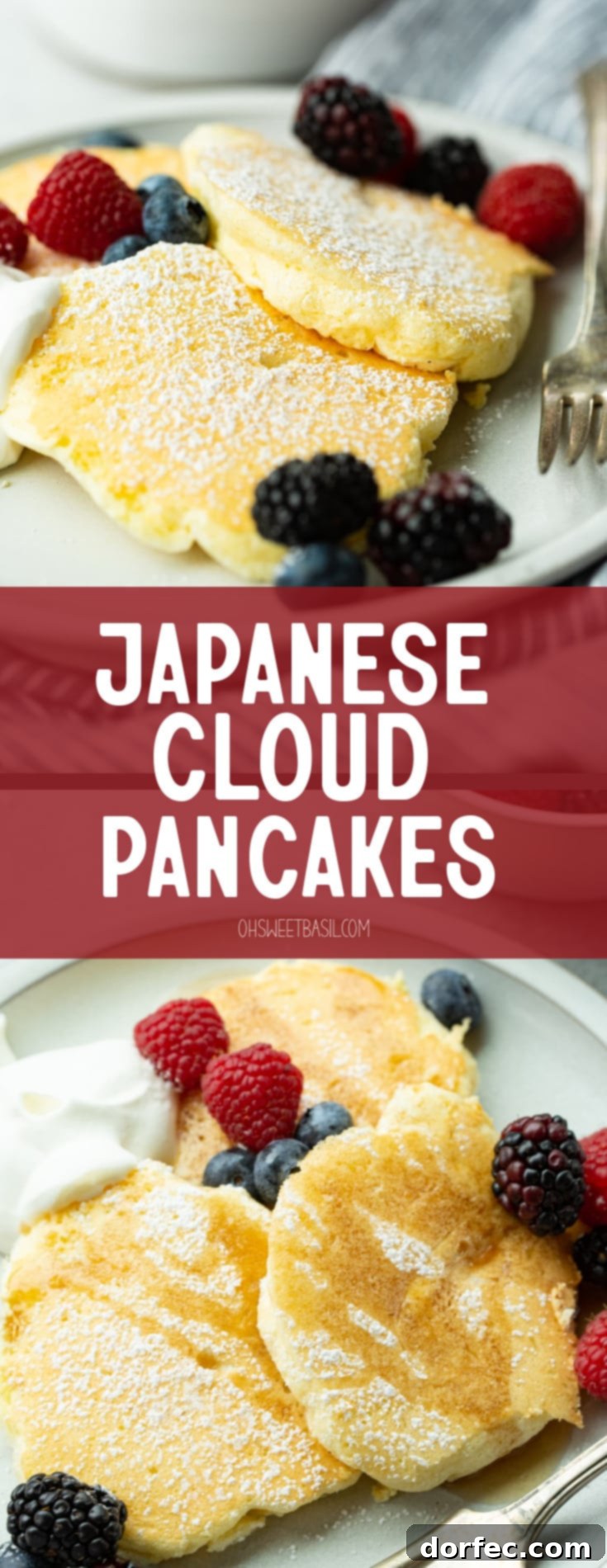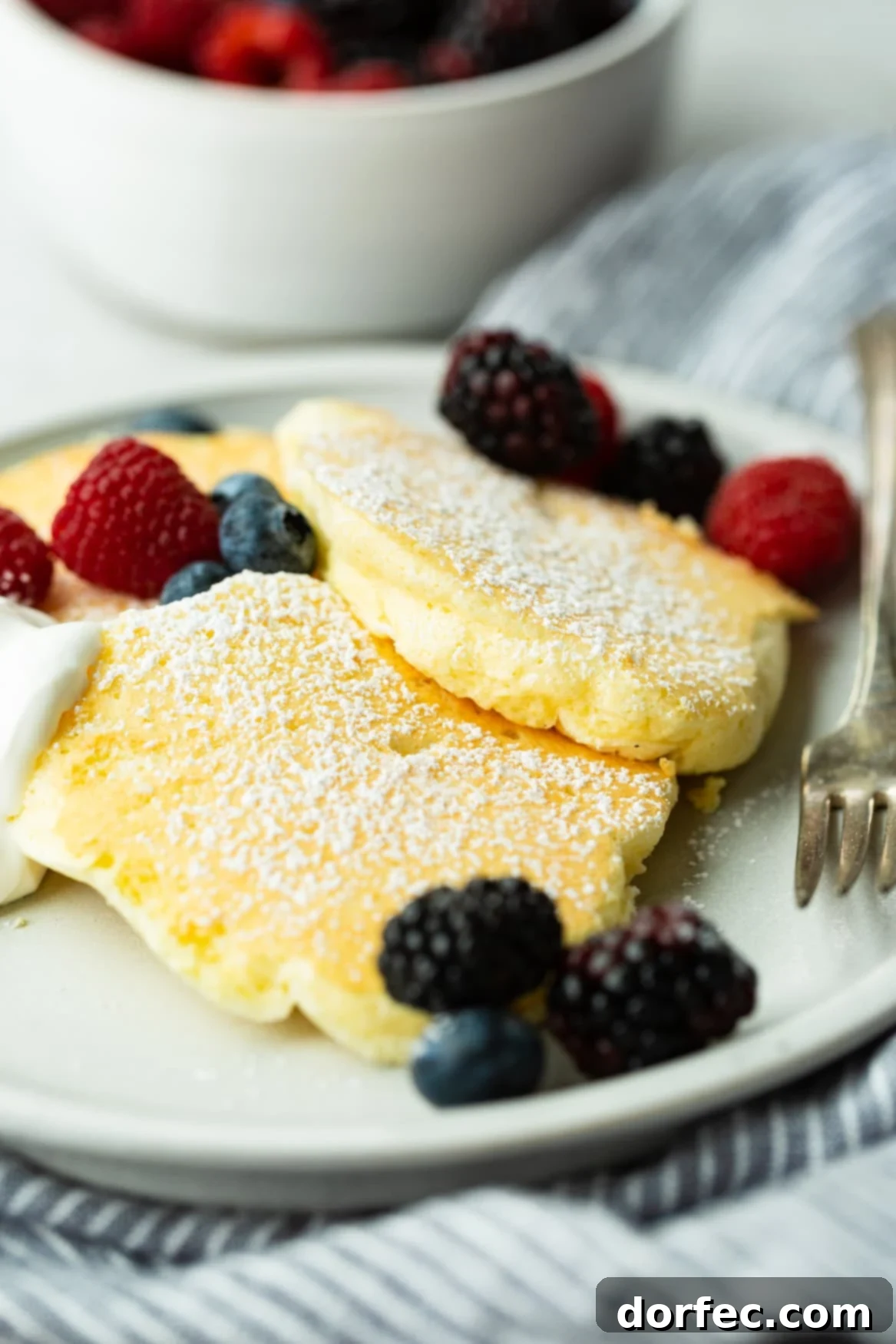
The culinary world is absolutely captivated by these extraordinary **Japanese pancakes**! Known for their incredible lightness, ethereal airiness, and melt-in-your-mouth texture, these aren’t just any pancakes – they are a delightful journey for your taste buds. Often called **Japanese cloud pancakes** or **soufflé pancakes**, they have rapidly become a cherished staple in homes across the globe. Prepare to elevate your breakfast game and embark on a delicious adventure with this unique recipe, transforming simple egg whites into a cloud-like culinary masterpiece.
Crafting these fluffy and decadent **Japanese soufflé pancakes** demands a touch more finesse and attention compared to traditional American buttermilk pancakes, but the outcome is unequivocally worth every bit of effort. The reward is a stack of pancakes so impossibly light, they feel like eating sweetened air. Trust us, once you experience their unparalleled texture, there’s no turning back!
What Exactly Are Japanese Cloud Pancakes?
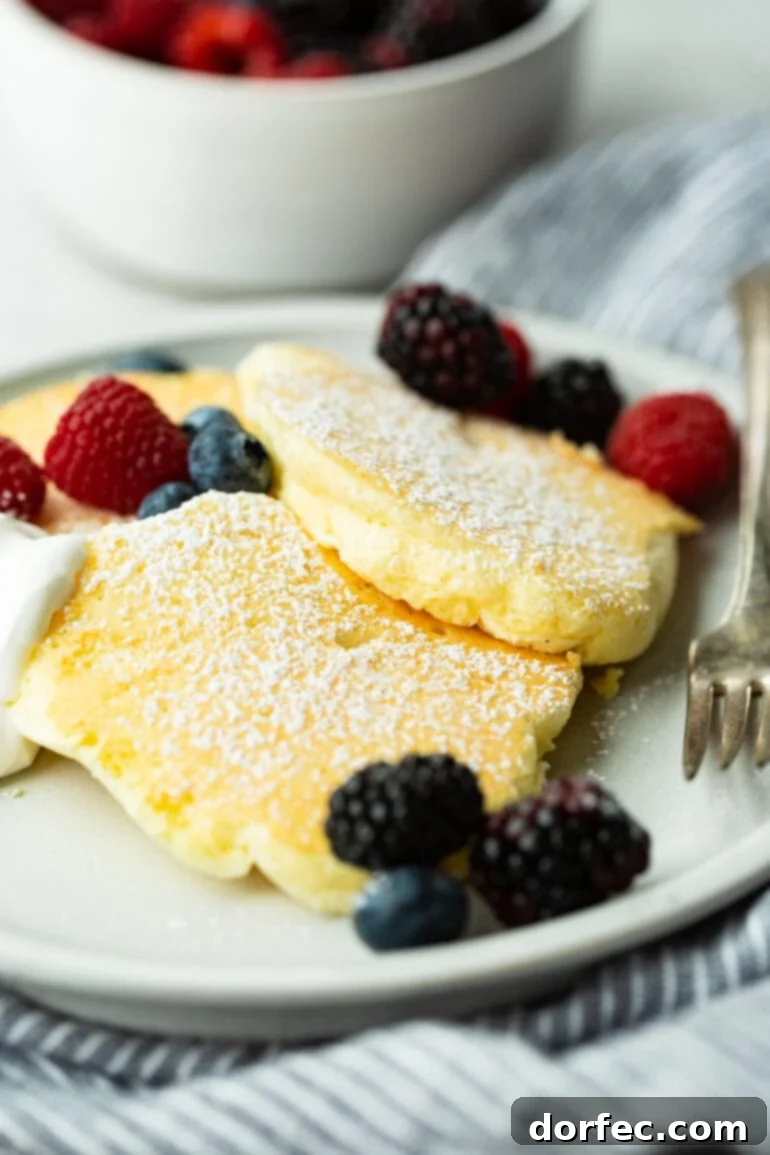
At their heart, **Japanese cloud pancakes** are a marvel of culinary engineering. Also widely known as **soufflé pancakes**, these delicate, cottony treats achieve their signature height and incredibly tender crumb through a clever technique: whipped egg whites are carefully folded into a rich pancake batter. This meringue-like addition acts as a powerful leavening agent, causing the pancakes to puff up dramatically during cooking, much like a classic soufflé. The result is a pancake that boasts an unparalleled airy texture, a delicate sweetness, and a delightful wobble that makes them as enchanting to look at as they are to eat.
The Great Pancake Mold Debate: To Use or Not to Use?
For many, the image of authentic **Japanese pancakes** conjures visions of perfectly round, uniformly tall stacks, often achieved using specialized ring molds. While these molds undoubtedly help achieve that picture-perfect aesthetic, we understand that not everyone has the time, inclination, or kitchen space to invest in additional gadgets, let alone the extra steps of spraying, filling, and meticulously cleaning them. The pursuit of perfect fluffy pancakes shouldn’t be overly complicated or inaccessible for the home cook.
That’s why we’ve developed a simple yet highly effective alternative that bypasses the need for molds entirely, proving you can achieve stunning results with minimal fuss. The secret lies in utilizing a high-quality, nonstick pan equipped with a securely fitting lid. This setup creates a steaming environment crucial for the pancakes’ impressive rise. Instead of molds, you’ll build your pancakes in layers directly in the pan, allowing each layer to gently cook before adding more batter on top. While it might seem unconventional, this method streamlines the process and yields consistently fluffy, tall pancakes. Should you still wish to explore molds for that ultimate aesthetic precision, excellent options are readily available, such as those found here. However, we’ll guide you through our simpler, mold-free approach in detail below, ensuring your **Japanese cloud pancake** dreams come true with ease.
Essential Ingredients for Heavenly Japanese Pancakes
Despite their exotic name and luxurious texture, **Japanese soufflé pancakes** don’t require any rare or hard-to-find ingredients. In fact, you likely have most of what you need in your pantry right now! Everything else can be easily sourced from your local grocery store. The magic truly happens when these simple components come together with careful technique. Here’s a detailed look at the ingredients and their vital roles:
- Egg Yolk: This forms the rich base of our pancake batter. Egg yolks contribute essential fat and protein, adding structure, flavor, and a beautiful golden hue to the pancakes. They help create a tender crumb that complements the airiness of the egg whites.
- Sugar: Beyond just sweetness, sugar in the yolk mixture helps tenderize the batter and contributes to a lovely browning during cooking. It’s a key flavor enhancer, balancing the richness of the other ingredients.
- Whole Milk: This ingredient is absolutely non-negotiable! The higher fat content in whole milk is crucial for the soufflé-like texture. The fat contributes to a richer, more moist batter, and helps to stabilize the structure, preventing the pancakes from deflating too rapidly. Skim or low-fat milk simply won’t yield the same delicate, fluffy results.
- Cake Flour: Unlike all-purpose flour, cake flour has a lower protein content and a finer texture. This is pivotal for creating **Japanese pancakes** that are exceptionally light and airy, rather than dense or chewy. It helps achieve that signature cottony softness that makes these pancakes so unique.
- Baking Powder: This is our primary chemical leavening agent. When combined with the moisture and heat, baking powder produces carbon dioxide bubbles, contributing to the initial rise and overall fluffiness of the pancakes, working in tandem with the whipped egg whites.
- Vanilla Extract: A dash of good quality vanilla extract adds a warm, aromatic sweetness that elevates the overall flavor profile of the pancakes, making them even more irresistible.
For the Meringue (Egg Whites)
- Egg Whites: The true stars of the show! Whipped egg whites create the stable foam that gives **Japanese cloud pancakes** their incredible volume and ethereal lightness. They trap air, which expands upon heating, causing the pancakes to puff up dramatically.
- Cream of Tartar: This acidic ingredient is a secret weapon for perfect meringues. It helps stabilize the egg whites, allowing them to whip up faster, achieve greater volume, and hold their stiff peaks for longer without deflating. This stability is crucial for the pancakes’ soufflé-like structure.
- Sugar: Added gradually to the whipping egg whites, sugar not only sweetens the meringue but also helps to make it glossy and stable. It binds with the egg white proteins, preventing them from collapsing and ensuring a sturdy, fluffy meringue that holds its shape.
- Water: Used strategically in the pan, a small amount of water creates steam during cooking. This steam helps the pancakes to rise even further and ensures they cook through gently without browning too quickly, contributing to their delicate, moist interior.
Precise measurements for each of these ingredients are thoughtfully detailed in the comprehensive recipe card located at the conclusion of this article, ensuring you have everything you need to create these culinary delights.
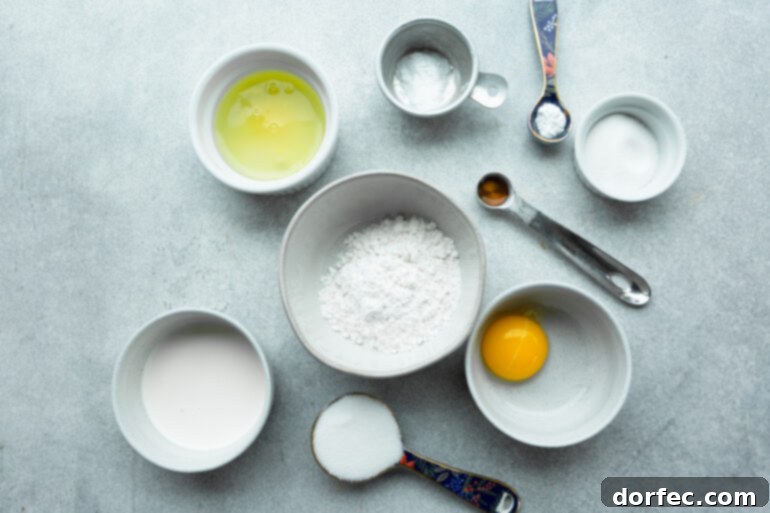
Crafting Your Fluffy Japanese Cloud Pancakes: A Step-by-Step Guide
Here’s your comprehensive, step-by-step guide to creating exquisite **Japanese cloud pancakes** right in your own kitchen, without the need for special molds. Follow these instructions carefully for the best, most ethereal results:
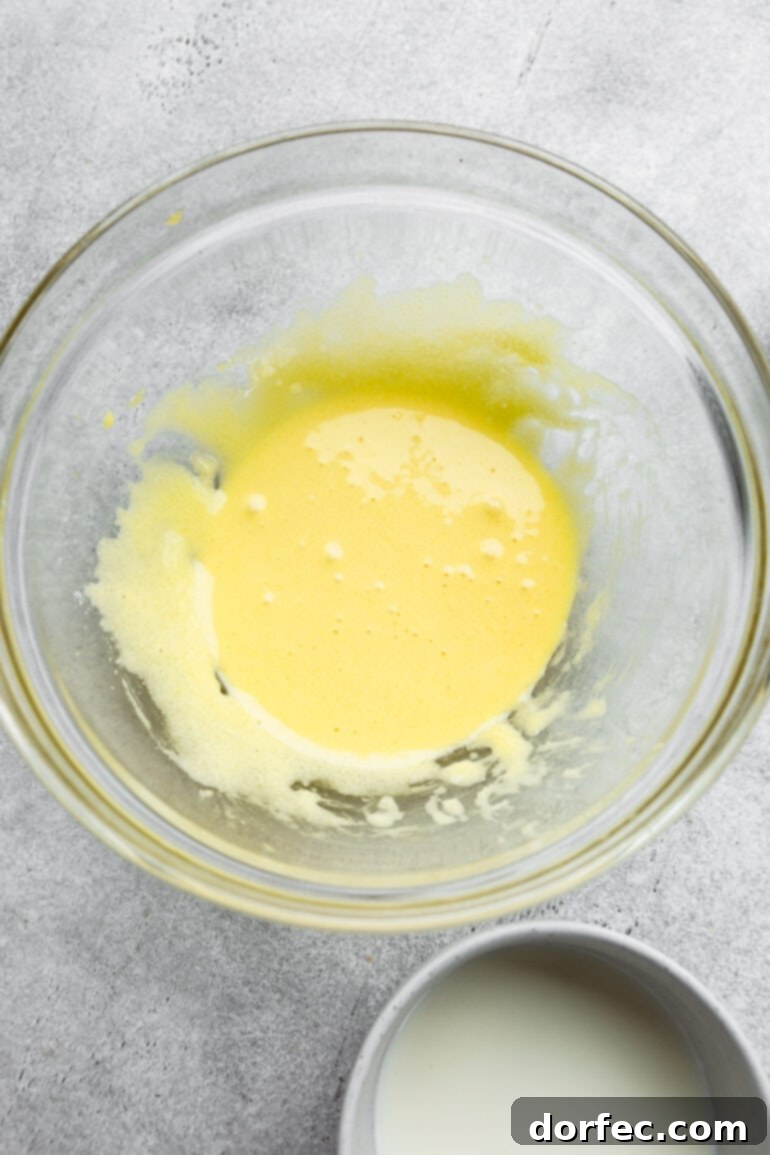
- Prepare the Yolk Batter: In a large mixing bowl, vigorously whisk the egg yolk with 1 tablespoon of sugar until the mixture becomes notably pale in color and slightly frothy. This aeration is key. Then, slowly drizzle in the whole milk while continuously whisking to ensure a smooth, homogeneous base for your pancakes.
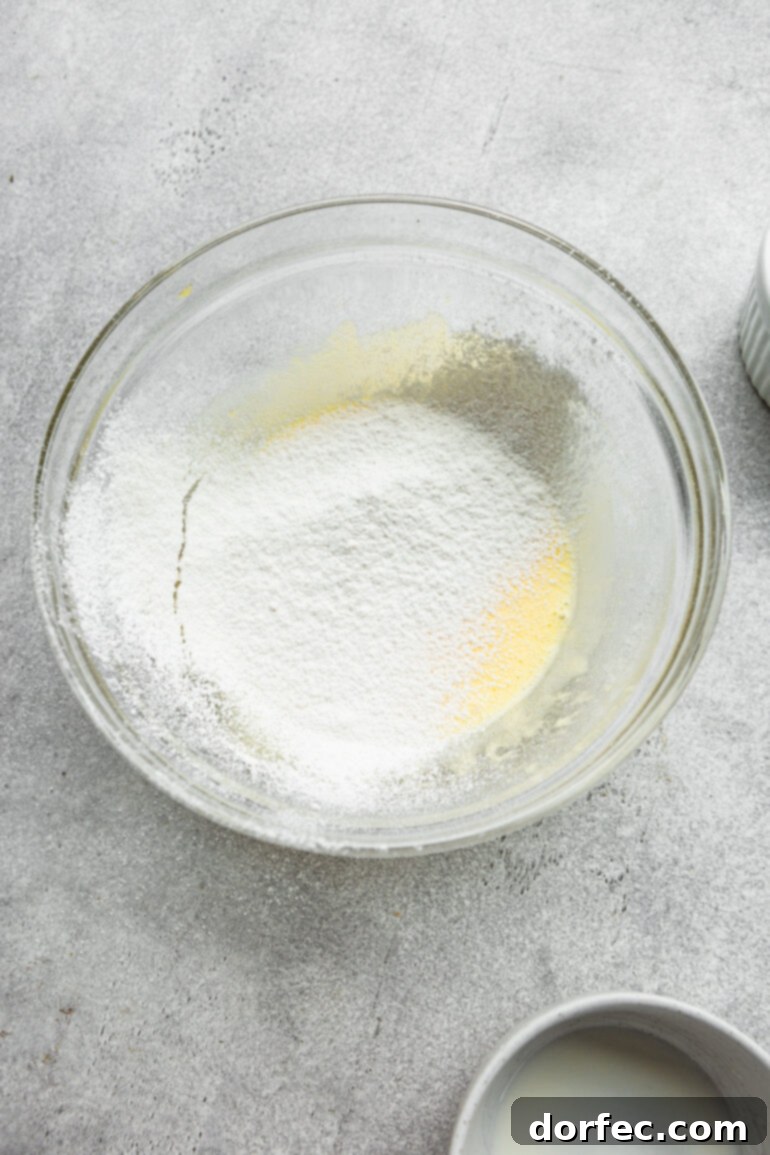
- Incorporate Dry Ingredients: Carefully sift the cake flour over the top of your egg yolk mixture. Sifting prevents lumps and helps maintain the light texture. Add the baking powder and vanilla extract. Gently whisk all these ingredients together until just combined. Be careful not to overmix; a few small lumps are acceptable and often indicate a tender batter.
- Whip the Egg Whites into a Stiff Meringue: In a separate, impeccably clean bowl (free from any grease), combine the egg whites and cream of tartar. Using an electric stand mixer or a powerful hand mixer, whip the mixture until it becomes pale and frothy. Gradually add the remaining sugar, a little at a time, continuing to whip until the egg whites transform into a thick, glossy meringue that holds very stiff peaks. When you lift the whisk, the meringue should stand firm without drooping. This stable meringue is the backbone of your fluffy pancakes!
- Gently Combine Batters (The Crucial Step!): This stage requires a delicate touch. Begin by taking one generous scoop of your whipped egg whites and whisking it into the egg yolk mixture until fully incorporated. This lightens the yolk batter, making it easier to fold in the rest of the meringue without deflating it. Next, add half of the remaining whipped egg whites to the yolk batter. Using a wide whisk or a rubber spatula, gently fold the whites into the yolk mixture. The goal is to combine without sacrificing the precious air you’ve incorporated into the egg whites.
- Final Fold for Ultimate Fluffiness: Finally, gently fold in the last portion of the whipped egg whites using a rubber spatula. Use a “cut and fold” motion: cut down through the center of the mixture, sweep the spatula across the bottom of the bowl, and fold it over the top. Rotate the bowl and repeat until the mixture is just combined and no streaks of egg white remain. Overmixing here will deflate the meringue and result in flat pancakes.
- Preheat Your Pan: Heat a large, high-quality nonstick pan (with a lid that fits securely) over *very low* heat. Maintaining a low, consistent temperature is paramount for **soufflé pancakes**. A temperature that feels “medium-low” for traditional pancakes will likely be too hot here and cause excessive browning before the interior cooks through. Lightly brush the pan with melted butter or a nonstick spray.
- Cook the First Layer: Drop scoops of the prepared batter onto the pan, ensuring they are spaced far enough apart so they have ample room to expand and don’t touch. Immediately cover the pan with the lid and allow the pancakes to cook undisturbed for 4-5 minutes. The lid traps steam, aiding in the rise and even cooking.
- Build and Steam Again: Remove the lid. Carefully add another small scoop of batter on top of each pancake. In the empty spaces of the pan, add small drops (about 1 tablespoon total, divided) of water. Quickly cover with the lid again and continue cooking for another 4-5 minutes. This layered approach helps achieve maximum height and ensures a light, cooked interior.
- Flip and Finish: Lift the lid once more. Using a thin, wide spatula, gently lift each pancake. They should release easily. Add one final small scoop of batter to the very top of each pancake, then slowly and very gently flip them over onto the other side in the pan. Repeat with all pancakes. Replace the lid and let them cook for an additional 5-6 minutes, or until deeply golden brown on both sides and cooked completely through.
- Serve Immediately: Once cooked, carefully remove the **Japanese pancakes** from the pan. Serve them immediately with your preferred toppings (see suggestions below). It is crucial to remember that these delicate pancakes will begin to deflate as they cool, so they are truly best enjoyed moments after they come off the pan!
These detailed instructions, along with precise ingredient quantities, are also conveniently presented in a printable and savable format within the recipe card found at the very end of this post, making your cooking experience as seamless as possible.
Now, Master the Art of Japanese Cloud Pancakes!
While the written instructions provide a solid foundation, sometimes seeing the process in action makes all the difference. Visualizing the whisking technique for the meringue, the gentle folding of the batters, and the layered cooking in the pan can significantly boost your confidence. Many find that a visual demonstration clarifies the nuances of these delicate pancakes. We encourage you to seek out companion videos that show these techniques firsthand, as watching a seasoned cook bring these fluffy wonders to life can be incredibly helpful in achieving perfect **Japanese cloud pancakes** at home. Pay close attention to the consistency of the egg whites and the gentle mixing methods—these are critical for success.
Troubleshooting: Why Are My Japanese Pancakes Flat?
Achieving that signature tall, airy puff of a **Japanese soufflé pancake** can be tricky, and it’s common for initial attempts to result in flatter pancakes. If your pancakes aren’t rising as expected, here are the primary reasons and how to fix them:
- Insufficiently Whipped Egg Whites (Meringue): This is the most common culprit. The egg whites are the engine of the soufflé. If they aren’t whipped to a *stiff peak*, they won’t have enough structural integrity to hold air and provide the necessary lift. When you lift the whisk, the peak should stand straight up, not droop or collapse. Ensure your bowl and whisk are completely grease-free, as even a tiny speck of fat can prevent egg whites from whipping properly.
- Overmixing the Batter: After you’ve worked so hard to whip air into those egg whites, it’s crucial not to deflate them when combining with the yolk batter. Overmixing, or mixing too vigorously, will pop the tiny air bubbles in the meringue, leading to a loss of volume. Always fold gently with a spatula, using a “cut and fold” motion, until just combined. A few small streaks of white are better than an overmixed, deflated batter.
- Pan Temperature Too High: While not directly related to initial fluffiness, too high a pan temperature will cause the outside of the pancake to set and brown too quickly, before the inside has a chance to fully rise and cook through. This can result in a dense, shorter pancake. Always cook on very low heat, as described in the instructions.
Practice makes perfect with these delicate treats, so don’t be discouraged if your first batch isn’t sky-high. Focus on the meringue and gentle folding, and you’ll soon master the art of the perfect **fluffy Japanese pancake**.
Why Did My Pancakes Puff Up and Then Deflate?
If you’ve ever experimented with making classic soufflés, you’ll be familiar with their charming, yet often fleeting, dramatic rise. The same principle applies to **Japanese soufflé pancakes**. The initial impressive puff comes from the hot air trapped within the whipped egg white structure. As these delicate pancakes cook, the air inside expands, causing them to beautifully rise and achieve that coveted fluffiness. However, as soon as they are removed from the heat and begin to cool, the hot air inside starts to contract and escape. This inevitable release of air causes the pancakes to gradually deflate. This natural phenomenon is why we emphasize enjoying these pancakes immediately after they’re cooked. While a slight deflation is normal, ensuring your meringue is stable and properly folded will help maintain their structure for as long as possible before serving. Embrace their ephemeral nature – it’s part of their charm!
Elevate Your Soufflé Pancakes: Irresistible Topping Ideas
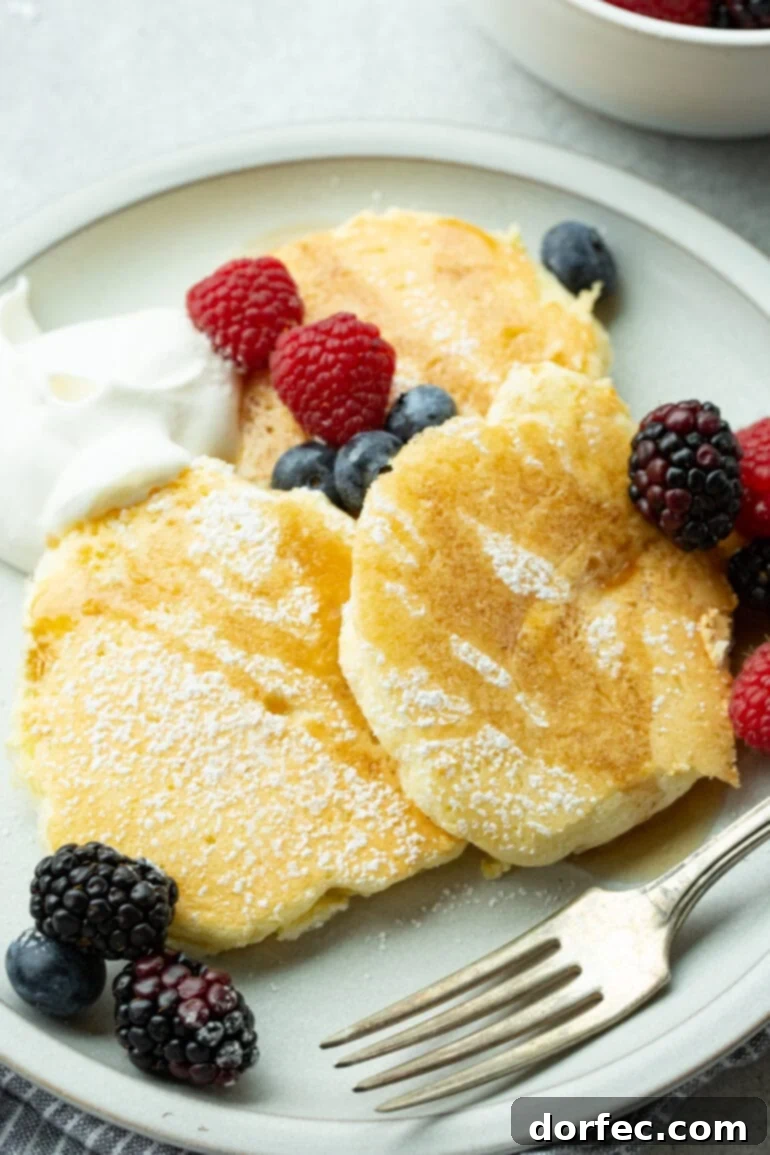
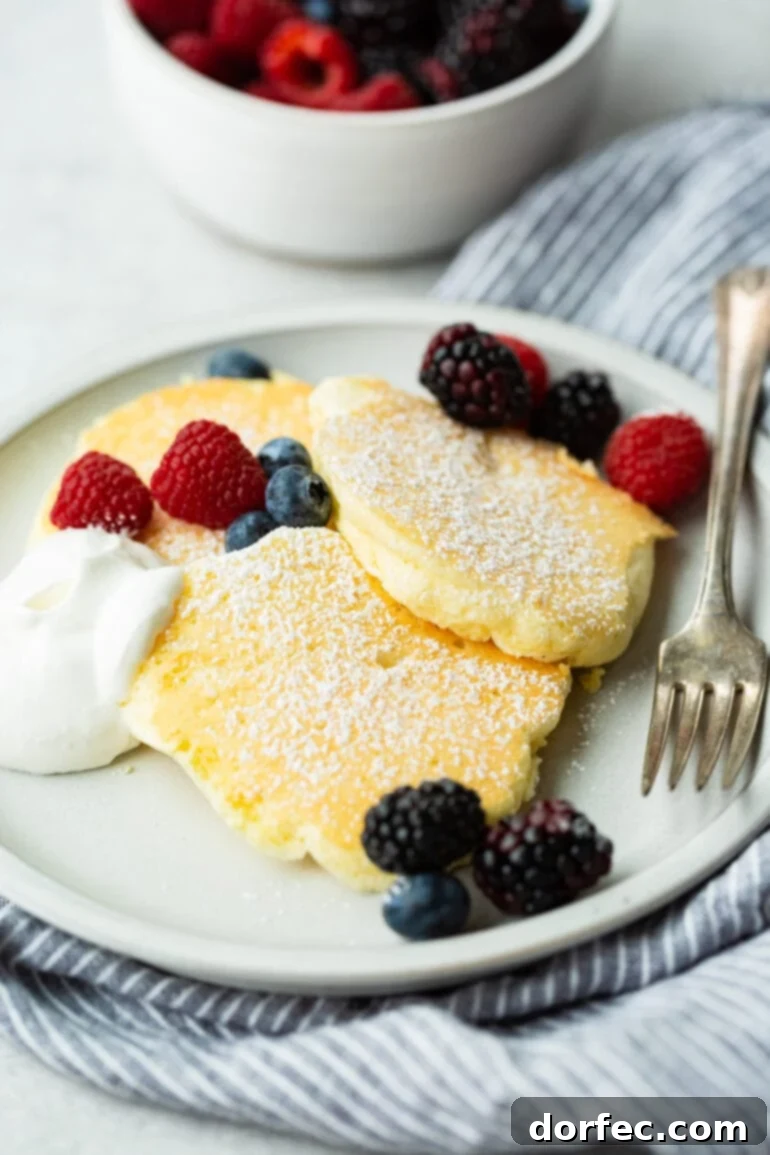
Just like their American counterparts, **Japanese cloud pancakes** offer a fantastic canvas for customization when it comes to toppings! The inherently light and subtly sweet nature of these fluffy pancakes makes them incredibly versatile. You can tailor your toppings to suit any craving, from simple and classic to rich and indulgent. For an interactive and fun breakfast experience, set out a variety of options and let each person craft their own unique pancake masterpiece! Given their ethereal, cloud-like quality, we often lean towards lighter toppings to complement their delicate texture. A dusting of powdered sugar, a handful of fresh berries, and a modest drizzle of maple syrup are our go-to choices. However, the possibilities are endless. Here are more delectable options to inspire your next **soufflé pancake** creation:
- Butter: A classic for a reason, melting into the warm, fluffy layers.
- Buttermilk Syrup: Adds a tangy sweetness that beautifully cuts through the richness.
- Whipped Cream: Enhances the cloud-like experience with its creamy lightness.
- Peanut Butter: For a comforting, nutty flavor and a boost of protein.
- Chocolate Chips: Melted onto warm pancakes for a decadent treat.
- Fruit Jam or Preserves: Adds a burst of fruity flavor and vibrant color.
- Sliced Bananas: A naturally sweet and soft addition.
- Chopped nuts (pecans, almonds, walnuts): For a delightful crunch and earthy flavor.
- Nutella: Indulgent chocolate-hazelnut spread for a rich, sweet experience.
- Fresh Fruit Compote: A warm, fruity sauce for an elegant touch.
- Lemon Curd: Bright and zesty, a perfect contrast to the pancake’s sweetness.
- Matcha Powder or Matcha Syrup: For an authentic Japanese-inspired flavor.
- Red Bean Paste (Anko): A traditional Japanese sweet topping.
And for a truly balanced breakfast, don’t forget to serve these incredible **Japanese soufflé pancakes** alongside savory sides like crispy bacon and perfectly fluffy scrambled eggs to ensure you get your protein fix!
Storing and Reheating Your Japanese Pancakes
While **Japanese cloud pancakes** are undeniably at their peak when enjoyed fresh off the pan, it is possible to store and reheat them if you have leftovers. It’s important to manage expectations, as their delicate, airy texture will inevitably change slightly upon storage and reheating. However, with the right approach, you can still enjoy a delicious treat.
For **storing**, allow the pancakes to cool completely to room temperature. Then, place them in an airtight container and refrigerate. They will maintain their quality for approximately 2-3 days. Storing them uncovered or in a non-airtight container will lead to them drying out quickly.
When it comes to **reheating**, the oven is your best friend for preserving as much of their original texture as possible. Preheat your oven to a low temperature, around 200 degrees F (95 degrees C). Arrange the pancakes in a single layer on a baking sheet. Warm them gently for about 5-10 minutes, or until they are heated through. This low, slow reheating method helps to re-soften them without making them tough or overly dry.
We do not recommend **freezing** Japanese cloud pancakes. Their unique soufflé-like structure and high moisture content do not stand up well to freezing and thawing. The texture becomes significantly altered and can be quite rubbery or watery upon defrosting, losing the very qualities that make them so special.
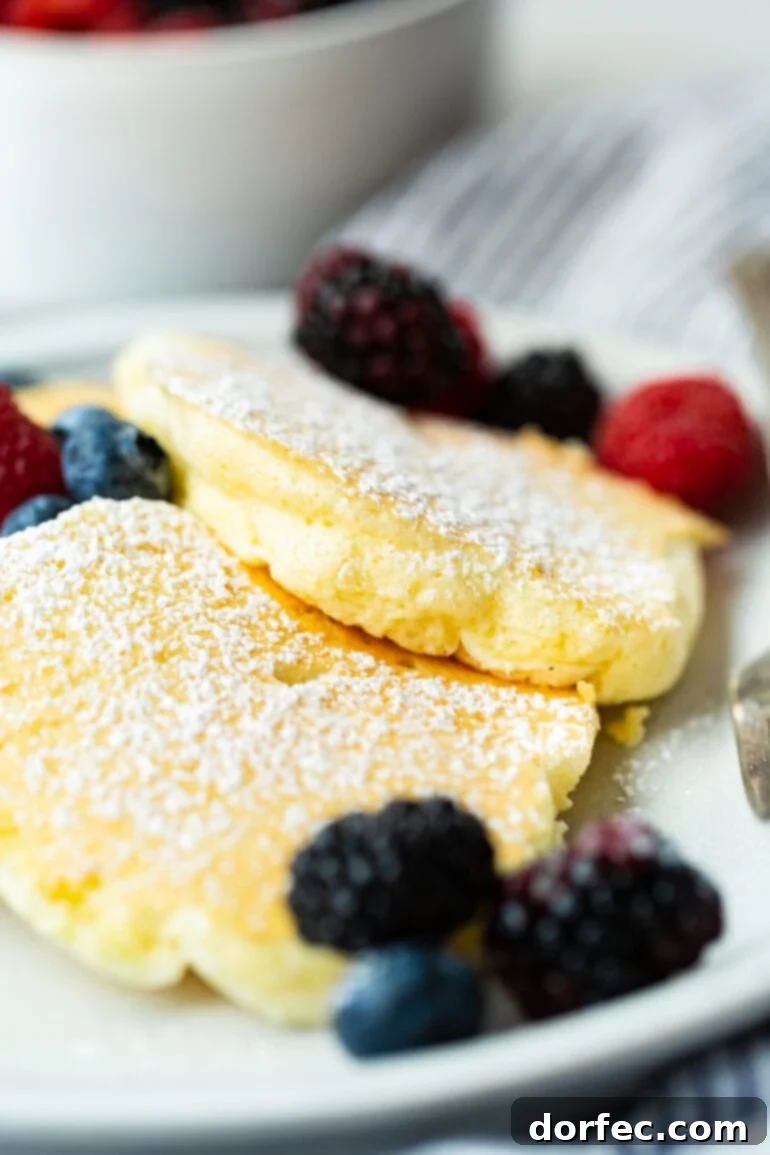
Embark on a delightful culinary journey and ensure your “pancakes around the world” adventure makes a crucial stop in Japan! These incredibly fluffy **Japanese pancakes** offer a texture that is truly unmatched by any other breakfast treat. Imagine taking a bite of a perfectly sweet, delicate cloud that quite literally melts in your mouth, leaving behind a whisper of sweetness and a desire for more. They are not just pancakes; they are an experience, a testament to the magic that simple ingredients and precise technique can create.
More Pancake Recipes to Explore:
- Classic Melt-In-Your-Mouth Buttermilk Pancakes
- Delicate Swedish Pancakes
- Fluffy Oladi Ukrainian Pancakes
- Impressive Dutch Baby (German) Pancake
- Authentic Finnish Pancakes
- Easy Homemade Buttermilk Pancake Mix from Scratch
Rating: 4 out of 5 stars based on 2 votes
Japanese Cloud Pancakes
Ingredients
- 1 Large Egg Yolk
- 1 Tablespoon Sugar
- 2 Tablespoons Whole Milk, must be whole milk
- 1/4 Cup Cake Flour
- 1/2 teaspoon Baking Powder
- 1 Dash Vanilla Extract
For the Egg Whites
- 2 Large Egg Whites
- 1/8 teaspoon Cream of Tartar
- 1 Tablespoon Sugar
- 2 Tablespoon Water, for steaming
Instructions
- Whisk the egg yolk vigorously with 1 tablespoon of sugar until pale and frothy. Slowly whisk in the milk.
- Sift in the flour so that it remains light and fluffy and add the baking powder and vanilla over the yolk mixture and whisk well one more time.
- In a bowl with an electric mixer, whip the egg whites with the cream of tartar until frothy and pale.
- Add the sugar in a little at a time until the whites are whipped into a thick meringue that holds a peak.
- Take a scoop of the whipped egg whites and whisk it into the bowl with the yolks until completely incorporated. Add half of the remaining whites and whisk using a fat whisk into the yolk batter as well, being careful not to deflate.
- Gently add the egg yolk mixture to the remaining egg whites, and switch to a spatula to fold together gently. Heat a large nonstick pan (with a lid) over low heat. A soufflé needs low gentle cooking, and we found medium low to be too hot.
- Lightly brush with melted butter or nonstick spray. Using an ice cream scoop or cookie scoop, drop the batter onto the pan. Cover and cook for about 4-5 minutes.
- Remove the lid and add some more batter on top of each pancake. Also, add 1 Tablespoon of the 2 Tablespoons water in three empty spaces inside the pan.
- Cover once again and continue to cook for 4-5 more minutes.
- Lift the lid and use a spatula to gently lift the pancake which should release easily.
- Add any batter leftover to the top of the pancakes and then gently and slowly flip. Cover and cook for 5-6 minutes.
- Once the pancakes are golden and cooked through, gently remove and serve with powdered sugar, whipped cream, and maple syrup. Enjoy immediately! These pancakes will deflate as they sit! These are best made and eaten immediately!
Nutrition
Nutrition information is automatically calculated, so should only be used as an approximation.