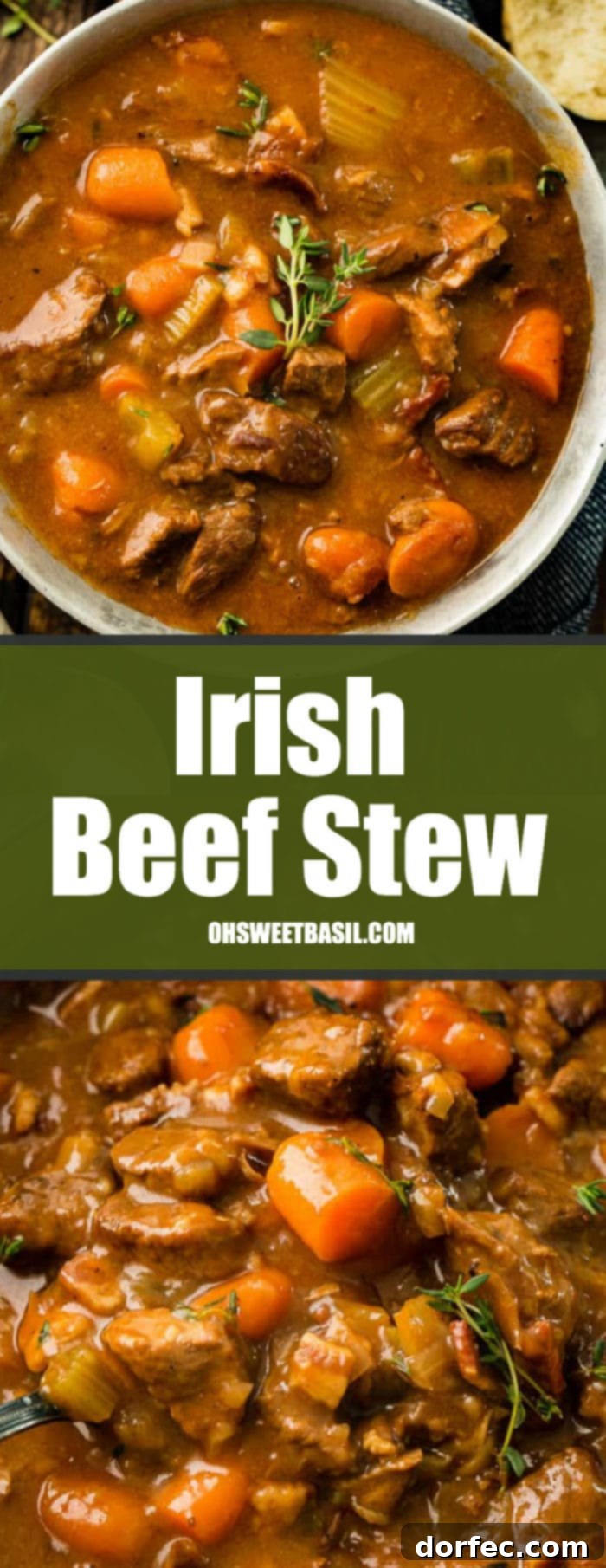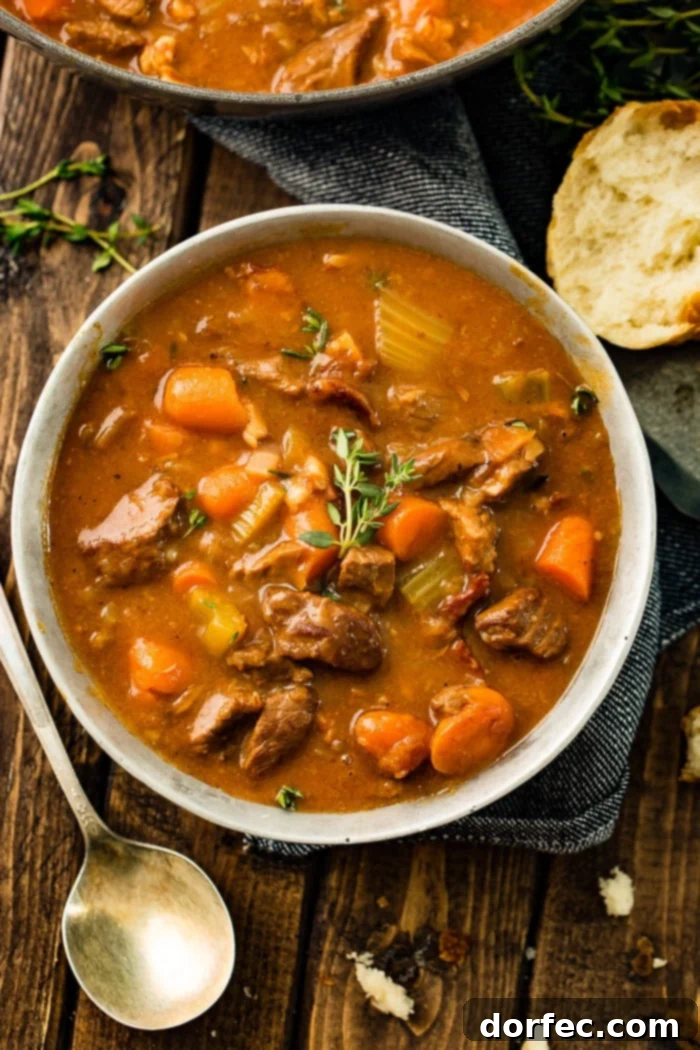
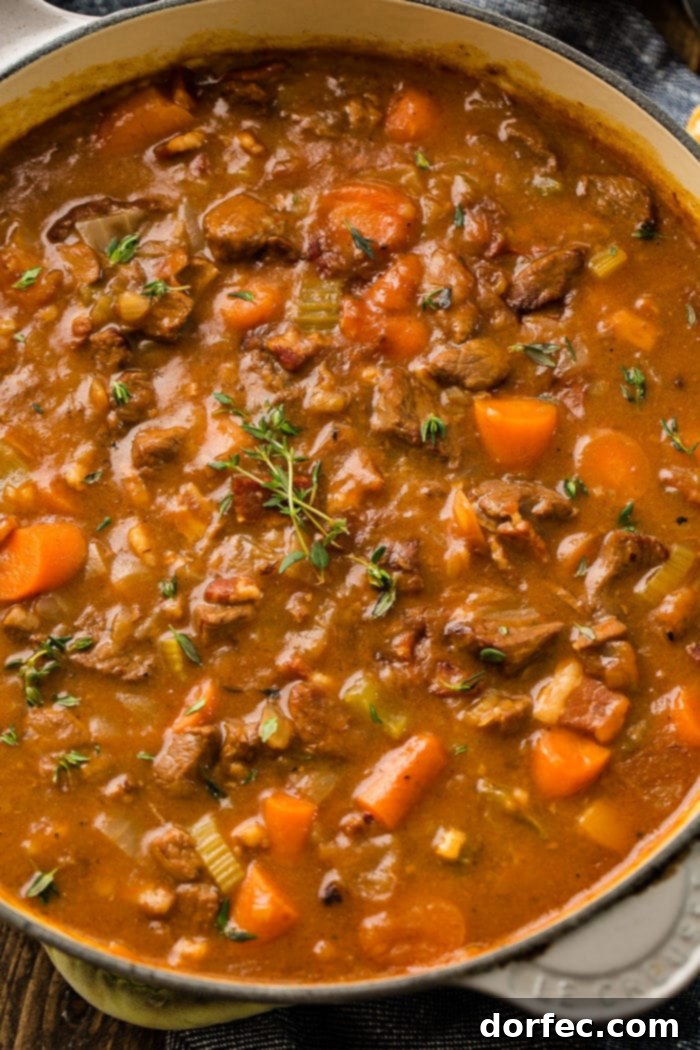
Welcome to a culinary journey that promises warmth, comfort, and an unforgettable experience for your taste buds: our exceptional Irish Beef Stew recipe. This isn’t just a meal; it’s a heartwarming embrace in a bowl, a true champion in the category of effortless yet deeply satisfying weeknight dinners. And for all the parents out there, mastering this dish means you’ve effortlessly conquered a delicious St. Patrick’s Day recipe, making memories around the dinner table without any fuss.
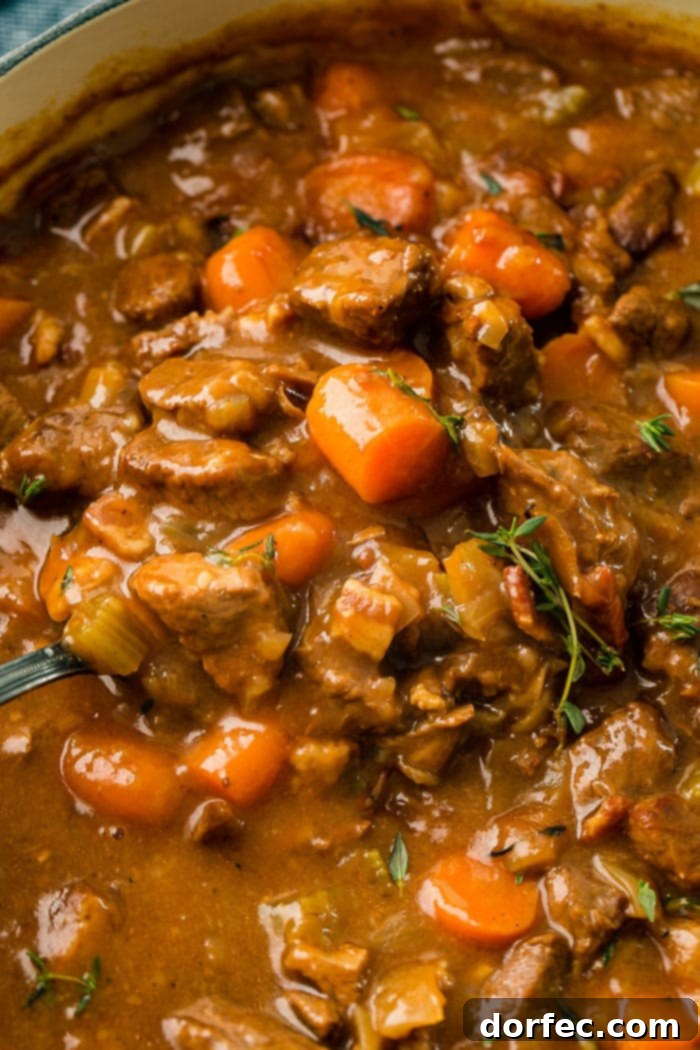
For many, St. Patrick’s Day conjures images of vibrant green and festive celebrations. While I might not be a ‘Pinterest mom’ going all out for every holiday, I believe in creating meaningful family moments, especially through food. This Irish Beef Stew stands as a testament to that philosophy. It’s a dish that brings people together, offering a taste of tradition with a practical, modern twist that suits even the busiest households. Forget the elaborate decorations; a steaming pot of this stew is all the magic you need.
The Essence of Irish Beef Stew: A Flavorful Journey
At its core, an authentic Irish Beef Stew is a masterpiece of simplicity. It traditionally features humble ingredients – succulent beef, root vegetables like carrots, potatoes, and onions, all simmered slowly in a rich broth, often enhanced with stout beer. This gentle, prolonged cooking process is what transforms basic components into a tender, melt-in-your-mouth stew, where every bite is infused with deep, savory flavors. It’s a dish that embodies comfort, perfect for chilly evenings or festive gatherings, offering a hearty meal that truly nourishes both body and soul.
What makes our version of Irish Beef Stew truly stand out is its innovative approach to traditional flavors. While many classic recipes call for Guinness beer to achieve that characteristic depth, our recipe offers a delightfully delicious non-alcoholic alternative. We firmly believe that exceptional flavor shouldn’t be limited by dietary choices or personal preferences. This stew proves that you can achieve all the rich, complex notes of a classic Irish stew using readily available ingredients, ensuring it’s a dish everyone can enjoy, regardless of whether they consume alcohol. Our commitment is to deliver a robust, satisfying flavor profile that captures the essence of this beloved Irish classic, making it accessible and enjoyable for every family.
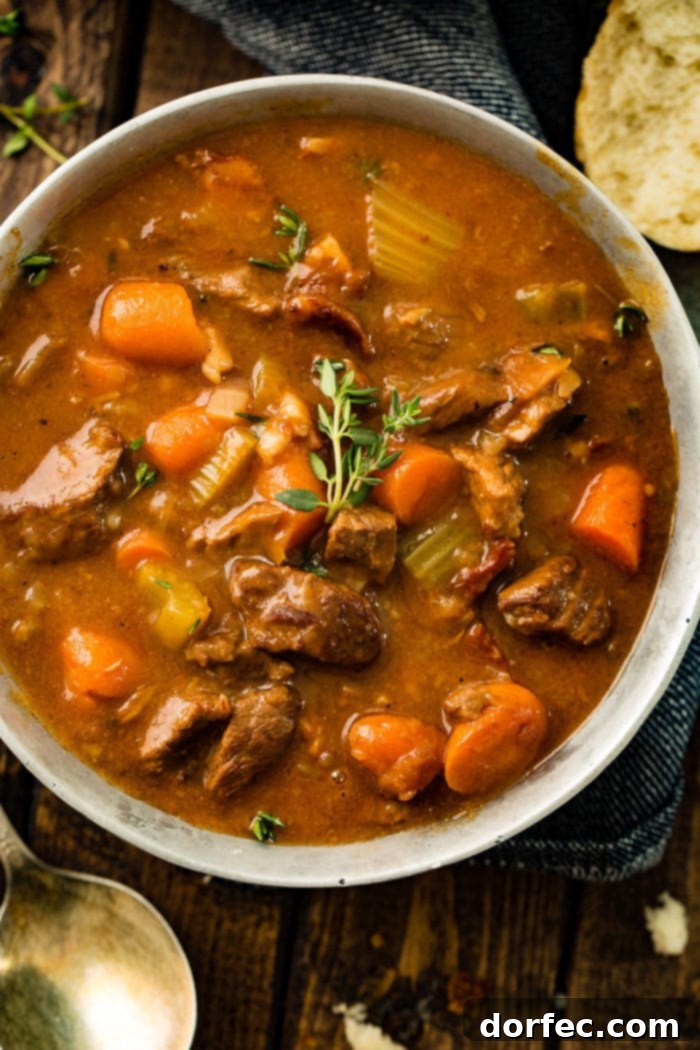
Crafting a Delicious Non-Alcoholic Irish Beef Stew
Our household, due to personal beliefs, chooses to avoid alcohol. While the alcohol in beer does largely cook out during the stewing process, we simply prefer a completely alcohol-free option. This led us to develop a version of Irish Beef Stew that delivers all the robust flavor without any beer. The secret to achieving that deep, malty, slightly bitter, and umami-rich profile typically provided by stout beer lies in a simple yet ingenious substitution: dark soda (like Coca-Cola) combined with Worcestershire sauce.
The Power of Dark Soda and Worcestershire Sauce
When you replace the traditional stout with an equal amount of dark soda, you introduce a touch of sweetness, a subtle caramel note, and a deep color that mimics beer. The carbonation also contributes to tenderizing the meat. Adding Worcestershire sauce enhances the umami, providing that savory depth and tanginess that rounds out the flavor profile beautifully. Together, these two ingredients create a remarkably similar taste experience to a beer-based stew, making this recipe not just an alternative, but a truly delicious version in its own right.
For Those Who Prefer Beer
If you prefer to include beer in your Irish Stew, the substitution is straightforward. Simply replace the dark soda with an equal amount of your chosen stout beer. For the best flavor, a dark beer like Guinness is highly recommended. Its rich, roasted notes and slight bitterness perfectly complement the beef and vegetables, adding another layer of traditional Irish character to your stew. The key is to use a stout that you enjoy drinking, as its flavor will concentrate and develop during the long simmering process. Experiment with different dark beers to find your personal favorite, knowing that the quality of the beer will directly impact the depth and complexity of your final dish.
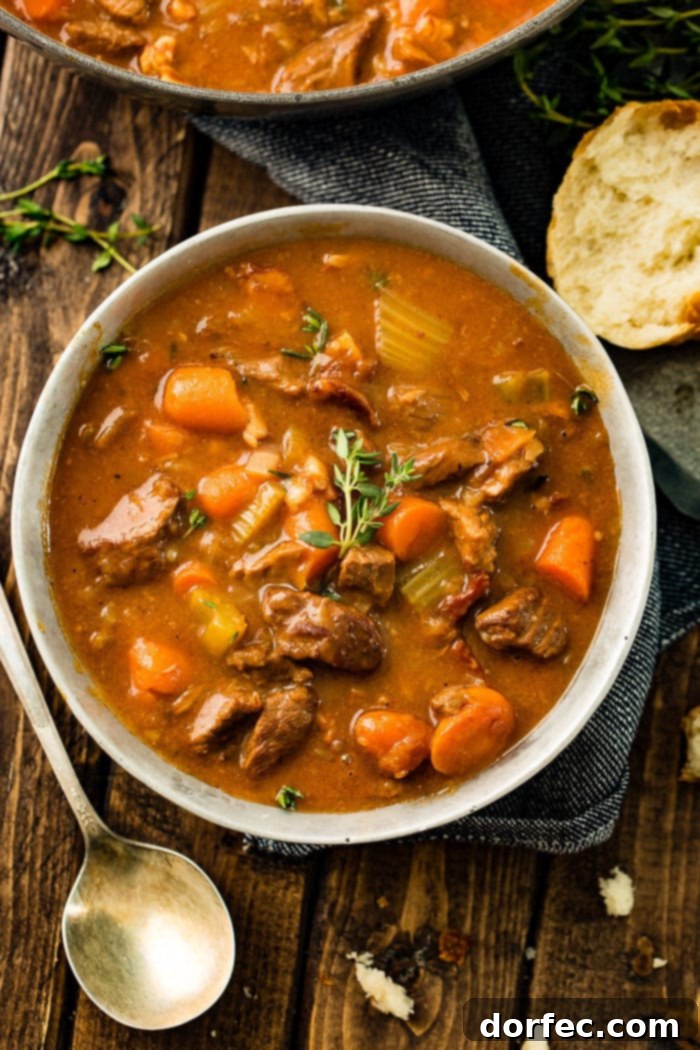
Key Ingredients for an Outstanding Irish Beef Stew
The magic of this Irish Beef Stew lies in the synergy of its carefully selected ingredients, each playing a crucial role in building the stew’s rich flavor and comforting texture. Understanding the purpose of each component will help you appreciate the depth of this truly remarkable dish.
- Beef Chuck or Stew Meat: This is the star of the show. Beef chuck, with its excellent marbling and connective tissue, is perfect for slow cooking. As it simmers, the collagen breaks down into gelatin, resulting in incredibly tender, fall-apart meat that soaks up all the delicious flavors of the stew. Cubing the meat ensures even cooking and allows for maximum surface area for browning, a critical step for flavor development.
- Salt and Black Pepper: Basic seasonings, yet essential. They don’t just add flavor but also help tenderize the beef and enhance the natural tastes of all the other ingredients. Proper seasoning at each step is key to a well-balanced stew.
- Olive Oil: Used for searing the beef and sautéing the aromatics. It helps create a beautiful crust on the meat, locking in juices and contributing to the rich brown bits (fond) at the bottom of the pot, which are packed with flavor.
- Garlic and Onions: These aromatics form the foundational flavor base of the stew. Minced garlic provides pungent, savory notes, while onions (minced and chunky) offer sweetness and depth as they caramelize. They infuse the entire stew with their irresistible fragrance.
- Bacon: Diced bacon adds a smoky, salty, and wonderfully rich flavor. As it cooks, it renders fat, which is then used to sauté other ingredients, further layering the flavors. The crispy bacon bits themselves can be stirred in for texture or used as a garnish.
- Coke (Coca-Cola) or Stout Beer: Our unique non-alcoholic liquid base. Dark soda provides a touch of sweetness, acidity, and caramel notes, mimicking the complexity of stout beer. If using beer, a dark stout like Guinness contributes deep malty, roasted, and slightly bitter undertones, traditional to Irish stew.
- Tomato Paste: A concentrated burst of umami. It adds richness, a hint of acidity, and a deep reddish-brown color to the stew, intensifying the savory profile and balancing the other flavors.
- Beef Bouillon and Chicken Bouillon (or Broth): These add significant depth and savoriness to the liquid base. Using both beef and a touch of chicken bouillon (or their broth equivalents) creates a more complex and well-rounded flavor profile than just one type of broth alone. We recommend high-quality bouillon for superior taste.
- Carrots and Celery: Classic mirepoix vegetables that bring sweetness, earthy notes, and a pleasant texture to the stew. Cutting them into chunks ensures they hold their shape during the long cooking process and contribute to the hearty nature of the dish.
- Bay Leaves and Fresh Thyme: These herbs infuse the stew with aromatic, earthy, and slightly peppery notes, adding a layer of subtle fragrance that elevates the overall flavor. They are typically added at the beginning of the simmering process and removed before serving.
- All-Purpose Flour and Cold Water (for Slurry): Essential for thickening the stew to a luscious, rich gravy. The slurry method (mixing flour with cold water) prevents lumps and allows for a smooth, velvety consistency, transforming the broth into a hearty sauce that coats every piece of meat and vegetable.
Each ingredient is chosen for its ability to contribute to the rich, complex, and comforting character of this classic Irish Beef Stew, ensuring a truly satisfying meal.
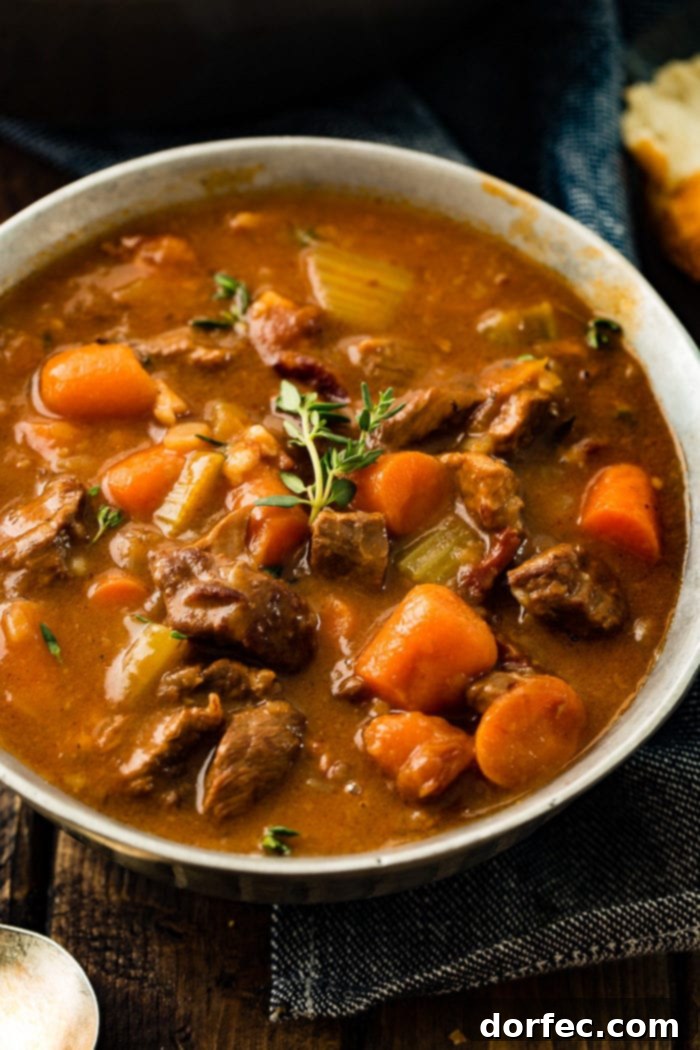
Serving Your Hearty Irish Beef Stew
Once your Irish Beef Stew has simmered to perfection, with the meat incredibly tender and the gravy rich and thick, it’s time to think about how to best enjoy this comforting masterpiece. The way you serve your stew can enhance the entire dining experience, transforming a simple meal into a memorable occasion. Here are some of our favorite ways to serve this hearty dish:
- Over Creamy Mashed Potatoes: This is a classic and incredibly satisfying pairing. The velvety texture of mashed potatoes provides a perfect bed for the rich, savory stew, allowing every drop of gravy to be absorbed. The starchiness of the potatoes beautifully complements the tender beef and vegetables, creating a complete and utterly comforting meal.
- With Crusty Bread or Dinner Rolls: A good, crusty bread or warm dinner roll is essential for soaking up every last bit of that delicious gravy. Consider a traditional Irish Soda Bread for an authentic touch, or a simple baguette or artisan roll. The contrast between the soft stew and the crisp crust of the bread is delightful.
- Alongside Roasted Root Vegetables: If your stew doesn’t already contain a robust selection of vegetables, serving it with additional roasted root vegetables like parsnips, turnips, or more carrots can add extra texture, flavor, and nutritional value. The slight caramelization from roasting adds another layer of sweetness that pairs well with the savory stew.
- With a Simple Green Salad: To lighten the meal and add a fresh counterpoint to the richness of the stew, a crisp green salad with a light vinaigrette is an excellent choice. The acidity of the dressing can cut through the richness, cleansing the palate between bites.
- As a Standalone Dish: If your stew is packed with potatoes and other vegetables, it can certainly be served on its own as a complete meal. The rich combination of meat, vegetables, and gravy is often enough to satisfy without any additional sides.
No matter how you choose to serve it, remember to savor each spoonful. This Irish Beef Stew is more than just food; it’s a culinary hug, a symbol of comfort, and a delicious way to bring warmth to your table.
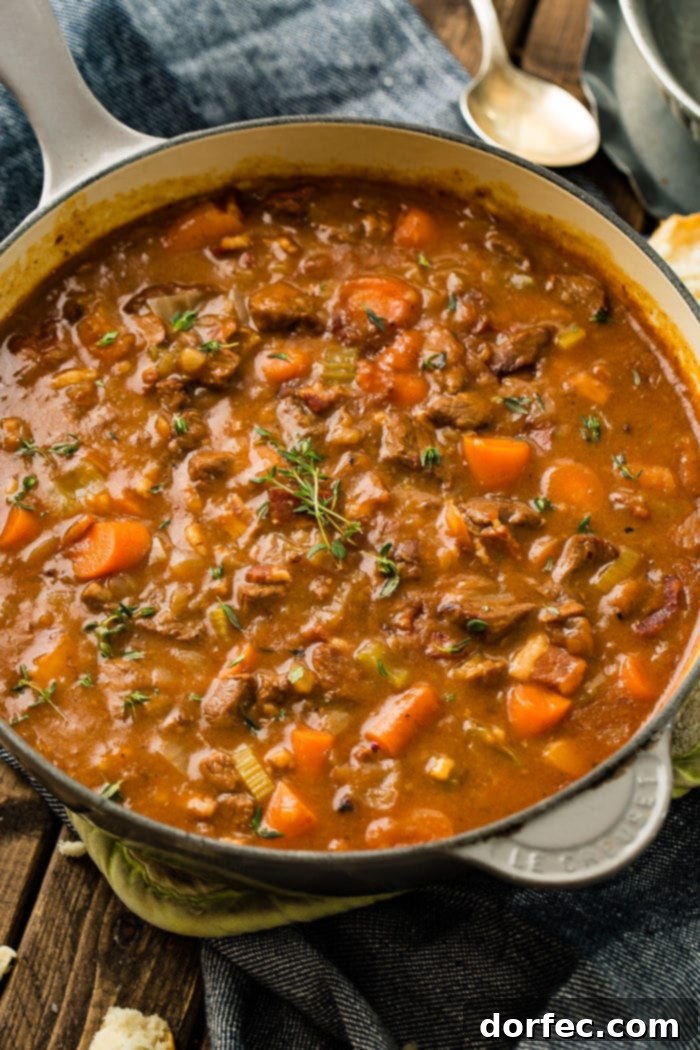
Achieving the Perfect Consistency: How to Thicken Irish Beef Stew
A truly great stew, in my opinion, boasts a luscious, thick consistency that clings to every piece of tender beef and vegetable. It should be rich and velvety, far from a thin, watery broth. While broth is the starting point, the goal is to transform it into a robust gravy that elevates the entire dish. Here’s how to master the art of thickening your Irish Beef Stew to perfection:
The Power of a Flour Slurry
For a consistently thick and creamy texture without any gloppy lumps, a simple flour slurry is your best friend. This method is preferred for stews because it creates a smooth, even thickening and integrates seamlessly into the simmering liquid. To make a perfect slurry:
- Combine Cold Water and All-Purpose Flour: In a separate bowl or glass measuring cup, combine equal parts cold water and all-purpose flour. The key here is *cold* water, as it prevents the flour from clumping when mixed. Using all-purpose flour provides the ideal thickening power and neutral flavor for this type of stew. Avoid other flours like self-rising or bread flour, as they won’t yield the same smooth result.
- Whisk Until Smooth: Vigorously whisk the water and flour mixture until it forms a perfectly smooth, lump-free paste. This ensures that when added to the hot stew, it thickens evenly.
- Incorporate into Simmering Stew: While the stew is gently simmering on the stovetop, slowly pour the slurry into the pot in a steady stream, stirring constantly. This gradual addition and continuous stirring help distribute the thickener throughout the stew without creating clumps.
- Simmer to Thicken: Continue to simmer the stew, uncovered, for at least 10-15 minutes, or until it reaches your desired thick consistency. The heat will activate the flour’s starches, causing the stew to thicken. Keep stirring occasionally to prevent sticking.
Substituting Cornstarch for a Gluten-Free Option
If you prefer a gluten-free alternative or simply prefer using cornstarch, it’s an excellent substitute for flour. Cornstarch provides a glossy, almost translucent finish to your gravy. The general rule of thumb for substituting cornstarch for flour is to use half the amount of cornstarch. So, if the recipe calls for 1/4 cup of flour, you would use 1/8 cup of cornstarch.
- Mix Cornstarch with Cold Water: Similar to a flour slurry, combine cornstarch with an equal amount of cold water to form a smooth paste. Again, cold water is crucial to prevent lumps.
- Add to Simmering Stew: Slowly whisk the cornstarch slurry into the simmering stew.
- Cook Briefly: Cornstarch thickens much faster than flour. Bring the stew back to a simmer and cook for only 1-2 minutes, stirring, until it reaches your desired thickness. Be careful not to overcook, as prolonged simmering can sometimes cause cornstarch-thickened sauces to thin out again.
While both methods are effective, I often prefer the flour slurry for a hearty stew like this. It tends to create a more opaque, traditional gravy texture that truly complements the rustic nature of an Irish Beef Stew.
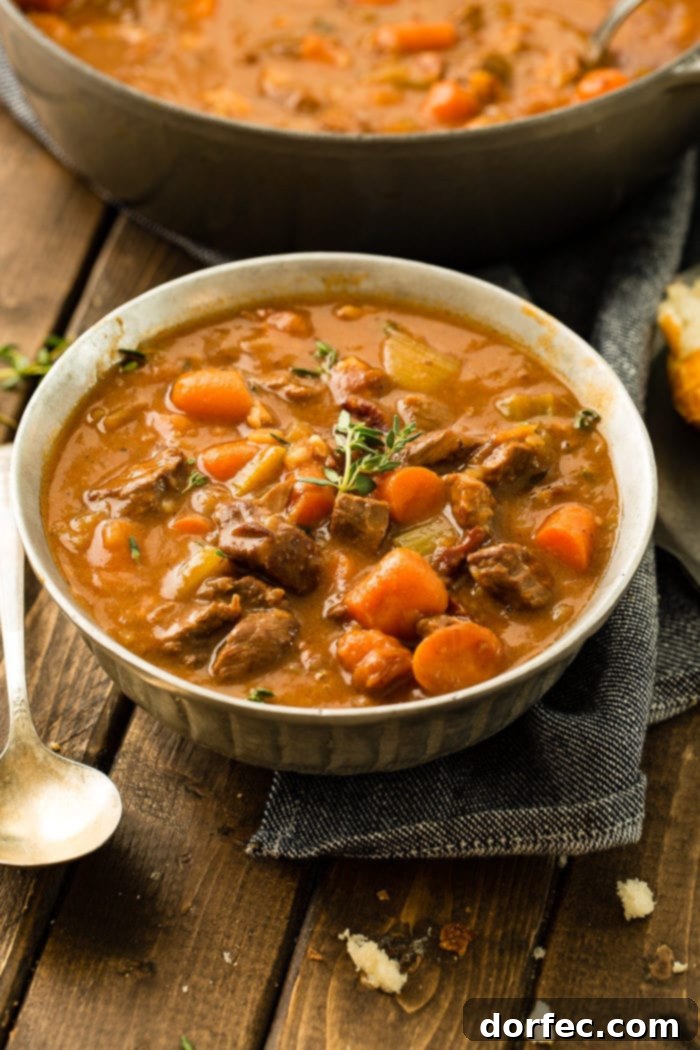
Make-Ahead and Storage: Can You Freeze Irish Beef Stew?
One of the many wonderful qualities of Irish Beef Stew is how beautifully it lends itself to meal prepping and freezing. It’s an ideal candidate for a freezer meal, allowing you to enjoy a delicious, homemade dinner even on your busiest nights. Properly frozen, this stew can be a lifesaver, offering convenience without sacrificing flavor or quality. Here’s how to successfully freeze and reheat your Irish Beef Stew:
Freezing Instructions:
- Completely Cook the Stew: Prepare your Irish Beef Stew according to the recipe, ensuring it’s fully cooked and the meat is perfectly tender.
- Cool Completely: This step is crucial. Before freezing, the stew must be cooled down to room temperature. Transfer it to shallow containers or spread it out to cool faster. This prevents condensation and ice crystals from forming, which can affect the stew’s texture.
- Portion and Package: Divide the cooled stew into individual portions or family-sized servings, depending on how you plan to use it. For best results, use freezer-safe containers or heavy-duty freezer bags. If using bags, lay them flat after filling and sealing. This not only saves space in your freezer but also allows for quicker thawing. For an extra layer of protection against freezer burn, consider using a vacuum sealer (like a FoodSaver) to remove air and create an airtight seal.
- Label and Freeze: Label each container or bag with the date and contents. Irish Beef Stew can be stored in the freezer for up to 3 months.
Reheating Frozen Stew: The Importance of Slow Thawing
While it might be tempting to toss a frozen block of stew directly into a pot on the stove, this is actually a recipe for disaster. Rapid temperature changes can compromise the texture of the meat and vegetables, and may not heat evenly, leading to a less enjoyable meal. For the best results and to maintain the stew’s delicious quality, always follow these reheating guidelines:
- Defrost in the Refrigerator: The safest and most effective way to defrost frozen stew is to transfer it to the refrigerator the night before you plan to serve it. Allow it to thaw slowly and completely. This gentle process helps preserve the texture and flavor.
- Reheat Gently on the Stovetop: Once defrosted, pour the stew into a heavy-bottomed pot or Dutch oven. Reheat it over low to medium-low heat, stirring occasionally, until it is heated through. Avoid boiling the stew vigorously, as this can break down the vegetables and make the meat tough. A slow, gentle simmer is all that’s needed to bring it back to serving temperature. If the stew seems too thick after reheating, you can add a splash of beef broth or water to reach your desired consistency.
By following these steps, you can enjoy the incredible convenience of homemade Irish Beef Stew as a ready-to-eat meal, any day of the week.
Dietary Considerations: Is Irish Beef Stew Gluten-Free?
For families managing dietary restrictions or food allergies, finding versatile and delicious recipes is key. The good news is that this Irish Beef Stew can easily be adapted to be completely gluten-free, making it a fantastic and inclusive meal option. The primary ingredient to consider when aiming for a gluten-free stew is the thickening agent.
Making Your Stew Gluten-Free:
- Flour vs. Cornstarch: If you use the traditional flour slurry (cold water and all-purpose flour) as outlined in the main recipe, your stew will contain gluten. However, making it gluten-free is incredibly simple: just substitute cornstarch for the flour. As discussed in the thickening section, you would use half the amount of cornstarch mixed with an equal part of cold water to create a slurry. Cornstarch is a naturally gluten-free thickener that works wonderfully in stews, giving them a slightly glossy, rich consistency.
- Check Bouillon and Worcestershire Sauce: Most beef and chicken bouillons (especially “Better than Bouillon”) and Worcestershire sauces are naturally gluten-free. However, it’s always wise to double-check the labels of your chosen brands to ensure they don’t contain any hidden gluten-containing ingredients or cross-contamination warnings, especially if dealing with severe allergies.
- Other Ingredients: All other core ingredients in this recipe—beef chuck, olive oil, garlic, onions, bacon, dark soda (Coke), tomato paste, carrots, celery, bay leaves, and fresh thyme—are inherently gluten-free. This makes the adaptation straightforward and reliable.
By simply opting for cornstarch as your thickening agent and performing a quick label check on your bouillon and Worcestershire sauce, this Irish Beef Stew transforms into a hearty, flavorful, and safe meal for anyone following a gluten-free diet. It’s a testament to how easily comforting classics can be made accessible to everyone at the dinner table.
More Delicious Soup and Stew RECIPES
Looking for more comforting and satisfying soup and stew recipes to warm your soul? You’ll love our selection of hearty dishes perfect for any season. Don’t miss out on these family favorites: Mom’s Fabulous Slow Cooker Stew, a classic that’s always a hit; our zesty Taco Stew, offering a delightful twist on taco night; the incredibly rich and creamy Cheeseburger Soup, a true comfort food delight; our flavorful Slow Cooker Potato Bacon Corn Chowder, perfect for a cozy evening; and for something with a kick, try our vibrant Honey Lime Chicken Enchilada Soup! Each recipe promises to bring warmth and deliciousness to your table.
REMEMBER TO SUBSCRIBE TO our FREE Oh Sweet Basil NEWSLETTER AND RECEIVE EASY RECIPES DELIVERED INTO YOUR INBOX EVERY DAY!
When you try a recipe, please use the hashtag #ohsweetbasil on INSTAGRAM for a chance to be featured in our stories! FOLLOW OH, SWEET BASIL ON FACEBOOK | INSTAGRAM | PINTEREST | TWITTER FOR ALL OF OUR LATEST CONTENT, RECIPES AND STORIES.
Irish Beef Stew

Ingredients
- 2.25 lb Beef Chuck, or stew meat, cubed
- 3/4 teaspoons Salt
- Black pepper
- 2 Tablespoons Olive Oil
- 3 Cloves Garlic, minced
- 2 Onions, red, one minced and one chopped in bigger chunks
- 4 Slices Bacon, diced
- 15 Ounces Coke, Coca Cola pop
- 4 Tablespoons Tomato Paste
- 2 teaspoons Beef Bouillon, Better than Beef Bouillon plus 2 cups of water or 2 cups beef broth
- 1 teaspoon Chicken Bouillon, Better than Chicken Bouillon plus 1 cup of water or 1 cup chicken broth *see note
- 3 Carrots , large, peeled and cut into chunks on a diagonal
- 2 Stalks Celery , large, chopped
- 2 Bay Leaves
- 1 Sprig Thyme, fresh, or 1/2 teaspoon dried thyme
- 1/4 Cup Flour
- 1/2 Cup Water, cold
Instructions
-
Prepare the meat by patting dry with paper towels, then sprinkle with salt and pepper, tossing to coat. Allow to sit out for 5-8 minutes before cooking.2.25 lb Beef Chuck, 3/4 teaspoons Salt, Black pepper
-
Heat oil in a heavy based pot over high heat. Add beef in batches and brown on each side, removing the meat to a plate as it finishes and repeat with remaining meat.2 Tablespoons Olive Oil
-
Remove pot from heat and add a drizzle of oil if needed.
-
Return the pot to medium heat, add garlic and onions. Cook for 3 minutes until softening, then add bacon, stirring occasionally.3 Cloves Garlic, 2 Onions, 4 Slices Bacon
-
Cook until bacon is browned.
-
Dump the meat and all accumulated juices back into the pot. Mix well then add remaining ingredients.15 Ounces Coke, 4 Tablespoons Tomato Paste, 2 teaspoons Beef Bouillon, 1 teaspoon Chicken Bouillon, 3 Carrots , 2 Stalks Celery, 2 Bay Leaves, 1 Sprig Thyme
-
Bring the stew to a simmer then lower heat so it is bubbling gently.
-
Place a lid on the pot. Cook for 2 hours, the meat should be practically falling apart by now.
-
In a glass measuring cup, add the flour and water together, whisking vigorously to combine.1/4 Cup Flour, 1/2 Cup Water
-
With the stew simmering, slowly stir the flour mixture into the pot.
-
Remove the lid and simmer for 30 – 45 minutes or until the beef falls apart at a touch.
-
Remove bay leaves and thyme.
-
Serve with bread!
Recipe Notes
When stored in an airtight container, beef stew can be frozen for up to 3 months.
Nutrition
Nutrition information is automatically calculated, so should only be used as an approximation.