
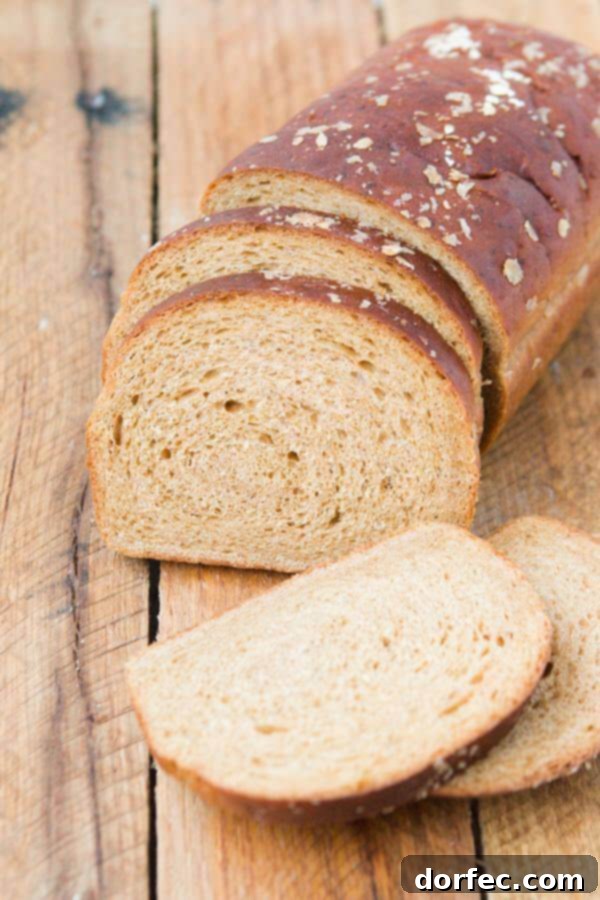
Irresistible Molasses Oatmeal Bread: A Heartwarming Homemade Recipe
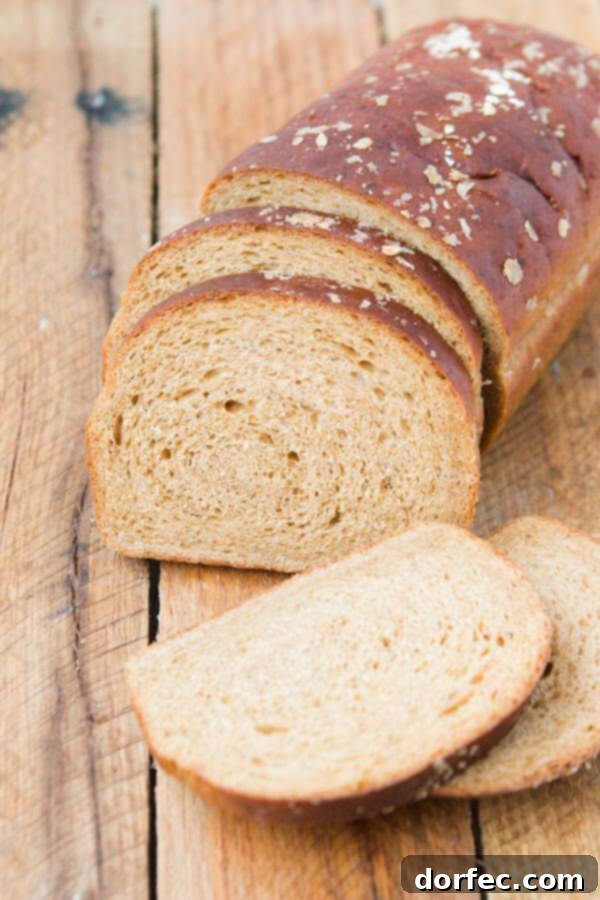
There’s something uniquely comforting about the aroma of freshly baked bread filling your home. For our family, that scent often heralds the arrival of my mom’s incredible Molasses Oatmeal Bread. This recipe isn’t just a collection of ingredients; it’s a cherished memory, a taste of home, and a testament to the simple joys of homemade cooking. My mother, a truly wonderful cook, consistently creates perfectly comforting and easy recipes, and she’s always eager to share her culinary secrets.
Growing up, the smell of this molasses oatmeal bread baking was enough to draw me into the kitchen, where I’d eagerly hover until it emerged, golden and fragrant, from the oven. The moment it was cool enough to handle, we’d slice off a thick, warm piece, spread it generously with butter, drizzle a touch of golden honey, and savor every bite. That rich, sweet, and wholesome flavor is something you truly have to experience to understand.
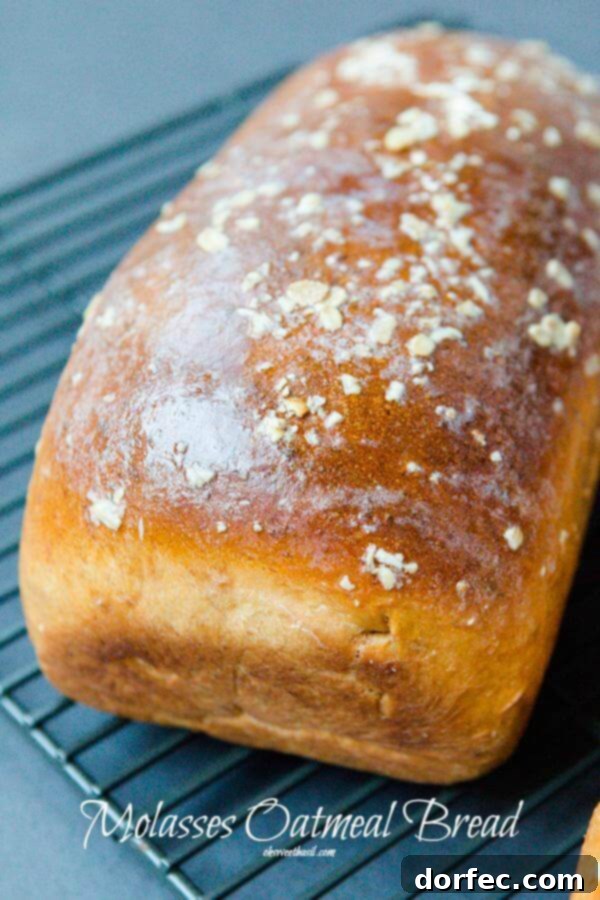
Demystifying Homemade Bread: Easier Than You Think
Many people shy away from baking bread, convinced it’s an intricate, time-consuming process reserved for expert bakers. They believe it requires a special touch, an innate talent, or hours of meticulous work. While some artisanal breads certainly demand precision, I’m here to tell you that making fresh, warm bread at home doesn’t have to be intimidating. In fact, it can be incredibly straightforward, especially with a forgiving recipe like this one.
Forget the “silliness” of thinking bread making is a monumental task. This Molasses Oatmeal Bread recipe is designed for ease, making it perfect for beginners and seasoned bakers alike. With the help of a stand mixer, much of the heavy lifting—or rather, heavy kneading—is taken care of. Simply combine the ingredients, let your KitchenAid do its magic, and you’re halfway there. The only thing left to do is a bit of hands-on kneading, which many find surprisingly therapeutic. There’s a certain satisfaction in working the dough, punching it down, and feeling it transform under your hands – consider it a mini “dough therapy” session!

Why Molasses Oatmeal Bread is a Family Favorite
This particular bread holds a special place in our hearts (and stomachs!). The combination of rich molasses and wholesome oatmeal creates a loaf that is truly unique in flavor and texture. Molasses imparts a deep, earthy sweetness and a beautiful dark hue, while oatmeal adds a comforting chewiness and a gentle nutty undertone. It’s not overly sweet, striking a perfect balance that makes it versatile for any meal.
Beyond its incredible taste, this bread offers a satisfyingly soft crumb and a slightly crusty exterior, making every bite a delight. It’s hearty enough to be filling but still wonderfully tender. It pairs beautifully with both sweet and savory toppings, from fruit jams and cream cheese to savory deli meats and cheeses. Its robust flavor stands up well, making it an excellent choice for sandwiches or a comforting side to your favorite soup or stew.
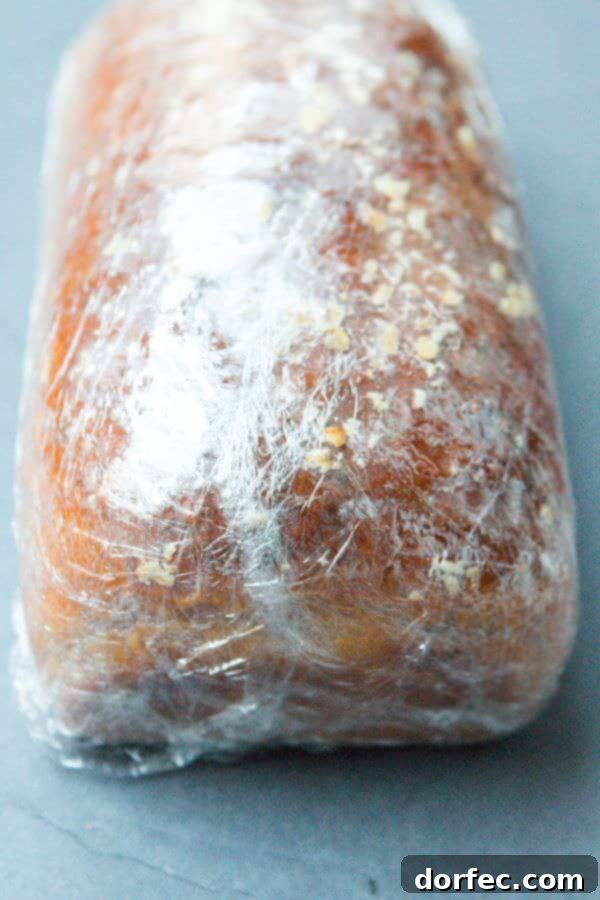
Tips for Keeping Your Bread Fresh All Week
When this Molasses Oatmeal Bread comes out of the oven, it’s virtually irresistible. My husband, Cade, and I can never resist slicing off a warm piece right away. But once we’ve enjoyed that initial taste of heaven, we make sure to wrap the remaining loaf tightly in plastic wrap. This simple step is key to keeping the bread incredibly soft and fresh for the entire week. For longer storage, this bread also freezes beautifully. Simply wrap it well in plastic wrap and then aluminum foil, and it will stay fresh in the freezer for up to three months. When you’re ready to enjoy it, thaw it at room temperature or gently warm slices in the toaster or oven.
Understanding Molasses: The Secret Ingredient
Molasses is a thick, brown syrup that is a byproduct of the sugar refining process. As sugarcane or sugar beets are processed to extract sugar crystals, the remaining syrup becomes molasses. Its flavor and color vary depending on the amount of sugar removed from it. Light molasses is the sweetest and lightest in color, typically used in baked goods. Dark molasses has a more robust flavor and darker color, while blackstrap molasses is the darkest, least sweet, and richest in nutrients, with a strong, slightly bitter taste.
Molasses Substitutes: What to Use in a Pinch
If you find yourself without molasses, don’t worry! While molasses provides a unique depth of flavor, there are several suitable substitutes you can use for 1 cup of molasses:
- Dark Corn Syrup: This is a good option for maintaining a similar viscosity and sweetness level.
- Honey: Honey offers a distinct floral sweetness that will alter the flavor profile slightly but works well as a sweetener and moistener.
- Maple Syrup: Pure maple syrup provides a delicate, earthy sweetness, similar in texture to molasses, though the flavor will be different.
- Brown Sugar (with liquid): You can also make a substitute by dissolving 1 cup of packed brown sugar in 1/4 cup of warm water or another liquid like milk or coffee. Brown sugar itself contains some molasses, so this can mimic the flavor and color.
Keep in mind that while these substitutes will work, they may slightly alter the final taste and texture of your bread, especially in terms of the distinctive color and deep flavor that molasses imparts.
The Health Benefits of Oatmeal
Oatmeal is more than just a delicious addition to this bread; it also brings a host of heart-healthy benefits. Studies consistently show that incorporating oatmeal into your diet can significantly contribute to overall well-being. Here’s why:
- Cholesterol Reduction: The water-soluble fiber in oatmeal, primarily beta-glucan, is highly effective at reducing the amount of “bad” (LDL) cholesterol circulating in the blood. It forms a gel-like substance in the digestive tract that binds to cholesterol, preventing its absorption.
- Heart Health: By lowering LDL cholesterol, oatmeal helps to reduce the risk of heart disease and stroke, making it a powerful ally for cardiovascular health.
- Blood Sugar Control: Oatmeal has a low glycemic index, meaning it causes a slower, more gradual rise in blood sugar compared to refined carbohydrates. This can be beneficial for managing blood sugar levels, especially for individuals with diabetes or those at risk.
- Digestive Health: The fiber content in oatmeal also aids in digestion, promoting regularity and preventing constipation.
- Satiety and Weight Management: The fiber and protein in oats contribute to a feeling of fullness, which can help reduce overall calorie intake and support weight management goals.
- Rich in Nutrients: Oats are packed with essential vitamins and minerals, including manganese, phosphorus, magnesium, copper, iron, zinc, and B vitamins, providing a nutritious boost to your diet.
Adding oatmeal to bread, as in this recipe, is a fantastic way to incorporate these benefits into a delicious and satisfying meal. It adds not only nutritional value but also a delightful texture to the loaf.
Molasses Oatmeal Bread Recipe

Rating: 4 from 1 vote
By: Sweet Basil
Prep Time: 2 hrs 25 mins
Cook Time: 45 mins
Total Time: 3 hrs 10 mins
Servings: 32
There may not be anything better than fresh, warm bread out of the oven. It’s so so good, and incredibly easy to make!
Print Recipe
Ingredients
- 1 Cup Oatmeal
- 2 Cups Water, Boiling
- 1 pkg Yeast (2 1/4 teaspoons)
- 1 teaspoon Sugar
- 1/4 Cup Water, Warm
- 1/2 Cup Molasses (or 1/3 cup honey if molasses is unavailable)
- 2 Teaspoon Salt
- 1 Tablespoon Butter or Oil
- 4-5 Cups Flour (all-purpose or bread flour recommended)
Instructions
- Place the oats in a large bowl and pour boiling water over the top. Stir well to combine.
- Let the oatmeal mixture stand for 15 minutes, or until it reaches a lukewarm temperature. This allows the oats to soften and cool slightly before adding yeast.
- In a separate small bowl, dissolve the yeast and 1 teaspoon of sugar in 1/4 cup of warm water. Let it sit for 5-10 minutes until foamy, indicating the yeast is active.
- Add the molasses, salt, and butter or vegetable oil to the oatmeal mixture. Stir until well combined.
- Pour the activated yeast mixture into the oatmeal mixture and stir gently to incorporate.
- Gradually add the flour, 1 cup at a time, mixing until the dough just comes together and is shaggy but not overly sticky. You may not need all 5 cups of flour.
- Transfer the dough to a lightly floured surface or attach your KitchenAid to a dough hook. Knead the dough for about 8-10 minutes (by hand) or 6-8 minutes (with a mixer) until it is smooth and elastic. It should spring back when gently pressed.
- Place the kneaded dough in a lightly oiled large bowl, turning once to coat. Cover the bowl with a clean kitchen towel and let it rise in a warm, draft-free place until doubled in size (this usually takes about 1 hour, depending on your environment).
- Once doubled, gently punch down the dough to release the air. Divide the dough into two equal portions and shape each into a loaf.
- Place the shaped loaves into two greased 9×5 inch bread pans. Cover the pans again with a clean towel and let the loaves rise until doubled in size, typically another 30-45 minutes.
- Preheat your oven to 375°F (190°C).
- Bake the loaves for 40-45 minutes, or until they are golden brown and sound hollow when tapped on the bottom.
- Remove from pans and let cool on a wire rack before slicing.
Recipe Notes
For the best texture and freshness, bread should be stored at room temperature. For longer storage, wrap tightly and freeze.
Nutrition
Serving: 1g, Calories: 82kcal, Carbohydrates: 17g, Protein: 2g, Fat: 1g, Saturated Fat: 1g, Polyunsaturated Fat: 1g, Monounsaturated Fat: 1g, Trans Fat: 1g, Cholesterol: 1mg, Sodium: 152mg, Potassium: 101mg, Fiber: 1g, Sugar: 4g, Vitamin A: 11IU, Vitamin C: 1mg, Calcium: 15mg, Iron: 1mg
Nutrition information is automatically calculated, so should only be used as an approximation.
Baking Tips for Success
Even though this recipe is straightforward, a few tips can help ensure your Molasses Oatmeal Bread turns out perfectly every time:
- Yeast Activation: Always make sure your warm water is between 105-115°F (40-46°C) for activating yeast. Water that is too cold won’t activate it, and water that is too hot will kill it. If your yeast doesn’t foam, it’s likely old or wasn’t activated properly, and you should start with fresh yeast.
- Flour Measurement: For accurate results, spoon flour into your measuring cup and level it off with a straight edge rather than scooping directly from the bag, which can compact the flour and lead to too much being added.
- Kneading Consistency: Whether by hand or mixer, proper kneading develops the gluten, giving the bread its structure. The dough should be smooth, elastic, and slightly tacky to the touch, but not sticky. Adjust flour incrementally if needed.
- Proofing Environment: A warm, draft-free spot is crucial for rising. If your kitchen is cool, you can place the covered bowl in a slightly warm oven (turned off, with the light on) or near a sunny window.
- Doneness Test: Besides tapping the bottom for a hollow sound, the internal temperature of fully baked bread should be around 200-210°F (93-99°C) when measured with an instant-read thermometer.
Serving Suggestions
While delicious on its own with butter and honey, this Molasses Oatmeal Bread is incredibly versatile. Consider these serving ideas:
- Breakfast Toast: Perfect toasted with jam, marmalade, or nut butter.
- Hearty Sandwiches: Its sturdy texture makes it ideal for savory sandwiches with roast beef, turkey, or cheese.
- Soup Companion: A slice alongside a warming bowl of lentil soup or chili is a match made in heaven.
- Sweet Treats: Use it as the base for bread pudding or French toast.
Like this? We’d love to hear from you!
Leave a comment below and share your experience with this recipe. Your feedback helps us and other home bakers!