
The Ultimate Hack to Prevent Tupperware Stains: Say Goodbye to Red Residue Forever
If you’ve ever stored a delicious batch of spaghetti bolognese, a vibrant curry, or even a simple tomato soup in your favorite plastic food containers, you’ve likely faced the dreaded aftermath: stubborn, unsightly stains. That vibrant red or yellowish hue permanently etched into the plastic, making your once pristine containers look old, worn, and frankly, a bit unappetizing. It’s a common kitchen woe that has plagued home cooks for generations, turning perfectly good storage solutions into embarrassing, stained relics. But what if we told you there was a remarkably simple, incredibly effective way to banish these stains for good?
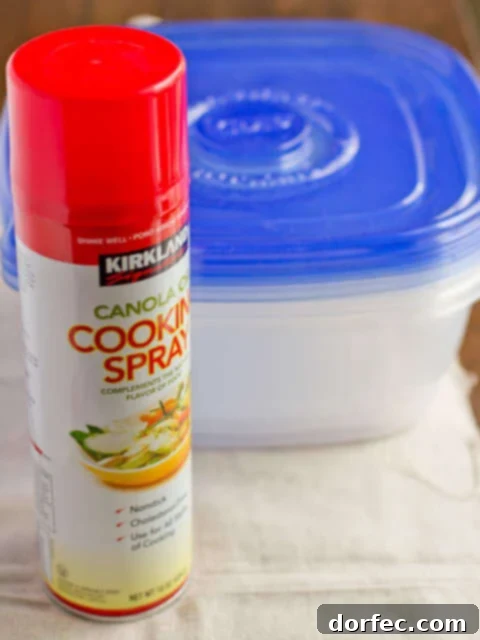
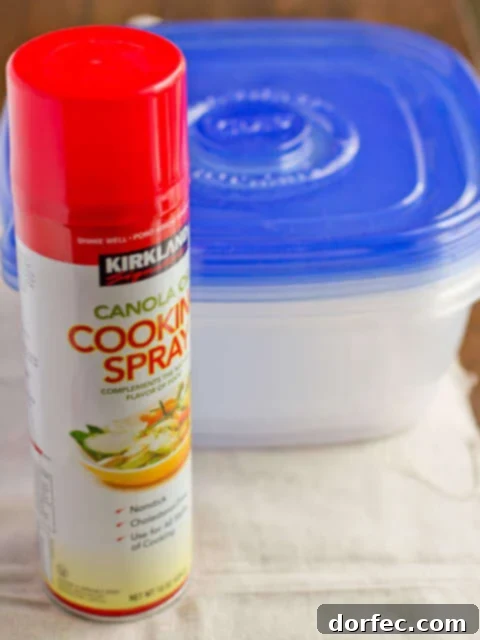
Imagine a world where your plastic containers remain sparkling clean, no matter what saucy, pigment-rich delights you store within them. This isn’t a pipe dream; it’s a reality achievable with an everyday kitchen staple you probably already own. Prepare to discover the unexpected best friend of your Tupperware: nonstick cooking spray. Yes, that humble aerosol can, typically reserved for greasing baking pans or ensuring pancakes flip perfectly, holds the key to preserving the life and appearance of your plastic food storage.
The Persistent Problem: Why Plastic Containers Stain
Before we dive into the magical solution, let’s understand the enemy. Why do certain foods, particularly those rich in pigments like tomatoes, turmeric, or deep-red berries, leave such indelible marks on our plastic containers? The answer lies in the very nature of plastic. Most plastic food containers, especially those made from polypropylene (the common material for reusable food storage), are porous at a microscopic level. While they appear smooth to the naked eye, their surface is riddled with tiny crevices and pores.
When hot or oily foods come into contact with this porous surface, the vibrant pigments, along with oils and fats, are absorbed deep into these microscopic gaps. Heat exacerbates this process, causing the plastic to expand slightly, opening up those pores even further and allowing the pigments to penetrate more deeply. Once these color molecules are absorbed, they bond with the plastic, making them incredibly difficult, if not impossible, to wash away with standard soap and water. This is why even after vigorous scrubbing, your container might still bear the telltale orange-red or yellow tint – the color has literally become part of the plastic.
Beyond the aesthetic issue, stained containers can also affect your perception of cleanliness. While a thoroughly washed, stained container is perfectly safe to use, its appearance can make you (and anyone you share food with) question its hygiene. It’s a subtle psychological battle, but one that many home cooks would rather avoid. No one wants to apologize for the “weird orange color” when sending leftovers home with a friend. This persistent problem has led many to resort to desperate measures, from sun bleaching to abrasive scrubbing, often with limited success or even damage to the containers.
The Simple Solution: Your Tupperware’s New Best Friend
Enough with the stained past; let’s talk about a brighter future for your food storage. The secret weapon against persistent plastic stains is surprisingly straightforward: a quick spritz of nonstick cooking spray. This isn’t just a quirky kitchen hack; it’s a brilliantly effective preventative measure that leverages the properties of the spray to create an impenetrable barrier between your food and your container’s plastic surface.
Think of the cooking spray as a protective shield. When you coat the inside of your container with a thin layer of nonstick spray, you’re essentially filling those microscopic pores in the plastic with a non-reactive oil. This creates a smooth, non-porous barrier that prevents food pigments, oils, and fats from directly contacting and seeping into the plastic itself. Instead, any staining agents will adhere to the oil layer, which can then be easily washed away with warm, soapy water.
How to Implement This Game-Changing Hack:
- Grab Your Clean Container: Ensure your plastic food container is clean and dry before you begin.
- Reach for the Cooking Spray: Any standard nonstick cooking spray will do – canola oil, olive oil, or vegetable oil-based sprays are all effective.
- Spray Generously (But Not Excessively): Hold the can a few inches from the inside surface of your container and spray a light, even coat over all interior surfaces that will come into contact with food. You don’t need a thick layer; a fine mist is sufficient to create the barrier.
- Wipe if Needed: If you’ve accidentally sprayed too much, you can lightly wipe away any excess with a paper towel, ensuring an even, thin film remains.
- Add Your Food: Now, confidently pour in your vibrant tomato sauce, spicy curry, or whatever delicious, stain-prone food you’re storing.
- Store as Usual: Seal your container and store it in the refrigerator or freezer as you normally would.
- Clean with Ease: When you’re ready to wash the container, you’ll find that the food residue, along with the cooking spray layer, rinses away effortlessly, leaving your plastic sparkling clean and stain-free.
Beyond Tomato Sauce: Versatility of the Nonstick Barrier
While tomato-based sauces are often the poster child for plastic stains, the utility of the nonstick cooking spray extends far beyond just pasta night. Consider the following common culprits where this hack truly shines:
- Curries and Turmeric: The potent yellow pigment in turmeric is notorious for staining everything it touches. A pre-sprayed container will brilliantly resist these vibrant, persistent hues.
- Chili and Stews: Hearty dishes often contain a medley of richly colored ingredients that can cling to plastic. The spray provides an excellent defense.
- Oil-Based Dressings and Marinades: Even if they don’t have strong pigments, oily residues can make plastic feel greasy and harder to clean. The nonstick layer simplifies cleanup.
- Berry Juices: Storing fresh berries or anything with berry juice can leave purple or red marks. The spray prevents these fruit pigments from setting in.
- Greasy Leftovers: Foods with high fat content, like fried chicken or greasy stir-fries, can leave a film that’s tough to remove. The cooking spray acts as a release agent.
- Cheese and Dairy: While not typically staining, melted cheese can stick stubbornly. A nonstick barrier ensures a smooth release and easy wash.
This simple preventative measure can be applied to any plastic container you wish to protect, whether it’s genuine Tupperware, other branded food storage solutions, or generic plastic containers. It’s an affordable, non-toxic, and incredibly effective method that helps prolong the life and aesthetic appeal of your kitchen essentials, saving you money in the long run by eliminating the need to replace stained containers prematurely.
Comparing Against Other Stain Removal Methods
For years, people have tried various methods to combat plastic stains. While some offer partial success, the cooking spray method stands out due to its preventative nature and ease of use. Let’s compare it to some popular alternatives:
Sunlight Method:
- How it works: UV rays from the sun can help break down pigments. You wash the container, leave it outside in direct sunlight.
- Pros: Eco-friendly, chemical-free.
- Cons: Time-consuming (can take hours or days), weather-dependent, not always 100% effective for deep stains, and can sometimes weaken certain types of plastic over time with prolonged exposure. It’s a remedial solution, not preventative.
Baking Soda Paste:
- How it works: Mix baking soda with a little water to form a paste, spread it over the stain, let it sit, then scrub.
- Pros: Mild abrasive, natural, helps with odors.
- Cons: Requires scrubbing, can be messy, often not effective for deep-set stains, and it’s a removal method, not prevention.
Bleach Solution:
- How it works: A diluted bleach solution can sometimes lighten stains.
- Pros: Can be effective on some stains.
- Cons: Harsh chemicals, not food-safe unless rinsed meticulously, can damage plastic over time, requires caution, and doesn’t prevent future stains. Many advise against using bleach on food containers.
Lining with Paper Towels or Plastic Wrap:
- How it works: Place a barrier between the food and the container.
- Pros: Can offer some protection.
- Cons: Less effective for liquids and sauces (which can seep underneath), adds waste, and isn’t as foolproof as a direct nonstick coating.
The cooking spray method, unlike these, is proactive. It stops the stain before it even has a chance to form, saving you the hassle of trying to remove it later. It’s a testament to the idea that prevention is often better (and easier) than cure.
Extending the Life of Your Plastic Containers: General Care Tips
While the nonstick cooking spray is a fantastic hack for preventing stains, good general care practices will further extend the life and cleanliness of your plastic containers. Here are some additional tips:
- Wash Immediately: The longer food sits in a container, the higher the chance of staining. Rinse or wash containers as soon as possible after use.
- Use Warm, Soapy Water: Standard dish soap and warm water are usually sufficient for daily cleaning.
- Avoid Abrasive Scrubbers: Harsh scrubbers can scratch the plastic surface, creating more microscopic pores where stains can accumulate in the future. Opt for soft sponges or cloths.
- Dry Thoroughly: Ensure containers are completely dry before storing to prevent mildew or bacterial growth.
- Store Lids Separately: If possible, store containers and lids separately to allow for air circulation, which can prevent musty odors from developing.
- Mind the Microwave: Heating highly pigmented or oily foods in plastic containers in the microwave can intensify staining and potentially damage the plastic. If possible, transfer food to ceramic or glass dishes for microwaving.
- Avoid Harsh Dishwasher Cycles: High heat in dishwashers, especially on the bottom rack, can sometimes warp or degrade plastic over time, making it more susceptible to staining. Hand washing or using the top rack on a gentler cycle is often preferred for plastics.
Embrace a Stain-Free Kitchen
Say goodbye to the days of unsightly, stained plastic containers that diminish the appeal of your carefully prepared meals. With the simple, brilliant hack of using nonstick cooking spray, you can transform your food storage experience. This isn’t just about aesthetics; it’s about making your kitchen life easier, more efficient, and more enjoyable. Your containers will look newer for longer, cleanup will be a breeze, and you’ll never again have to apologize for a “weird orange color” when sharing your culinary creations.
So, the next time you’re preparing a delicious, vibrant dish, remember your Tupperware’s new best friend. A quick spray is all it takes to keep your plastic containers pristine and ready for their next culinary adventure. Try it today, and prepare to be amazed by this effortlessly effective kitchen secret!