
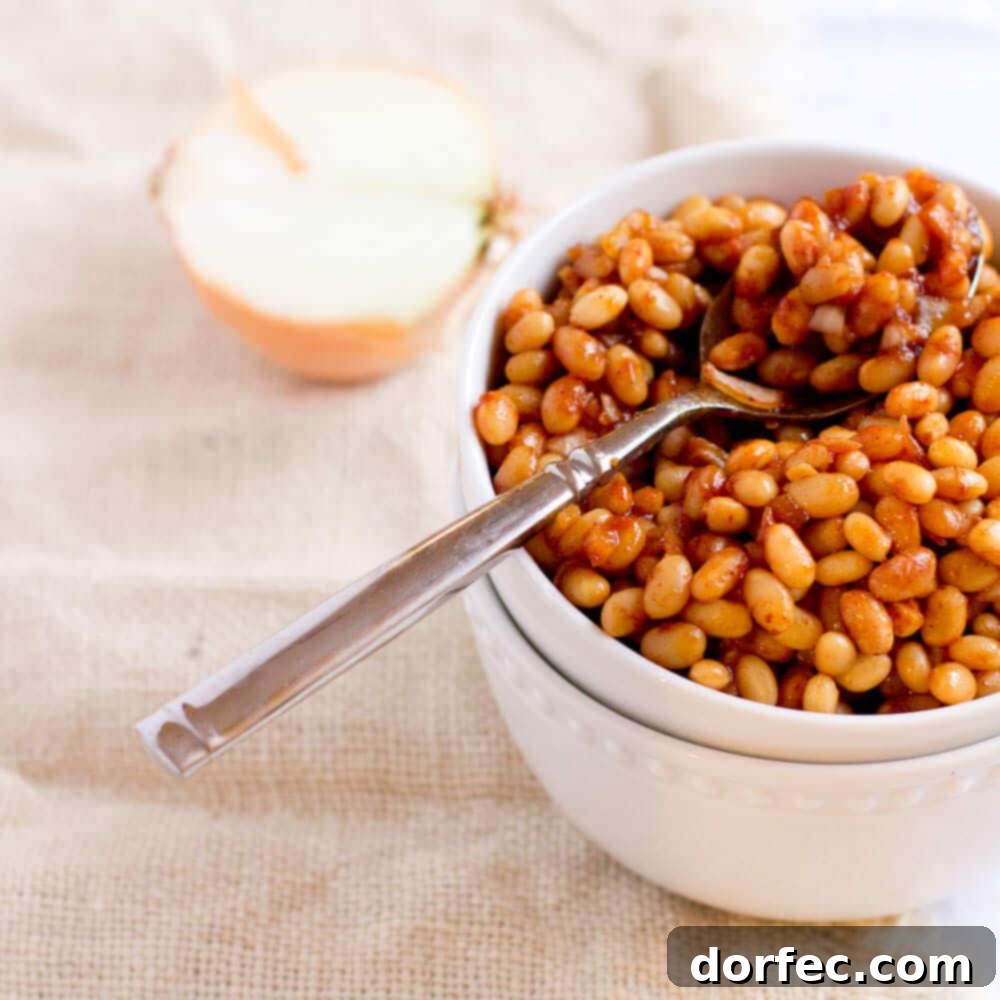
Ultimate Smoked BBQ Beans: Your Essential Guide to Unforgettable Flavor
Smoked BBQ Beans elevate any meal, offering a depth of flavor that’s simply irresistible. This is the perfect barbecue side dish to impress everyone.
Growing up, baked beans weren’t a staple in my kitchen, and the idea of “smoked” BBQ beans was entirely foreign. That all changed when I married a Southern boy whose culinary traditions introduced me to a world of rich, smoky flavors. Now, I’m a complete convert, especially when the beans are prepared just right. And let me tell you, even if you’re not typically a fan of baked beans, there’s a very good chance that someone in your life—especially the men—will absolutely fall in love with this dish.
These aren’t just any beans; they’re an experience. They embody the heart and soul of traditional American barbecue, transforming a humble side into a star attraction. The smoky notes infused into every tender bean, combined with a perfectly balanced sweet and tangy sauce, create an unparalleled flavor profile that’s comforting, robust, and utterly addictive.
Craving more bean deliciousness? You might also enjoy our Classic Baked Beans From Scratch for another hearty, homemade option!
Forget the Salad, Bring on the Smoked Beans
While many of us appreciate a refreshing salad, a delicate au gratin dish, or light, fluffy rolls, it’s easy to overlook the hearty favorites that truly capture the appetites of the men in our lives. My husband, for instance, is not only a fantastic cook but also often the one preparing incredible meals like these smoked beans. Yet, because I typically handle the majority of the cooking, I sometimes forget to make the dishes he particularly loves—especially those that might not be my first choice.
Barbecue is a tradition deeply rooted in communal gatherings and celebratory feasts. It’s about more than just the main course; it’s about the entire spread, where every component plays a vital role. From juicy pulled pork and tender ribs to grilled chicken, a truly memorable BBQ spread demands sides that can stand their ground. This is where smoked BBQ beans shine, offering a rich, satisfying counterpoint to lighter fare.
There’s something inherently comforting and deeply satisfying about a plate piled high with delicious, slow-cooked food. Much like Thanksgiving, where a bounty of dishes excites everyone, a well-executed barbecue is a feast for the senses. Imagine the aroma of smoky goodness filling your backyard, and a dish of these perfectly smoked beans taking center stage. This dish transforms a simple meal into an occasion, promising a memorable experience for everyone.
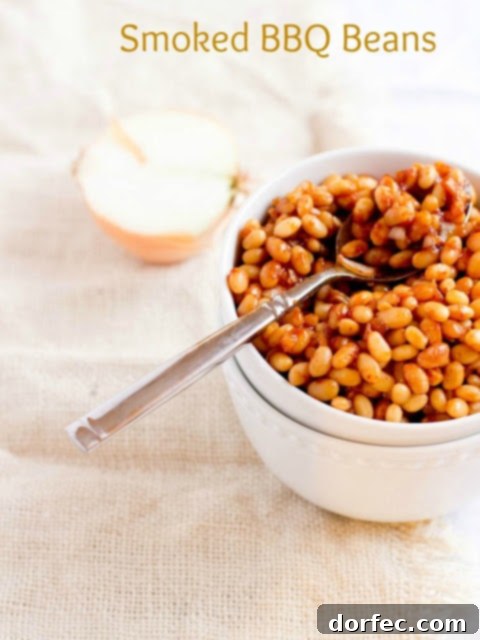
The Irresistible Allure of Smoked BBQ Beans
When we first embarked on making these smoked beans, we envisioned a simple, good side dish that wouldn’t require much fuss. What we discovered, however, was far beyond our expectations. The outcome was a batch of the most flavorful, deeply satisfying BBQ beans we had ever tasted. The slow infusion of smoke transformed ordinary beans into an extraordinary culinary delight, a side dish so exceptional it could almost be a main course.
The magic of smoking lies in its ability to penetrate and infuse food with layers of complex flavor that baking alone cannot achieve. The low and slow cooking process tenderizes the beans to perfection while allowing them to absorb the rich, aromatic compounds from the wood smoke. This creates a depth that is sweet, savory, and undeniably smoky, making every spoonful an absolute pleasure. It’s this unique combination of textures and tastes that truly makes these smoked BBQ beans “out of this world.”

Choosing the Right Beans for Your BBQ Masterpiece
The foundation of any great bean dish lies in selecting the right type of beans. For smoked BBQ beans, some varieties hold up better to the long cooking process and absorb flavors more effectively than others. While many recipes often call for specific types, understanding the characteristics of each can help you choose based on your preference for texture and how well they blend with the smoky, sweet, and tangy sauce.
What Kind of Beans Do You Use For BBQ Beans?
Traditionally, most BBQ beans are made with **Navy beans**. These small, oval-shaped white beans have a mild flavor and a creamy texture when cooked, making them excellent at soaking up the rich BBQ sauce without becoming mushy. Their delicate skin also contributes to a pleasant mouthfeel.
**Pinto beans** are another fantastic choice for making baked or BBQ beans. They are slightly larger than navy beans with a distinctive mottled pink and brown appearance (which fades when cooked). Pinto beans offer a earthier flavor and a slightly firmer, meatier texture, which many appreciate in a hearty BBQ side. They hold their shape well and provide a robust base for the smoky sauce.
Beyond these two popular options, you could also experiment with **Great Northern beans** (similar to navy beans but slightly larger, with a nutty flavor) or even **Cannellini beans** (white kidney beans, offering a creamy interior and a robust size). Some home cooks also enjoy incorporating **Kidney beans** for their firm texture and deeper color, especially in a mixed bean BBQ recipe. No matter your choice, ensure you’re starting with dried beans for the best results, as they absorb the smoky flavor much better than canned varieties.
Preparing Dried Beans: The Essential Soak
Using dried beans is crucial for achieving the best texture and flavor in your smoked BBQ beans. While canned beans offer convenience, dried beans allow for better absorption of flavors during cooking and smoking, resulting in a more authentic and delicious dish. However, dried beans require proper preparation, primarily soaking.
Soaking dried beans before cooking offers several benefits: it significantly reduces cooking time, helps them cook more evenly, and can improve digestibility by breaking down some of the complex sugars responsible for gas. There are two main methods for soaking:
- Overnight Soak (Traditional Method): Place the dried beans in a large bowl and cover them with cold water, ensuring there are at least three inches of water above the beans, as they will expand considerably. Let them soak at room temperature for 8 to 12 hours, or overnight.
- Quick Soak Method: If you’re short on time, combine the beans with water (again, at least three inches above the beans) in a large pot. Bring the water to a boil, then remove the pot from the heat and let the beans stand, covered, for 1 to 4 hours. This method speeds up the rehydration process.
Regardless of the method, always drain and thoroughly rinse the soaked beans before proceeding with the recipe. This removes any residual starches and ensures a clean start for your flavorful BBQ sauce.
The Wholesome Goodness of Beans
Beyond their incredible taste and versatility in cooking, beans are a powerhouse of nutrition. Incorporating them into your diet, especially in a delicious form like smoked BBQ beans, offers numerous health benefits. They are a staple in many healthy eating patterns worldwide and for good reason.
Are Beans Good For You?
Absolutely! Beans are a fantastic source of plant-based protein, making them an excellent choice for vegetarians, vegans, and anyone looking to reduce their meat intake. This protein is essential for muscle repair, growth, and overall body function. Unlike many animal protein sources, beans are naturally low in fat and cholesterol-free, contributing to heart health.
They are also incredibly high in dietary fiber, both soluble and insoluble. Fiber plays a critical role in digestive health, promoting regularity and helping to prevent constipation. Soluble fiber can also help lower cholesterol levels and manage blood sugar, making beans beneficial for those with diabetes or at risk of heart disease. The high fiber content also contributes to a feeling of fullness, which can aid in weight management by reducing overall calorie intake.
Furthermore, beans are packed with antioxidants, which combat free radicals in the body, reducing cellular damage and potentially lowering the risk of chronic diseases. They also provide a rich array of essential vitamins and minerals, including folate (important for cell growth and function), iron (vital for oxygen transport), potassium (for blood pressure regulation), magnesium, and zinc. So, while these smoked BBQ beans are undeniably delicious, they also offer a wholesome boost to your diet!
Smoking Techniques for Perfect Beans
Achieving that signature smoky flavor requires the right technique, whether you’re using a dedicated electric smoker or adapting your charcoal grill. The key is to maintain a low, consistent temperature and allow the smoke to gently infuse the beans over time. This patient process transforms ordinary beans into a masterpiece of BBQ cuisine.
For those with an electric smoker, the process is quite straightforward. Load the wood tray with your preferred wood chips and preheat the smoker to the specified temperature. Electric smokers offer excellent temperature control, making it easier to maintain a steady, low heat. The consistent smoke production ensures an even flavor distribution.
If you’re using a charcoal grill, you’ll want to set it up for indirect heat. Place a small aluminum pan (or a smoke box) filled with soaked wood chips directly on the coals or heat source, then place your bean pan on the opposite side of the grill. Keep a reliable thermometer handy to monitor the temperature, aiming for around 225°F (107°C). Soaking your wood chips for about 30 minutes before use helps them smoke longer rather than burn quickly, providing a continuous, flavorful smoke.
The type of wood chips you choose will significantly impact the flavor profile. **Hickory** is a classic choice for a bold, traditional BBQ smoke. **Applewood** offers a milder, sweeter, and more fruity smoke, perfect for a subtle flavor. **Mesquite** provides a strong, earthy, and pungent smoke, ideal for those who love an intense smoky punch. **Cherrywood** is another excellent option, offering a slightly sweet and mild smoky flavor with a beautiful mahogany hue. Experimenting with different woods can lead to exciting new variations of your favorite smoked BBQ beans.

Smoked BBQ Beans
By Sweet Basil
Smoked BBQ Beans kick everything up a notch and will have everyone begging for more. The perfect bbq side dish with unparalleled depth of flavor.
Ingredients
- 1 Pound Navy Beans, Dried
- 1/2 Cup Light Brown Sugar
- 1/2 Cup Ketchup
- 1/3 Cup Red Wine Vinegar
- 1/4 Cup Molasses
- 2 Tablespoons Dijon Mustard
- 1 Tablespoon Chili Powder
- 1 Teaspoon Minced Garlic
- 1/2 Teaspoon Cayenne Pepper
- Kosher Salt (to taste)
- 1 Medium Onion, chopped
Instructions
- Soak the Navy beans overnight in a large bowl of water, ensuring the water level is at least three inches above the beans to allow for expansion.
- The next day, drain and thoroughly rinse the soaked beans.
- Place the rinsed beans in a large pot and cover them with fresh cool water, again ensuring the water is three inches above the beans.
- Bring the pot to a boil, then reduce the heat to low and simmer until the beans are almost tender, which typically takes about 1 hour.
- Drain the beans and set them aside.
- In a separate bowl, combine the brown sugar, ketchup, molasses, red wine vinegar, Dijon mustard, minced garlic, chili powder, cayenne pepper, and kosher salt. Whisk thoroughly to combine all ingredients into a smooth sauce.
- Add 5 cups of water to the sauce mixture, whisk again, then stir in the chopped onion and the pre-cooked beans.
- Transfer the entire mixture into a 9×13-inch aluminum pan, ensuring it’s evenly distributed.
- Prepare your smoker: Load the wood tray of your smoker (or a small aluminum pan for a BBQ grill) with a handful of wood chips. Preheat the smoker to 225°F (107°C).
- Carefully place the aluminum pan on the bottom rack of the preheated smoker. Cook for approximately 45 minutes, stirring occasionally to ensure even cooking and smoke absorption. Monitor the consistency; the sauce should thicken, but not dry out. If it starts to look too dry, add a little extra water to maintain the desired sauciness.
- Once cooked to perfection, remove the pan from the smoker and serve hot. Enjoy the rich, smoky flavors!
Recipe Notes
- Grilling without an electric smoker: If you don’t own an electric smoker, you can still achieve a smoky flavor using your BBQ grill. Simply add soaked wood chips (we recommend soaking them first for this method) to a small aluminum pan or a smoker box placed directly on the grill grates over indirect heat. Keep your grill’s temperature low and use a thermometer to maintain around 225°F (107°C).
- Storage: Store any leftover smoked BBQ beans in a covered glass or plastic container in the refrigerator for up to 5 days.
Nutrition
Nutrition information is automatically calculated and should be used as an approximation.
- Serving: 1g
- Calories: 254kcal
- Carbohydrates: 57g
- Protein: 7g
- Fat: 1g
- Saturated Fat: 1g
- Polyunsaturated Fat: 1g
- Monounsaturated Fat: 1g
- Sodium: 270mg
- Potassium: 646mg
- Fiber: 9g
- Sugar: 34g
- Vitamin A: 571IU
- Vitamin C: 3mg
- Calcium: 113mg
- Iron: 3mg
Customization and Creative Variations
While this classic smoked BBQ bean recipe is stellar on its own, it also serves as an excellent canvas for customization. Don’t hesitate to get creative and tailor the dish to your personal taste or what you have on hand. Here are some ideas to spark your imagination:
- Add Meat: For an even heartier dish, consider adding cooked and crumbled bacon, diced ham, browned ground beef, or shredded pulled pork to the beans before smoking. These additions infuse extra flavor and make the dish even more substantial.
- Spice It Up: If you enjoy a kick, increase the amount of cayenne pepper or add a pinch of red pepper flakes. For a deeper, smoky spice, a dash of smoked paprika or a hint of cumin can work wonders. Fresh or pickled jalapeños can also add a delightful heat and crunch.
- Sweetness Balance: Adjust the sweetness to your liking. Besides brown sugar and molasses, you could try a touch of maple syrup or honey for a different sweet note. If you prefer less sweetness, simply reduce the amount of sugar and molasses.
- Different BBQ Sauces: The recipe uses ketchup as a base, but don’t be afraid to swap in your favorite prepared BBQ sauce for a different flavor profile. Whether you prefer a tangy Carolina-style, a sweet Kansas City-style, or a spicy Texas-style sauce, it will significantly alter the final taste.
- Vegetable Boost: Enhance the nutritional value and texture by adding other vegetables. Diced bell peppers (red, green, or yellow), corn, or even a can of diced tomatoes (drained) can be stirred in before smoking.
- Herb Infusion: A sprig of fresh thyme or rosemary added during the smoking process can impart a subtle, aromatic nuance to the beans. Remove before serving.
These variations allow you to make the smoked BBQ beans uniquely yours, adapting them for different occasions and palates. Don’t be afraid to experiment and discover your new favorite combination!
Perfect Pairings: What to Serve with Smoked BBQ Beans
Smoked BBQ beans are incredibly versatile and make a fantastic side dish for almost any meal, especially those featuring grilled or smoked meats. Their rich, smoky, and slightly sweet flavor complements a wide range of main courses, elevating the entire dining experience.
Classic pairings include barbecue staples like succulent **pulled pork**, tender **smoked ribs**, juicy **brisket**, or perfectly grilled **chicken**. They are also a phenomenal accompaniment to simpler fare such as **hot dogs**, **hamburgers**, or **sausages** at a backyard cookout. For a more complete meal, consider serving them alongside fresh **cornbread**, a crisp **coleslaw**, or a refreshing **potato salad**. The contrast of textures and flavors creates a balanced and satisfying plate that is sure to please.
Storing and Reheating Your Delicious Leftovers
One of the best things about smoked BBQ beans is that they often taste even better the next day! Proper storage and reheating are key to enjoying your leftovers safely and deliciously.
To store, allow the beans to cool completely to room temperature within two hours of cooking. Transfer them to an airtight glass or plastic container. Stored this way, they will last for 3-5 days in the refrigerator. We advise eating them within 3-4 days for optimal freshness and flavor.
When reheating, you have a few options. For individual portions, the microwave works well; simply heat in short bursts, stirring occasionally, until warmed through. For larger quantities, gently reheat the beans on the stovetop over low to medium heat, stirring frequently to prevent sticking, or in an oven-safe dish covered with foil at 300°F (150°C) until hot. If the sauce has thickened too much during refrigeration, you can add a splash of water or chicken broth to loosen it to your desired consistency. Avoid overheating, as this can dry out the beans and diminish their rich flavor.