
The Profound Alchemy of Suffering: Transforming Pain into Purpose and Growth Through Faith
Life, in its beautiful complexity, often presents us with stark realities that challenge our understanding and test our resolve. Among these, suffering stands as an undeniable, universal experience. From the quiet aches of personal loss to the profound turmoil of global crises, no human life remains untouched by its shadow. Yet, as eloquently stated by Robert D. Hales, “Suffering is universal; how we react to suffering is individual. Suffering can take us one of two ways. It can be a strengthening and purifying experience combined with faith, or it can be a destructive force in our lives if we do not have the faith in the Lord’s atoning sacrifice. The purpose of suffering, however, is to build and strengthen.” This profound insight invites us to look beyond the immediate discomfort of pain and consider the transformative potential that lies within it, especially when embraced with an enduring faith.
The Universal Call to Endure: Understanding Suffering’s Pervasive Nature
Indeed, suffering is an intrinsic part of the human condition. It manifests in myriad forms: physical ailments, emotional distress, mental anguish, relational heartbreaks, financial insecurity, spiritual doubts, and the profound grief of loss. Whether it’s the nagging ache of a chronic illness, the searing pain of betrayal, the quiet despair of loneliness, or the existential questioning that arises during moments of crisis, suffering is a common thread that weaves through the tapestry of human existence. It doesn’t discriminate based on wealth, status, or belief; it is a shared inheritance of mortality. Acknowledging this universality is the first step toward understanding its potential. It reminds us that we are not alone in our struggles and that the challenges we face are part of a larger, collective human journey.
While suffering is inevitable, our response to it is anything but predetermined. It is here, in the crucible of adversity, that our individual agency shines brightest. We possess the remarkable capacity to choose our path: to allow suffering to consume us, leaving us embittered and broken, or to harness its power as a catalyst for profound personal and spiritual growth. This choice is not always easy; it often demands immense courage, resilience, and a willingness to confront our deepest fears. But it is a choice that defines who we become.
Individual Responses to Adversity: The Power of Choice
Robert D. Hales’ observation that “how we react to suffering is individual” highlights a critical truth about human resilience. Some individuals, when confronted with hardship, retreat into despair, allowing their pain to isolate them and erode their sense of self-worth. They may become trapped in a cycle of resentment, anger, or hopelessness, viewing themselves as victims of circumstance. This destructive path often leads to further suffering, not only for themselves but also for those around them.
Conversely, others face adversity with a remarkable spirit of defiance and determination. They see trials not as roadblocks, but as detours that can lead to unexpected growth and deeper understanding. These individuals learn from their pain, adapt to new realities, and emerge from their struggles with increased empathy, wisdom, and strength. Their resilience is not a lack of feeling pain, but rather the ability to process that pain in a way that fuels positive change. This ability to choose our response, even when we cannot choose our circumstances, is one of the most powerful aspects of our humanity.
Faith as the Anchor in the Storm: Embracing a Higher Purpose
Central to transforming suffering into strength, as Hales suggests, is the integration of faith. Specifically, “faith in the Lord’s atoning sacrifice” offers a unique and powerful framework for navigating life’s most arduous trials. For believers, this faith provides not merely a coping mechanism, but a profound spiritual anchor that steadies the soul amidst the storms of life. It offers a perspective that transcends the immediate pain, suggesting that there is a divine purpose at play, even in our darkest moments.
The concept of the Atonement, in many Christian traditions, speaks to the idea of divine love overcoming sin, sorrow, and death. It implies that through Christ’s sacrifice, burdens can be lightened, healing can occur, and hope can be found even when all seems lost. When suffering is viewed through this lens of faith, it is not just an arbitrary event, but potentially a refining process, a test of faith, or an opportunity to draw closer to God. This perspective allows individuals to find meaning in their pain, believing that even their tears are not unnoticed and that their struggles can contribute to their eternal progression. Without such faith, suffering can feel meaningless, leading to a profound sense of abandonment and despair, making it a “destructive force.” But with faith, it can become a conduit for purification, bringing a spiritual cleansing and a stronger connection to the divine.
Suffering’s True Purpose: To Build and Strengthen
“The purpose of suffering, however, is to build and strengthen.” This assertion flips the conventional understanding of pain on its head. Instead of viewing suffering as an unfortunate intrusion, it positions it as a purposeful tool for development. How does it achieve this? Adversity often forces us to confront our limitations, pushing us beyond our comfort zones and revealing reserves of strength we never knew we possessed. It builds resilience, teaching us to bend without breaking, to adapt and persevere in the face of daunting challenges.
Suffering can also be a profound teacher of empathy. When we experience deep pain, we gain a greater capacity to understand and connect with the suffering of others. This expanded empathy can lead to increased compassion, motivating us to reach out and serve, transforming our own pain into a source of solace and support for those around us. Moreover, trials have a way of clarifying our priorities, stripping away the superfluous and highlighting what truly matters in life—our relationships, our values, our spiritual well-being. It purifies our motives, encouraging us to seek deeper meaning and purpose beyond fleeting worldly concerns. In essence, suffering, when approached with faith, becomes a forge where character is tempered, spirit is refined, and true strength is forged.
My Journey: Choosing Transformation Over Deliverance
This understanding resonates deeply with my personal experience and my prayer: “I may come close to breaking but when I do I just pray so hard to let it change me. If I’m going to suffer then I want to BECOME and that prayer is far more important than deliverance.” This is not a prayer for suffering, but a prayer for the transformative power within suffering to take hold. It is a plea for spiritual alchemy, for my trials to sculpt me into a better, more refined version of myself, rather than simply wishing for the pain to cease. The desire to “BECOME” is a profound aspiration for spiritual refinement, for growth in character, for an expansion of empathy, and for a deeper understanding of life’s essential truths.
To pray for transformation rather than mere deliverance is to acknowledge that true liberation often comes not from avoiding the fire, but from passing through it and emerging purified. It suggests that some lessons can only be learned in the school of adversity, and some strength can only be forged under immense pressure. This perspective elevates suffering from a senseless burden to a meaningful opportunity. It is a bold declaration that while the path may be arduous, the destination—a more fully developed, resilient, and compassionate self—is worth every struggle. This prayer is a commitment to seeing my trials as opportunities for divine tutelage, trusting that God’s hand is in the refiner’s fire.
A Glimpse into Personal Trials: The Gift of Resilience
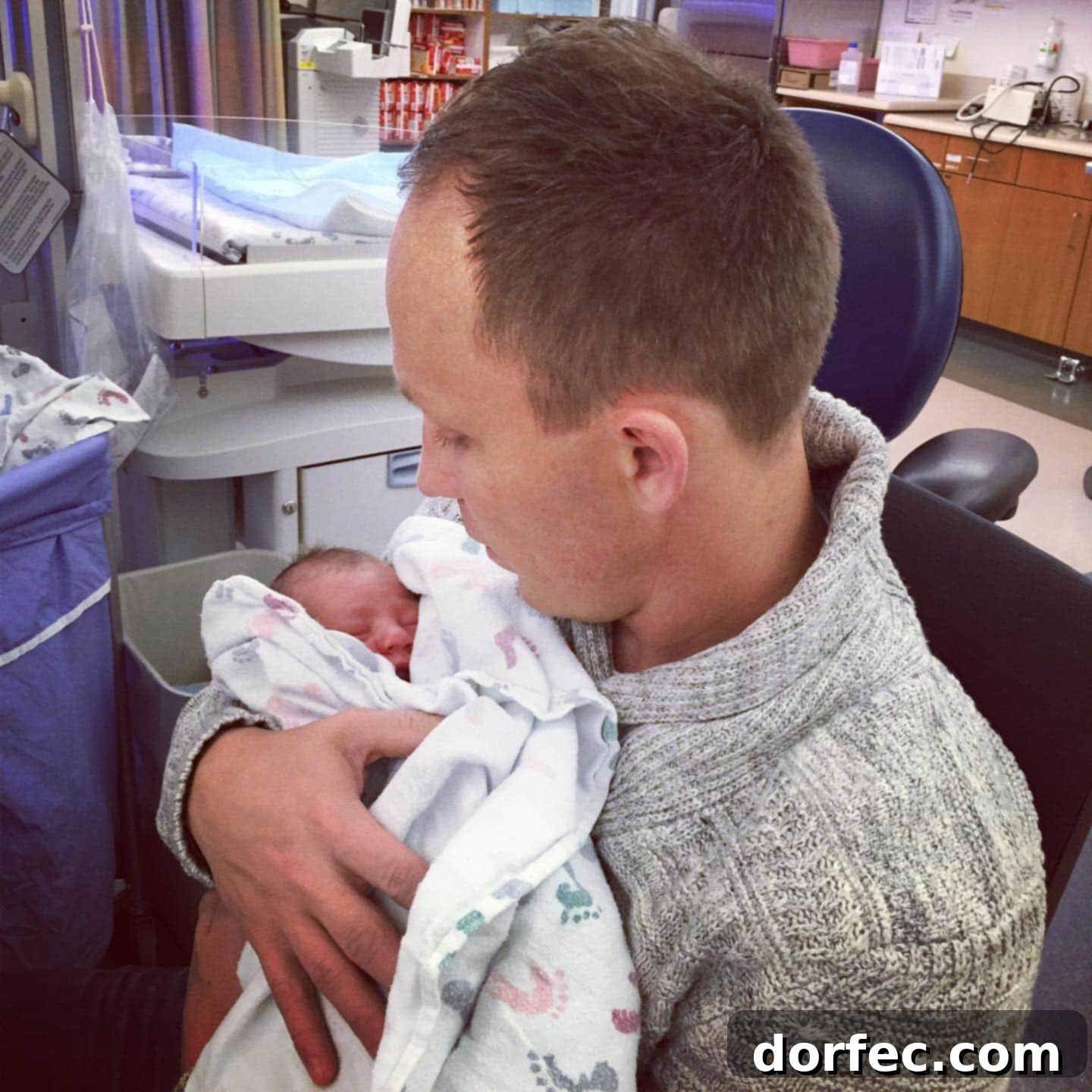
My own journey through intense personal trials has frequently echoed this sentiment. The image I share, of Cade snuggling our new little guy, captures a moment of profound tenderness and peace that came after a period of significant suffering. The description hints at the context: “4 pounds never looked tiny to me. Our girls were 5 pound babies so it wasn’t too different, but when I was finally able to head to the NICU and found Cade snuggling our little guy my heart began racing. #hyperemesisgravidarum”. This brief glimpse into the struggle of hyperemesis gravidarum (HG) during pregnancy and the subsequent NICU stay for a tiny newborn underscores the very real, often excruciating, forms suffering can take.
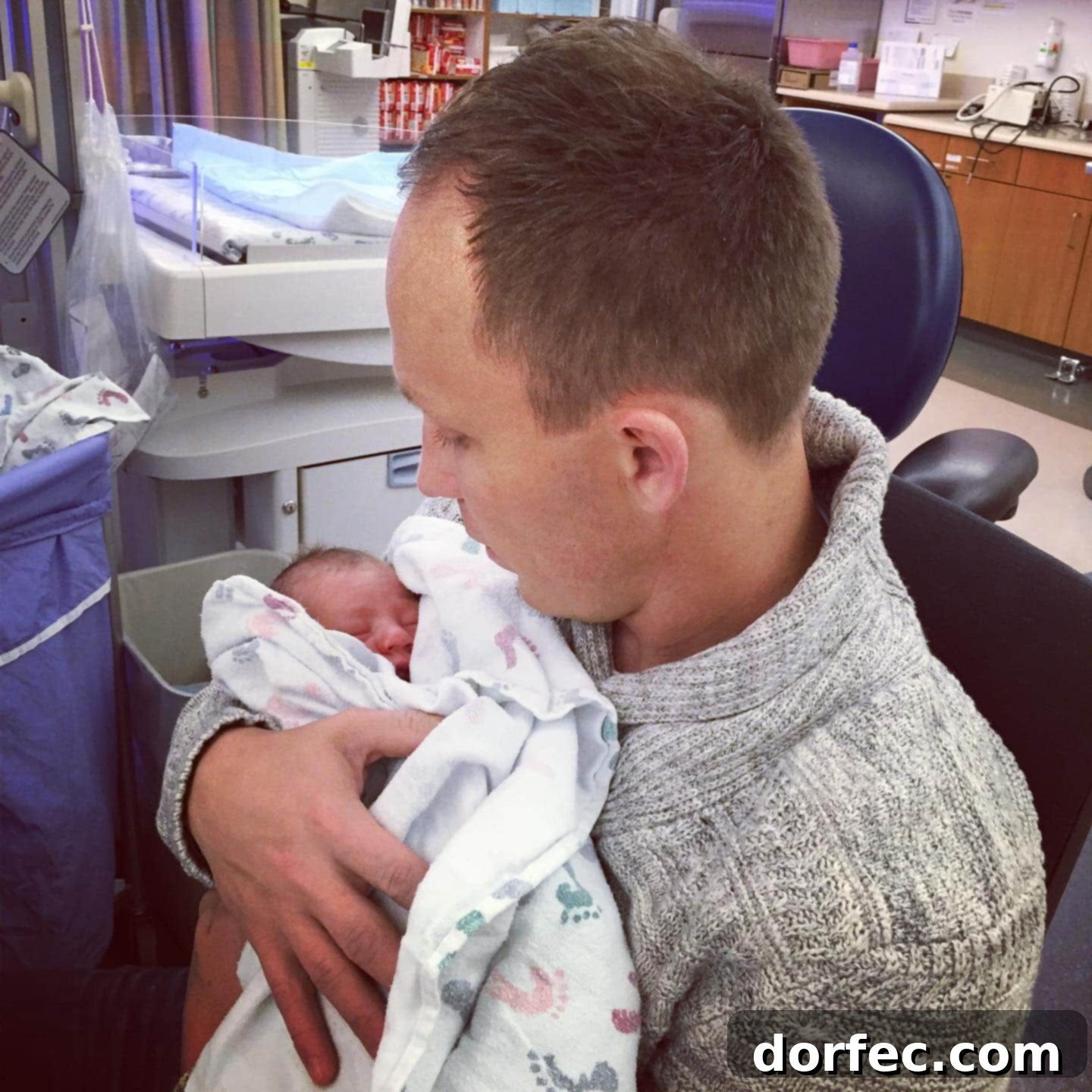
Hyperemesis Gravidarum is far more than morning sickness; it is a relentless, debilitating condition that can involve severe nausea, vomiting, weight loss, and dehydration, often requiring hospitalization and medical intervention. It drains a mother’s physical and emotional reserves, making every day a battle for survival, not just for herself but for the life growing within her. The subsequent NICU stay for a tiny baby, even if born at 4 pounds (which is small but not extremely so, especially for those familiar with 5-pounders), adds another layer of anxiety, fear, and emotional strain. The constant worry, the sterile environment, the separation from one’s child, and the uncertainty of their health create a unique form of parental suffering.
Yet, it is in these moments of profound vulnerability and intense pain that the desire to “BECOME” becomes most acute. One doesn’t just want to survive; one yearns to emerge stronger, more compassionate, more deeply connected to life and love. The image of a partner gently cradling their newborn, a precious life that came into the world amidst such hardship, becomes a powerful symbol. It represents the enduring love, the quiet strength found in partnership, and the immense joy that can blossom even from the most fertile ground of suffering. It is a testament to the belief that even after enduring the physical and emotional crucible of HG and the anxieties of the NICU, the heart can still race with profound love and gratitude, having been refined by the very trials that threatened to break it. This experience, like many others, taught me that the growth derived from choosing transformation over mere escape is infinitely more valuable than a life untouched by challenge.
Cultivating a Mindset of Growth Through Adversity
For those navigating their own storms, cultivating a mindset that embraces suffering as an opportunity for growth is a journey, not a destination. It begins with conscious choice and intentional practice. First, prayer and meditation can be powerful tools to connect with a higher source, seeking divine perspective and strength. Engaging in sacred texts or spiritual teachings can provide wisdom and reassurance, reminding us of the enduring nature of hope and purpose.
Second, self-reflection is crucial. Asking “What can I learn from this?” rather than “Why me?” shifts our focus from victimhood to empowerment. Journaling, mindfulness practices, or seeking counsel from trusted mentors or spiritual advisors can help process emotions and uncover hidden lessons. Third, service to others, even in small ways, can pull us out of our own suffering by focusing on the needs of others. This outward perspective often reveals that our burdens, though heavy, are not unique, and that our experiences can be a source of empathy and support for others. Finally, nurturing a spirit of gratitude, even amidst pain, helps to highlight the blessings that still exist and fosters a more positive outlook. It is through these deliberate practices that we can actively participate in the alchemy of suffering, allowing it to refine us and contribute to our eternal becoming.
Conclusion: The Transformative Journey
In essence, suffering is an unavoidable companion on our earthly sojourn, but it need not be a solely destructive force. As Robert D. Hales so profoundly articulated, its true purpose lies in its capacity to build and strengthen us. When met with faith—a deep trust in a divine plan and the transformative power of the Atonement—suffering can become a crucible of character, a refiner’s fire that purifies our souls and clarifies our purpose. My personal prayer, to “BECOME” through suffering rather than merely be delivered from it, encapsulates this profound truth. It is a testament to the belief that our trials, whether they manifest as debilitating illness, relational anguish, or the anxieties of parenthood, hold within them the seeds of profound personal and spiritual growth. By choosing to embrace our suffering with faith and a desire for transformation, we can navigate life’s inevitable challenges not as passive victims, but as active participants in our own divine unfolding, emerging stronger, wiser, and more compassionate than before.