
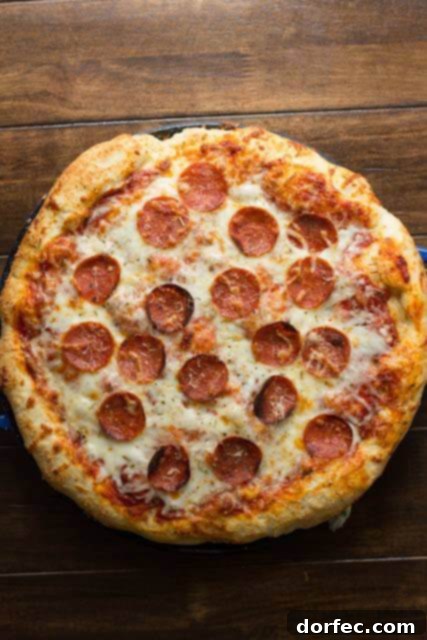
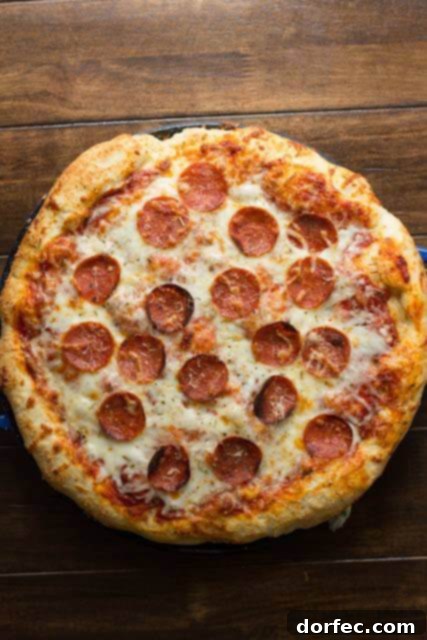
Crafting the Perfect Homemade Pepperoni Pizza: Your Ultimate Guide
Believe it or not, there was a time in my life when pizza and I weren’t friends. It wasn’t until the sixth grade, during our special Friday classroom pizza parties at Harmony Elementary in Vancouver, Washington, that I discovered the magic of pepperoni. The aroma, the anticipation – it was pure elementary school bliss. That experience cemented my love for pepperoni pizza. While I still appreciate the convenience and distinct flavor of a great takeout pizza, a craving often strikes for a homemade version that rivals our favorite delivery. This desire ignited a two-month-long culinary quest, rigorously testing every ingredient and technique to perfect a pepperoni pizza recipe for home cooks.
Our journey wasn’t just about recreating a dish; it was about elevating the homemade pizza experience. We wanted a crust that was both chewy and crispy, a sauce that burst with authentic flavor, cheese that melted into gooey perfection, and pepperoni that cooked just right – slightly crisp around the edges, with a savory kick. What we ultimately developed is a recipe that brings the joy and deliciousness of a classic pepperoni pizza straight to your kitchen, without compromising on quality or flavor. Get ready to embark on your own pizza-making adventure and discover how truly satisfying homemade can be.

Decoding the World of Pizza: Takeout vs. Pizzeria Style
When it comes to pizza, there are two distinct categories that cater to different cravings and occasions. On one hand, you have the beloved **takeout or delivery pizza** – often characterized by its irresistible greasiness, abundant gooey cheese, and a comforting, familiar flavor profile. This is the pizza you reach for on a lazy Friday night, during a casual get-together with friends, or when you simply need a delicious, no-fuss meal to lift your spirits. It’s a classic for a reason, offering instant gratification and a taste of pure comfort.
Then, there’s the **pizzeria or artisan style pizza**, which typically boasts a more refined character. Think authentic Italian or classic New York-style pies, often prepared with higher-quality, fresh ingredients and baked in specialized ovens. These pizzas are celebrated for their nuanced flavors, perfectly charred crusts, and a balance of toppings that highlight each component. While both styles offer unique delights, our quest with this recipe was specifically to capture the essence of that craveable delivery pizza – the one you kick back with on a Saturday night while enjoying a movie. This guide is dedicated to helping you achieve that satisfyingly familiar, yet superior, homemade pepperoni pizza experience.
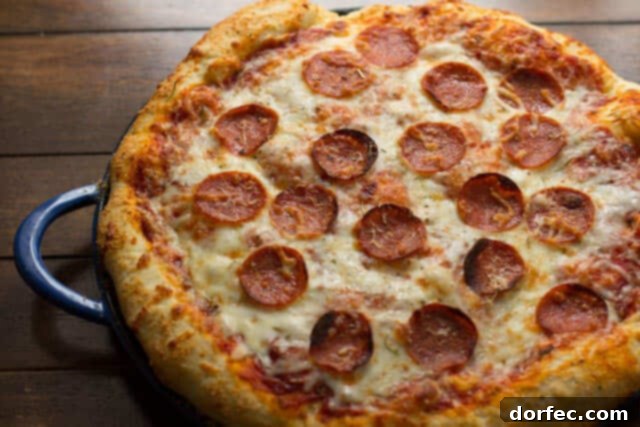
A Family Favorite: Celebrating with Homemade Pepperoni Pizza
Pizza isn’t just food; it’s a centerpiece for celebrations, a catalyst for family memories, and a universal language of comfort. Recently, we had the joy of celebrating our oldest daughter’s seventh birthday, and there was no question about her culinary request: homemade pepperoni pizza! As a true pizza enthusiast, she understands the passion behind crafting the perfect pie, and her enthusiasm fueled our drive to finalize this recipe. Sharing the process of making this delicious pizza with her, from stretching the dough to carefully arranging the toppings, made the experience even more special. It’s a testament to how food, especially something as universally loved as pizza, can bring people together and create lasting bonds.
Creating homemade pizza allows for a personal touch, making it ideal for any family occasion. Whether it’s a birthday, a movie night, or just a simple weeknight dinner, the act of making pizza together becomes a cherished activity. It’s an opportunity for kids to get involved in the kitchen, learning about ingredients and the magic of cooking. Plus, there’s an undeniable satisfaction in seeing their faces light up with each bite of a pizza they helped create. This pepperoni pizza recipe isn’t just about taste; it’s about the warmth, the laughter, and the shared joy that comes from making and enjoying a meal as a family.
Essential Ingredients and Tools for the Perfect Pepperoni Pizza

Our extensive testing involved countless variations of ingredients, different pans, diverse recipes, and a range of oven temperatures. The following selections consistently delivered the best results, transforming our kitchen into a veritable test lab for the ultimate homemade pepperoni pizza.
Flour: The Foundation of a Great Crust
For achieving that ideal crispy-chewy crust reminiscent of a classic takeout pizza, King Arthur All-Purpose Flour emerged as the clear winner. While we experimented with bread flour and a half-and-half blend, the unbleached all-purpose variety provided the perfect balance of structure and tenderness, resulting in a crust that was wonderfully crisp on the outside and satisfyingly chewy within. Its consistent performance ensures a reliable base for your pizza.
Yeast: Ensuring a Perfect Rise
A fluffy, airy crust is paramount, and Red Star Instant Yeast proved to be the most foolproof option. It consistently delivered a robust rise, contributing significantly to the desired chewy texture of the pizza crust. Instant yeast is fantastic for home bakers because it can be mixed directly with dry ingredients, saving time and simplifying the dough-making process.
Pepperoni: The Heart of the Flavor
The pepperoni makes a significant difference. The Margherita Brand Pepperoni stood out for its exceptional flavor and texture. Many other brands tended to be rubbery or excessively greasy after baking. Margherita, however, crisped beautifully around the edges, offering that coveted slight curl and robust, savory taste that defines a great pepperoni pizza. It was a night-and-day difference in our tests. We highly recommend sticking with this brand for superior results.
*Pro Tip for Crispy Pepperoni:* To achieve those perfectly crisped edges and reduce excess grease, try microwaving your pepperoni slices for 15-20 seconds on paper towels before adding them to the pizza. This simple step renders a little fat and primes them for that desired crispy texture in the hot oven.
Cheese: The Gooey Goodness
Choosing the right cheese can be surprisingly tricky. Many mozzarella varieties either didn’t melt well enough or lacked sufficient flavor. While fresh, water-packed mozzarella is fantastic for a Margherita pizza, it’s not quite right for the takeout style we’re aiming for. Our extensive trials found that Galbani Mozzarella Cheese delivered the ideal combination of rich, cheesy flavor and exceptional meltability, creating that signature gooey, stretchy topping everyone loves.
Pizza Pan: The Unsung Hero
The choice of pizza pan might seem minor, but it makes a monumental difference. We experimented with various options, from air-bake sheets and pizza stones to standard pizza pans. None compared to the **Mario Batali Pizza Pan**. This pan excels in heat distribution, retains heat effectively, withstands high temperatures, and consistently helps produce a perfect crust with a crispy bottom and a soft, chewy interior. Beyond performance, it also boasts a lifetime warranty and is remarkably easy to clean, making it a valuable investment for any home pizza maker.
Pizza Dough: The Foundation of Flavor and Texture
We’ve tried countless pizza dough recipes, including many homemade variations. The undeniable truth remains: the dough recipe from Artisan Bread in 5 Minutes a Day consistently yields the best results. Its ease of preparation and the delicious, versatile dough it produces make it our top recommendation for homemade pizza. While we present the ingredients here, we highly encourage exploring their full method for optimal results.
Pizza Sauce: The Flavorful Backbone
After testing numerous jarred sauces, other recipes, and even fresh tomato concoctions, our absolute favorite turned out to be our very own Homemade Pizza Sauce. This simple yet incredibly flavorful sauce provides the perfect tangy and savory counterpoint to the rich cheese and pepperoni, truly elevating the homemade pizza experience. We recommend preparing it ahead of time for the best flavor development.
Pizza Tools: Enhancing Your Pizza-Making Experience
Having the right tools can make the pizza-making process much smoother and more enjoyable. King Arthur Flour offers an excellent pizza tool kit, equipped with everything you need to chop, grate, and slice your way to pizza perfection. Essential tools typically include a pizza peel for easy transfer, a good pizza cutter for clean slices, and a cheese grater. Investing in these can significantly improve your pizza-making efficiency and results.
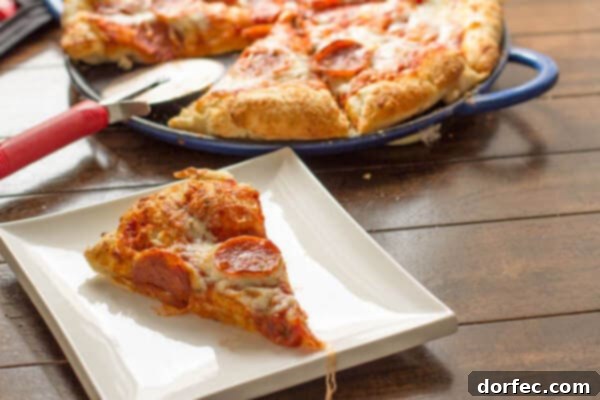
Frequently Asked Questions About Homemade Pizza
Can Pizza Dough Be Made Ahead?
Absolutely! Preparing your pizza dough in advance is a fantastic way to streamline your pizza-making process and can even improve the flavor and texture of your crust. After the initial rise, simply wrap the dough tightly in plastic wrap or place it in a lidded (but not airtight, to allow for a little gas exchange) container. It can be stored in the refrigerator for up to 12 days. When you’re ready to bake, remove the dough from the fridge, allow it to come to room temperature, and let it rise briefly again before rolling it out, topping, and baking. Chilled dough is often easier to handle and can result in a superior crust.
Can Pizza Dough Be Frozen?
Yes, pizza dough freezes beautifully, making it an excellent option for meal prep and spontaneous pizza nights. After the dough has completed its initial rise, divide it into individual portions for each pizza you plan to make. Shape each portion into a ball, then wrap it tightly in plastic wrap, followed by a layer of aluminum foil, or place it in a freezer-safe bag. Frozen pizza dough can be stored for up to three months. To use, transfer the frozen dough to the refrigerator the night before to thaw. Once thawed, let it come to room temperature and rise before proceeding with your recipe.
How Long Will Pepperoni Keep?
Proper storage is key to maintaining the freshness and flavor of your pepperoni. An unopened package of pepperoni can be stored in your pantry at room temperature for up to six weeks, or indefinitely in the refrigerator for extended freshness. Once you’ve opened the package, it’s best to store any unused pepperoni in an airtight container or tightly wrapped in the refrigerator, where it will maintain its quality for approximately three weeks. Always check for any signs of spoilage before use.
Perfect Pepperoni Pizza Recipe
By: Sweet Basil
Prep time: 3 mins
Cook time: 8 mins
Total time: 11 mins
Servings: 12

This recipe brings the authentic taste of Italian or New York-style pizza to your home, focusing on a truly satisfying homemade pepperoni pizza experience.
Ingredients
Pizza Dough (from Artisan Bread in 5)
- 1 ½ Tablespoon Instant Yeast
- 1 ½ Tablespoons Kosher salt
- 1 Tablespoon Sugar
- 1/4 Cup Olive Oil, extra virgin
- 2-3/4 Cups Water, lukewarm
- 6 ½ Cups All-Purpose Flour, unbleached
Pizza Toppings
- 1/2 Cup Pizza Sauce (preferably Homemade Pizza Sauce)
- 2 Cups Mozzarella Cheese, Galbani (shredded)
- 1 Tablespoon Parmesan Cheese, grated
- 1 Package Pepperoni, Margherita Brand (pre-cooked briefly on paper towels if desired for crispier edges)
- 1/2 teaspoon Italian Seasoning
- 1 teaspoon Olive Oil
- 1/2 Tablespoon Butter, melted
- 2 teaspoons Parmesan Cheese, Kraft (for crust)
- 1 teaspoon Garlic Salt, Lawry’s (for crust)
Instructions
Pizza Dough Preparation
- In the bowl of your standing mixer, fitted with the dough hook attachment, combine the yeast, salt, sugar, and olive oil with the lukewarm water. Mix until well combined.
- Slowly add the all-purpose flour without kneading. Mix just until the flour is incorporated and a shaggy dough forms.
- Transfer the dough to a large bowl. Cover loosely (not airtight), and allow it to rest at room temperature until the dough rises and collapses (or flattens on top), which typically takes approximately 2 hours.
- The dough can be used immediately after this initial rise, however, it is often easier to handle when cold and tends to produce a better crust after refrigeration.
- For best results and convenience, refrigerate the dough in a lidded (not airtight) container and use it over the next 12 days. (See notes for extended storage.)
Pizza Assembly & Baking
- Preheat your oven to the highest possible temperature, typically 500°F (260°C) or 550°F (290°C), if your oven allows. Ensure you are not using the broiler setting.
- Place your pizza pan (such as the Mario Batali Pizza Pan) in the oven during the preheating phase to get it extremely hot. This is crucial for a crispy bottom crust.
- Lightly flour your work surface and your hands. Take a portion of the chilled pizza dough (enough for one pizza) and gently stretch it into a large circle. You can do this by holding it up and rotating it, allowing gravity to stretch it, or by gently tossing it. This method helps create a superior crust; however, you may also use a rolling pin if preferred.
- Carefully transfer the stretched pizza dough to a pizza peel lightly dusted with cornmeal or semolina, or onto a piece of parchment paper, which will aid in transferring it to the hot pan.
- Quickly remove the scorching hot pizza pan from the oven and carefully slide the dough onto the pan. Work swiftly to prevent the pan from losing too much heat.
- Working fast, spread a thin, even layer of pizza sauce over the dough, leaving a small border for the crust.
- Generously top with the shredded mozzarella cheese and grated Parmesan cheese. Then, evenly distribute the pre-cooked pepperoni slices over the cheese. Sprinkle with Italian seasoning.
- In a small bowl, combine the 1 teaspoon of olive oil and 1/2 tablespoon of melted butter. Brush this mixture over the exposed crust.
- Sprinkle the crust with 2 teaspoons of Kraft Parmesan cheese and 1 teaspoon of garlic salt for an added burst of flavor and a beautiful golden finish.
- Bake the pizza for 6-8 minutes, or until the crust is golden brown, the cheese is bubbly and lightly browned, and the pepperoni is crispy.
- Carefully remove the pizza from the oven and allow it to cool for 2 minutes before slicing and serving.
- Enjoy your perfect homemade pepperoni pizza!
Recipe Notes
While the dough can be used after resting for two hours at room temperature, we strongly recommend refrigerating it for at least a few hours, or ideally overnight. Chilled dough is significantly easier to handle and consistently produces a superior, more flavorful, and crispier crust.
This pizza dough recipe is incredibly versatile and can be stored in a lidded container in the refrigerator for up to two weeks, making it perfect for spontaneous pizza nights.
Nutrition Information (Approximate per serving)
Serving: 1g
Calories: 418kcal
Carbohydrates: 54g
Protein: 14g
Fat: 16g
Saturated Fat: 5g
Cholesterol: 29mg
Sodium: 1459mg
Potassium: 158mg
Fiber: 2g
Sugar: 2g
Vitamin A: 185IU
Vitamin C: 1mg
Calcium: 117mg
Iron: 4mg
Nutrition information is automatically calculated and should only be used as an approximation.
Like this recipe? Leave a comment below!
More Delicious Recipes to Complement Your Pizza Night
No pizza night is complete without a few delicious companions! Explore these fantastic recipes that pair perfectly with your homemade pepperoni pizza or offer delightful variations for your next meal.
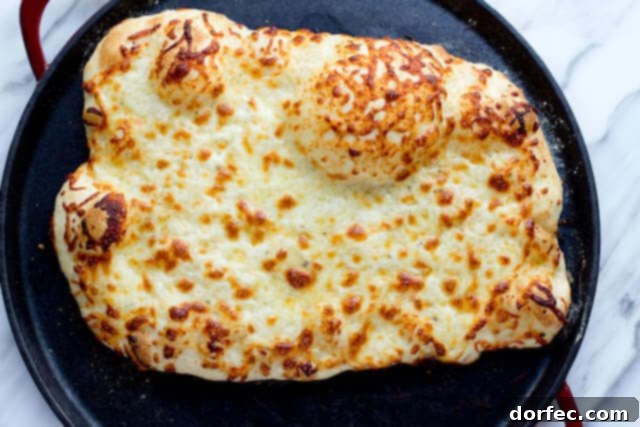
Garlic Cheesy Bread: The Ultimate Side Dish
Our Garlic Cheesy Bread is the perfect savory accompaniment to any pizza. Soft, garlicky, and loaded with melted cheese, it’s an irresistible appetizer or side that will have everyone reaching for more. This simple recipe comes together quickly and adds another layer of comfort to your meal.
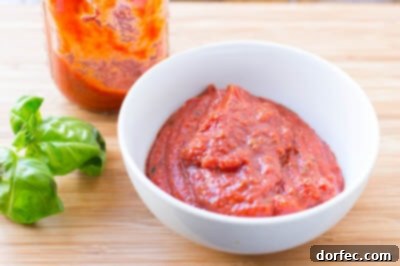
Perfect Homemade Pizza Sauce: The Secret Weapon
Elevate your homemade pizza game with our Perfect Homemade Pizza Sauce. This quick and easy recipe boasts a secret ingredient that truly takes it over the top, delivering a rich, vibrant flavor that store-bought sauces simply can’t match. It’s a must-try for any pizza enthusiast.
All American Pizza by Barbara Bakes: A Classic Reinvented
For another delicious pizza option, check out Barbara Bakes’ All American Pizza. This recipe offers a delightful twist on a classic, perfect for those who love traditional flavors with a homemade touch. It’s a great way to expand your pizza repertoire beyond pepperoni.