
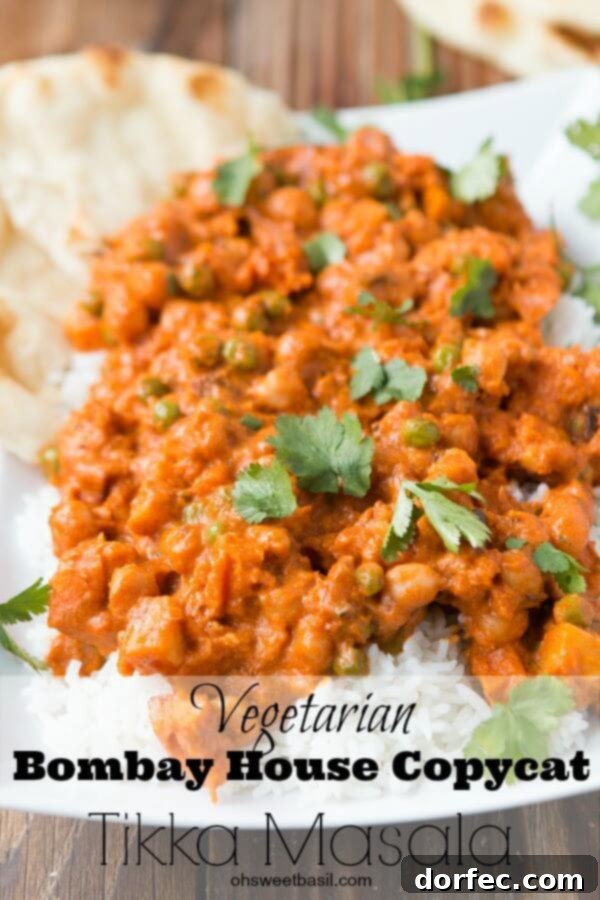
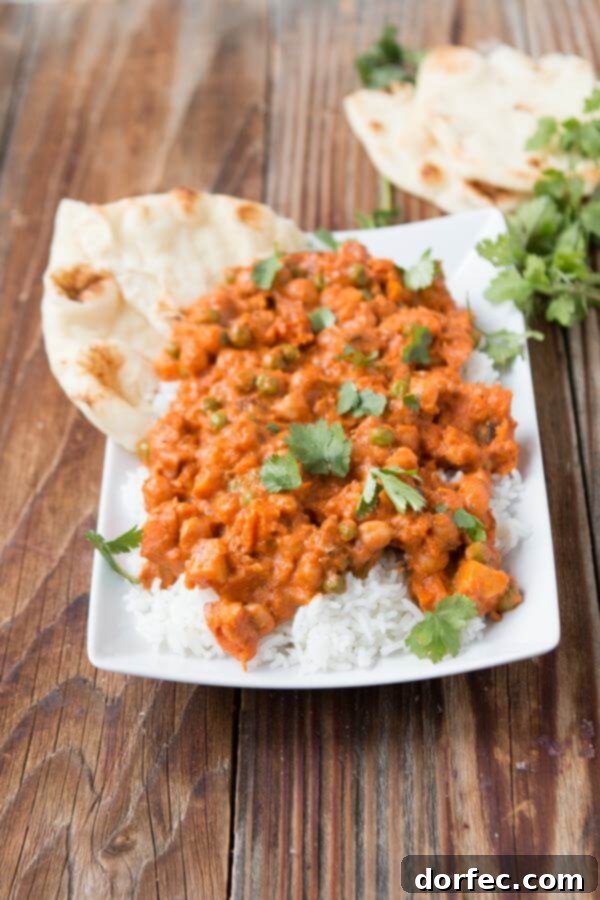
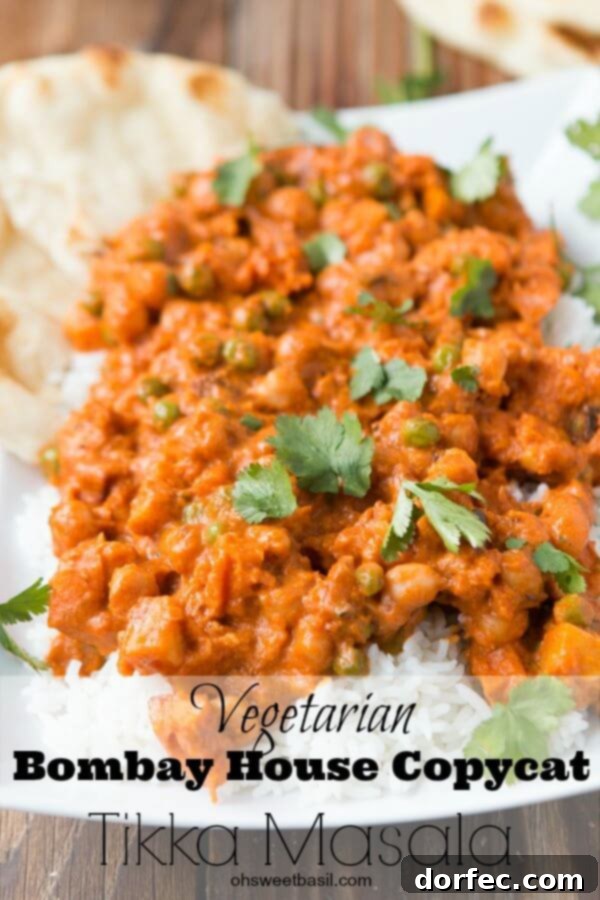
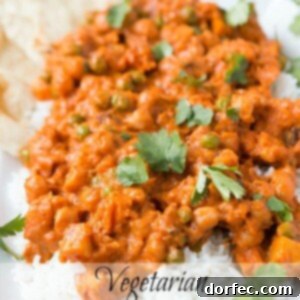
Welcome to your new favorite weeknight dinner: a remarkably authentic and incredibly delicious Vegetarian Bombay House Tikka Masala Copycat Recipe. If you’ve ever savored the rich, creamy, and perfectly spiced flavors of Indian cuisine at a restaurant, you know there’s a certain magic to it. Our version brings that magic right into your kitchen, making it surprisingly easy to achieve a restaurant-quality meal with just a handful of aromatic spices and fresh ingredients. This dish is not only a delight for your taste buds but also a comforting, wholesome meal that will quickly become a cherished part of your culinary repertoire.
My journey to crafting this perfect vegetarian Tikka Masala began with a memorable meal at Bombay House in Provo. As someone who’s generally quite sensitive to spicy foods, I approached Indian cuisine with a bit of trepidation. However, my friends assured me I would find something to love, and they were absolutely right. That evening, I discovered a profound appreciation for the depth of flavor in their chicken Tikka Masala – a dish that was creamy, tangy, and exquisitely spiced without being overwhelmingly hot. And the naan! Oh, that warm, pillowy naan was a revelation. From that day on, I found myself constantly craving those distinctive flavors, even though our original meal featured chicken. The challenge was clear: I had to find a way to replicate that experience at home, specifically in a vegetarian format, so my wonderful friend Lisa, who introduced us to Bombay House, could also enjoy it.
Recreating beloved restaurant dishes at home is a passion of mine, much like my quest to perfect the best buttermilk pancake recipe (a huge thank you to everyone who loves them as much as we do!). But my initial attempts at homemade Tikka Masala were, to put it mildly, a struggle. It was a cycle of “good, but not quite right” and, occasionally, outright disasters that left us scrambling for fruit and toast for dinner. Each failure taught me something new about the delicate balance of Indian spices and the importance of technique, but the authentic Bombay House flavor remained elusive.
Then, one evening, a casual conversation with a friend changed everything. She mentioned she had cracked the code for a Bombay House copycat recipe that her family adored. My ears perked up immediately. Someone else had already navigated this culinary labyrinth? To my relief and excitement, she pointed me to a fantastic recipe from Mattawa Mum. I wasted no time asking her to send me the link, and you can even repin it HERE. This recipe proved to be the perfect foundation. With a few thoughtful adjustments to better suit our family’s preferences and, of course, a switch to vegetarian ingredients, I finally created a Tikka Masala that captured the essence of Bombay House. The flavors are so rich and satisfying, I can’t wait to try adapting it back with chicken for those who prefer it!
This vegetarian rendition of Tikka Masala is a testament to the power of flavor and the joy of sharing delicious food. It’s comforting, fragrant, and packed with nutrients. Whether you’re a seasoned chef or a home cook looking to explore new cuisines, this recipe offers a rewarding experience. The vibrant colors, intoxicating aromas, and complex yet harmonious taste make it a perfect centerpiece for any meal. And if you’re exploring more Indian-inspired dishes, don’t miss our easy coconut chicken curry recipe, which is equally delightful.
What is Masala? Unraveling the Heart of Indian Cuisine
The term “Masala” is a cornerstone of Indian cooking, referring to a blend of ground spices used extensively across various regional cuisines. It’s not a single spice, but rather a harmonious combination designed to create complex layers of flavor. Masalas can be wet (paste-like, using fresh ingredients like ginger, garlic, and chilies) or dry (powdered, made from roasted and ground whole spices). Common spices found in dry masalas include coriander, cumin, cardamom, cloves, cinnamon, and black pepper. The specific blend and proportions vary widely by dish and region, with each masala offering a unique aromatic profile. In our Vegetarian Bombay House Tikka Masala, we use a carefully selected blend of spices, including Garam Masala, to achieve that signature restaurant taste.
Sweet Potatoes vs. White Sweet Potatoes: Subtle Differences for a Perfect Dish
While often used interchangeably in many recipes, orange and white sweet potatoes do possess subtle differences in flavor and texture that can enhance a dish. Orange sweet potatoes, commonly known as yams in the U.S., are typically sweeter, with a moist, fluffy texture when cooked. Their vibrant color also adds visual appeal to the dish. White sweet potatoes, on the other hand, tend to be slightly less sweet, offering a firmer, more starchy texture that holds its shape well after cooking. By combining both varieties in our Tikka Masala, we achieve a delightful balance of sweetness and texture. The orange sweet potatoes contribute to the creamy, slightly sweet base, while the white sweet potatoes provide a satisfying bite and heartiness, ensuring the dish is both comforting and interesting with every spoonful. Both absorb the rich flavors of the masala beautifully, making them excellent choices for this vegetarian curry.
Mastering Sticky Rice: The Perfect Accompaniment
Sticky rice, also known as glutinous rice or sweet rice, is a staple in many Asian cuisines and makes a wonderful accompaniment to our Vegetarian Bombay House Tikka Masala. Its unique texture, which is soft, chewy, and indeed sticky, is ideal for soaking up the rich, creamy sauce of the curry. To achieve the perfect sticky consistency, it’s crucial to use the right type of rice: **long-grain Thai sticky rice** (or Thai glutinous rice) is highly recommended. The cooking method is equally important; sticky rice should always be steamed, not boiled. Boiling washes away the starches that give it its distinctive texture. Steaming allows the grains to absorb moisture evenly while retaining their integrity, resulting in perfectly tender and cohesive rice that complements the bold flavors of the Tikka Masala beautifully. Serve it hot, and watch as it effortlessly soaks up every drop of that delicious sauce.
Vegetarian Bombay House Tikka Masala Copycat
Vegetarian Bombay House Tikka Masala Copycat
25
25
50
4 -6 servings
Ingredients
- 1 Tablespoon Olive Oil
- 2 Sweet Potatoes, peeled and chopped
- 1 White Sweet Potato, peeled and chopped
- Kosher Salt
- Pepper
- 1 Can Chickpeas, Garbanzo Beans, drained and rinsed
- 1 Cup Sweet Peas
Sauce
- 1 1/2 Tablespoons Butter
- 3 Cloves Garlic, minced
- 1 Jalapeno, seeded and minced
- 2 teaspoons Ground Coriander
- 1 teaspoon Cumin
- 1 teaspoon Garam Masala
- 1 teaspoon Smoked Paprika
- 1/4 teaspoon Ground Ginger
- 1/4 teaspoon Kosher Salt
- 1 Can Tomato Sauce, 14.5 ounce
- 1/2 Cup Canned Coconut Milk
- 3/4 Cup Heavy Cream
- 1/4 Cup Cilantro, chopped
Instructions
-
Heat the oven to 425 degrees F (220 C).
-
Pour the olive oil over a baking sheet and toss the sweet potatoes to coat evenly.1 Tablespoon Olive Oil,
2 Sweet Potatoes,
1 White Sweet Potato -
Season generously with a few pinches of kosher salt and freshly ground pepper.Kosher Salt,
Pepper -
Roast for 15-25 minutes, making sure to toss them halfway through, until the potatoes are tender and golden brown.
-
Ensure the potatoes are slightly dried and caramelized, not soggy.
-
During the last 5 minutes of roasting, add the drained and rinsed chickpeas to the baking sheet to heat them through.1 Can Chickpeas
-
Once roasted, set the sweet potatoes and chickpeas aside.
-
Meanwhile, in a large skillet with high sides over medium heat, melt the butter. Add the minced garlic and seeded and minced jalapeno.1 1/2 Tablespoons Butter,
3 Cloves Garlic,
1 Jalapeno -
Stir for about 30 seconds until fragrant, then add all the prepared seasonings: ground coriander, cumin, garam masala, smoked paprika, ground ginger, and kosher salt. Preparing these in a small bowl beforehand allows for easy addition.2 teaspoons Ground Coriander,
1 teaspoon Cumin,
1 teaspoon Garam Masala,
1 teaspoon Smoked Paprika,
1/4 teaspoon Ground Ginger,
1/4 teaspoon Kosher Salt -
Cook the spices for an additional 30-60 seconds, stirring constantly, until they become intensely fragrant. This process, known as “blooming” the spices, deepens their flavor.
-
Add the tomato sauce to the skillet and bring to a simmer. Cook for 10-15 minutes, allowing the sauce to thicken and the flavors to meld.1 Can Tomato Sauce
-
Stir in the canned coconut milk and heavy cream.1/2 Cup Canned Coconut Milk,
3/4 Cup Heavy Cream -
Whisk the sauce well to combine thoroughly and simmer for another 5 minutes. Then, add the roasted sweet potatoes, chickpeas, and sweet peas, cooking for an additional 10 minutes to allow all ingredients to warm through and absorb the delicious sauce.1 Cup Sweet Peas
-
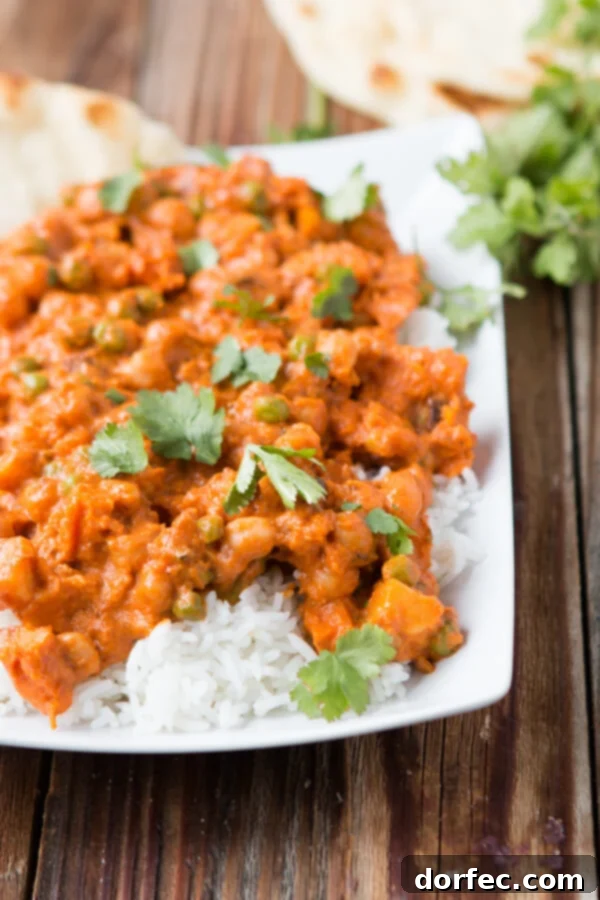
Serve your Vegetarian Bombay House Tikka Masala hot over fluffy white rice, generously garnished with fresh cilantro. Naan bread makes a wonderful addition for scooping up every last drop of the rich curry.1/4 Cup Cilantro
Recipe Notes
Nutrition
Serving: 1g
,
Calories: 382kcal
,
Carbohydrates: 39.2g
,
Protein: 9.5g
,
Cholesterol: 48.4mg
,
Fiber: 9.4g
,
Sugar: 10.4g
Nutrition information is automatically calculated, so should only be used as an approximation.
Like this? Leave a comment below!
More Delicious Copycat Recipes You’ll Love

Chili’s Copycat Molten Lava Cakes

Copycat Peanut Butter M&M Kudos

Pizza Factory Pudding Cookies Copycat

Cheesecake Factory Lemon Chicken Copycat