
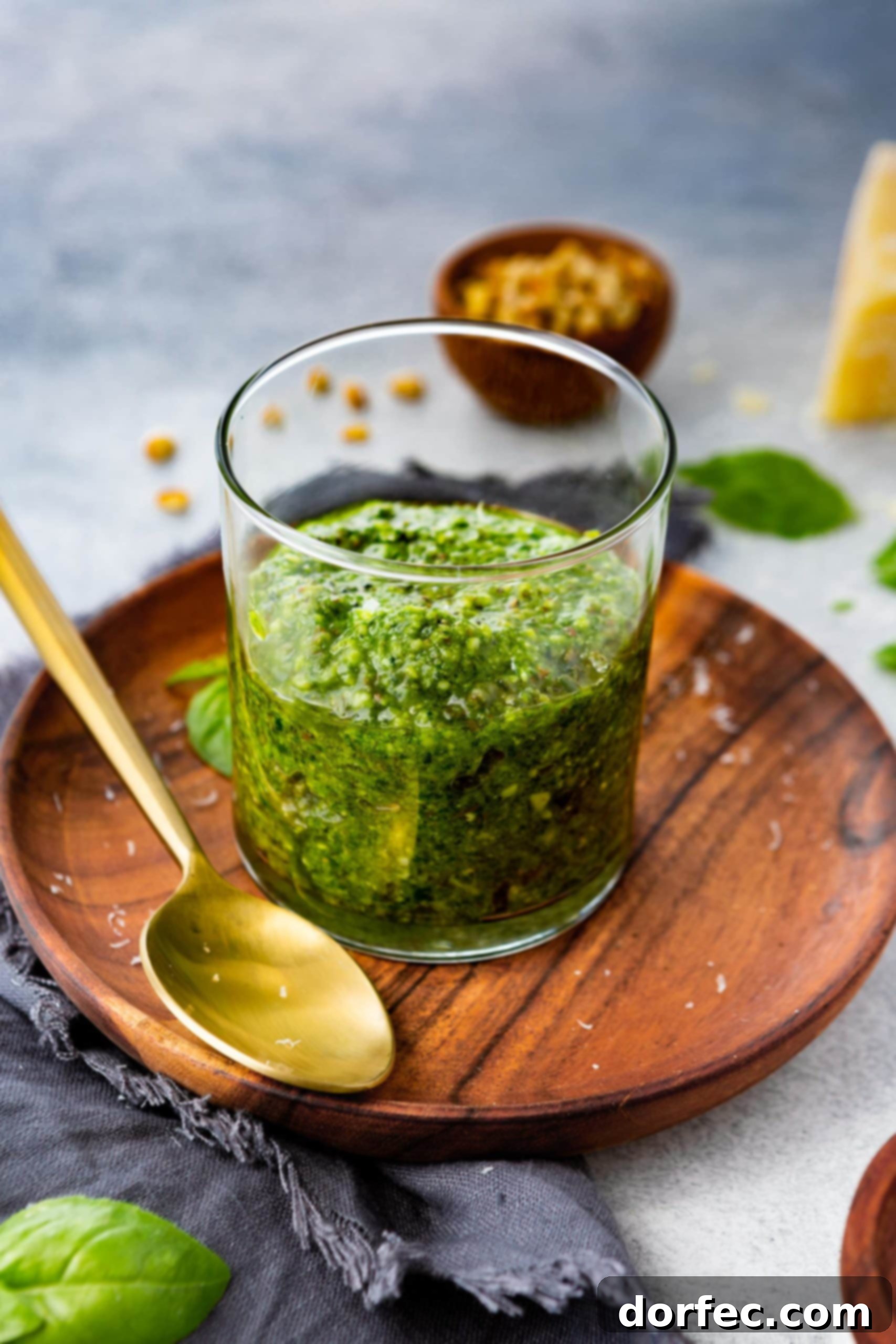
Welcome to the ultimate guide for crafting the most delicious **homemade pesto sauce** you’ll ever taste! If you’ve been relying on store-bought versions or have yet to experience the fresh, vibrant flavor of **classic basil pesto**, prepare to have your culinary world transformed. This post delves into everything you need to know: from selecting the finest ingredients and mastering the simple preparation steps to innovative storage techniques and creative uses for this versatile green gold.
Pesto is more than just a sauce; it’s an emblem of summer, a celebration of garden-fresh basil, and a testament to simple, exquisite flavors. Imagine a rich, aromatic blend of bright basil, sharp Parmesan, nutty pine nuts, pungent garlic, and smooth olive oil – a combination that elevates any dish it touches. We often find ourselves with an abundance of basil during the warmer months, and making homemade pesto is, without a doubt, one of the most delightful ways to utilize every fragrant leaf. It’s truly a perfect **summer recipe** that allows you to capture the essence of the season in a jar.
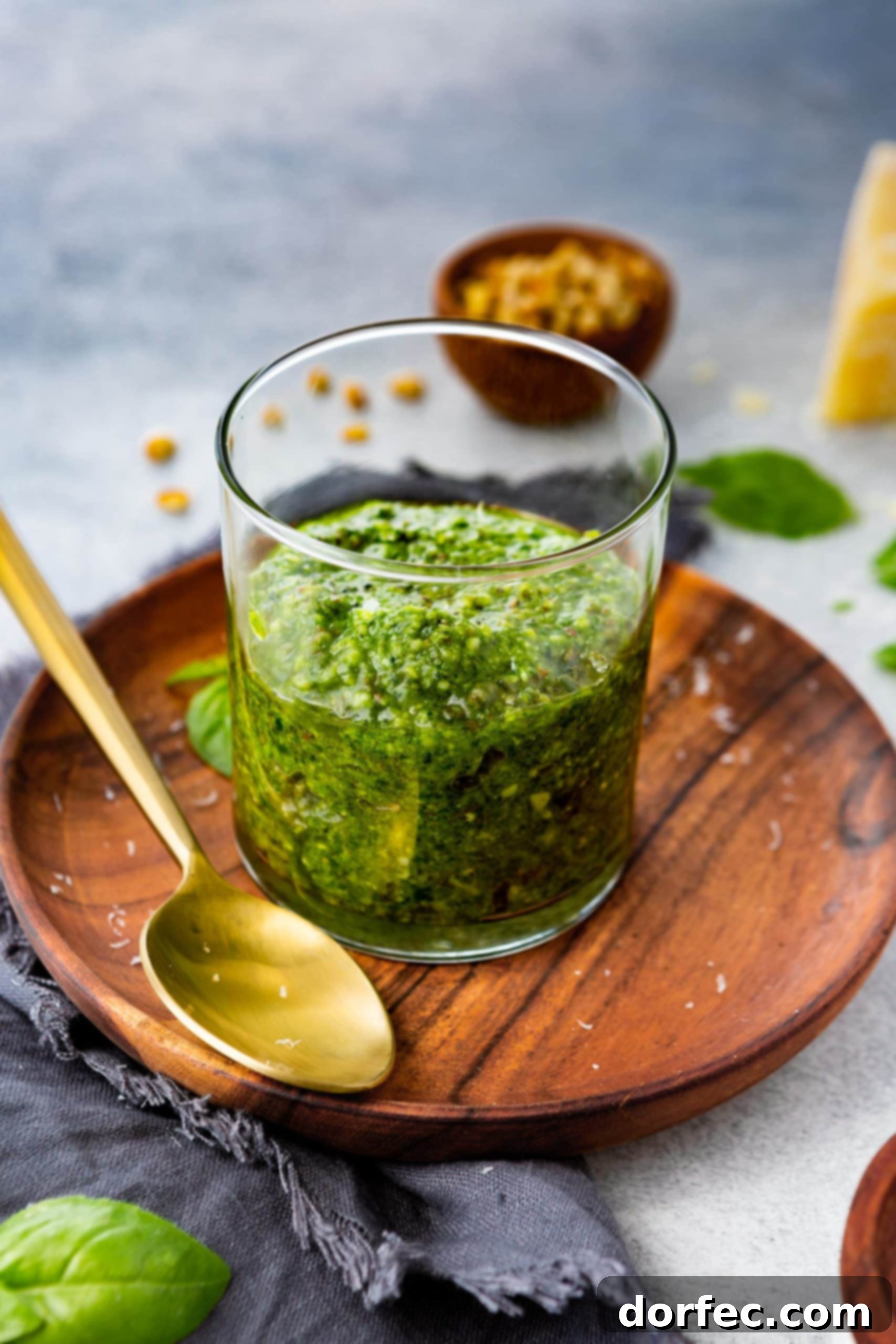
Crafting the Perfect Homemade Basil Pesto Sauce
My journey with pesto began surprisingly late, in college. Before then, its existence was a mystery, but one bite changed everything. It was a simple pesto pasta dish, but the flavor profile was utterly captivating: a delightful balance of nutty, cheesy, and incredibly fresh notes. I remember thinking, “Where has this been all my life?” That first encounter ignited a passion, and since then, pesto has become a beloved staple in our kitchen. It’s the kind of condiment that makes you want to eat just a little (or a lot) more than you probably should!
While there are many wonderful ways to enjoy pesto, from quick pesto pasta dishes to savory grilled cheese sandwiches and creamy pesto chicken pizzas, this particular recipe stands out as our absolute favorite for a **classic pesto recipe**. It’s remarkably straightforward to prepare, bringing authentic Italian flavors right to your home. The real secret to extending your enjoyment of this fresh sauce lies in proper storage, which we’ll cover in detail after we walk through the incredibly easy steps to make it.
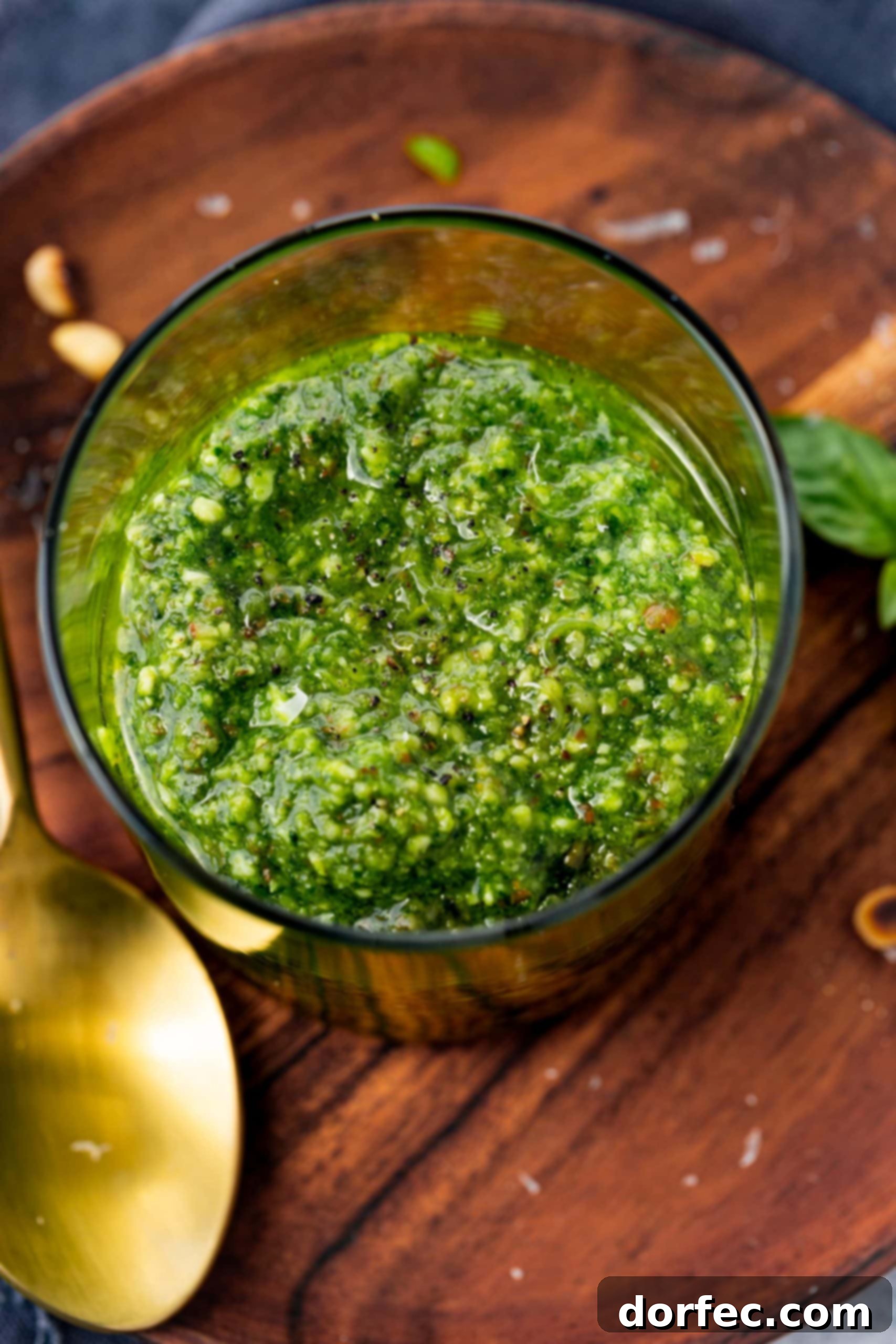
Essential Ingredients for Authentic Basil Pesto
The beauty of this pesto recipe lies in its simplicity and the minimal number of high-quality ingredients it requires. Each component plays a crucial role in creating that signature vibrant flavor and perfect texture. Here’s a breakdown of what you’ll need for this delicious **homemade pesto sauce**:
- Fresh Basil: This is the star of the show. Choose bright green, unblemished leaves for the most intense and aromatic flavor. The fresher the basil, the more vibrant your pesto will be.
- Garlic Cloves: Essential for that signature pungent kick. We’ll use unpeeled cloves for a unique toasting method that mellows their bite and adds depth.
- Pine Nuts: These provide a subtle, buttery texture and a distinct nutty flavor. Toasting them beforehand enhances their aroma significantly.
- Note: If pine nuts are unavailable or you prefer an alternative, walnuts, almonds, or cashews are excellent substitutes, each offering a slightly different nuance to the final taste.
- Extra Virgin Olive Oil: A good quality extra virgin olive oil is crucial. It binds the ingredients, emulsifies the sauce, and contributes its own fruity, sometimes peppery, notes. Its rich flavor is irreplaceable.
- Grated Parmesan Cheese: Provides a salty, umami-rich depth that balances the freshness of the basil. Freshly grated Parmesan makes a noticeable difference in flavor and texture compared to pre-grated options.
- Note: For an even bolder, tangier flavor, Pecorino Romano cheese is an excellent substitute for Parmesan.
- Salt: To taste, enhancing all the other flavors.
You’ll find the precise measurements for each of these ingredients in the detailed recipe card further down this page.
Step-by-Step Guide: How to Make Pesto Sauce
Making **homemade pesto** is surprisingly quick and rewarding. Follow these simple steps to create a batch of vibrant, flavorful sauce:
- Prepare the Aromatics: Begin by heating a dry skillet over medium heat. Add both the whole, unpeeled garlic cloves and the pine nuts to the pan. Toast them gently, shaking the pan occasionally, until the pine nuts turn a lovely golden brown and become fragrant. This typically takes just a few minutes. Toasting awakens their natural oils, intensifying their nutty flavor.
- Garlic Perfection: Once the pine nuts are golden, remove them from the skillet to a plate to cool. Allow the garlic cloves to continue toasting in the pan for a bit longer, until their skins are slightly charred and the cloves themselves turn soft and golden. A fantastic bonus of this method is that the garlic will effortlessly slip out of its skin once cooled, leaving you with perfectly mellow, toasted cloves.
- Cool Down: It’s crucial to let both the toasted pine nuts and garlic cool completely before proceeding. This step helps maintain the basil’s vibrant green color during blending and prevents the olive oil from becoming bitter.
- Blend to Perfection: Transfer the fresh basil, cooled pine nuts, peeled toasted garlic, and about a quarter cup of extra virgin olive oil into the bowl of a food processor or a high-speed blender. Pulse the mixture until it reaches a smooth, yet still slightly grainy consistency. Avoid over-processing, as you want some texture, not a completely liquid sauce.
- Incorporate Cheese and Season: Transfer the blended basil mixture to a separate bowl. Stir in the grated Parmesan cheese. This prevents the cheese from being overworked and ensures its texture and flavor are distinct. Finally, add salt to taste, adjusting until the flavors sing.
Yes, making this **classic pesto recipe** is truly that easy! While using a food processor is undeniably convenient, for those who appreciate tradition and a truly rustic texture, a mortar and pestle can be employed. It requires a bit more effort but yields a wonderfully textured pesto with a unique charm.
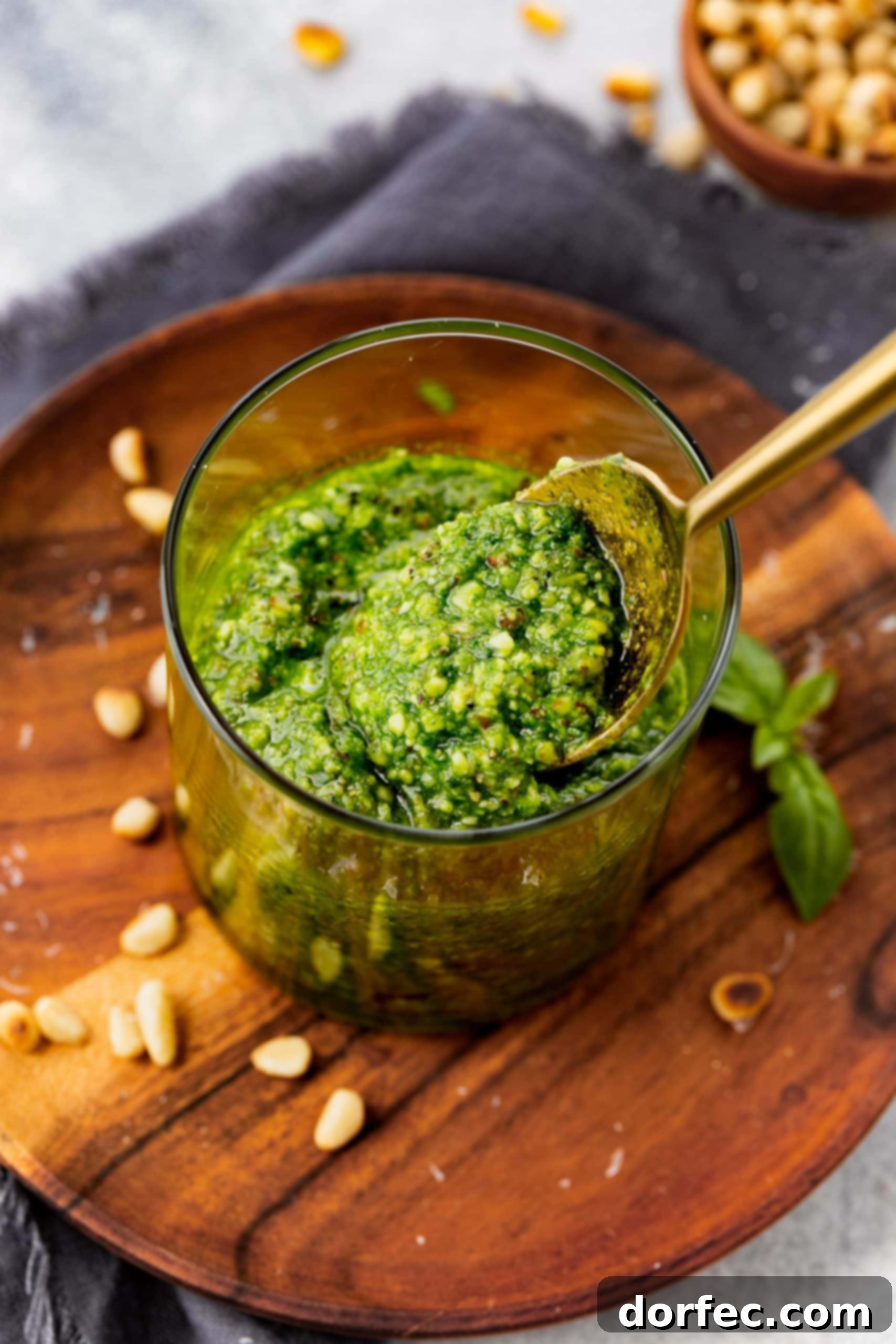
Mastering Pesto Storage: Keeping Your Sauce Fresh and Green
One of the keys to enjoying your **homemade pesto** long after you’ve made it is knowing how to store it correctly. Pesto’s delicate ingredients, especially basil, can quickly oxidize and lose their vibrant color and flavor. Here are several effective methods to ensure your pesto remains delicious and green:
Storing Pesto in a Jar (Refrigerator)
This is a common and effective method for short-term storage. After making your pesto, transfer it to a clean glass jar, filling it almost to the very top. Gently tap the jar on the counter to remove any air pockets. The crucial step here is to drizzle a thin, protective layer of extra virgin olive oil over the surface of the pesto. This creates an airtight seal that prevents oxidation, helping to keep your pesto a beautiful green. Seal the jar tightly and store it in the refrigerator. With this method, your pesto can remain fresh for up to two to three weeks, provided you replenish the olive oil layer each time you use some of the sauce.
Storing Pesto in a Vacuum Bag (Freezer)
For longer-term preservation, vacuum sealing is an excellent choice. Using a food vacuum sealer allows you to remove all air, which is the primary enemy of fresh pesto. Simply spoon your pesto into a vacuum-sealable bag, ensuring there’s enough space at the top to seal. Remove the air and seal the bag according to your device’s instructions. Frozen in a vacuum bag, pesto can last for up to 9 months, retaining much of its fresh flavor and color. When you’re ready to use it, simply transfer the bag to the refrigerator to defrost overnight, then use as desired.
Freezing Pesto in Ice Cube Trays (Freezer)
This method is fantastic for portion control and convenience. Spoon your freshly made pesto into standard ice cube trays. You can lightly press plastic wrap over the top to minimize air exposure. Freeze the trays until the pesto cubes are completely solid. Once frozen, pop the cubes out and transfer them to an airtight freezer bag or container. These individual servings are perfect for quickly adding a burst of flavor to single dishes. Frozen pesto cubes can last for 6-9 months. When needed, simply drop a cube or two directly into hot pasta, soup, or a sauté pan to melt and incorporate.
Regardless of the method chosen, **homemade basil pesto sauce freezes incredibly well**, making it ideal for meal prep and enjoying the taste of summer all year round.
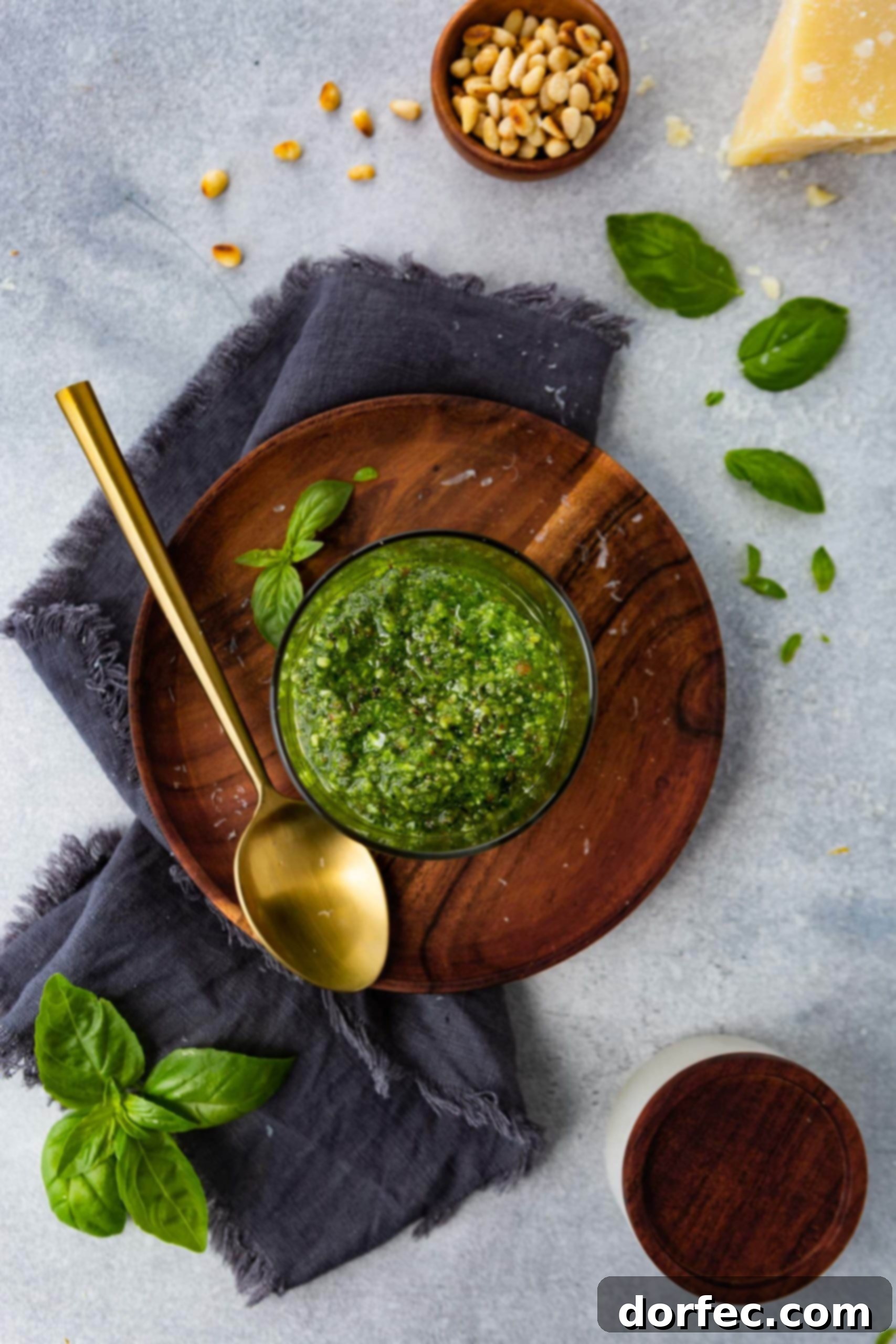
Our Favorite Pesto Uses: Beyond Pasta
The versatility of pesto is truly remarkable, extending far beyond its traditional pairing with pasta. Once you have a jar of **homemade pesto sauce** handy in your fridge or freezer, you’ll find countless ways to infuse its bright, herbaceous flavor into almost any meal. Here are some of our absolute favorite and most creative **pesto uses**:
- Pesto Pasta Dishes: The classic choice! Toss it with your favorite pasta, adding a splash of pasta water for a creamy consistency. Try our 20-Minute Cheesy Pesto Pasta or 15-Minute Pesto Pasta.
- Pesto Pizza: Spread a thin layer as a base sauce, or dollop it over a traditional tomato base. Our Pesto Pepperoni and Sausage Grilled Pizza is a crowd-pleaser.
- Gourmet Grilled Cheese: Elevate a simple grilled cheese by spreading pesto on the inside, or even mixing it with butter for an extraordinary crust. Don’t miss the Sun Dried Tomato, Bacon, & Pesto Grilled Cheese.
- Roasted or Grilled Vegetables: Drizzle pesto over roasted potatoes, asparagus, zucchini, or bell peppers for an instant flavor boost. Try 15-Minute Grilled Veggies with Pesto or Pesto Veggie Foil Packs.
- Eggs: A dollop on scrambled eggs, an omelet, or even deviled eggs adds a delightful freshness.
- Sandwiches and Wraps: Use it as a spread instead of mayonnaise or mustard for an herbaceous kick.
- Chicken and Fish: Pesto makes an excellent marinade or topping for grilled or baked chicken breasts, salmon, or cod.
- Soups and Stews: Stir a spoonful into a vegetable soup or minestrone right before serving for added depth.
- Salad Dressings: Whisk pesto with a little extra olive oil, vinegar, or lemon juice to create a vibrant dressing.
- Dips and Spreads: Mix with cream cheese for a bagel spread, or blend with Greek yogurt for a healthy vegetable dip.
- Pesto Tarts: A quick and impressive appetizer, like our Cheesy Pesto Tarts.
The possibilities are truly endless! Let your creativity guide you in discovering new and exciting ways to incorporate this incredible sauce into your culinary repertoire.
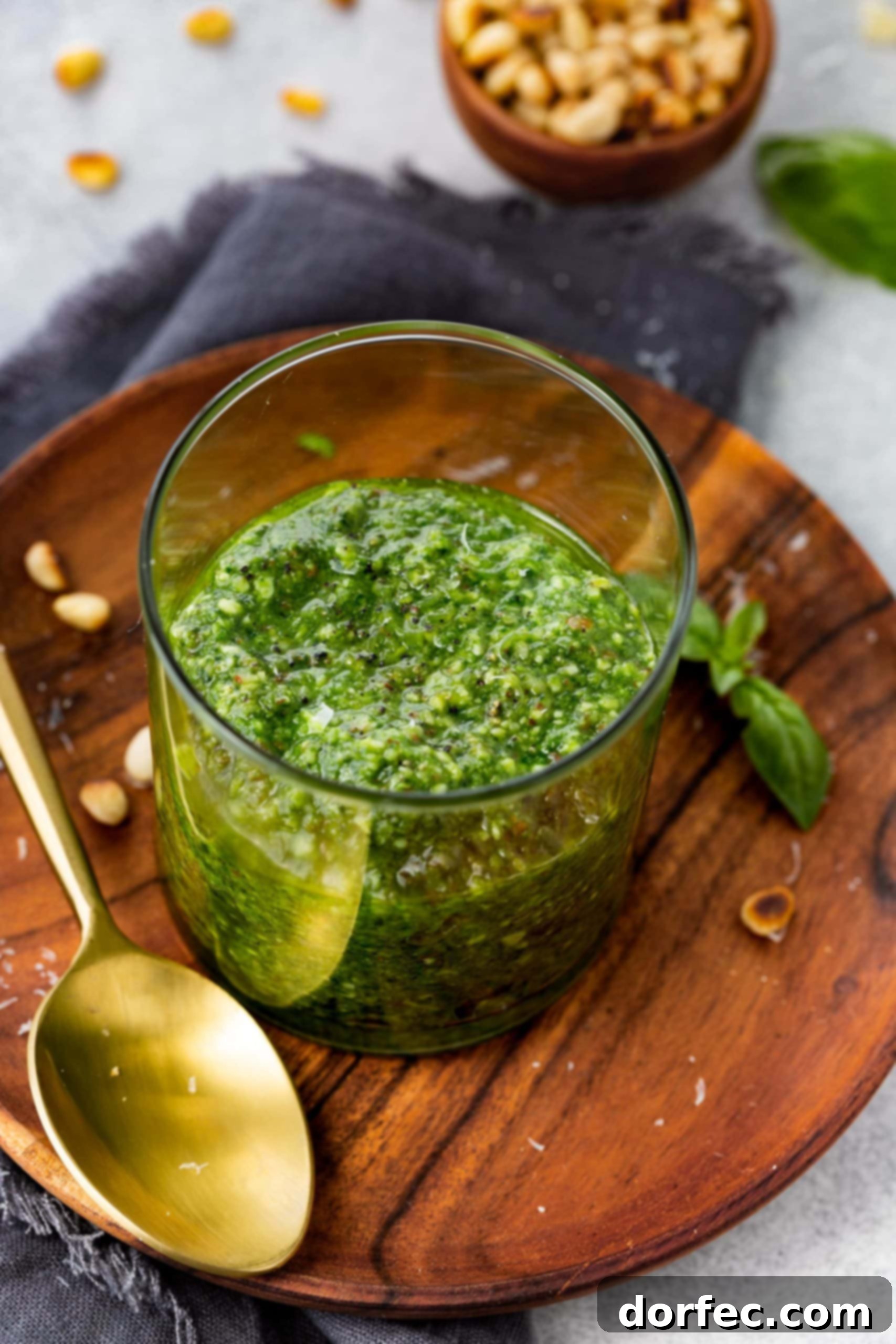
Expert Tips for the Best Pesto Sauce Every Time
While making pesto is simple, a few expert tips can elevate your **pesto sauce** from good to absolutely phenomenal, ensuring a vibrant green color and maximum flavor:
- Chill Your Food Processor: Before adding your ingredients, try placing a few ice cubes in your food processor and pulsing them for about 15-30 seconds. Discard the ice and dry the bowl thoroughly. This cools the machine, helping to prevent the basil from oxidizing and turning brown due to the heat generated by the blades.
- Prioritize Quality Ingredients: Because this **easy pesto recipe** uses so few components, the quality of each ingredient significantly impacts the final taste. Invest in the freshest basil, high-quality extra virgin olive oil, and genuine Parmesan cheese. The difference will be palpable.
- Freshly Grated Cheese is Key: Always opt for freshly grated Parmesan (or Pecorino Romano) rather than pre-grated varieties. Freshly grated cheese has a superior flavor and texture, melting beautifully into the pesto rather than clumping.
- Toast Your Nuts and Garlic: As detailed in the recipe, toasting pine nuts and garlic cloves before blending unlocks deeper, more complex flavors. This simple step adds an incredible aromatic dimension.
- Blend in Batches (if needed): If you’re making a large batch and your food processor is getting too full, blend the basil and olive oil first, then add the other ingredients in stages. This ensures an even blend.
- Adjust Consistency: If your pesto is too thick, gradually add a little more olive oil (or even a tablespoon of cold water) until you reach your desired consistency. If it’s too thin, you might add a few more basil leaves or a sprinkle more cheese.
- Taste and Adjust Seasoning: Always taste your pesto before storing or serving. The amount of salt needed can vary based on the saltiness of your cheese and personal preference.
Explore More Italian Sauce Recipes
If you’ve fallen in love with the vibrant flavors of homemade pesto, you’re likely to appreciate other classic Italian sauces. They are the backbone of countless delicious meals! Be sure to try these recipes the next time you’re whipping up an Italian dish:
- Traditional Bolognese Recipe
- Homemade Spaghetti Sauce
- Easy Pizza Sauce
- Garden Veggie Marinara Sauce
- Easy Beef Ragu
- Cilantro Pesto (A delicious twist!)
- Creamy Sausage Alfredo Sauce
- Healthier Avocado Pesto
- Spicy Sausage Pasta Sauce
- Discover All Our Pasta Recipes!
Classic Pesto Recipe
This post covers how to make pesto sauce, how to store it, and more! If you’ve never made homemade pesto before, you’ve been missing out!
Ingredients
- 1/4 Cup Pine Nuts, plus 1 1/2 Tablespoons
- 3 Cloves Garlic, unpeeled
- 3 Cups Fresh Basil, packed
- 1/4 Cup Extra Virgin Olive Oil, plus 1-2 Tablespoons for storage
- 1/4 Cup Grated Parmesan Cheese, plus 2 Tablespoons, grated
- Salt, to taste
Instructions
- Heat a dry skillet over medium heat and add the pine nuts and unpeeled garlic cloves.
- Toast for a few minutes or until pine nuts are golden brown and fragrant, shaking the pan occasionally for even toasting.
- Once the pine nuts are done, remove them from the pan and allow the garlic to continue toasting until golden and aromatic.
- Remove garlic from the pan and let both the pine nuts and garlic cool completely. Once cooled, peel the garlic.
- Place the fresh basil, cooled pine nuts, peeled garlic, and 1/4 cup of olive oil in a food processor or blender. Pulse until smooth, but still a tad grainy in texture.
- Transfer the pesto to a bowl and stir in 1/4 cup of grated Parmesan cheese.
- Add salt to taste, adjusting as needed, and store according to the directions provided in the post.
Recipe Notes
- You can adjust the amount of garlic to your own taste. If you prefer a milder flavor, use only 2 cloves.
- Refer to the ‘How to Store Pesto’ section in the post for detailed instructions on preserving your pesto in a mason jar with an olive oil layer, or by freezing it.
Nutrition Information (Approximate)
Serving: 0.5 Cup, Calories: 842kcal, Carbohydrates: 10g, Protein: 17g, Fat: 85g, Saturated Fat: 13g, Cholesterol: 22mg, Sodium: 388mg, Potassium: 482mg, Fiber: 3g, Sugar: 2g, Vitamin A: 4025IU, Vitamin C: 16mg, Calcium: 427mg, Iron: 5mg.
Nutrition information is automatically calculated and should be used as an approximation only.
We hope this comprehensive guide inspires you to create your own batches of incredible **homemade basil pesto**. It’s a simple pleasure that brings so much flavor and freshness to any meal. Don’t forget to:
SUBSCRIBE TO our FREE Oh Sweet Basil NEWSLETTER AND RECEIVE EASY RECIPES DELIVERED INTO YOUR INBOX EVERY DAY!
When you try a recipe, please use the hashtag #ohsweetbasil on INSTAGRAM for a chance to be featured in our stories! FOLLOW OH, SWEET BASIL ON FACEBOOK | INSTAGRAM | PINTEREST | TWITTER FOR ALL OF OUR LATEST CONTENT, RECIPES AND STORIES.