

Welcome, fellow citrus enthusiasts! If you’ve been searching for the ultimate lemon dessert, your quest ends here. Prepare to fall in love with our incredibly rich and utterly irresistible Lemon Pound Cake. This isn’t just any cake; it’s a symphony of bright, tangy lemon flavor perfectly balanced with a dense, buttery, and incredibly moist crumb. Each slice is lovingly soaked in a vibrant lemon simple syrup and crowned with a luscious, zesty lemon glaze, making it the perfect showstopper for any occasion.

Every single bite of this lemon pound cake recipe bursts with pure lemon goodness! For us, a true lemon dessert recipe should be unapologetically lemony, and this cake delivers on that promise. From the zest in the batter to the juice in the syrup and glaze, we’ve infused every layer with the invigorating taste of fresh lemons. The result is a cake that’s profoundly flavorful, wonderfully aromatic, and truly unforgettable.
For over a decade, I’ve been on a personal mission to perfect the classic pound cake. My previous attempts often fell short—either too soft, lacking the characteristic density, or not quite moist enough. I almost gave up, but then, a breakthrough! I honestly don’t know the scientific reason, but incorporating sour cream into the batter transformed everything. It wasn’t just good; it was a game-changer, delivering the exact tender, dense, and moist texture I had always dreamed of. This recipe is the culmination of that journey, and I’m thrilled to share this exceptional creation with you!
Imagine sinking your teeth into a rich, buttery slice that offers the ideal balance of tartness and sweetness. This moist lemon pound cake is more than just a dessert; it’s a celebration of citrus, perfect for brightening up a casual brunch, a sophisticated tea party, or concluding a delightful dinner. Its simple elegance makes it suitable for any occasion, from everyday indulgence to special gatherings.
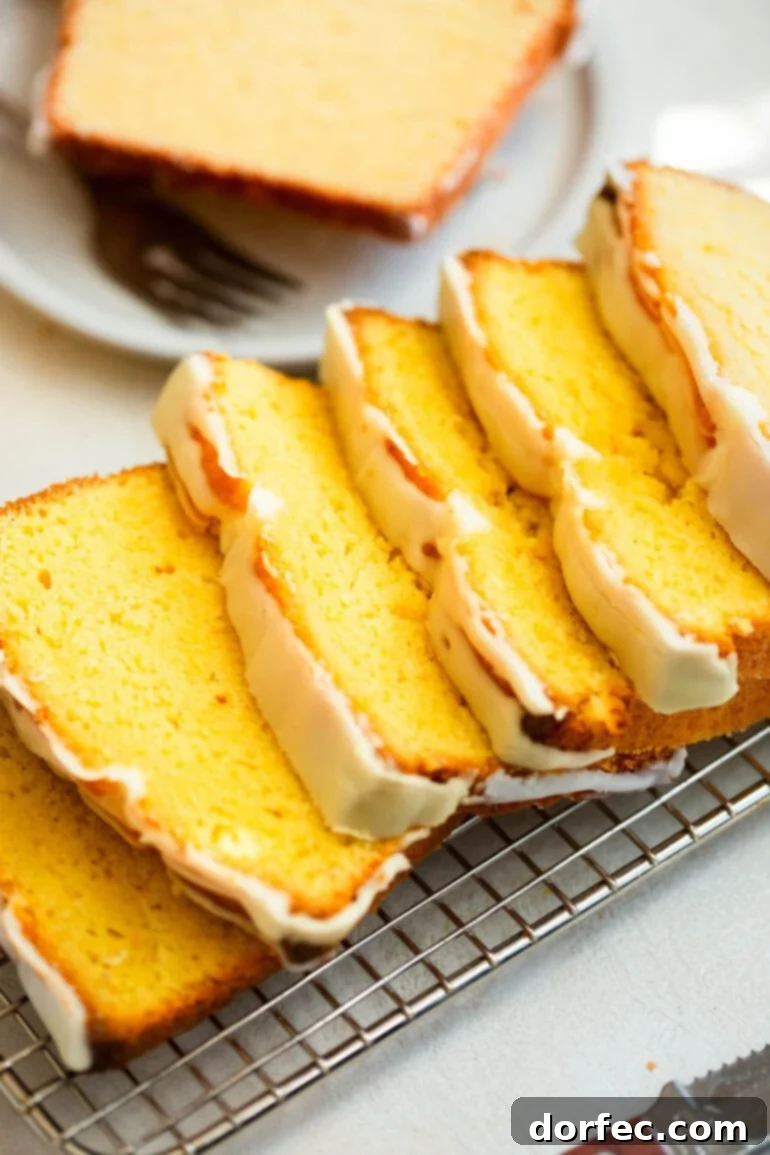
Why This Lemon Pound Cake Stands Out
Our Iced Lemon Pound Cake distinguishes itself through a unique combination of factors that ensure a superior baking and eating experience:
- Unmatched Moisture and Density: The secret lies in a carefully balanced ratio of ingredients, particularly the inclusion of sour cream, which locks in moisture without making the cake heavy. It strikes the perfect balance between classic pound cake density and delightful tenderness.
- Triple Lemon Sensation: We don’t just add lemon once; we do it three ways! Fresh lemon zest and extract in the cake batter provide a deep citrus base, a bright lemon simple syrup drenches the warm cake, and a tangy lemon glaze adds a final flourish, creating an explosion of lemon in every bite.
- Simple Syrup Soaking: This crucial step elevates the cake from good to extraordinary. Brushing the warm cake with a lemon-infused simple syrup ensures uniform moisture and an intensified lemon flavor throughout, preventing any dryness and enhancing its tender crumb.
- Perfectly Sweet & Tart: This recipe masterfully balances the sweetness of the cake and glaze with the invigorating tartness of fresh lemon, creating a harmonious flavor profile that’s never cloyingly sweet or overly sour.
- Versatile for Any Occasion: Whether it’s a casual weekday treat, a festive holiday dessert, a thoughtful homemade gift, or an elegant centerpiece for a special gathering, this lemon loaf cake is always a hit.
Essential Ingredients for the Best Lemon Pound Cake
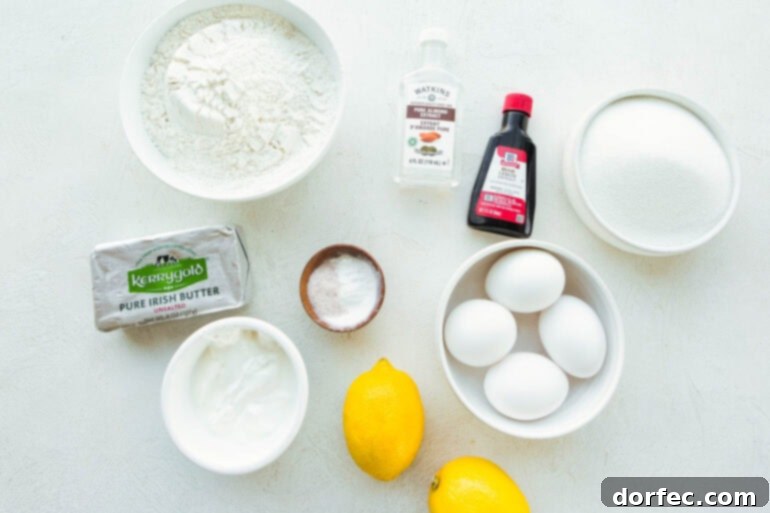
Crafting this phenomenal lemon pound cake involves three distinct components: the moist cake itself, the flavorful simple syrup, and the vibrant lemon glaze. Each part is designed to maximize that irresistible fresh lemon flavor. Here’s a detailed look at everything you’ll need:
For the Perfectly Moist Pound Cake:
- Unsalted Butter: Make sure it’s softened to room temperature. This is crucial for creaming with sugar, which incorporates air into the batter, leading to a lighter texture in a dense cake. Unsalted butter allows you to control the overall salt content.
- Granulated Sugar: Regular white sugar provides sweetness and contributes to the cake’s structure and browning. When creamed with butter, it creates pockets of air essential for a tender crumb.
- Large Eggs: Eggs bind the ingredients, add richness, and provide essential structure. Separating them and beating the whites separately (as we will do) allows for an even more tender and slightly airy crumb. Ensure they are at room temperature for better emulsion with other ingredients.
- Sour Cream: This is our secret weapon! Full-fat sour cream adds incredible moisture, richness, and a slight tang that complements the lemon beautifully. Its high-fat content contributes significantly to the cake’s tender texture and density. While full-fat is recommended for the best results, low-fat or fat-free varieties can also be used, yielding delicious, albeit slightly different, outcomes.
- Lemon Extract: To ensure a truly intense lemon flavor, we use extract in addition to fresh ingredients. It provides a concentrated burst of citrus that stands up to baking.
- Almond Extract: A touch of almond extract adds a subtle, sophisticated depth that beautifully complements the lemon without overpowering it. It’s an optional but highly recommended addition.
- All-Purpose Flour: Standard all-purpose flour is all you need for this recipe. Proper measurement is key to avoiding a dry or overly dense cake. (We’ll share tips on this below!)
- Baking Powder: This leavening agent provides the necessary lift and fluffiness, ensuring the pound cake rises beautifully without being too heavy.
- Salt: A pinch of salt is vital for balancing the sweetness and enhancing all the other flavors in the cake, making the lemon taste even brighter.
- Fresh Lemon Zest: The zest contains the essential oils of the lemon, providing the most vibrant and aromatic lemon flavor directly into the cake batter.
- Fresh Lemon Juice: Added to the batter, fresh lemon juice contributes tartness and a clean, bright citrus note.
For the Tangy Simple Syrup:
- Water: The base of our simple syrup, combined with sugar for a thin, pourable consistency.
- Granulated Sugar: Adds sweetness to the syrup, which soaks into the cake, enhancing its flavor and moisture.
- Fresh Lemon Juice: Infuses the syrup with intense, natural lemon flavor, creating that perfect tangy complement to the sweet cake.
For the Zesty Lemon Glaze:
- Powdered Sugar: Also known as confectioners’ sugar, this fine sugar creates a smooth, sweet, and perfectly opaque glaze.
- Fresh Lemon Juice: Essential for a bright, tangy glaze that cuts through the sweetness and reinforces the cake’s lemon profile.
- Milk: A small amount of milk helps achieve the ideal pouring consistency for the glaze, making it creamy and easy to spread.
You’ll find the precise measurements for all these ingredients conveniently listed in the comprehensive recipe instructions towards the end of this guide.
How to Bake the Best Moist Lemon Pound Cake: A Step-by-Step Guide
Creating this irresistible lemon pound cake is a rewarding process, surprisingly straightforward for such a sophisticated-tasting dessert. It involves baking a perfectly dense yet moist loaf cake, enriching it with a homemade lemon syrup, and finishing it with a brilliant, tangy glaze. Follow these steps for baking success:
Part 1: The Pound Cake
- Preparation is Key: Begin by preheating your oven to 350°F (175°C). Generously grease and flour a standard loaf pan (9×5 inches). For easy removal, you can also line it with parchment paper, leaving an overhang on the longer sides.
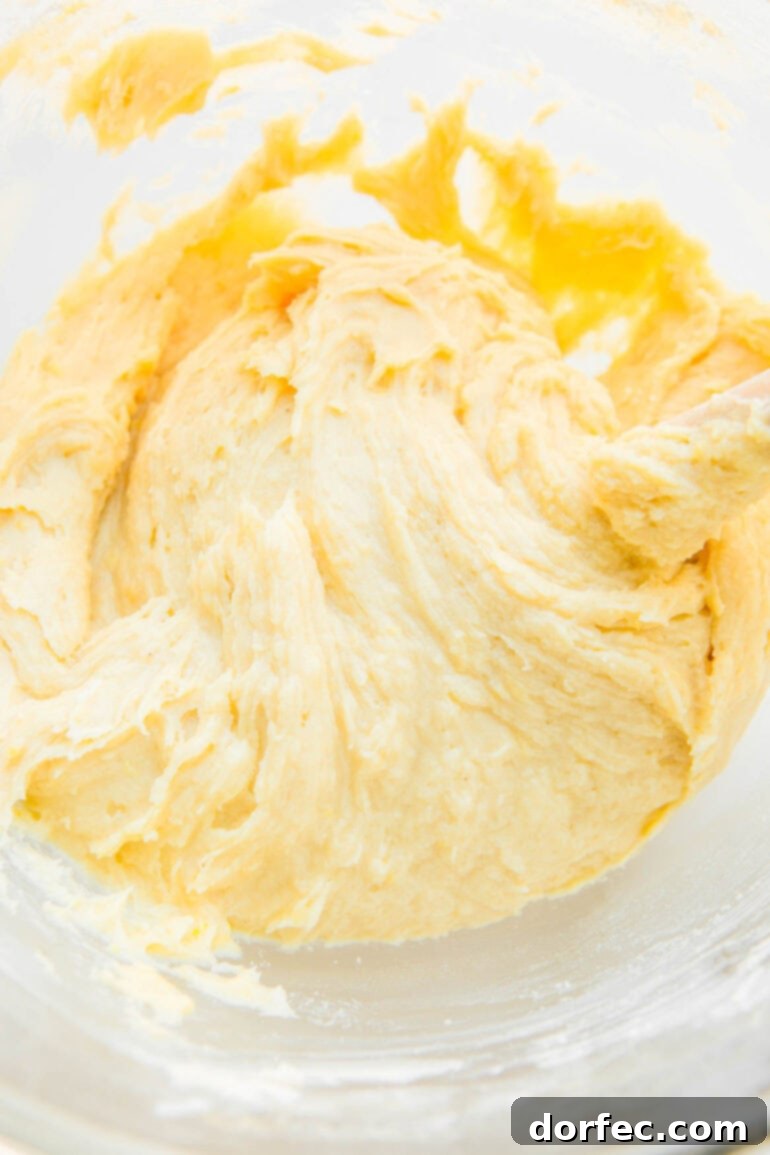
- Cream the Wet Ingredients: In the bowl of a stand mixer fitted with the paddle attachment (or using a hand mixer), cream together the softened unsalted butter and granulated sugar until the mixture is light, fluffy, and pale yellow. This process incorporates air, essential for the cake’s texture. Next, add the egg yolks one at a time, mixing well after each addition to ensure full incorporation.
- Add Richness and Flavor: Incorporate the room temperature sour cream and mix until just combined. Be careful not to overmix at this stage. Stir in the lemon extract and almond extract, mixing thoroughly so the flavors are evenly distributed.
- First Flour Addition: Gently mix in 1 cup of the all-purpose flour. Mix until just combined; visible streaks of flour are acceptable at this point.
- Whip Egg Whites: In a separate, clean bowl, beat the reserved egg whites until stiff peaks form. Stiff peaks mean that when you lift the beaters, the egg whites hold their shape.
- Fold in Egg Whites: Carefully fold the beaten egg whites into the cake batter. This step adds lightness and airiness, contributing to the cake’s tender crumb. Use a spatula and a gentle, ‘fold over’ motion to maintain the air.
- Incorporate Remaining Dry Ingredients: Add the remaining flour, baking powder, salt, fresh lemon zest, and fresh lemon juice to the batter. Mix on low speed until just combined. Again, avoid overmixing to ensure a moist cake.
- Bake to Perfection: Pour the finished batter evenly into your prepared loaf pan. Bake for 65-70 minutes, or until a wooden skewer or toothpick inserted into the center comes out clean or with only a few moist crumbs attached.
- Cooling Process: Let the cake cool in the pan for about 10-15 minutes on a wire rack. This allows it to set and makes it easier to remove. After 10-15 minutes, carefully invert the cake onto the wire rack to cool completely. While the cake is cooling (aim for about an hour of cooling before applying syrup), prepare the simple syrup.
Part 2: The Lemon Simple Syrup
- Prepare the Syrup: In a small saucepan, combine water and sugar. Bring the mixture to a boil over medium heat, stirring until the sugar has completely dissolved.
- Infuse with Lemon: Remove the saucepan from the heat and stir in the fresh lemon juice.
- Brush and Soak: Once the cake has cooled for about an hour (it should still be slightly warm or at least not hot), gently brush the warm lemon simple syrup all over the top and sides of the cake. Allow the syrup to slowly soak into the cake as you go. This step is essential for maximum moisture and an intense lemon flavor. Let the cake cool completely before glazing.
Part 3: The Zesty Lemon Glaze
- Whisk the Glaze: In a small bowl, combine the powdered sugar, fresh lemon juice, and milk. Whisk thoroughly until the mixture is smooth and free of lumps. Adjust consistency as needed by adding a tiny bit more powdered sugar for a thicker glaze or a few drops more milk/lemon juice for a thinner glaze.
- Glaze the Cooled Cake: Once the loaf cake is completely cooled, generously spoon or drizzle the lemon glaze over the top, allowing it to drip attractively down the sides. Let the glaze set for about 15-30 minutes before slicing and serving.
For a handy reference, all these detailed instructions are also summarized in the recipe card at the end of this post. Keep scrolling for all the specifics!

How Many Lemons Do I Really Need?
For this comprehensive lemon pound cake recipe, you’ll need approximately 4 tablespoons of fresh lemon juice and 2 tablespoons of fresh lemon zest in total for the cake, syrup, and glaze. On average, a medium-sized lemon yields about 2-3 teaspoons of zest and 3 tablespoons of juice.
Therefore, to ensure you have enough, we recommend having two medium to large-sized lemons on hand. This will provide you with sufficient zest and juice for all components of the recipe, guaranteeing that bright, bold lemon flavor we’re aiming for.
If you happen to have extra lemons after making this delicious pound cake, don’t let them go to waste! Lemon is incredibly versatile in both sweet and savory dishes. You could try our Panko-Crusted Chicken with Lemon Sauce for a zesty main course or whip up our Garlic Butter Chicken with Lemon Rice for a flavorful and easy dinner. It’s truly amazing how this citrus fruit can elevate so many different recipes!

Expert Tips for Baking the Best Lemon Pound Cake
Achieving a truly exceptional moist lemon pound cake is simple when you follow a few key guidelines. These tips will help you bake a cake that’s perfectly textured, bursting with flavor, and consistently delicious:
- Zest Before Juicing: This is a golden rule for any recipe requiring both lemon zest and juice. Zesting a whole, firm lemon is significantly easier than trying to zest a juiced, collapsed one. A microplane zester works wonders for this!
- Room Temperature Ingredients: Ensure all refrigerated ingredients—butter, eggs, and sour cream—are brought to room temperature before you begin mixing. Room temperature ingredients emulsify better, creating a smooth, uniform batter that traps air more effectively. This leads to a finer, more tender crumb and a better overall cake texture.
- Do Not Overmix the Batter: After you’ve incorporated the dry ingredients and folded in the egg whites, mix only until everything is just combined. Overmixing develops the gluten in the flour, which can result in a tough, dry cake. A few small streaks of flour are perfectly acceptable and will disappear during baking, helping to ensure your cake remains wonderfully moist.
- Measure Flour Accurately: This is one of the most common baking mistakes that can lead to a dry cake. The best method is the “spoon and level” technique: spoon flour into your measuring cup until it’s overflowing, then use the back of a knife or a straight edge to level it off without compacting the flour. Avoid scooping directly from the bag, as this can pack in too much flour.
- Don’t Overbake: Overbaking is the quickest way to dry out a pound cake. Start checking for doneness about 10 minutes before the recipe suggests the cake might be ready. Insert a wooden skewer or a cake tester into the center of the loaf. You’re looking for it to come out clean or with just a few moist crumbs attached. If it’s wet, continue baking and check every 5 minutes. Every oven is different, so trust your tester!

Storage and Freezing Tips for Your Lemon Pound Cake
This delightful lemon loaf cake is not only incredibly tasty but also stores beautifully, allowing you to enjoy its fresh flavor for days or even months!
Storing Leftovers:
To keep your lemon pound cake fresh and moist, store any leftovers in an airtight container at room temperature. It will maintain its delicious flavor and texture for up to 4 days. If you live in a particularly warm or humid climate, you might consider storing it in the refrigerator, but allow it to come to room temperature before serving for the best flavor and texture.
Freezing for Later Enjoyment:
This lemon pound cake freezes exceptionally well, making it perfect for meal prep or saving for a future treat. You can freeze it as a whole loaf or as individual slices, which is great for portion control.
- For a Whole Loaf: Once the cake is completely cooled (this is critical to prevent freezer burn), wrap it tightly in plastic wrap, ensuring no air pockets. Then, wrap it again in a layer of heavy-duty aluminum foil. For an extra layer of protection against freezer burn, you can place the double-wrapped loaf into a large freezer-safe ziploc bag.
- For Individual Slices: Slice the cooled cake, then individually wrap each slice in plastic wrap before placing them together in an airtight freezer bag or container. This allows you to thaw just one slice at a time.
The cake will keep beautifully in the freezer for up to 3 months. When you’re ready to enjoy it, simply thaw the cake (either whole or slices) at room temperature for a few hours. The texture and flavor will be just as wonderful as freshly baked!

There you have it – the ultimate guide to baking a truly exceptional lemon pound cake. With its perfectly moist texture, profound lemon flavor, and delightful tang, this recipe is guaranteed to become a favorite in your kitchen. It’s more than just a dessert; it’s a moment of pure, lemony bliss, waiting to be shared and savored.
More Zesty Lemon Dessert Recipes to Love:
- Lemon Poppy Seed Muffins
- Classic Lemon Bars
- Lemon Drop Cookies
- Lemon Jello Cake
- Blender Lemon Curd
- Lemon Raspberry Bars
- Lemon Cremesicle Cookies
- Glazed Lemon Cookies
Iced Lemon Pound Cake
By Carrian Cheney
Prep Time: 20 mins | Cook Time: 1 hr 5 mins | Total Time: 2 hrs 25 mins
Yields: 12 servings

Attention lemon lovers…we have got the best lemon dessert for you! This lemon pound cake is dense but moist, soaked in a simple syrup and topped with a lemon glaze.
Ingredients
Pound Cake
- 1 Cup Butter, softened (2 sticks)
- 1 ½ Cups Sugar
- 4 Eggs, large, separated, room temperature
- 1/2 Cup Sour Cream, room temperature
- 1 teaspoon Lemon Extract
- 1/4 teaspoon Almond Extract
- 2 ½ Cups All-Purpose Flour
- 2 ¼ teaspoons Baking Powder
- 3/4 teaspoon Salt
- 2 Tablespoons Fresh Lemon Zest
- 2 Tablespoons Fresh Lemon Juice
Simple Syrup
- 2 Tablespoons Water
- 2 Tablespoons Sugar
- 2 teaspoons Fresh Lemon Juice
Glaze
- 1 Cup Powdered Sugar
- 1 Tablespoon Fresh Lemon Juice
- 2 teaspoons Milk
Instructions
Pound Cake
- Preheat oven to 350 degrees F (175°C). Generously grease and flour a loaf pan (9×5 inches).
- In the bowl of a stand mixer, cream together the butter and sugar until light and fluffy. Add the egg yolks one at a time, mixing well after each addition.
- Stir in the sour cream, lemon extract, and almond extract; mix until just combined.
- Mix in 1 cup of the all-purpose flour until just combined.
- In a separate bowl, beat the egg whites until stiff peaks form. Gently fold the beaten egg whites into the cake batter.
- Add the remaining flour, baking powder, salt, lemon zest, and lemon juice to the batter. Mix on low speed until just combined. Pour the batter into the prepared pan.
- Bake for 65-70 minutes, or until a wooden skewer inserted into the center comes out clean. Cool the cake in the pan for 10 minutes, then invert onto a wire rack to cool completely for about 1 hour.
Simple Syrup
- In a small saucepan, combine water and sugar. Bring to a boil, stirring until sugar dissolves. Remove from heat and stir in the lemon juice.
- Once the cake has cooled for about an hour, brush the warm syrup all over the top and sides of the cake, allowing it to soak in. Let the cake cool completely before glazing.
Glaze
- In a small bowl, whisk together the powdered sugar, lemon juice, and milk until smooth. Spoon or drizzle the glaze over the completely cooled cake. Let the glaze set before slicing and serving.
Nutrition (Approximate per serving)
Serving: 1 piece, Calories: 416kcal, Carbohydrates: 58g, Protein: 5g, Fat: 19g, Saturated Fat: 11g, Polyunsaturated Fat: 1g, Monounsaturated Fat: 5g, Trans Fat: 1g, Cholesterol: 101mg, Sodium: 292mg, Potassium: 149mg, Fiber: 1g, Sugar: 37g, Vitamin A: 612IU, Vitamin C: 3mg, Calcium: 62mg, Iron: 2mg.
Nutrition information is automatically calculated and should be used as an approximation.
Like this recipe? Leave a comment below!
We’d love to hear your thoughts and see your creations! Share your experience baking this Lemon Pound Cake in the comments section below. Your feedback helps us and other home bakers. Happy baking!