
Don’t just walk away after harvest. Your garden needs a crucial final touch! Discover 5 essential steps to prepare your garden before winter and ensure an incredibly productive and vibrant next summer.
Mastering Winter Garden Prep: 5 Steps for a Bountiful Next Season
As the vibrant colors of autumn begin to fade and a crisp chill permeates the air, many gardeners might feel the urge to simply pack away their tools and retreat indoors, leaving their plots to fend for themselves until spring. However, this is precisely the moment when your garden needs you most! While the thought of winter’s embrace can bring a mix of emotions – from the cozy appeal of warm sweaters and hearty soups to the undeniable dread of prolonged freezing temperatures, especially in places like Utah – it also presents a golden opportunity. By dedicating a little time to prepare your garden now, you’re not just closing out the season; you’re actively investing in the success and abundance of the next. Think of it as laying the groundwork for your most spectacular garden yet.
This commitment to pre-winter care is something I’ve passionately discussed with partners like McCormick Gourmet Spices, underscoring the holistic journey from seed to plate, and the importance of every stage. While my personal excitement for winter might be tempered by the long cold months ahead, the undeniable truth is that proper garden preparation is non-negotiable for anyone dreaming of a vibrant spring. It’s not just about tidying up; it’s about nurturing your soil, preventing future problems, and setting the stage for an explosion of growth. So, let’s brave the chill together and explore these 5 crucial tasks you must complete before winter takes hold.
Why Winter Garden Preparation Is Your Secret to Spring Success
You might be wondering why bother with extra garden work when the harvesting season has just concluded. Why not just enjoy the break? The answer is simple yet profound: preparing your garden for planting actually begins long before the first seeds are sown in spring. It starts now, as the dormant season approaches. Much like an athlete trains rigorously for a marathon, building strength and endurance over time, your garden soil requires consistent care and nourishment to perform at its peak. You wouldn’t expect to run a marathon without training, would you? Similarly, you can’t expect your garden to deliver a spectacular harvest next year if its foundation – the soil – hasn’t been properly conditioned and fed during its resting period.
This crucial pre-winter phase allows your soil to soak up vital nutrients, establish beneficial microbial activity, and become perfectly primed for the demands of a new growing season. By taking these steps, you’re not just reacting to problems; you’re proactively creating an optimal environment for roots to thrive, plants to flourish, and harvests to multiply. Let’s delve into the specific actions that will transform your garden from good to truly exceptional.
1. Thorough Weeding: Your First Line of Defense Against Next Year’s Pests
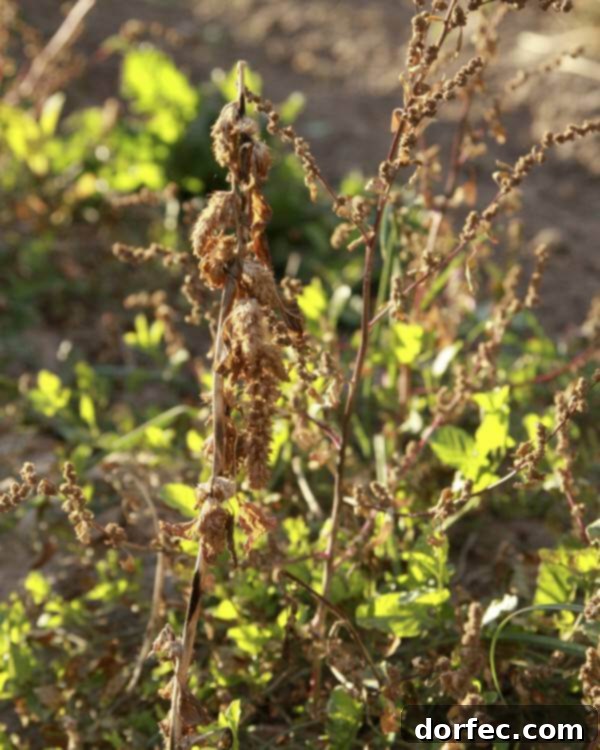
I know, I know. Just uttering the word “weeding” can make even the most dedicated gardener sigh. But trust me on this: weeding doesn’t magically end when the last tomato is picked. In fact, comprehensive weeding before winter is perhaps one of the most impactful tasks you can undertake. Many perennial weeds, or even annual weeds that have dropped their seeds, will overwinter in your garden, ready to spring back with renewed vigor the moment temperatures rise. If you leave them now, their roots will continue to establish themselves deeper and stronger, making them exponentially harder to remove next spring.
Take the time to go through all your beds – especially around strawberries, herbs, and any other plants you intend to keep – and meticulously remove every weed you see. Focus on pulling them out roots and all to prevent regrowth. This effort drastically reduces the weed seed bank in your soil and weakens any persistent invaders, giving your desired plants a significant head start come spring. It’s a preventive measure that saves you countless hours of back-breaking work later and ensures your precious garden nutrients go directly to your crops, not to unwelcome competitors.
2. Conquering Invasive Species: The Case of Morning Glory and Beyond
Some weeds are more than just nuisances; they’re outright invaders. Morning glory is a classic example – a beautiful vine in the wrong place, known for its tenacious grip and rapid spread. Dealing with aggressive perennial weeds like morning glory, bindweed, or even stubborn patches of creeping charlie, requires a focused approach before winter sets in. Ignoring them now is akin to inviting a full-scale invasion next year. Their extensive root systems can quickly choke out desirable plants and deplete soil resources.
For particularly stubborn weeds, a two-pronged attack can be effective: first, carefully apply an appropriate herbicide (if you choose to use one and are comfortable with it) directly to the foliage to allow it to be absorbed into the root system. Alternatively, for organic approaches, consistent manual removal, root barriers, or solarization (covering the area with clear plastic during hot periods) can be used. After treatment, or even if opting for manual methods, thoroughly pull out the remaining plants, ensuring as much of the root system as possible is removed. This significant reduction in population now means less struggle, less damage to your plants, and a much healthier garden environment come spring.

3. Tilling and Enriching Your Soil: The Heart of Your Garden’s Health
Once your harvesting is complete and the beds are clear of plant debris and persistent weeds, it’s time to turn your attention to the very foundation of your garden: the soil. Tilling your soil 2-4 times before the deep freeze sets in is a vital practice for several reasons. This process isn’t just about breaking up compacted earth; it’s about aeration, nutrient incorporation, and preparing the soil structure for winter’s effects.
As you till, you’re helping to break up any hardpan layers that have formed, improving drainage and allowing air and water to penetrate more effectively. More importantly, this is the perfect opportunity to incorporate organic matter. Whether it’s compost, well-rotted manure, or cover crop residue, mixing these into the soil now allows them to begin decomposing over winter. When the ground freezes and thaws throughout the colder months, these incorporated nutrients become “locked in” and gradually integrate into the soil’s structure, creating a rich, loamy texture that will be incredibly receptive to new plantings in spring. This deep preparation ensures your soil is a living, breathing ecosystem, ready to nourish your plants from the moment they sprout.
4. Deep Watering: Protecting Roots and Locking in Moisture
While it might seem counterintuitive to water your garden just before it freezes, this step is absolutely critical, especially in regions with harsh winters. A good, deep watering — once or twice, truly saturating the ground before the first significant snowfall or hard freeze — serves a crucial protective function. When the soil is adequately moist, it retains heat more effectively than dry soil, providing a degree of insulation for delicate plant roots that might otherwise suffer from extreme temperature fluctuations or frost heave.
Furthermore, this pre-winter soak locks essential moisture deep within the soil profile. As the ground freezes, this trapped moisture remains available to the deeper layers, preventing desiccation of root systems that might otherwise occur during dry winter spells or early spring thaws. Come spring, as the soil gradually thaws, this deep reservoir of moisture will be readily available to newly emerging plants, giving them a vital head start. It’s a simple act that offers profound protection and sets the stage for robust growth.
5. Mulching with Fallen Leaves: Nature’s Fertilizer and Protector
Finally, we come to a task that might not be the prettiest, but it’s arguably one of the most important and beneficial for your garden’s long-term health: utilizing fallen leaves. Instead of raking them to the curb or burning them, collect those autumn leaves, bag them up, and spread a generous layer over your garden beds. Yes, it might look a little messy for a few months, but the payoff in spring is immense.
Leaves are nature’s perfect mulch. Throughout the winter, they provide a protective blanket, insulating the soil from harsh freezes and thaws, which helps regulate soil temperature and prevent erosion. More importantly, as they slowly decompose, they release a treasure trove of organic matter and nutrients back into your soil. Come spring, simply till these partially decomposed leaves into the top few inches of your soil. You might even want to till again a few weeks later. This process enriches your soil, improves its structure, enhances its water retention capabilities, and encourages beneficial microbial activity. The result? Soft, nutrient-rich soil that translates directly into healthier plants, stronger yields, and ultimately, a bigger, better harvest next season. It’s an eco-friendly practice that transforms what might be considered waste into a vital resource for your garden.

Embracing the Season: From Garden to Kitchen with McCormick Gourmet Spices
Once you’ve diligently completed these vital steps to prepare your garden for its winter slumber, it’s time to reward yourself and truly embrace the shift in seasons. With your outdoor work behind you, now is the perfect opportunity to retreat indoors and explore the rich, diverse world of McCormick Gourmet Spices and Flavors. In my humble (but utterly correct!) opinion, winter is the absolute best time of year to get creative in the kitchen, leveraging the unique characteristics of seasonal produce and hearty dishes.
The root vegetables, gourds, and other seasonal delights available around this time of year truly shine when sautéed, roasted, or baked. These cooking methods pair exquisitely with the warm, spicy, and profoundly rich flavors found in spices like robust Clove, aromatic Roasted Saigon Cinnamon, or the smoky kick of Chipotle Chili Pepper. Many of these gourmet spices boast earthy, woody, and nutty undertones that evoke a deep sense of comfort and immersion in the winter season. A simple yet incredibly comforting ritual is to select a few favorite spices – perhaps a blend of cinnamon, cloves, and a hint of allspice – simmer them gently in a saucepan with a little water and a slice of orange. Let these fragrant aromas fill your home, creating a cozy and inviting atmosphere that lasts all winter long, a perfect complement to the promise of spring growth you’ve just nurtured in your garden.