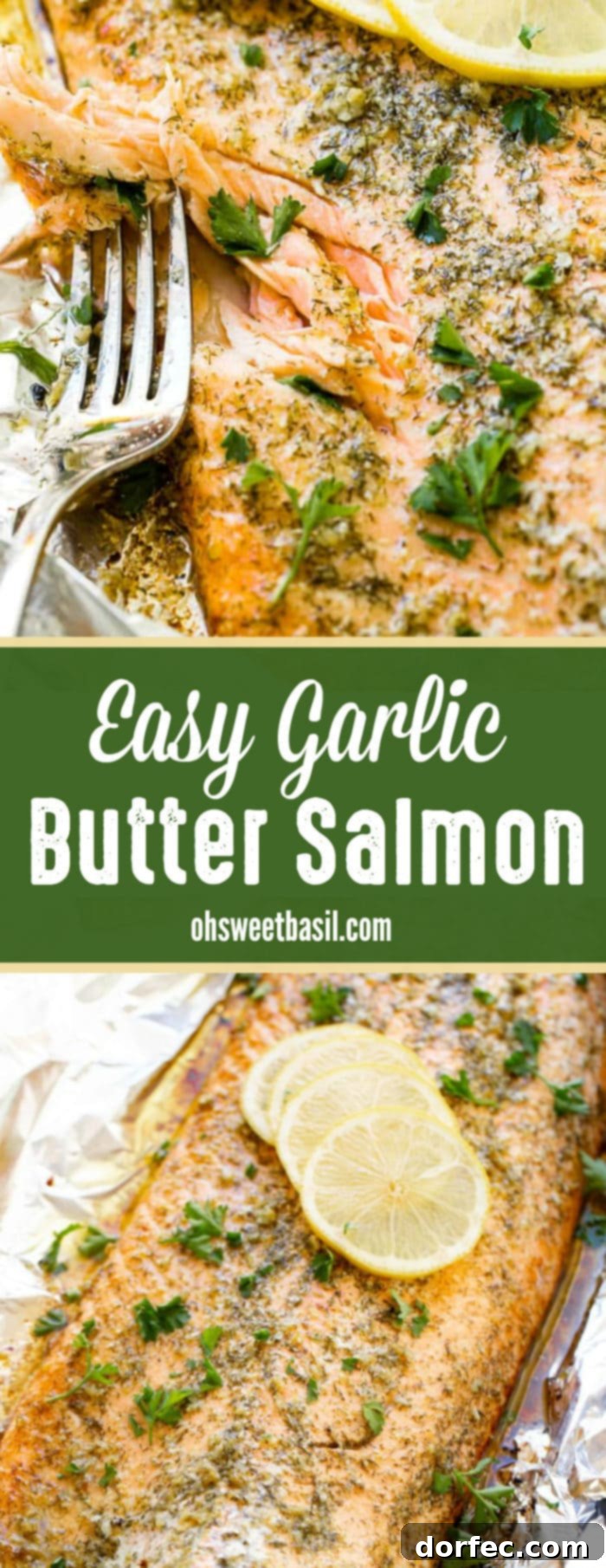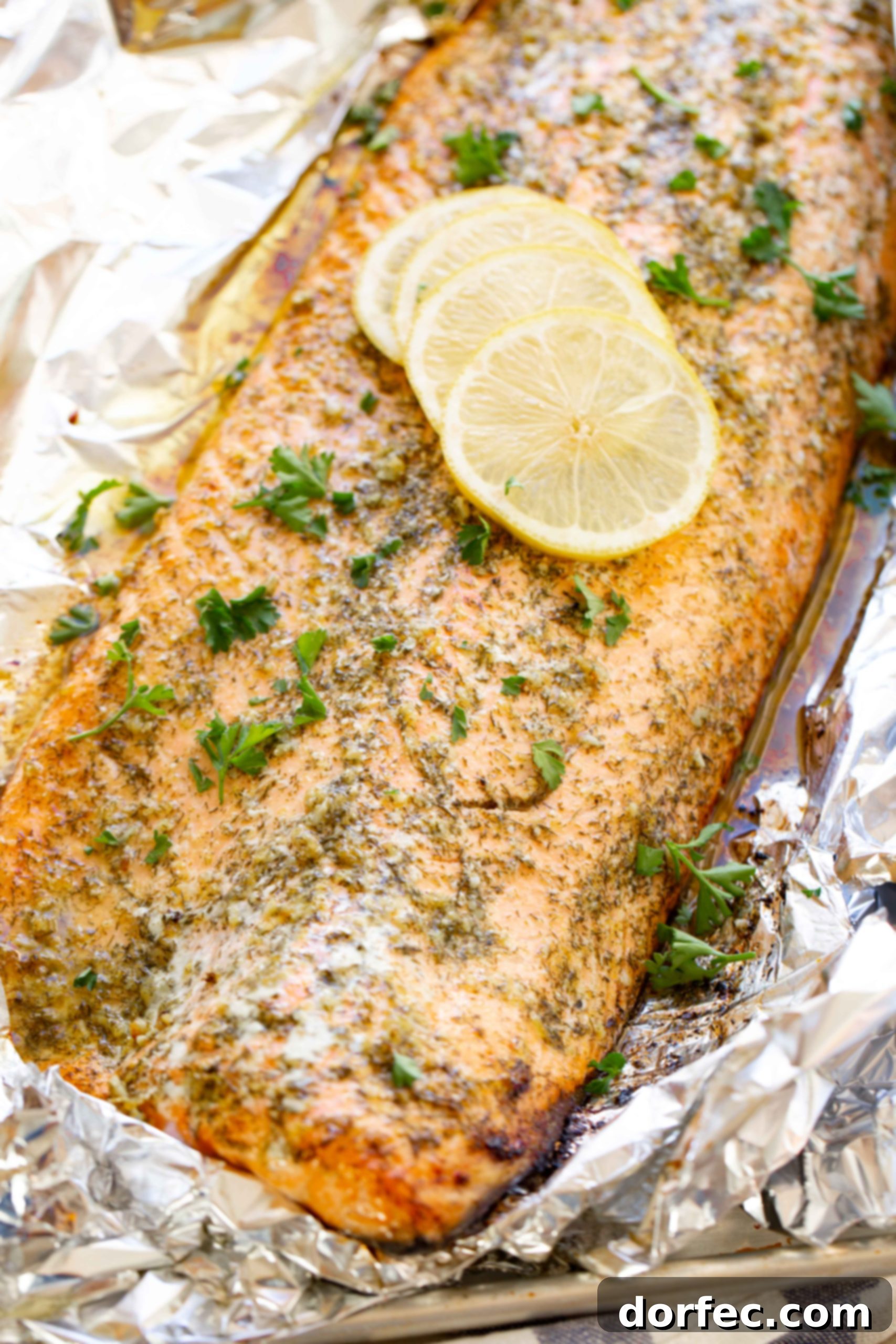
Welcome to the ultimate guide for preparing a stunning and incredibly flavorful Easy Garlic Butter Salmon! This recipe promises a remarkably tender and flaky salmon that can grace your dinner table in just 30 minutes. It’s not just quick; it’s a healthy and elegant meal perfect for any night of the week.
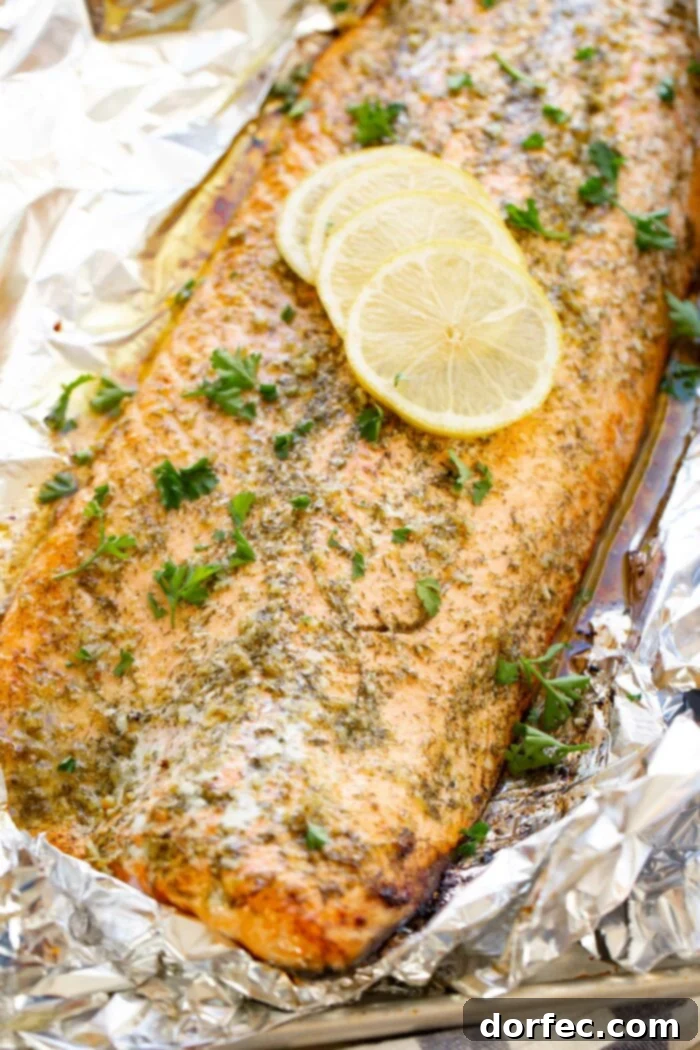
Mastering Easy Garlic Butter Salmon: A Quick & Healthy Delight
I have a confession to make: I’m not a huge fan of seafood! There, I said it. Growing up in the Pacific Northwest, it’s practically a requirement to love salmon, or any seafood for that matter. While that particular culinary passion never quite caught on for me, I’ve come to deeply appreciate how much others enjoy it. This journey has led me to explore and perfect seafood recipes, especially for my family and friends who adore it. And among all the ocean’s offerings, I find cooking fish, particularly salmon, far more manageable than, say, cleaning shrimp – a task that once reduced me to tears! For my sanity, I now always opt for pre-cleaned shrimp, but when it comes to fish, I’m ready to tackle it.
Despite my personal preferences, I genuinely want to love salmon. It always looks so appetizing, so vibrant and inviting! Every time I prepare it, I take a hopeful bite, convincing myself this will be the moment my taste buds finally agree. Alas, it rarely happens for me! But for all you dedicated salmon enthusiasts out there, this particular Easy Garlic Butter Salmon recipe is a true winner. It consistently delivers a moist, tender, and beautifully flaky fillet, infused with the classic, irresistible flavors of lemon, garlic, rich butter, and fresh dill. And the best part? It’s incredibly straightforward to make!
This recipe isn’t just about deliciousness; it’s about providing a healthy, protein-packed meal that fits seamlessly into a busy schedule. Salmon is renowned for its exceptional nutritional profile, boasting a rich supply of Omega-3 fatty acids, which are vital for heart health and brain function. It’s also an excellent source of high-quality protein, essential vitamins like D and B12, and minerals such as selenium. When you choose to make our Garlic Butter Salmon, you’re not just preparing a quick meal; you’re investing in your well-being with every savory bite.
How to Pick the Best Fresh Salmon for Your Recipe
When you’re aiming for a truly delicious salmon dish, starting with a high-quality fillet is paramount. For many, navigating the seafood counter can feel a little daunting. How do you distinguish a truly fresh piece of salmon from one that’s past its prime? Here are some essential tips to help you select the finest salmon for your Garlic Butter Salmon:
- No Fishy Smell: This is arguably the most important indicator. Fresh salmon should have a mild, fresh scent, reminiscent of the ocean, or almost no smell at all. If it smells strongly “fishy,” it’s likely not fresh.
- Vibrant Color: Look for salmon with bright, deep, and uniform shades of red, coral, or pink. The color should be consistent across the fillet, without any dull or faded areas. Avoid any pieces that look grayish or brownish.
- Moist Appearance: A good salmon fillet should appear moist, glistening, and firm to the touch. It should never look dried out, mushy, or have any milky residue on its surface.
- Absence of Brown Spots: Carefully inspect the entire fillet for any discoloration or brown spots, which can indicate spoilage or bruising. The skin, if present, should also be shiny and intact.
- Ask Your Fishmonger: Don’t hesitate to engage with the staff at the seafood counter. They are a valuable resource and can provide insights into when the fish arrived, where it came from, and how best to prepare it.
Understanding Fresh vs. Frozen and Wild vs. Farmed Salmon
The debate between fresh and frozen, and wild and farmed salmon, is common. While many instinctively lean towards “fresh is always best,” the reality is a bit more nuanced, especially for a dish like our Easy Garlic Butter Salmon. Modern freezing techniques have advanced significantly, meaning properly handled and flash-frozen salmon can be just as good, if not superior, to fresh salmon that has spent too long in transit or on display.
For those who prioritize wild-caught salmon, it’s crucial to understand that its availability is seasonal. Wild salmon season typically runs from May to October. If you’re purchasing wild salmon outside of these months, it will almost certainly be frozen, making a well-frozen option often the best choice for quality and sustainability.
Farmed salmon, unfortunately, sometimes carries a negative reputation due to past concerns about farming practices and environmental impact. However, the industry has evolved significantly. Many reputable farms now adhere to stringent regulations, focusing on sustainable practices, responsible feeding, and high-quality living conditions for the fish. By doing a bit of homework and choosing a trusted source, farmed salmon can be a safe, delicious, and often more affordable alternative, providing consistent quality and contributing to a more sustainable seafood supply. Ultimately, both wild and responsibly farmed salmon can be excellent choices for your healthy meals.
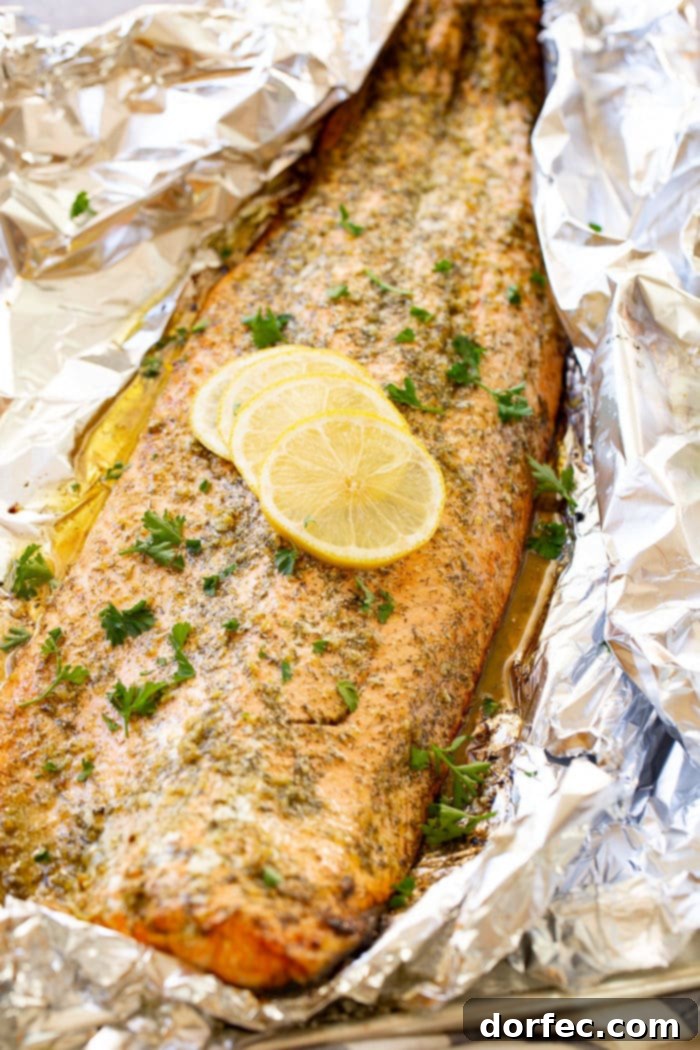
A Guide to Different Types of Salmon
The world of salmon offers a delightful array of choices, each with its unique characteristics in terms of flavor, texture, and fat content. Understanding these differences can help you select the perfect salmon for your Garlic Butter Salmon or any other recipe you have in mind:
- King (Chinook) Salmon: Often considered the crème de la crème, King salmon is the largest and most expensive variety. It’s prized for its exceptionally rich, buttery flavor and delicate, high-fat flesh, which makes it incredibly succulent. Ideal for grilling, roasting, or pan-searing, it truly shines when its natural richness is allowed to be the star.
- Sockeye (Red) Salmon: Known for its striking deep red-orange flesh and robust, distinctive “salmon” flavor. Sockeye has a firm texture and lower fat content than King salmon, making it less buttery but still incredibly flavorful. It’s excellent baked, grilled, or smoked, and its color holds up beautifully after cooking. For this particular Garlic Butter Salmon recipe, we often opt for Sockeye due to its availability and the delicious flavor it imparts.
- Coho (Silver) Salmon: This variety offers a milder flavor than Sockeye and a more delicate texture than King. Its orange-red flesh is widely available and freezes very well, making it a versatile choice. Coho is fantastic for baking, poaching, or grilling, absorbing marinades beautifully without being overshadowed.
- Pink Salmon: As its name suggests, Pink salmon has lighter-colored flesh and a very mild flavor. It’s low in fat and has a softer texture, making it less ideal for grilling but perfect for flaking into salmon cakes, salads, or as a more budget-friendly option for baking. It’s also the most common type found in canned salmon products.
- Chum Salmon: Also known as Dog salmon, Chum has a paler, firm flesh and a lower fat content. It has a less intense flavor compared to other varieties and is particularly excellent for smoking, curing, or canning. It’s also a good choice for dishes where the salmon is part of a larger, more complex flavor profile, such as stir-fries or stews.
For our Easy Garlic Butter Salmon recipe, we typically use Sockeye salmon. It’s readily available in our local markets and provides that classic, satisfying flavor that everyone (well, everyone but me!) absolutely loves.
How to Know When Your Salmon is Perfectly Cooked
Achieving perfectly cooked salmon is key to a delicious meal, ensuring it’s moist and tender without being dry or rubbery. While cooking times can vary based on thickness and oven calibration, there are clear visual cues that signal doneness. Salmon is ready when it:
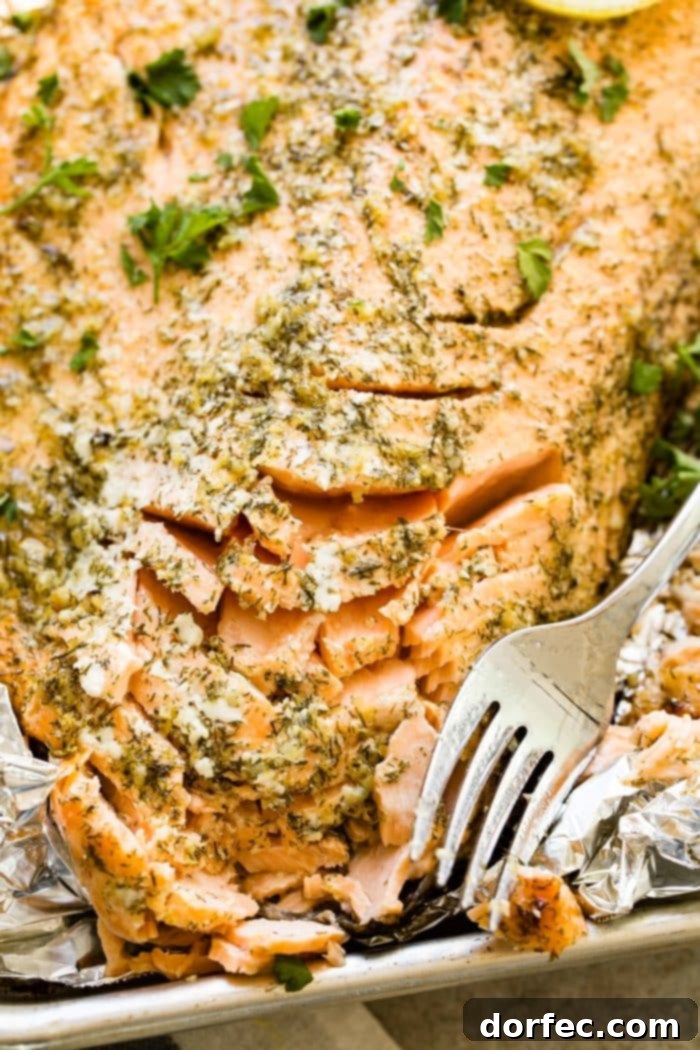
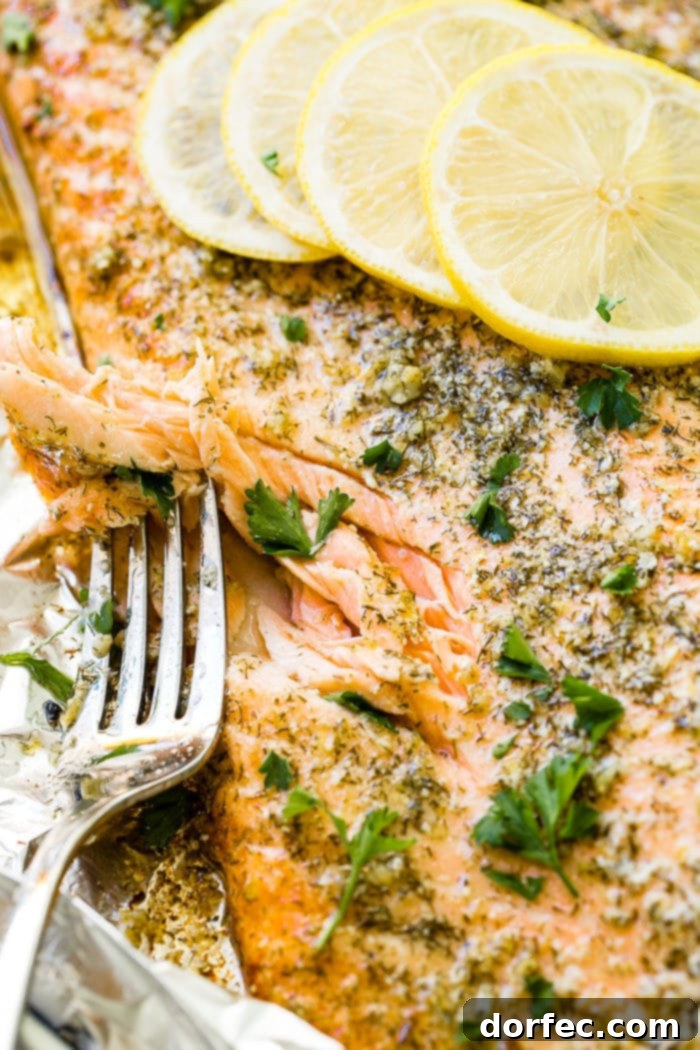
- Easily Flakes with a Fork: This is the most reliable test. Gently insert a fork into the thickest part of the fillet and twist. If the flesh separates easily into flakes, it’s done.
- Changes Color: Raw salmon is translucent and vibrant red or orange. As it cooks, the flesh will transform into an opaque, light pink color. The very center of the thickest part might still appear slightly translucent, but the outer layers should be fully opaque. This slight translucency in the center indicates a perfectly moist, medium-cooked salmon.
- Reaches Internal Temperature (Optional): For precise cooks, a food thermometer inserted into the thickest part of the fillet should register 145°F (63°C). Remember that the salmon will continue to cook slightly after being removed from the oven, so pulling it out a few degrees shy of the target can prevent overcooking.
Avoid overcooking, as this is the primary cause of dry, unappetizing salmon. A beautifully cooked salmon fillet should be tender, juicy, and flavorful – exactly what you’ll get with our Garlic Butter Salmon.
Tips for Reheating Salmon Without Losing Flavor
Leftover salmon can be a real treat, but reheating it properly is crucial to maintain its delicate flavor and texture. The microwave, unfortunately, is generally not a friend to fish. Its rapid, high heat can quickly dry out the salmon and often intensifies any “fishy” aroma, making it less appealing. To enjoy your leftover Garlic Butter Salmon:
- Low and Slow in the Oven: The best method for reheating salmon is a low-temperature oven. Preheat your oven to around 275-300°F (135-150°C). Place the salmon in an oven-safe dish, cover it loosely with foil to prevent drying, and warm for about 10-15 minutes, or until just heated through. This gentle heat helps retain moisture.
- Gentle Pan Reheating: You can also gently warm it in a skillet over low heat with a tiny bit of oil or butter, covered, until just warm.
- Enjoy it Cold: Don’t underestimate the appeal of cold salmon! Leftover salmon is delicious flaked over a fresh salad, tucked into a sandwich, or mixed into a creamy dip. It makes for an excellent protein-packed lunch the next day.
Is Salmon Safe to Eat During Pregnancy?
For expectant mothers, salmon is a fantastic choice for a healthy diet! It’s a rich source of Omega-3 fatty acids (DHA and EPA), which are crucial for a baby’s brain and eye development. Salmon also provides essential protein, Vitamin D, and iron. However, it’s important to consume it safely:
- Cooked is Key: While salmon is highly beneficial, you should always avoid raw or undercooked preparations, including sushi, sashimi, and ceviche made with raw salmon, during pregnancy. Raw fish can carry parasites or bacteria that may be harmful to both you and your developing baby.
- Recommended Preparations: Stick to fully cooked salmon. Baking, broiling, grilling, or poaching your salmon fillets ensures they are safe to eat while pregnant.
- Limit Consumption: The FDA recommends pregnant women eat 2-3 servings of a variety of lower-mercury fish per week, and salmon is an excellent choice within this guideline.
So, feel free to enjoy this flavorful Garlic Butter Salmon recipe, knowing it offers wonderful benefits when properly prepared!
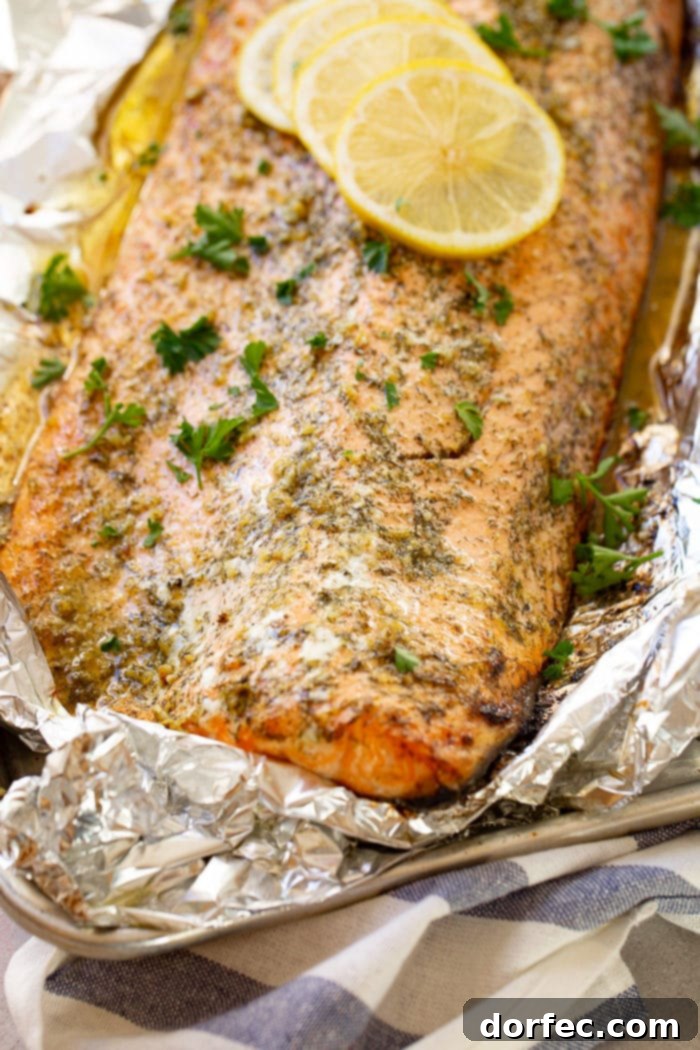
The Absolute Easiest Way to Bake Garlic Butter Salmon
Preparing this Easy Garlic Butter Salmon couldn’t be simpler! You’re just a few basic steps away from a succulent, flavorful salmon dinner that looks and tastes like it took far longer to make. This foil-packet method locks in moisture and flavor, making cleanup a breeze. Here’s how effortlessly it comes together:
- Prepare Your Oven and Pan: Begin by preheating your oven to 375 degrees F (190°C). Line a sturdy baking sheet with aluminum foil. For larger fillets or extra protection, you might want to use two sheets of foil.
- Craft the Flavorful Butter Mixture: In a small bowl, whisk together the melted butter, fresh lemon zest, a splash of tangy lemon juice, minced garlic, dried dill, and a generous pinch of kosher salt and freshly ground black pepper to taste. This aromatic blend is the secret to the salmon’s incredible flavor.
- Assemble the Salmon Packet: Place your salmon fillet onto the prepared foil-lined baking sheet. Carefully fold up all four sides of the foil to create a shallow boat, but don’t seal it yet. Spoon the prepared garlic butter mixture evenly all over the salmon. Once coated, fold the sides of the foil over the salmon, covering it completely, and crimp the edges tightly to seal the packet. This ensures the salmon steams gently in its own juices and the butter sauce.
- Bake to Perfection: Transfer the sealed salmon packet to the preheated oven. Bake for approximately 15-20 minutes, or until the salmon is perfectly cooked through and flakes easily with a fork (as described in our “How to Know When Your Salmon is Done” section). Cooking time may vary slightly based on the thickness of your salmon fillet.
- Serve and Garnish: Carefully open the foil packet, being mindful of the steam. Serve your tender Garlic Butter Salmon immediately, garnished with a sprinkle of fresh chopped parsley for a burst of color and herbaceous freshness, if desired.
And just like that, a healthy, gourmet-quality meal is ready for your family and guests to enjoy!
Perfect Side Dishes to Complement Your Salmon
Now that you’re an expert at selecting and cooking this delightful Garlic Butter Salmon, the next step is pairing it with complementary side dishes that elevate the entire meal. Here are some of our favorite options, ensuring a well-rounded and delicious plate:
- Roasted Vegetables: My go-to choice! Roasting brings out the natural sweetness of vegetables, and they cook alongside the salmon with minimal effort. Think asparagus, broccoli, carrots, or Brussels sprouts tossed with olive oil, salt, and pepper. Our Simple Roasted Garlic Veggies or hearty Roasted Root Vegetables are fantastic choices, offering a rustic yet elegant touch.
- Rice Dishes: A classic pairing with salmon, rice provides a comforting and absorbent base for the garlic butter sauce. A simple steamed white or brown rice works beautifully, but for something extra special, try our One Pot Creamy Winter Asiago Cheese Rice, a family favorite that adds a rich, cheesy dimension.
- Quinoa or Couscous: For a lighter, healthier grain option, fluffy quinoa or quick-cooking couscous seasoned with herbs and a squeeze of lemon juice can be excellent. They soak up the flavors of the salmon wonderfully.
- Mashed Potatoes: Creamy mashed potatoes, whether classic garlic mashed or a lighter cauliflower mash, provide a smooth texture that contrasts nicely with the flaky salmon.
- Fresh Green Salad: A vibrant green salad with a light vinaigrette offers a refreshing counterpoint to the richness of the salmon, adding crispness and a touch of acidity.
With these suggestions, you can easily create a balanced and memorable meal around your perfectly cooked Easy Garlic Butter Salmon.
More Delicious Seafood Recipes to Explore
If you’ve fallen in love with the ease and flavor of this salmon recipe, you’ll be thrilled to discover more of our delightful seafood creations. Expand your culinary horizons with these additional recipes:
- Simple Apricot Lemon Salmon
- Grilled Sticky Honey Lime Shrimp
- Asian Sticky Salmon in Foil
- Sweet and Spicy Orange Salmon
- Popcorn Shrimp with Mango Chipotle Sauce
- Blackened Fish Burger with Sriracha Mayo
To see all of our family dinner recipes, head here! We’re sure you’ll find plenty of new favorites.
Easy Garlic Butter Salmon
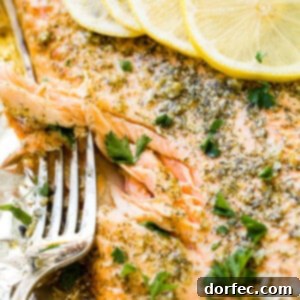
I have a confession to make…I don’t like seafood! There, I said it! But pretty much everyone else does, so we have been working on salmon recipes, and this Easy Garlic Butter Salmon is so tender and flaky! Plus, you can have a healthy, gorgeous dinner on the table in just 30 minutes!
Ingredients
- 1/2 Cup Butter, melted
- Zest of 1 Lemon
- 1 Tablespoon Lemon Juice
- 3 Cloves Garlic, minced
- 2 teaspoons Dill, dried
- Kosher salt and freshly ground black pepper, to taste
- 2 Pounds Salmon
- 2 Tablespoons Parsley, fresh, chopped
Instructions
- Preheat oven to 375 degrees F. Line a baking sheet with foil, using two sheets if necessary.
- In a small bowl, whisk together butter, lemon zest, lemon juice, garlic, dill, salt and pepper, to taste.
- Place salmon onto foil lined baking sheet and fold up all 4 sides of the foil, but do not close it. Spoon the butter mixture all over the salmon. Fold the sides of the foil over the salmon, covering completely and sealing the packet closed.
- Place the salmon into the oven and bake until cooked through, about 15-20 minutes.
- Serve immediately, garnished with parsley, if desired.
Recipe Notes
Reheat in a 275 degree oven for about 15 minutes.
Nutrition
Serving: 1g, Calories: 265kcal, Carbohydrates: 1g, Protein: 23g, Fat: 19g, Saturated Fat: 8g, Polyunsaturated Fat: 3g, Monounsaturated Fat: 5g, Trans Fat: 1g, Cholesterol: 93mg, Sodium: 152mg, Potassium: 572mg, Fiber: 1g, Sugar: 1g, Vitamin A: 486IU, Vitamin C: 3mg, Calcium: 21mg, Iron: 1mg
Nutrition information is automatically calculated, so should only be used as an approximation.
Like this? Leave a comment below!