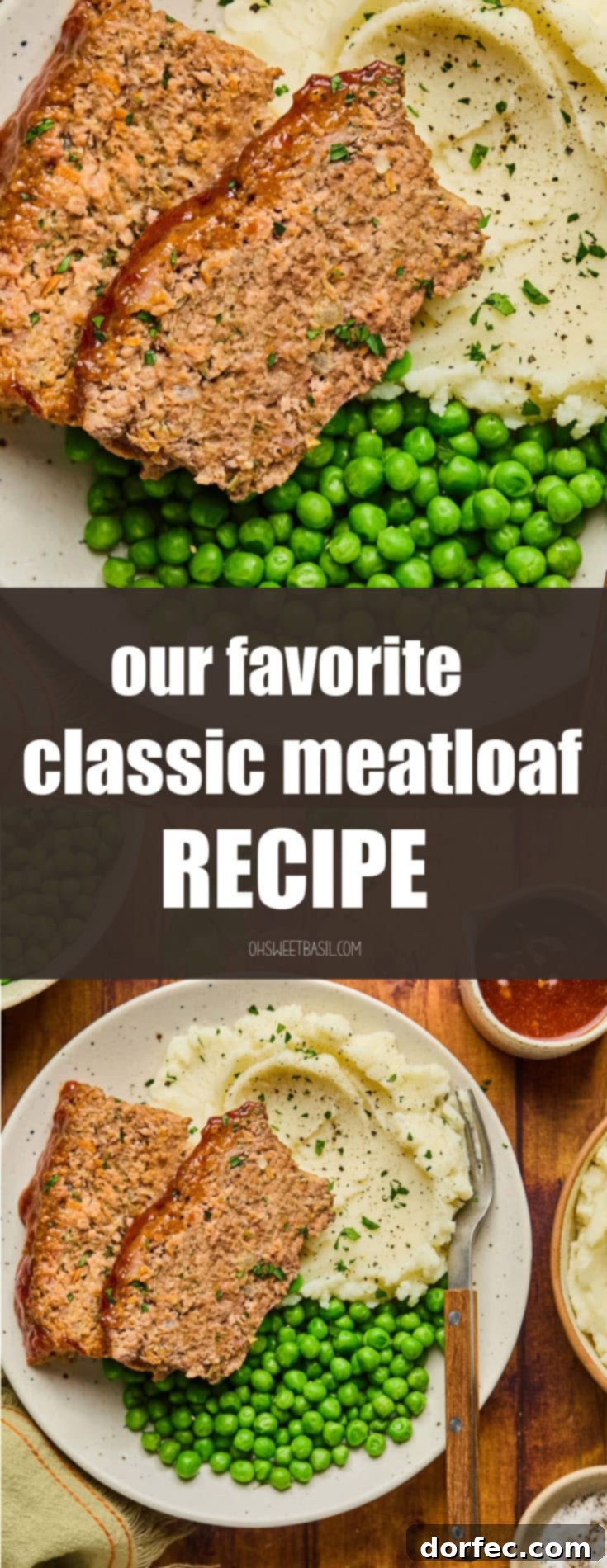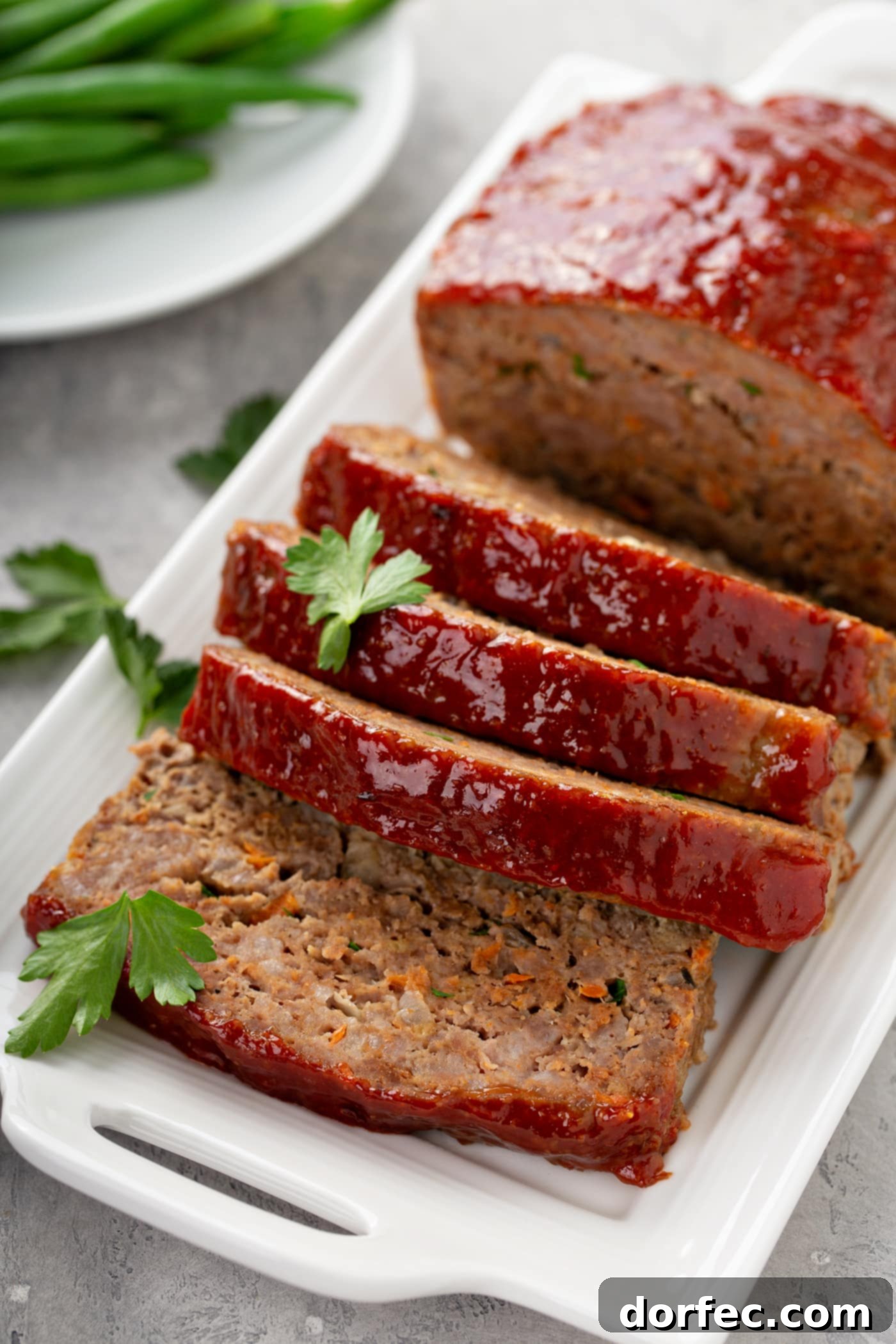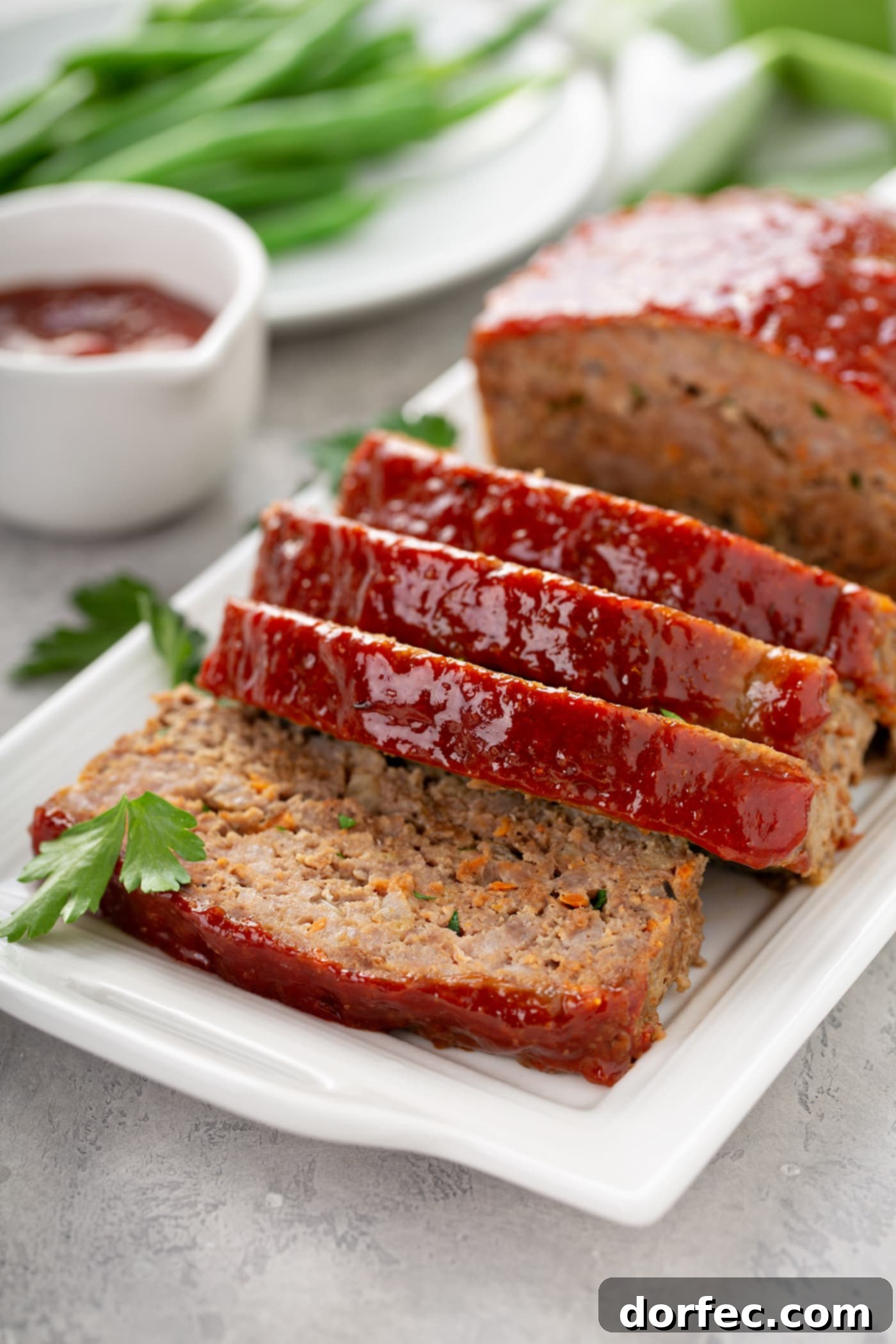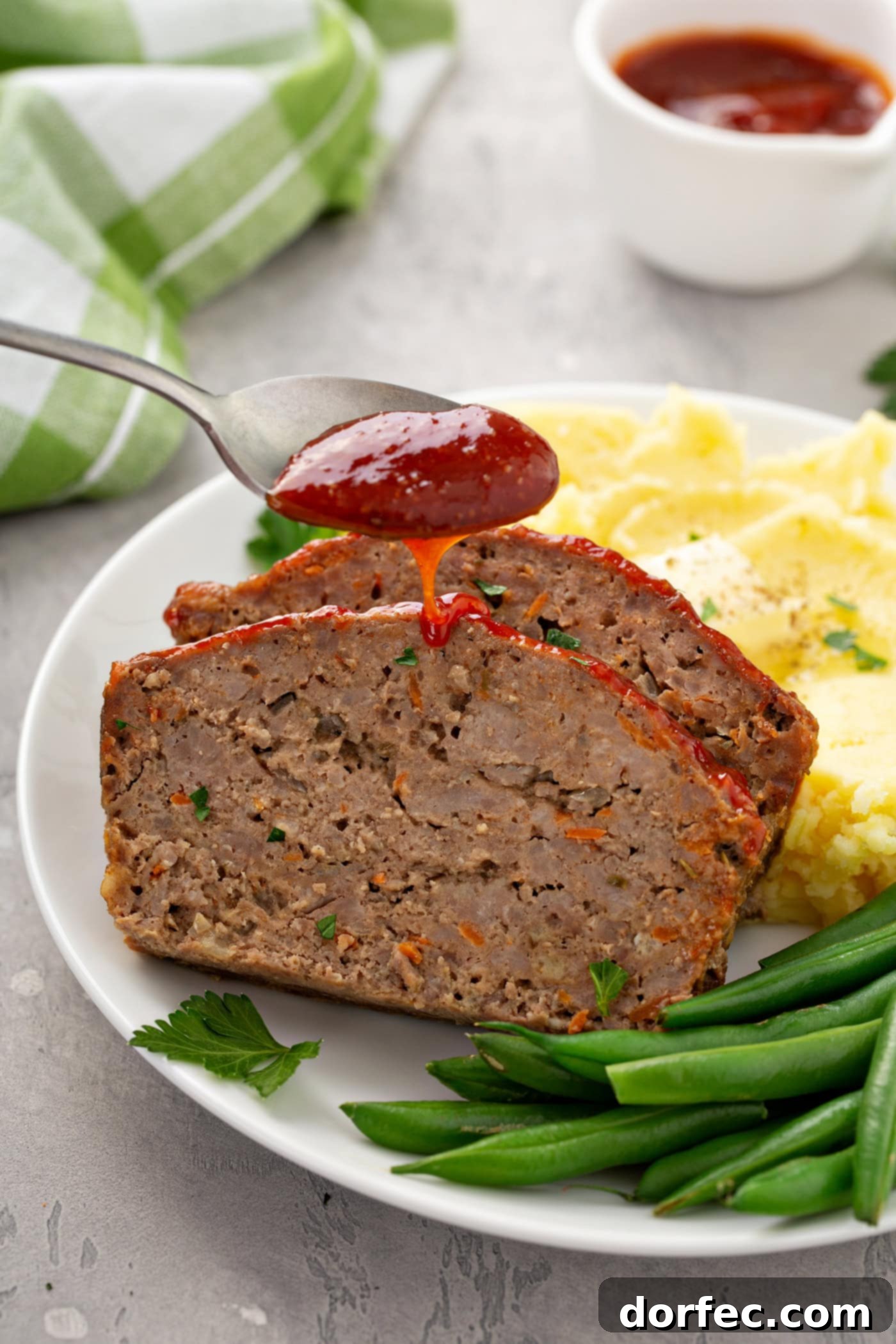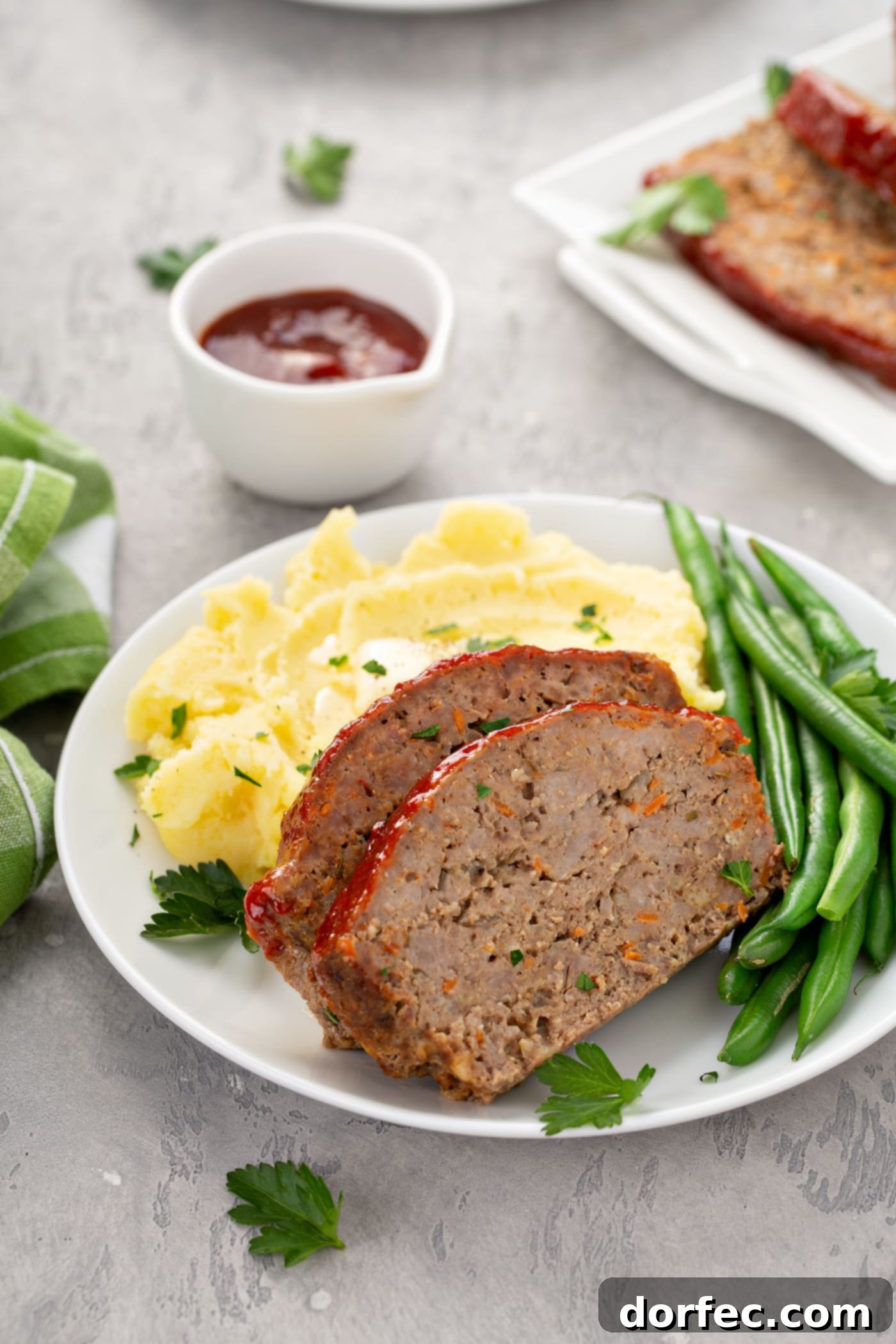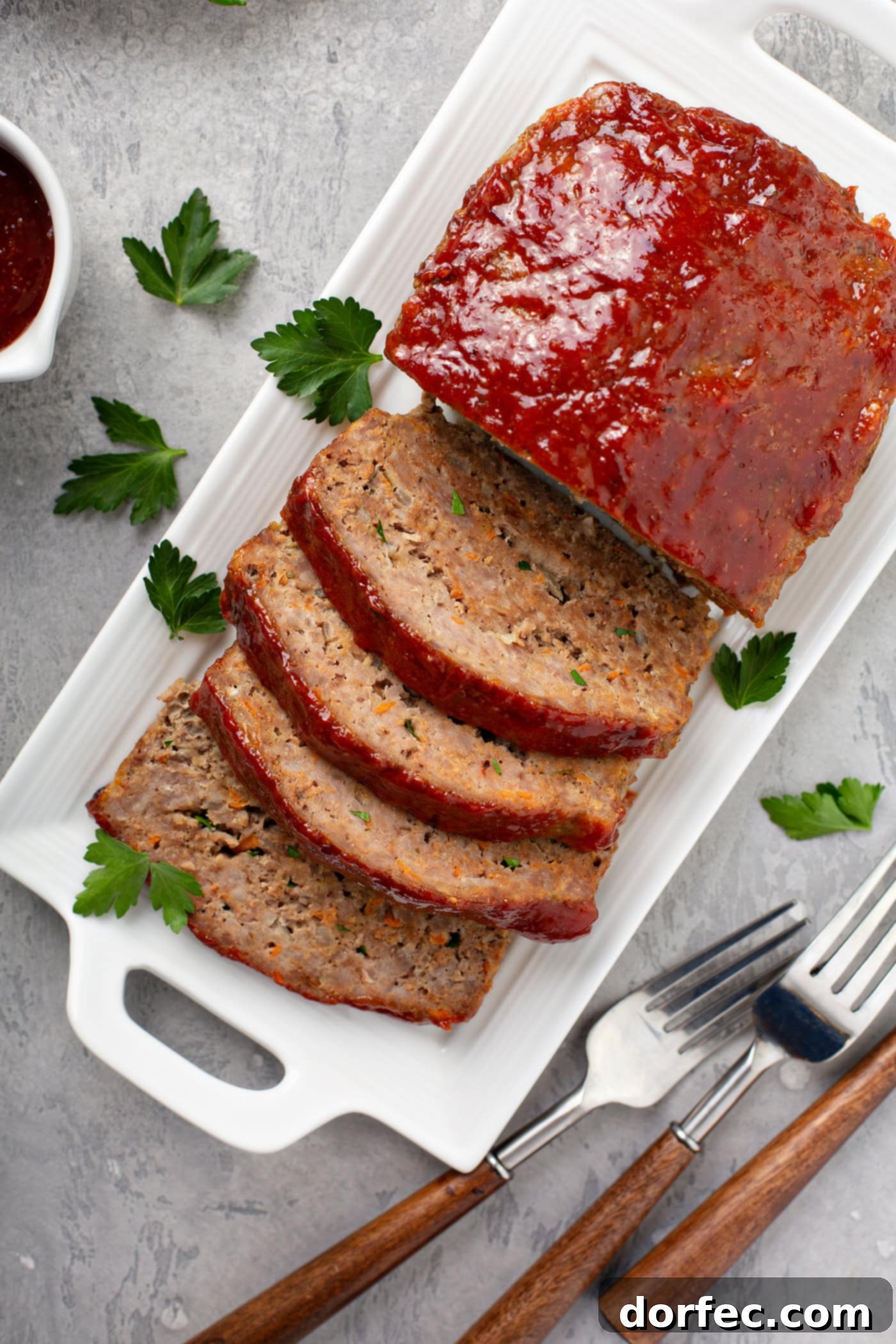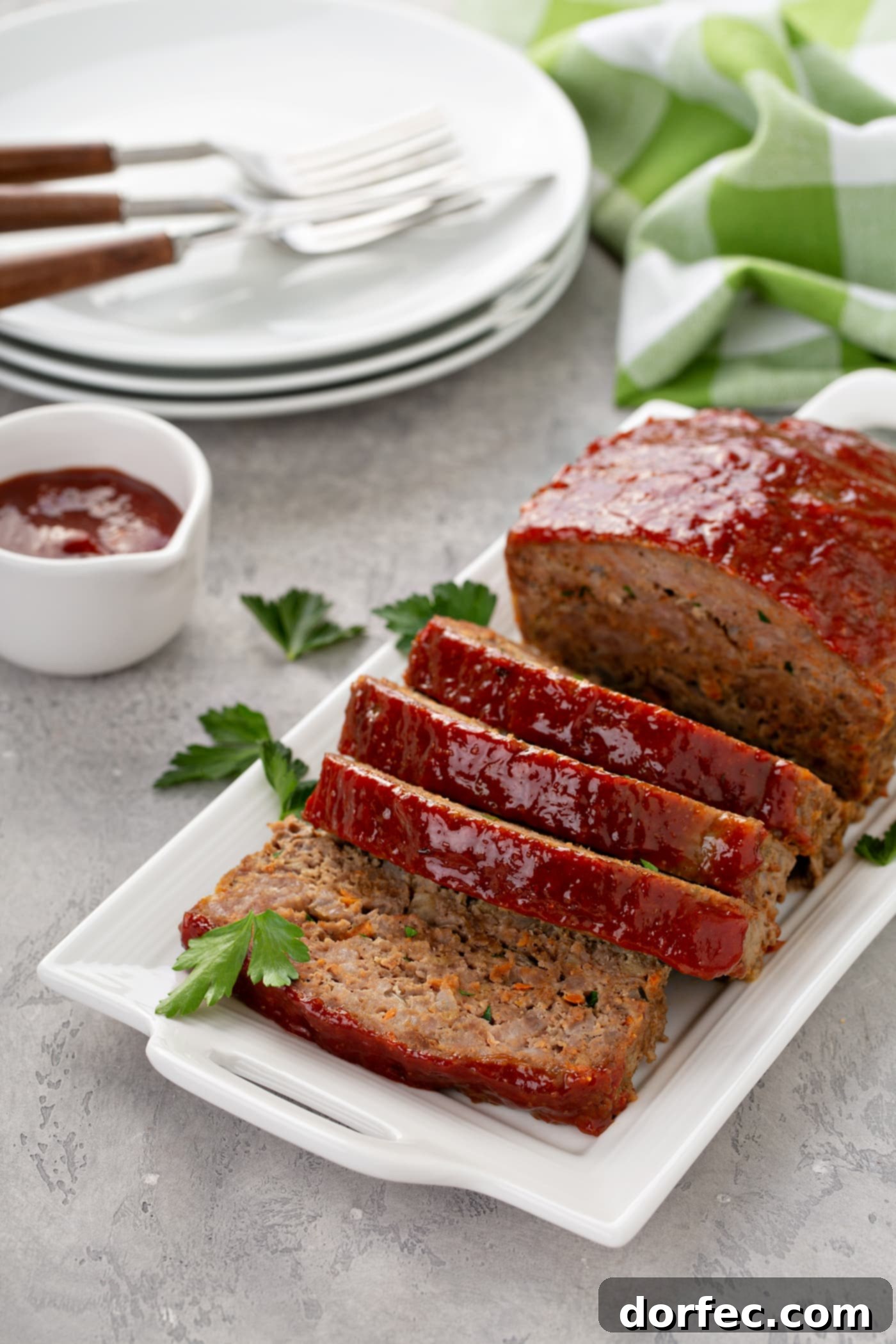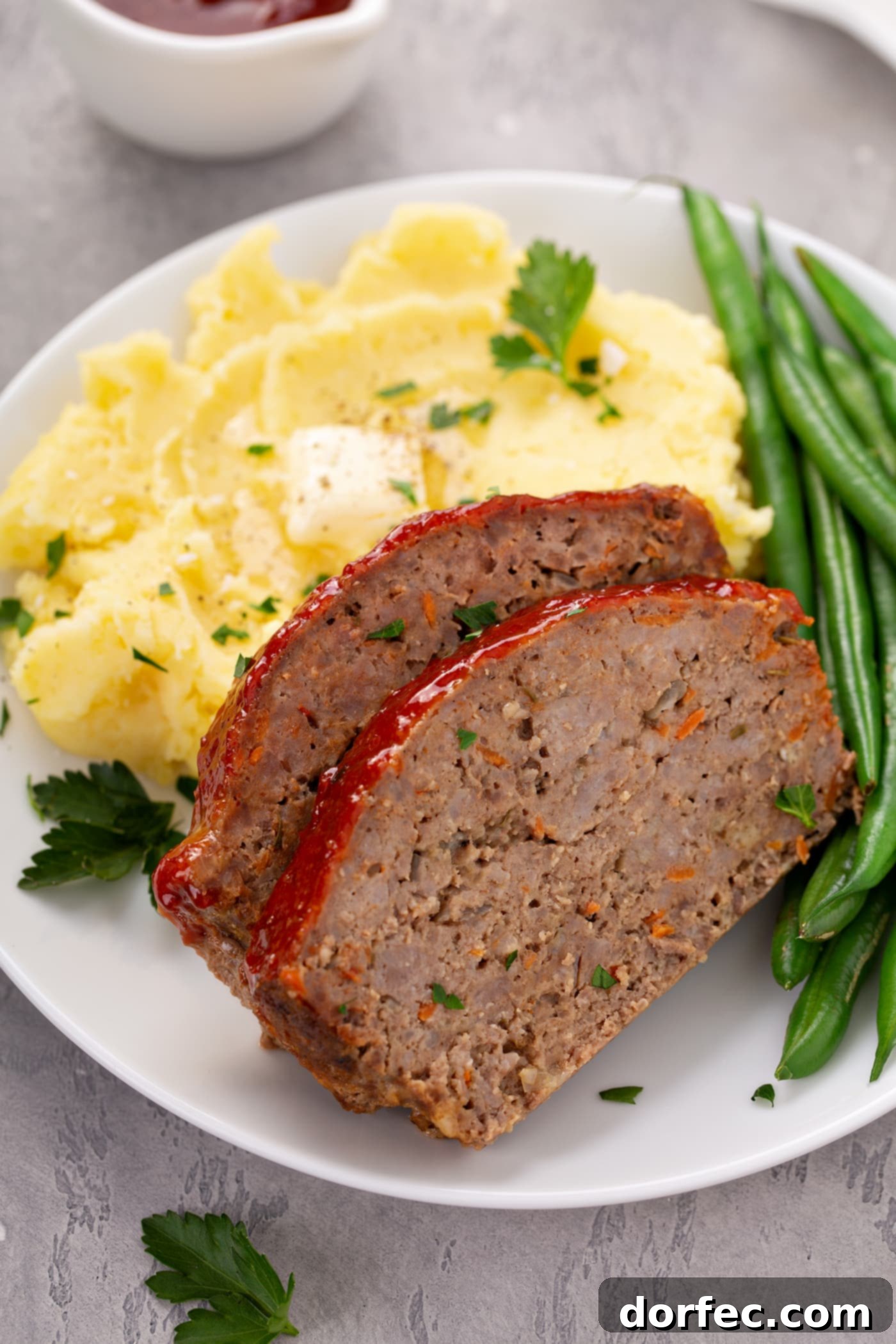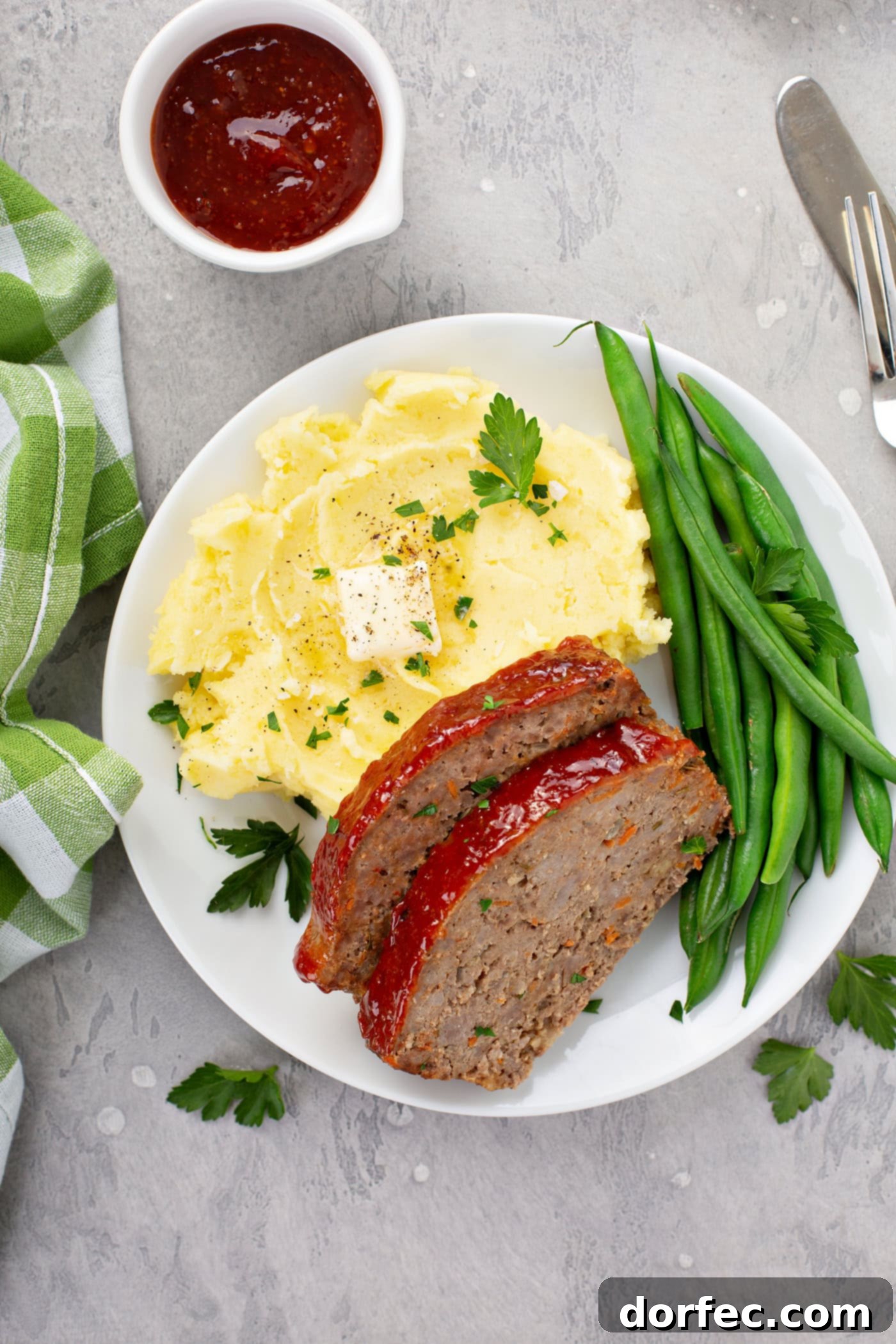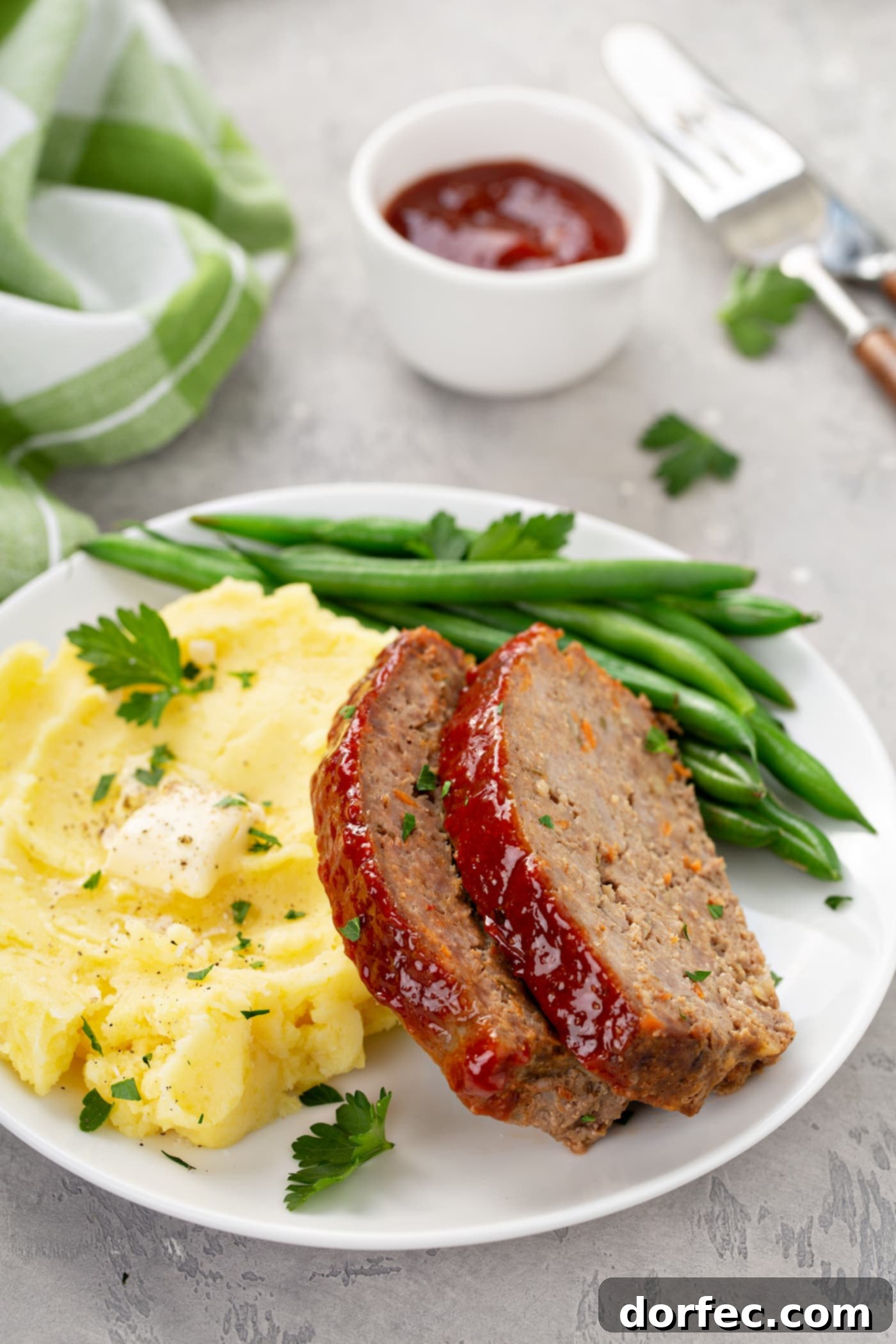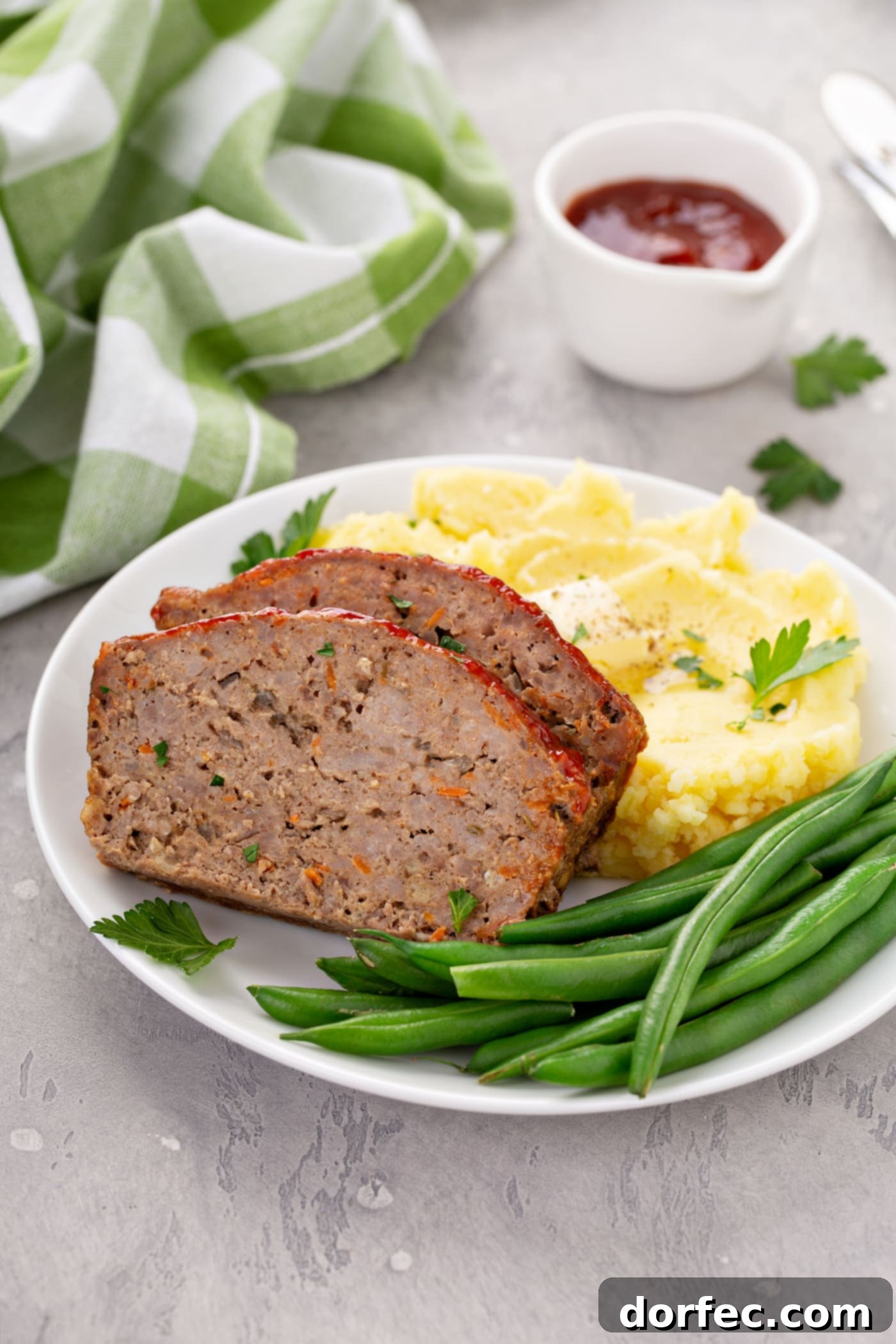
A truly exceptional classic meatloaf recipe stands apart for several key reasons: it’s never over-mixed, always features a vibrant glaze, and its secret often lies in a carefully selected combination of ground meats that delivers unparalleled flavor and texture. This isn’t just a meal; it’s a culinary experience designed to become a cherished family favorite, bringing warmth and comfort to every dinner table.
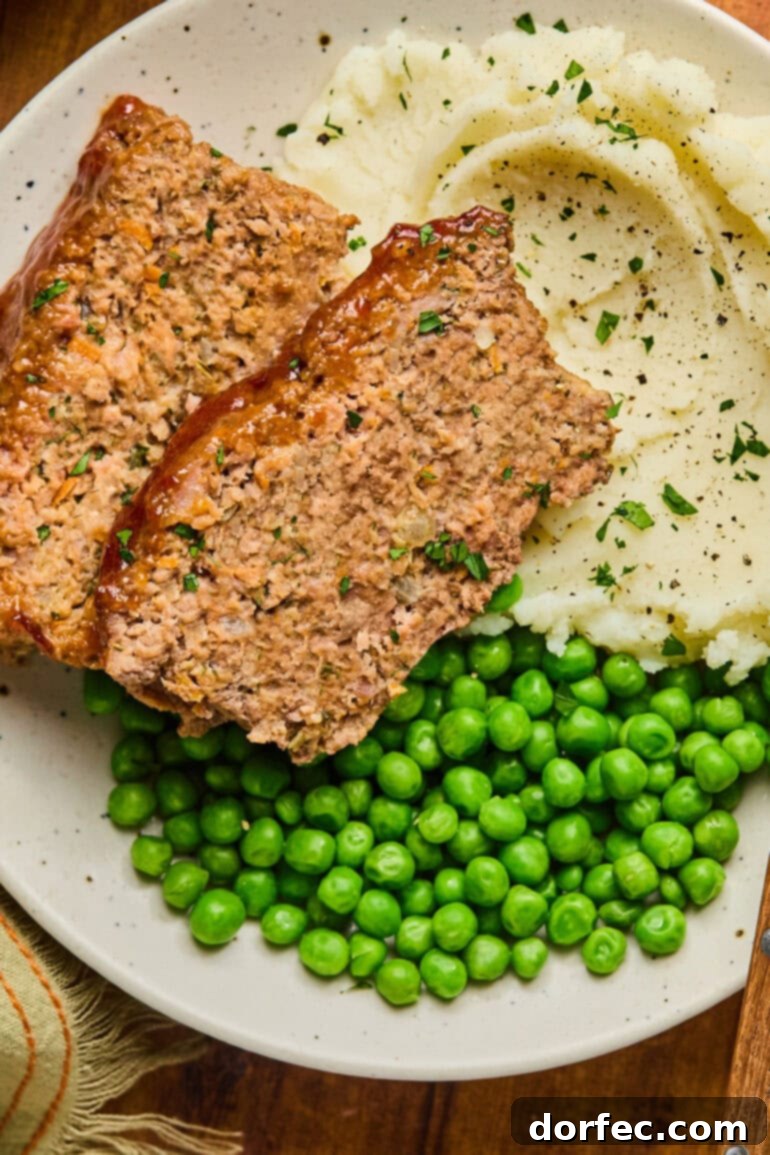
Meatloaf often sparks a lively debate: you either wholeheartedly adore it or you simply can’t stand it. However, we believe this polarizing perception largely depends on whether you’ve been fortunate enough to taste a truly phenomenal meatloaf, or if your experiences have been limited to merely average versions. Our mission with this recipe is simple: to transform every skeptic into a devoted meatloaf lover. Prepare to experience a homemade meatloaf that transcends expectations, boasting flavors that evoke nostalgic memories of home-cooked meals, just like mom used to make.
With its rich, savory aroma filling the kitchen, does it even matter who’s coming to dinner when this magnificent dish is on the menu? This isn’t just a meal; it’s a gathering, a celebration of comfort food at its finest. This comprehensive guide provides our absolute favorite homemade meatloaf recipe, accompanied by answers to every frequently asked question, ensuring your meatloaf turns out perfectly moist, flavorful, and unforgettable every single time.
Essential Ingredients for the Ultimate Classic Meatloaf
Crafting the perfect meatloaf begins with selecting the right ingredients. Let’s dive into the core components, starting with the star of the show: the meat blend. As previously hinted, the secret to an outrageously delicious meatloaf lies in a specific combination of ground meats that work synergistically to create a depth of flavor and tender texture you won’t find with a single type of meat:
- The Signature Meat Combination:
- Ground Beef Chuck: Provides robust beefy flavor and a good fat content crucial for moisture.
- Ground Pork: Adds richness, tenderness, and a slightly sweet, savory dimension.
- Ground Veal: Contributes a delicate, mild flavor and an incredibly tender texture, making the loaf exceptionally succulent.
This trio is truly the best, offering an unparalleled taste experience. However, if you prefer to keep things simple or have dietary restrictions, you can absolutely use all lean ground beef chuck. Rest assured, your meatloaf will still be wonderfully delicious and satisfying.
Beyond the meat, these essential ingredients contribute to the meatloaf’s structure, moisture, and irresistible flavor profile:
- Vegetable Oil
- Onion (finely chopped for even distribution and flavor)
- Garlic (minced, for aromatic depth)
- Carrot (finely shredded, adding subtle sweetness and moisture)
- Thyme (dried, a classic herb pairing with beef)
- Eggs (crucial binders that hold the loaf together)
- Sea Salt (enhances all flavors)
- Black Pepper (adds a hint of warmth and spice)
- Dijon Mustard (provides a tangy, complex note that elevates the savory flavors)
- Ketchup (adds sweetness and acidity to the meat mixture)
- Worcestershire Sauce (umami booster, adding deep savory notes)
- Milk (contributes moisture and helps keep the meatloaf tender)
- Ritz Crackers (crushed, or breadcrumbs; acts as a binder and moisture retainer, preventing a dense texture)
- Fresh Parsley (chopped, for a fresh, herbaceous finish)
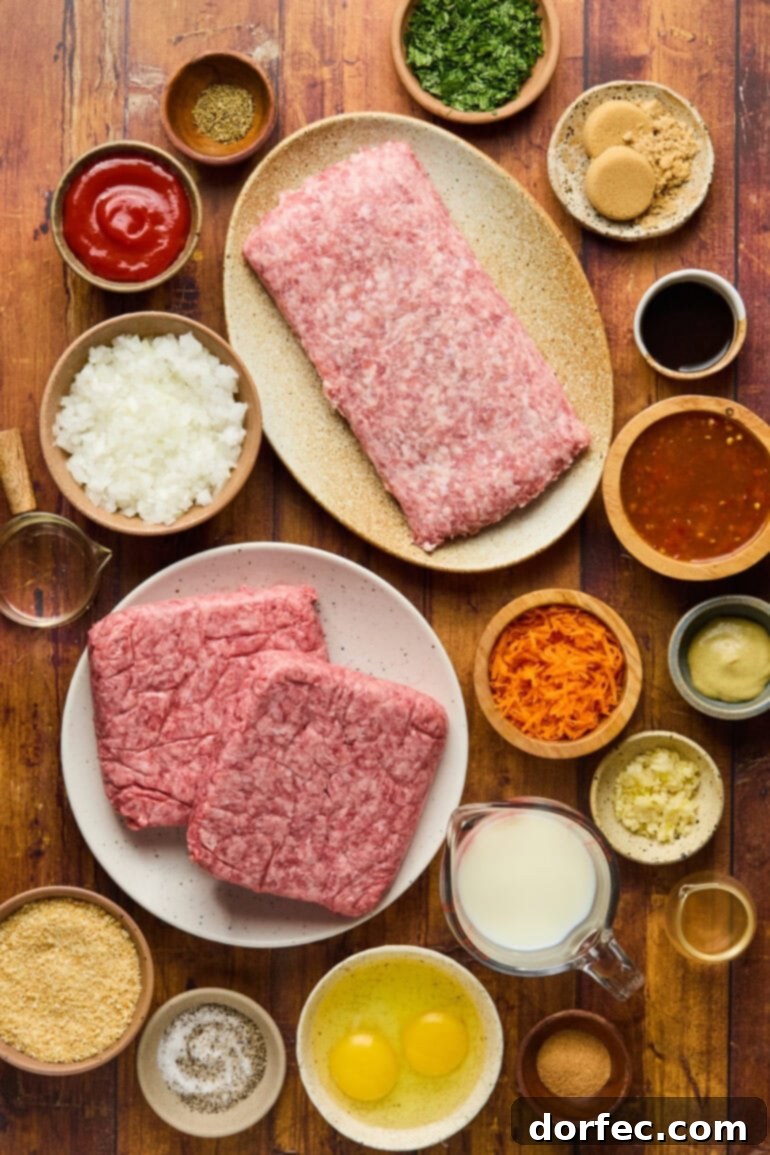
And of course, we absolutely cannot forget the crowning jewel of this dish: the glorious meatloaf glaze! It’s undeniably my favorite part – a sweet, tangy, and savory topping that perfectly complements the rich meatloaf and makes it truly shine. This irresistible glaze is composed of:
- Ketchup
- Chili Sauce (adds a subtle kick and complexity)
- Apple Cider Vinegar (for a touch of bright acidity)
- Worcestershire Sauce
- Brown Sugar (provides sweetness and helps achieve a beautiful caramelization)
- Garlic (powder, for an even garlic flavor)
- Salt
Exact measurements for all these ingredients can be found in the detailed recipe card located at the conclusion of this post.
Mastering the Art of the Best Meatloaf: A Step-by-Step Guide
Now that we’ve gathered all our incredible ingredients, let’s walk through each crucial step of preparing this traditional meatloaf recipe. Achieving a perfectly tender, moist, and flavorful meatloaf is easier than you think when you follow these instructions carefully. We’ve broken it down for clarity, ensuring your success from start to finish. Here’s how to make a meatloaf that will impress everyone:
- Preparation is Key: Begin by preheating your oven to a steady 350 degrees Fahrenheit (175°C). While the oven heats, place a large skillet on your stovetop and warm a small amount of vegetable oil over medium-high heat. This initial step sets the stage for building deep flavors.
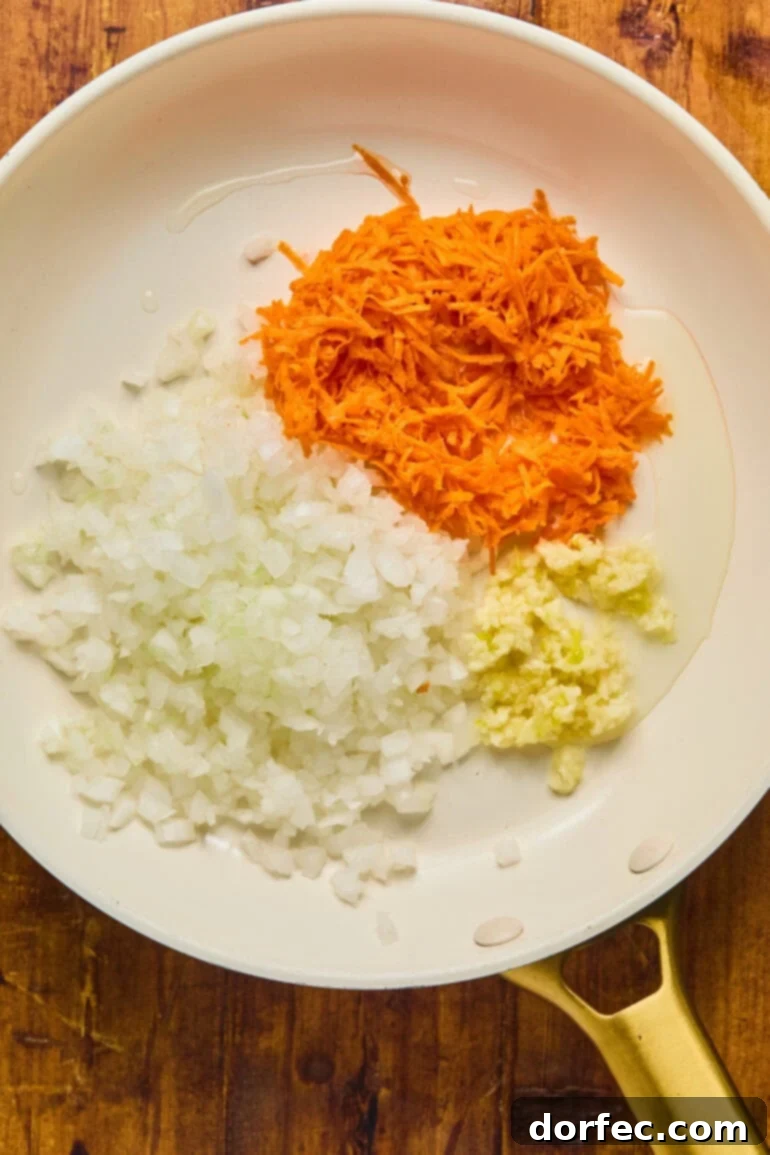
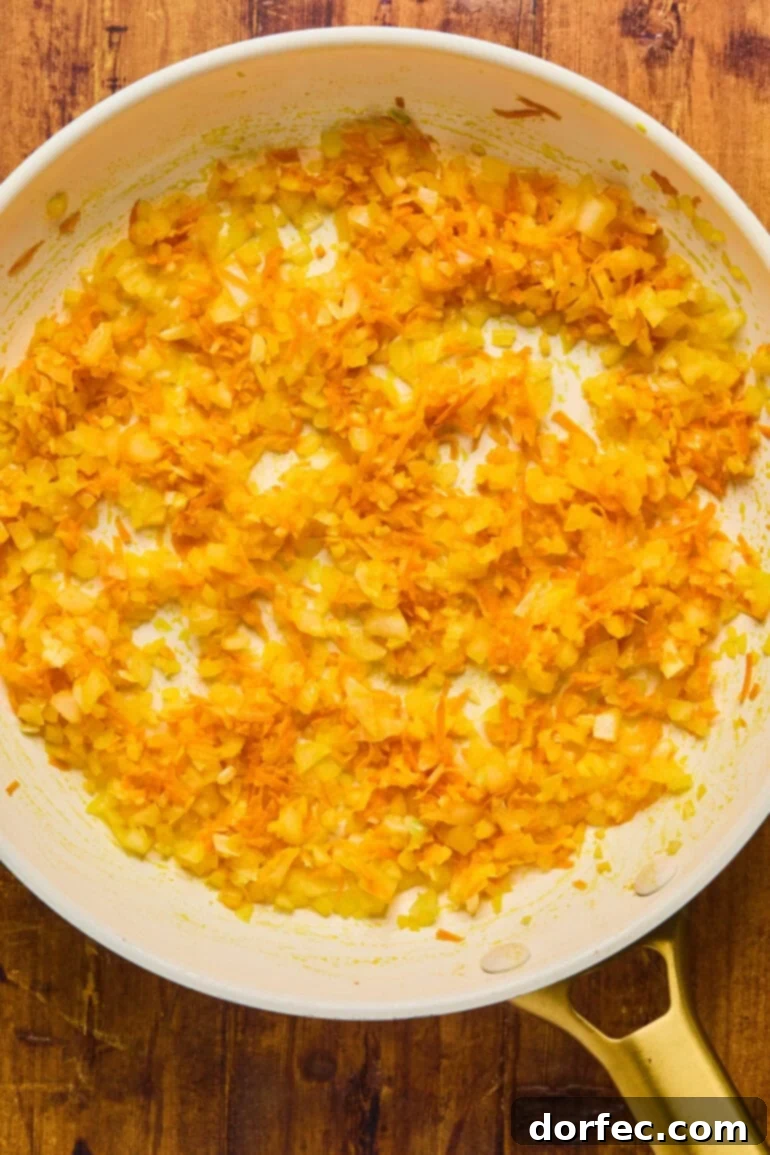
- Sautéing Aromatics: Add the finely chopped onion, shredded carrots, and minced garlic to the heated skillet. Sauté these vegetables until they are tender and slightly softened, typically taking about 5 minutes. This process is vital; cooking the aromatics first softens them, releasing their sweet and savory essences, which prevents a raw crunch in the finished meatloaf and infuses the entire dish with a foundational layer of flavor. Once softened, remove them from the heat and set them aside to cool completely.
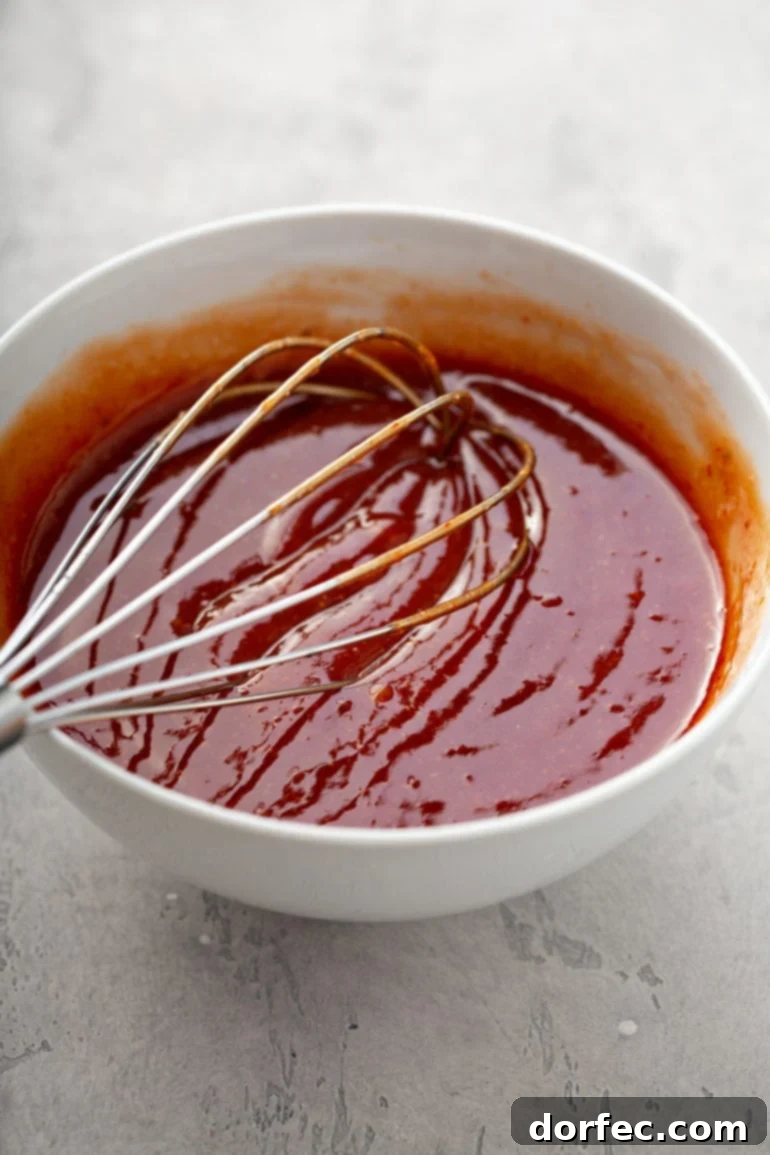
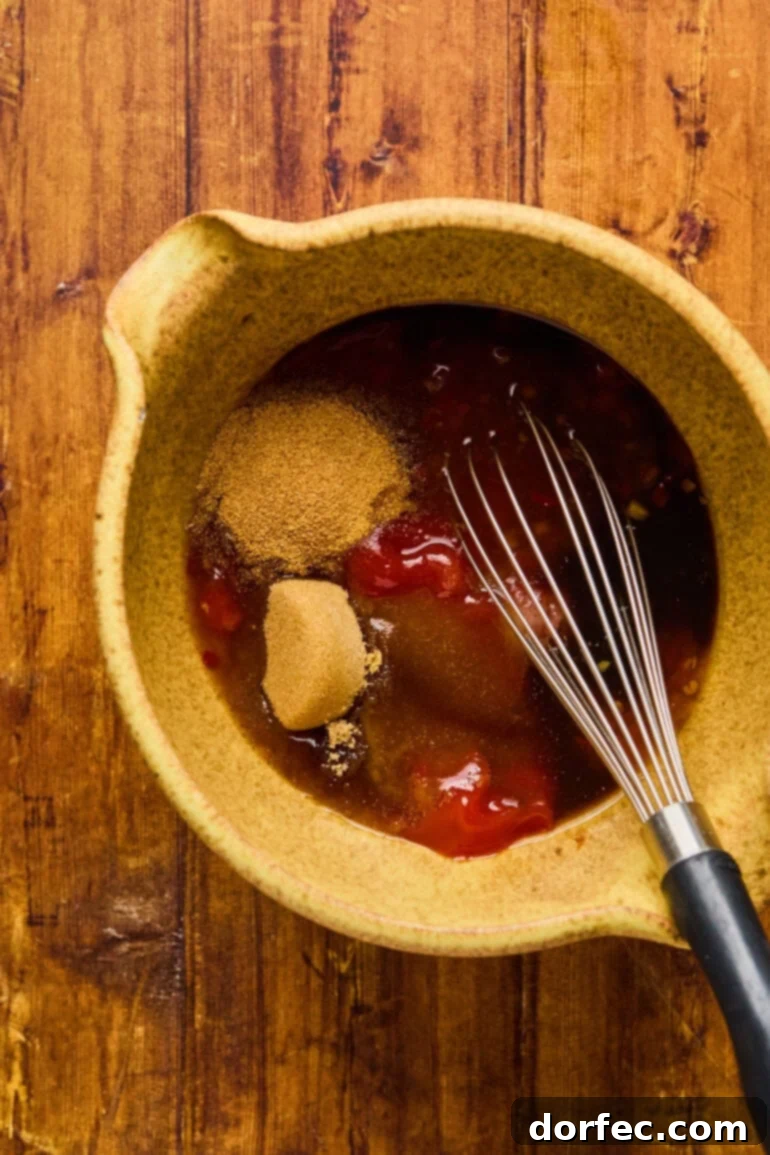
- Crafting the Irresistible Glaze: While your vegetables are gently cooking, take this opportunity to prepare the meatloaf glaze. In a small bowl, whisk together all the glaze ingredients (ketchup, chili sauce, apple cider vinegar, Worcestershire sauce, brown sugar, garlic powder, and salt) until well combined and smooth. Having the glaze ready beforehand streamlines the cooking process and ensures it’s perfectly prepared when needed.
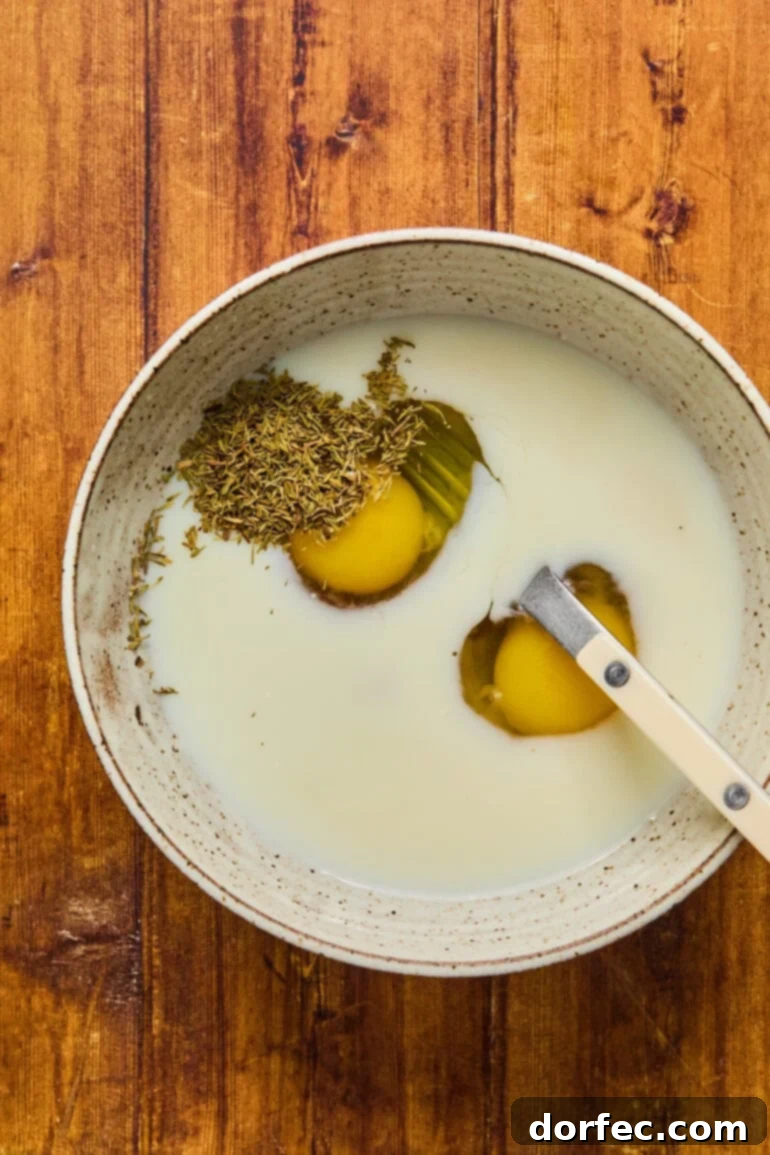
- Whisk the Wet Binders: In another small bowl, combine the eggs, dried thyme, sea salt, black pepper, and milk. Whisk these ingredients together thoroughly until they are fully integrated. The eggs serve as a primary binder, while the milk adds essential moisture, contributing to a tender meatloaf.
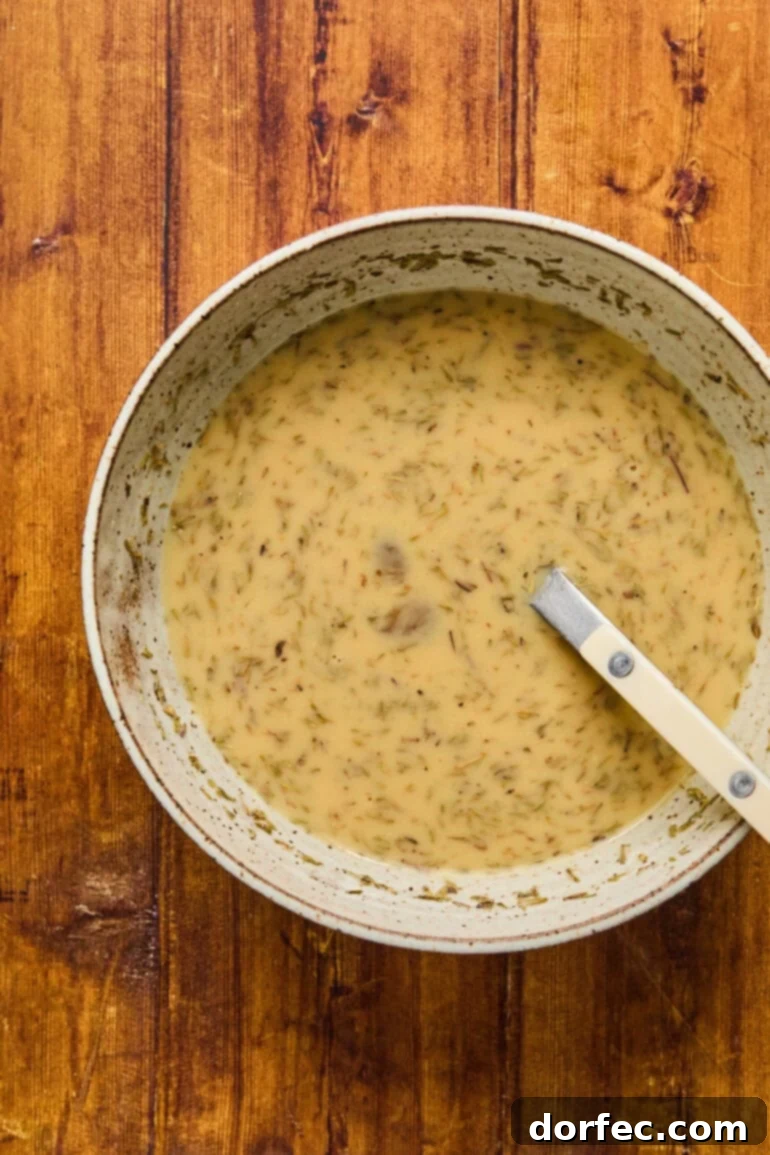
- Integrate the Flavor Enhancers: To the egg and milk mixture, add the Dijon mustard, additional ketchup, and Worcestershire sauce. Whisk everything together until all the wet ingredients are completely blended. These elements not only add moisture but also introduce layers of tangy, savory, and umami flavors that are critical to the meatloaf’s signature taste.
Assembling and Baking Your Perfect Meatloaf
The success of your meatloaf hinges on careful mixing and precise baking. Follow these steps to ensure a tender, flavorful loaf with a beautiful, caramelized glaze:
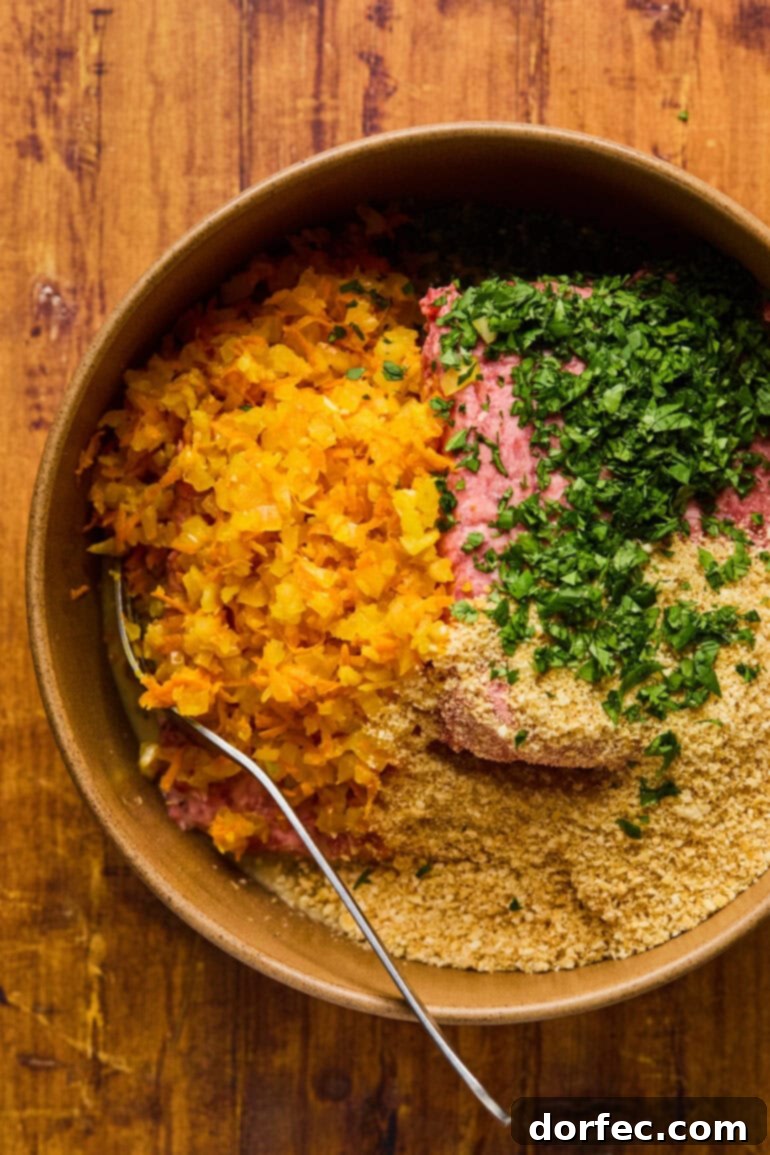
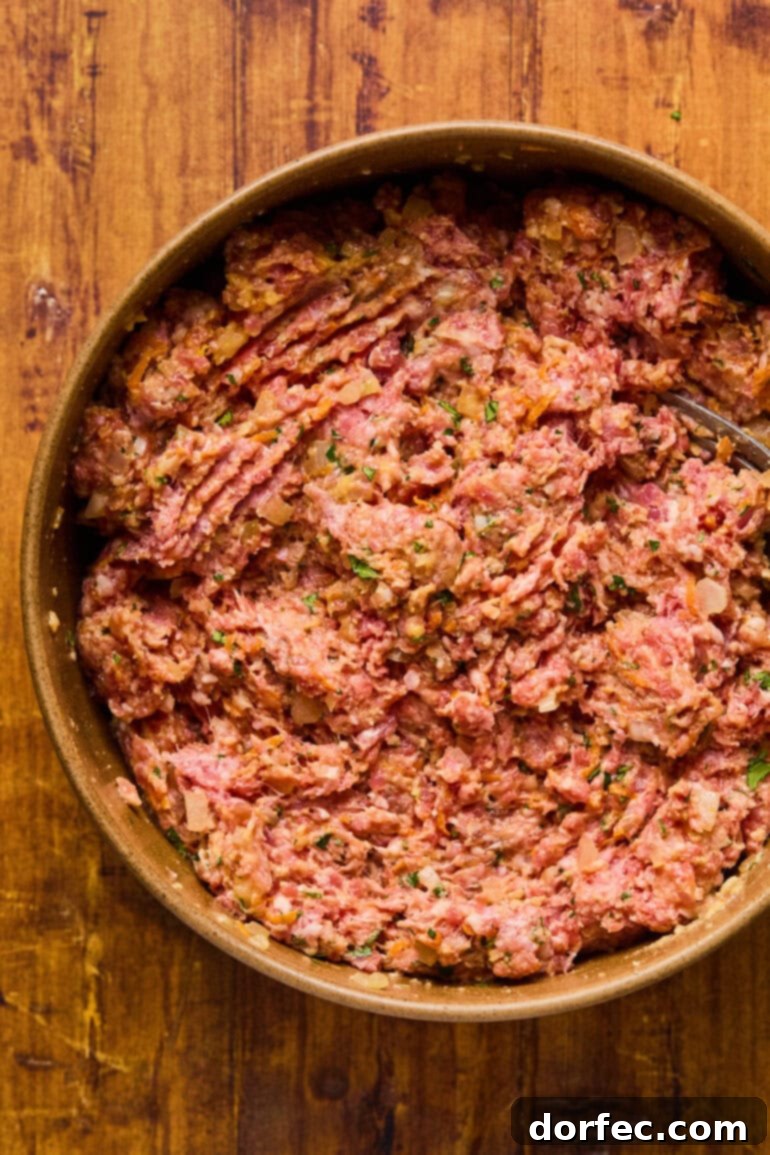
- Combine the Meat Mixture: Place your chosen ground meat(s) (the beef, pork, and veal blend or just ground beef) in a large mixing bowl. Add the whisked egg mixture, crushed Ritz crackers (or breadcrumbs), fresh parsley, and the cooled, sautéed onions, carrots, and garlic. Using a fork or your hands (gloves recommended for hygiene), gently mix all the ingredients together until they are just combined. **Crucially, avoid overmixing.** Overworking the meat can lead to a dense, tough meatloaf. The mixture should feel evenly blended and cohesive, but still loose enough that it doesn’t stick excessively to the sides of the bowl or your hands.
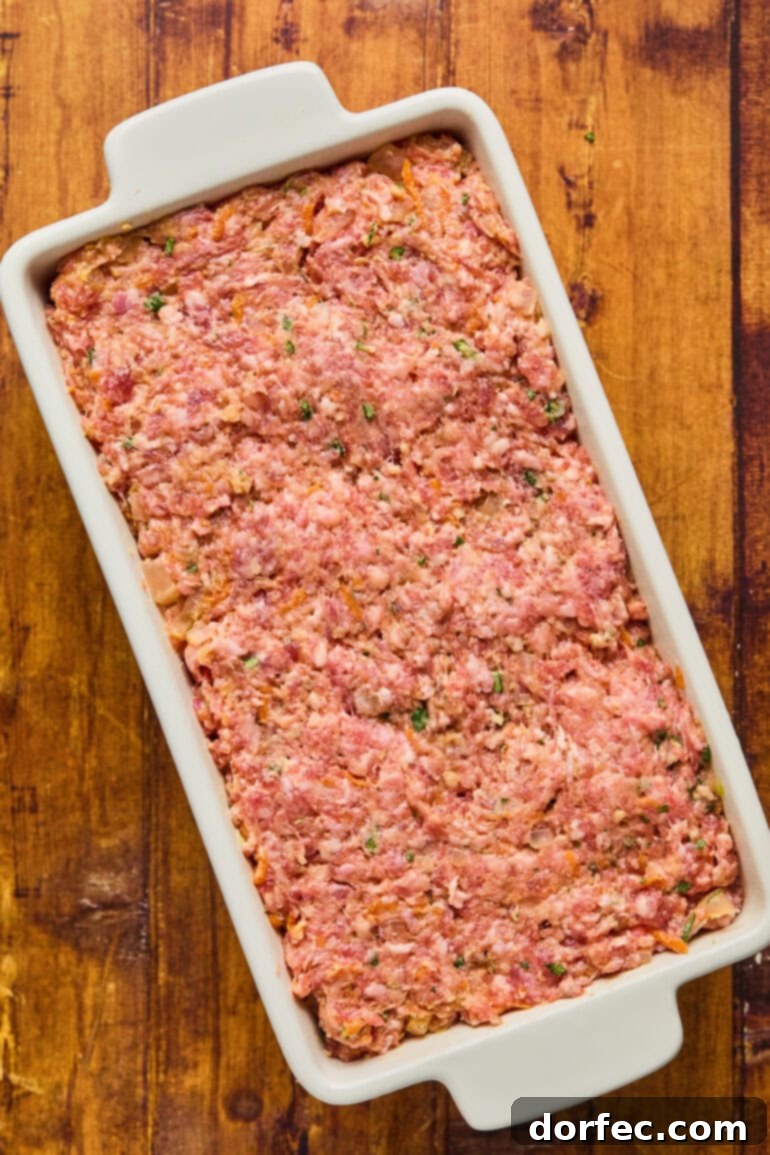
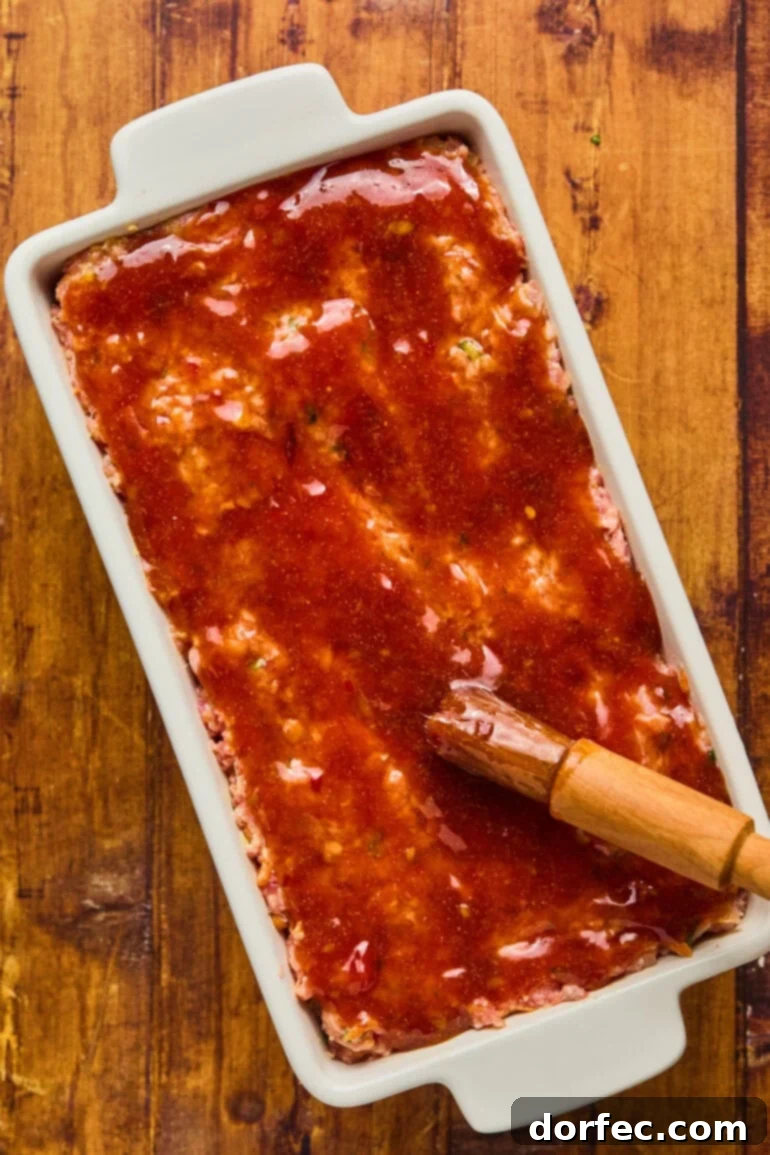
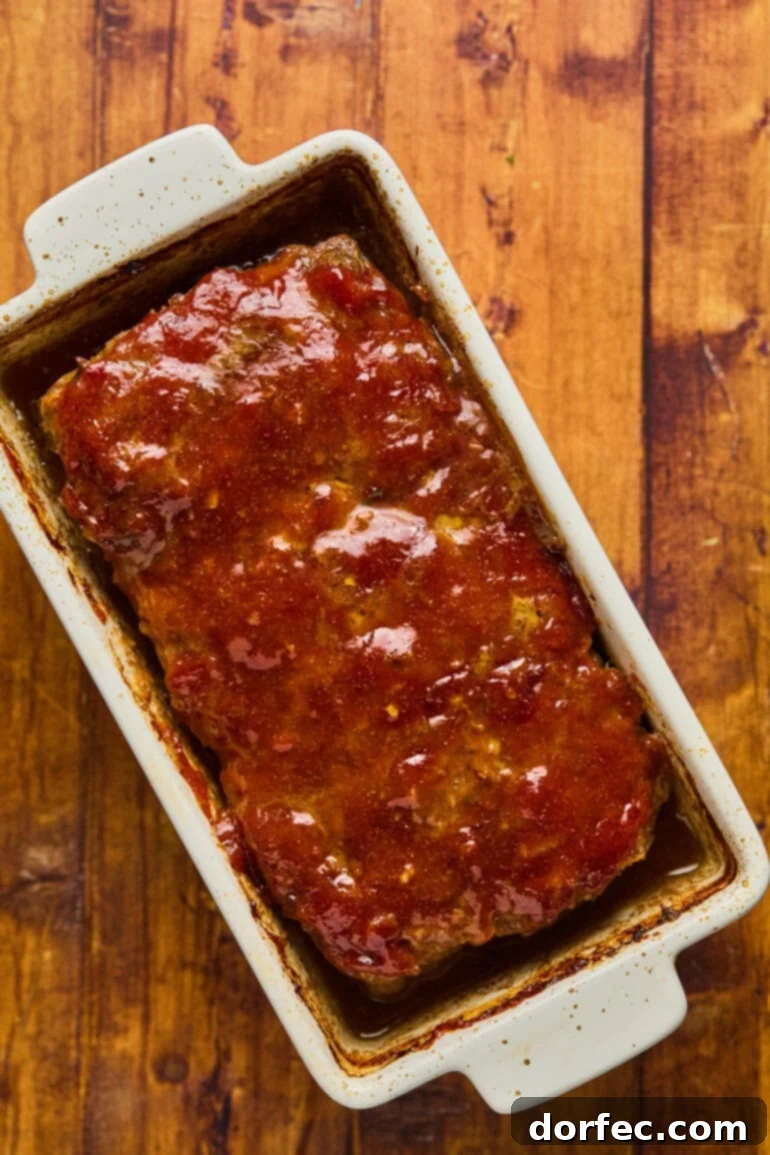
- Form and First Glaze Application: Transfer the meat mixture into a standard loaf pan. Press it down firmly but gently, ensuring it’s evenly distributed throughout the pan and shaped into a smooth loaf. Even distribution promotes uniform cooking. Now, take about a quarter of your prepared glaze and brush it generously all over the top surface of the meatloaf. This first layer will begin to caramelize and build flavor during the initial bake. Carefully place the loaf pan into your preheated oven and bake until this first glaze layer is set and slightly browned, which typically takes about 45 minutes.
- Second Glaze and Final Bake: After the initial 45 minutes, carefully pull the meatloaf out of the oven. Apply another quarter of the prepared glaze evenly over the top, creating a second rich layer. Return the meatloaf to the oven and continue baking until this second coat has also set and, most importantly, the internal temperature of the loaf reaches 160 degrees Fahrenheit (71°C) when measured with an instant-read meat thermometer inserted into the thickest part of the loaf. This usually requires an additional 15 minutes or so, but always rely on the thermometer for accuracy.
- Rest and Thicken Remaining Glaze: Once the meatloaf reaches its safe internal temperature, remove it from the oven. Resist the urge to slice it immediately! Allow the meatloaf to rest in the pan for at least 10 minutes. This resting period is crucial as it allows the juices to redistribute throughout the loaf, resulting in a much moister and more tender slice. While the meatloaf rests, transfer the remaining half of your prepared glaze to a small saucepan and simmer it over medium heat, stirring occasionally, until it has thickened slightly to your desired consistency. This creates a delicious, warm sauce for serving.
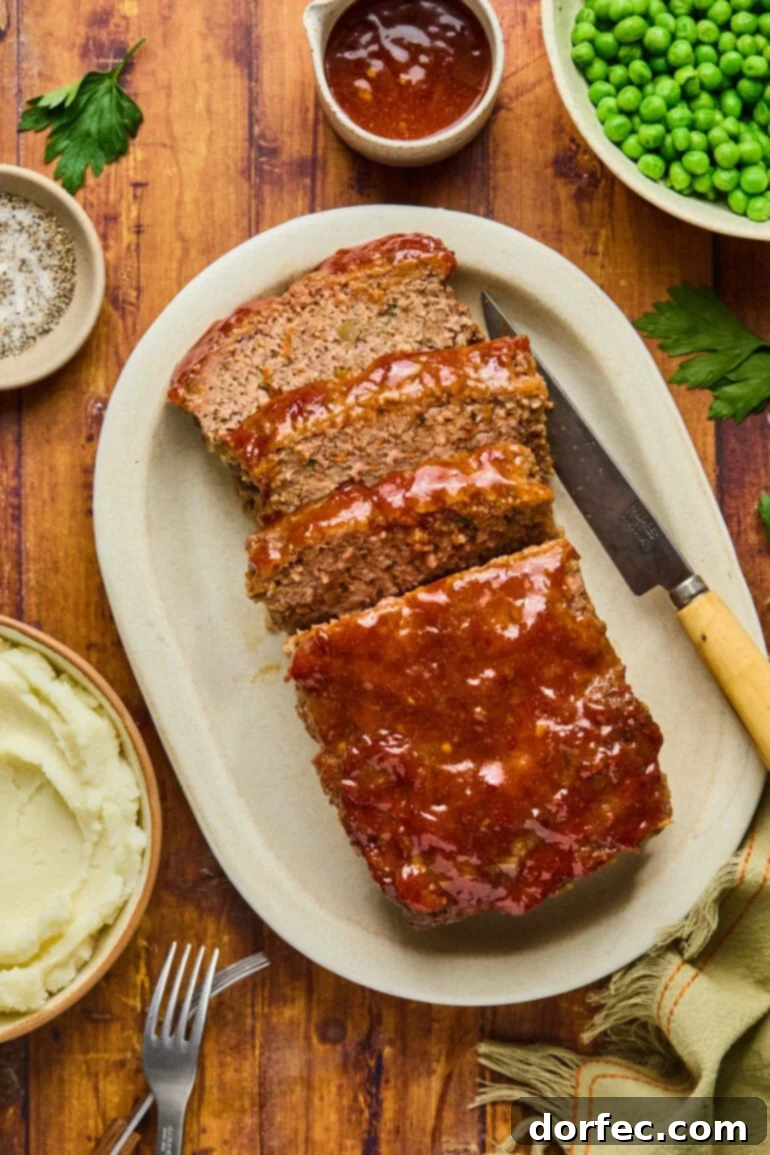
- Slice and Serve with Extra Glaze: After resting, carefully transfer the meatloaf to a cutting board. Using a sharp knife, slice it into generous portions. Serve the slices immediately, offering the extra thickened glaze in a small bowl on the side. This allows everyone to add as much of the irresistible glaze as they desire, enhancing each bite.
This meatloaf is truly incredibly delicious! Its savory flavor, tender texture, and sweet-tangy glaze make for a truly satisfying meal. I’m practically craving a slice right now! The complete, detailed recipe with all measurements is conveniently located in the recipe card at the very end of this post.
Meatloaf Mastery: Frequently Asked Questions
What to Serve with Meatloaf?
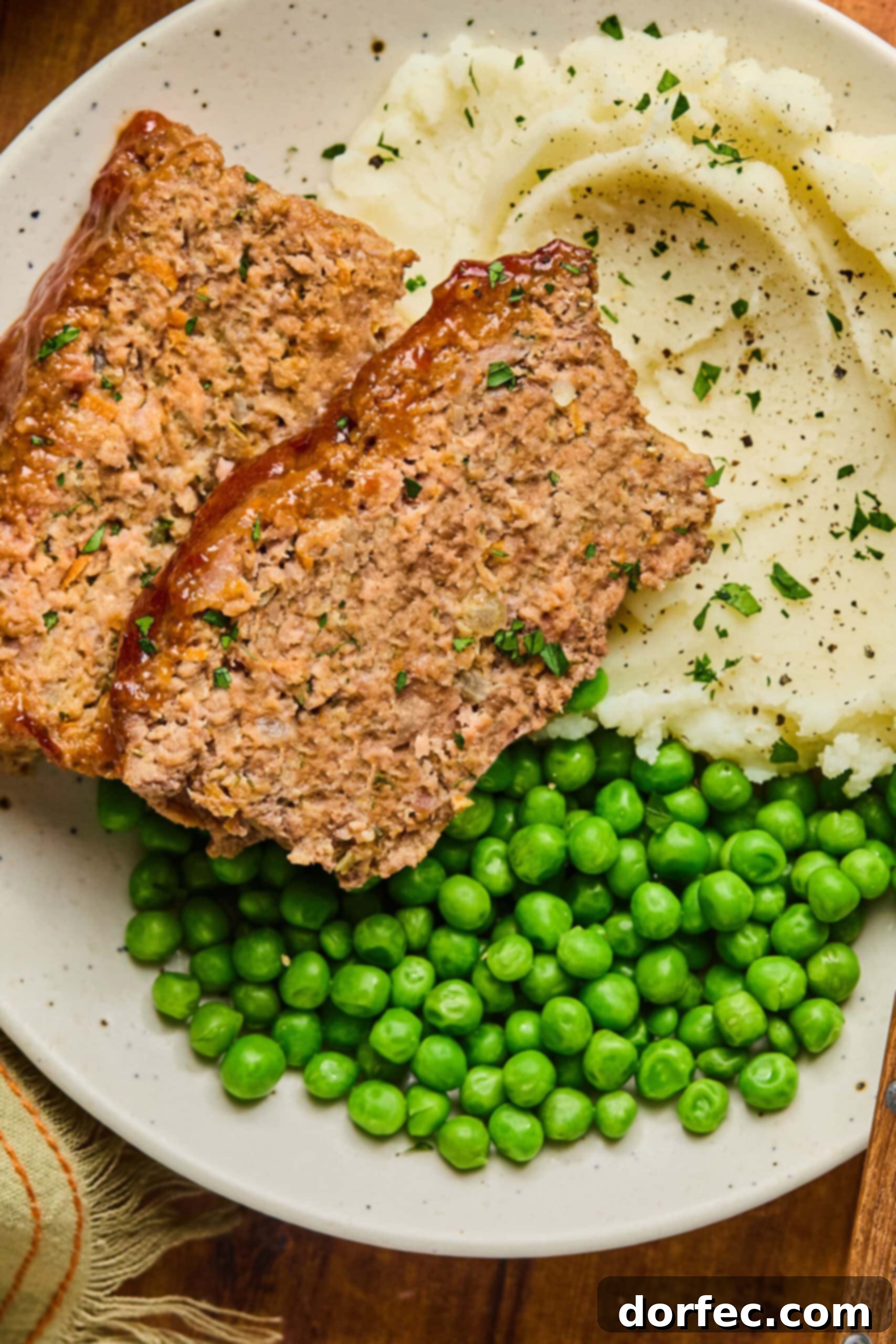
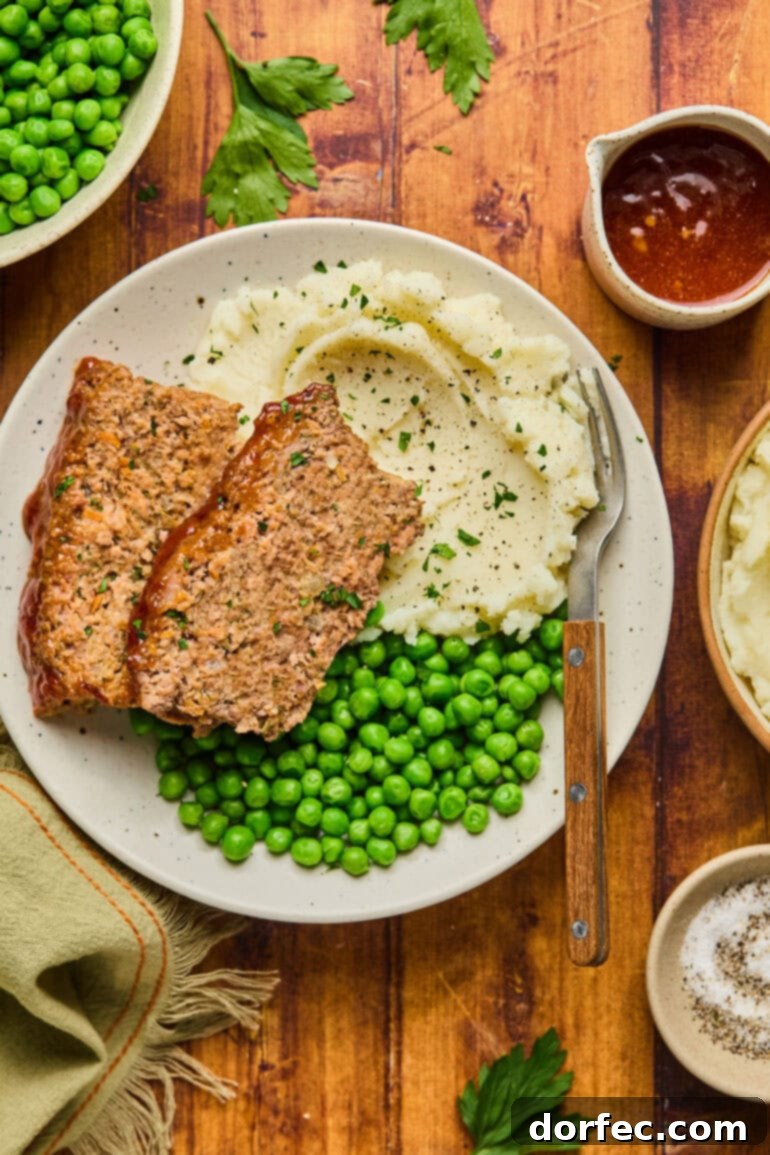
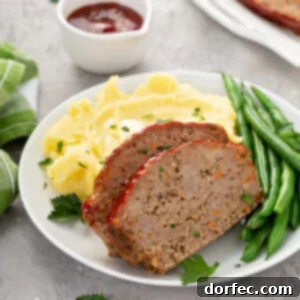
This classic comfort food meal demands equally classic and comforting side dishes to complete the experience. We absolutely love serving this rich meatloaf with a potato-based side dish to soak up all those delicious juices and glaze. Some of our top recommendations include: creamy mashed potatoes, rich and savory scalloped potatoes, or simple yet satisfying baked potatoes with crispy skin. To balance the meal and add a touch of freshness, we always include a vegetable or salad. Our favorites are tender green beans with crispy bacon, bright lemon roasted broccoli, a refreshing tomato mozzarella salad, or a vibrant fruit salad to cleanse the palate. These pairings ensure a well-rounded and deeply satisfying meal that everyone will enjoy.
How Do You Keep Meatloaf Moist?
Achieving a wonderfully moist meatloaf is one of the most common goals for home cooks. One of the most effective strategies is to use higher fat meats. While leaner meats might be tempting for health reasons, they tend to dry out quickly during baking. Utilizing a blend that includes ground beef chuck, pork, and veal, as in our classic recipe, naturally contributes to a juicier, more tender result. Beyond the meat itself, ensuring you add **moisture at every step** of the mixing process is paramount. The eggs act as a binder but also add liquid, while the milk, Worcestershire sauce, ketchup, and Dijon mustard all contribute vital moisture and flavor. Furthermore, **sautéing the vegetables** (onions, carrots, garlic) before adding them to the meat mixture is a critical step for moisture retention. This softens the vegetables, allowing them to release their natural liquids and integrate seamlessly into the loaf, preventing a dry, crumbly texture. Don’t skip these essential steps for a truly succulent meatloaf!
Why Does My Meatloaf Fall Apart?
There are typically two main reasons why a meatloaf might crumble and fall apart when sliced. The primary culprits are usually insufficient binders or overcooking. The binders, such as eggs and breadcrumbs (or crushed Ritz crackers in our recipe), are what hold the meatloaf together, forming a cohesive structure during baking. If your meatloaf consistently falls apart, it’s a strong indicator that you may need to increase the amount of binding agents in your mixture the next time you prepare it. Another common cause is overcooking. When meatloaf is baked for too long or at too high a temperature, it can become excessively dry, causing the internal structure to lose its integrity and crumble. Always use a meat thermometer to ensure it’s cooked to the correct internal temperature of 160°F (71°C) without going beyond it.
Can Meatloaf Have a Little Pink Inside?
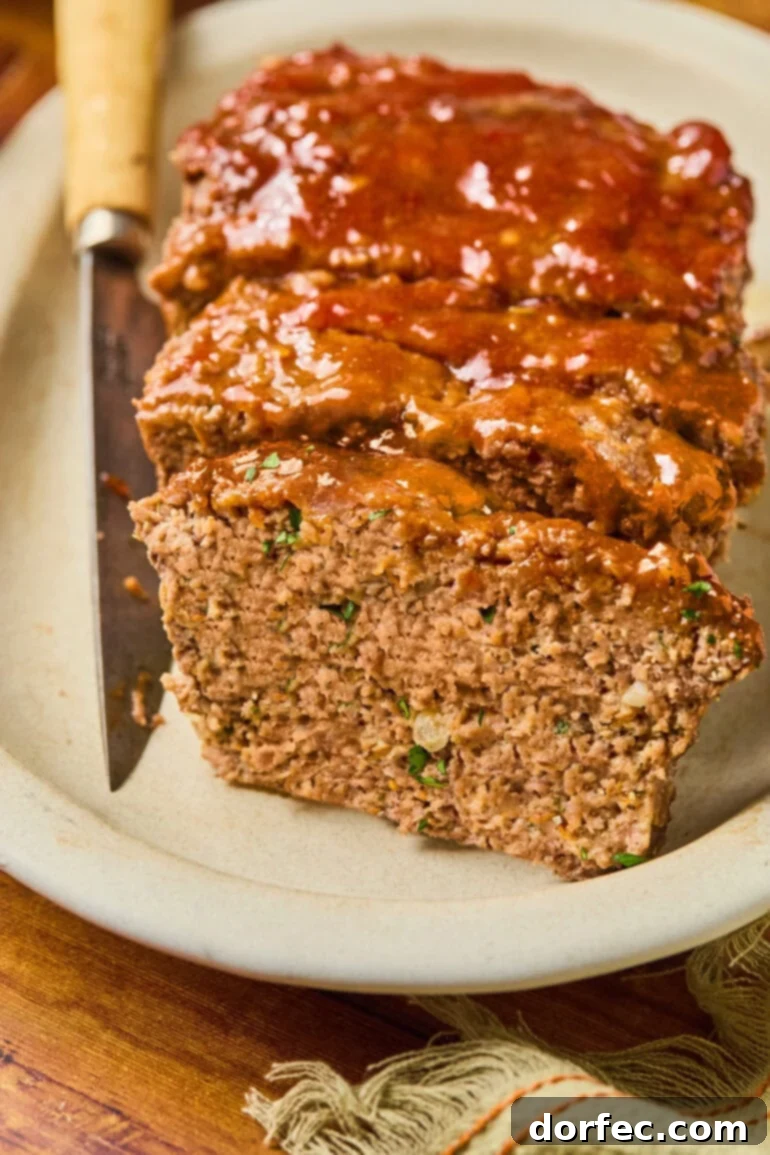
It is perfectly normal and safe for meatloaf to exhibit a slight pink hue in its center, even when fully cooked. The color of cooked meatloaf can sometimes be misleading due to various factors, including the presence of certain ingredients (like vegetables or spices) or the reaction of meat proteins to heat. The crucial determinant for doneness and safety isn’t color, but temperature. If your meatloaf has reached an internal temperature of 160 degrees Fahrenheit (71°C) in its thickest part, as measured with a reliable meat thermometer, then it is absolutely safe to eat, regardless of a faint pink color.
How Do You Know When Meatloaf is Done?
The most accurate and reliable way to determine if your meatloaf is fully cooked and safe to eat is by using an instant-read meat thermometer. Insert the thermometer into the thickest portion of the meatloaf, ensuring it does not touch the bottom of the pan. Your meatloaf is officially done and ready to be removed from the oven when the internal temperature registers 160 degrees Fahrenheit (71°C).
Can Meatloaf Be Made Without Eggs?
While eggs are indeed a traditional and highly effective binder for meatloaf, providing both structure and moisture, it is possible to make meatloaf without them if you have dietary restrictions or simply run out. Several alternatives can effectively replace eggs as binders. You can typically substitute each egg with approximately 1/4 cup of either tomato sauce (which also adds flavor), beef broth (for added savory depth), or unsweetened applesauce (which contributes moisture and a subtle sweetness that pairs well with meat). Experiment with these options to find your preferred substitute!
Can You Freeze Meatloaf Before Baking?
Yes, meatloaf is an excellent meal to prepare ahead of time and freeze unbaked, making it perfect for meal prepping and busy weeknights. To do so, prepare the meatloaf mixture exactly as the instructions state, including shaping it into a loaf and applying the initial layer of glaze on top. Then, cover the loaf pan tightly with plastic wrap and freeze it for a few hours until it is solid. Once frozen, remove the pan and wrap the entire frozen loaf (still in its pan) in another layer of plastic wrap, followed by heavy-duty aluminum foil to prevent freezer burn. If you have a freezer-safe bag large enough, place the wrapped pan inside and seal it, removing as much air as possible. When you’re ready to cook, transfer the frozen meatloaf (still in its wrapping) to the refrigerator and allow it to thaw completely, which typically takes about 24 hours. Once thawed, remove the plastic wrap and foil, let it come to room temperature for about 30 minutes, and then bake it according to the original instructions, applying the second layer of glaze as directed.
How Long Will Meatloaf Keep?
Proper storage is key to enjoying your delicious meatloaf leftovers. For cooked meatloaf, any remaining portions should be stored in an airtight container in the refrigerator, where they will safely last for 3-4 days. If you wish to extend its shelf life, freezing is an excellent option. Wrap individual slices or the entire leftover loaf tightly in heavy-duty aluminum foil, then place it in an airtight freezer-safe container or bag. Stored this way, it will maintain its quality in the freezer for up to 2 months. Thaw overnight in the refrigerator and reheat gently for best results.
Can Meatloaf Be Cooked in a Crock Pot?
Absolutely! Cooking meatloaf in a slow cooker (Crock Pot) is a fantastic way to achieve a moist and tender result with minimal fuss. Follow all the instructions for preparing the meat mixture and glaze as listed in our recipe. Instead of placing the meat mixture directly into a loaf pan for oven baking, form it into a symmetrical loaf shape on a large piece of heavy-duty aluminum foil. Brush half of the prepared glaze over the top of the foil-wrapped meatloaf. Carefully place the meatloaf, still on its foil sling, into your slow cooker. Cook on the LOW setting for approximately 6 hours, or until the internal temperature reaches 160 degrees Fahrenheit (71°C). The slow, gentle cooking method ensures an incredibly tender and flavorful meatloaf. You can brush with the remaining glaze during the last hour of cooking or serve it on the side as a dipping sauce.
You simply can’t go wrong with a recipe that embodies the warmth and tradition of home cooking, especially this perfect classic meatloaf recipe! It’s more than just a meal; it’s an invitation to gather, share, and savor genuine comfort food together. Invite some new friends over or simply enjoy it with your loved ones – this dish is sure to create lasting memories and become a cherished part of your culinary repertoire.
More Comfort Meals You’ll Love:
- Hearty Old-Time Beef Stew
- Creamy Broccoli Cheddar Soup
- Better Than Grandma’s Instant Pot Chicken Noodle Soup
- Easy Garlic Butter Steak at Home
- Creamy Cheesy Broccoli Bake with Bacon
- Award-Winning Instant Pot Chili
- Savory Roasted Tomatillo Chicken Enchiladas
- Classic Sloppy Joes
- Effortless One-Pot Lasagna Pasta
- Authentic Southern Macaroni and Cheese
Classic Meatloaf Recipe
By Carrian Cheney
A good classic meatloaf recipe should never be over-mixed, should always include a glaze, and the secret? Well, that’s in a combination of ground meat you don’t want to miss!
Ingredients
For the Meatloaf
- 2 teaspoons Vegetable Oil
- 3/4 Cup Onion, chopped fine
- 1/4 Cup Carrot, finely shredded
- 3 Cloves Garlic, medium, minced
- 2 Large Eggs
- 1/2 teaspoon Thyme, dried
- 1 teaspoon Sea Salt
- 1/2 teaspoon Black Pepper
- 2 teaspoon Dijon Mustard
- 2 teaspoon Ketchup
- 2 teaspoon Worcestershire Sauce
- 1/2 Cup Whole Milk
- 1 Pound Ground Beef Chuck
- 1/2 Pound Ground Pork
- 1/2 Pound Ground Veal (or 2 lbs. meatloaf mix)
- 2/3 Cup Ritz Crackers, crushed (or 1/4 Cup fresh bread crumbs)
- 1/4 Cup Parsley, fresh, chopped
For the Glaze
- 1/2 Cup Ketchup
- 1/2 Cup Chili Sauce
- 1 teaspoon Apple Cider Vinegar
- 1/2 teaspoon Worcestershire Sauce
- 2 ½ Tablespoon Brown Sugar
- 1 teaspoon Garlic Powder
- 1/4 teaspoon Salt
Instructions
For the Meatloaf
- Preheat oven to 350°F (175°C). Heat vegetable oil in a skillet over medium-high heat. Add chopped onion, shredded carrots, and minced garlic; sauté until soft, about 5 minutes. Set aside to cool completely.
- In a large bowl, whisk together eggs, dried thyme, sea salt, black pepper, Dijon mustard, ketchup, Worcestershire sauce, and whole milk. Add this mixture to the ground meats. Incorporate the crushed crackers, fresh parsley, and the cooled sautéed onions, carrots, and garlic. Mix with a fork or hands until evenly blended, taking care not to overmix, as this can make the meatloaf tough. The mixture should not stick excessively to the bowl.
- Transfer the meat mixture into a loaf pan, pressing it firmly and evenly to form a loaf. Brush about one-quarter of the prepared glaze over the top. Bake until the glaze is set, approximately 45 minutes.
- Remove the meatloaf from the oven and brush another one-quarter of the glaze on top. Return to the oven and continue baking until the second coat of glaze is set and the internal temperature of the loaf reaches 160°F (71°C) in the thickest part (about 15 minutes longer).
- Remove the meatloaf from the oven and allow it to cool for 10 minutes before slicing. While it cools, simmer the remaining glaze in a small saucepan over medium heat until it has thickened slightly.
- Slice the meatloaf and serve with the extra thickened glaze passed separately, allowing everyone to add as much as they desire.
For the Glaze
- In a small bowl, combine all glaze ingredients (ketchup, chili sauce, apple cider vinegar, Worcestershire sauce, brown sugar, garlic powder, and salt). Whisk together until smooth and fully blended.
Recipe Notes
Leftovers can be covered and stored in an airtight container in the refrigerator for 3-4 days. For longer storage, wrap tightly and freeze for up to 2 months.
Nutrition
Serving: 1 slice, Calories: 498kcal, Carbohydrates: 25g, Protein: 31g, Fat: 30g, Saturated Fat: 11g, Polyunsaturated Fat: 2g, Monounsaturated Fat: 12g, Trans Fat: 1g, Cholesterol: 168mg, Sodium: 1228mg, Potassium: 744mg, Fiber: 2g, Sugar: 15g, Vitamin A: 1495IU, Vitamin C: 11mg, Calcium: 97mg, Iron: 3mg
Nutrition information is automatically calculated, so should only be used as an approximation.