
Navigating Public Tantrums: An Empathetic Guide for Parents and Bystanders
Every parent knows the feeling. That gut-wrenching moment when a child’s frustration boils over into a full-blown public tantrum. It’s an experience no mother or father wishes upon themselves – a cocktail of embarrassment, stress, and profound exhaustion. Yet, through countless moments of flailing limbs and ear-splitting screams, I’ve gleaned a few crucial insights that have reshaped my perspective.
I recall vividly an encounter when my firstborn, a mere three-week-old infant, was wailing inconsolably. For two hours, nothing I did seemed to quell her distress unless I was out on that back porch, rocking her tirelessly. A man, seemingly exasperated by the persistent cries, chose to yell at me to “shut up that blankity blank baby.” In that moment, overwhelmed and deeply hurt, I wished he could remember a time when he too was that helpless, screaming infant, completely dependent on the unwavering love and patience of his own mother.
My palms were sweaty, my armpits damp, and I was utterly depleted, yet his harsh words didn’t break my resolve. Instead, I continued to pray, to snuggle, to soothe, and to rock that precious baby until I thought my back would give out and my arms would fall off. This is the silent resilience of a parent, pushing through exhaustion and judgment to nurture their child. It solidified my belief that I was born to raise these children. And while their cries can be incredibly annoying, I will always strive to teach, love, and console them in the best way I know how. Simultaneously, I find myself forgiving such horrendous behavior from strangers, because that’s what parents often do – we multitask not just daily chores, but also emotional responses, processing hurt while maintaining our focus on our children. It’s a delicate dance of giving and receiving, understanding and letting go.
Navigating Public Tantrums: A Parent’s Perspective on Coping and Community Support
Ah, public tantrums. Just hearing the phrase can send shivers down a parent’s spine. While some families might experience them rarely, for others, it feels like an almost daily occurrence. In our household, we were fortunate enough to navigate the toddler years with our first two children experiencing only one significant public meltdown between them. However, our third child, a spirited little individual, introduced us to a new level of frequency – it felt like one every other day, each demanding its own unique blend of patience and profound emotional endurance.
I truly despise them. It’s not merely the awkwardness or the acute embarrassment of having all eyes on you as your child performs an impromptu dramatic opera in aisle five. It’s the sheer, unadulterated exhaustion that washes over you, draining every ounce of energy and leaving you feeling utterly depleted. The emotional toll can be immense, making simple errands feel like monumental expeditions.
One particularly memorable tantrum started over something incredibly trivial: a used, flimsy, and empty paper cup. I had held it for him for at least five minutes, a sticky, gross relic he seemed to cherish, without a single thought or complaint. Then, I made the fatal error. I threw it away. In his three-year-old world, this was akin to ruining his entire life, a catastrophic act of betrayal. The meltdown that ensued was epic, a testament to the profound emotional intensity of early childhood, turning a mundane trip into a battleground of wills and emotions.
In those moments, you become acutely aware of your surroundings. I’ve become accustomed to the glares and the stares, the heavy sighs of disapproval, and the swift avoidance tactics employed by fellow shoppers. It’s a real beast, and more often than not, it’s the reactions of the adults around us that amplify the intensity of the situation, making an already challenging moment feel exponentially worse.
Or, sometimes, better. There are those rare, beautiful moments when empathy shines through.
Moments of Unexpected Kindness: Shifting the Narrative on Public Meltdowns
I remember one specific tantrum that unfolded right in the middle of a bustling crowd. My little one stopped dead in his tracks and launched into a full-blown performance. To my utter surprise and profound relief, not a single person around us said anything or did anything to make me feel more embarrassed than I already was. In fact, their silent acknowledgment and lack of judgment were a comfort, a subtle nod that said, “we understand.” This simple act of collective non-judgment was far more powerful than any words could have been.
Another incident unfolded at the grocery store, where the screaming was truly unreal, echoing through the aisles. As I grappled with the situation, a kind woman approached, not with a scowl or a sigh, but with a small offering: Smarties. Her simple gesture, a small act of unexpected generosity, was a beacon of light in a moment of intense stress. It wasn’t about the candy itself, but the unspoken message of solidarity and understanding it carried.
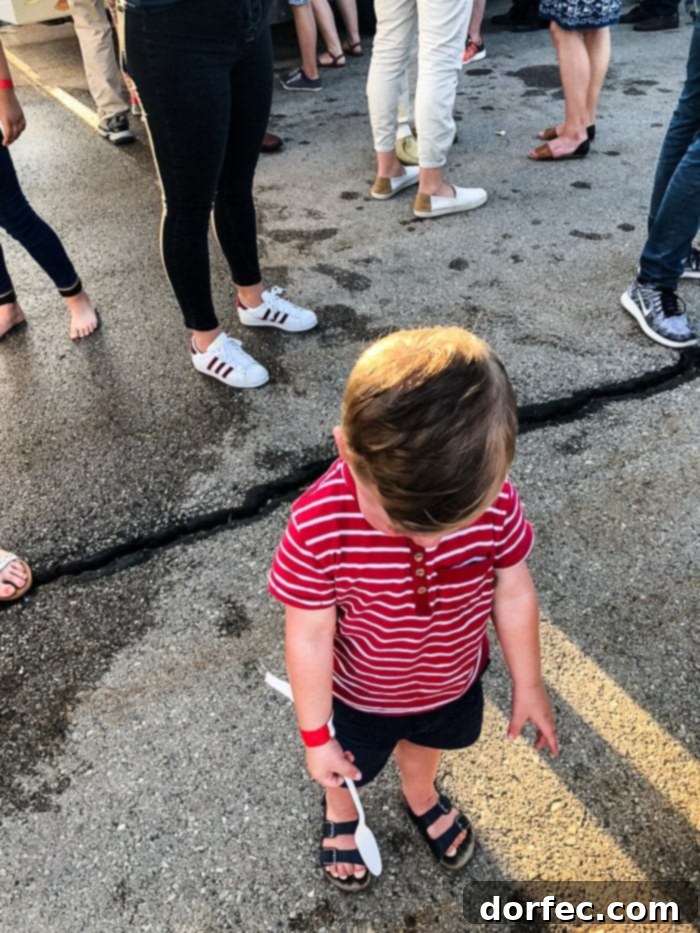
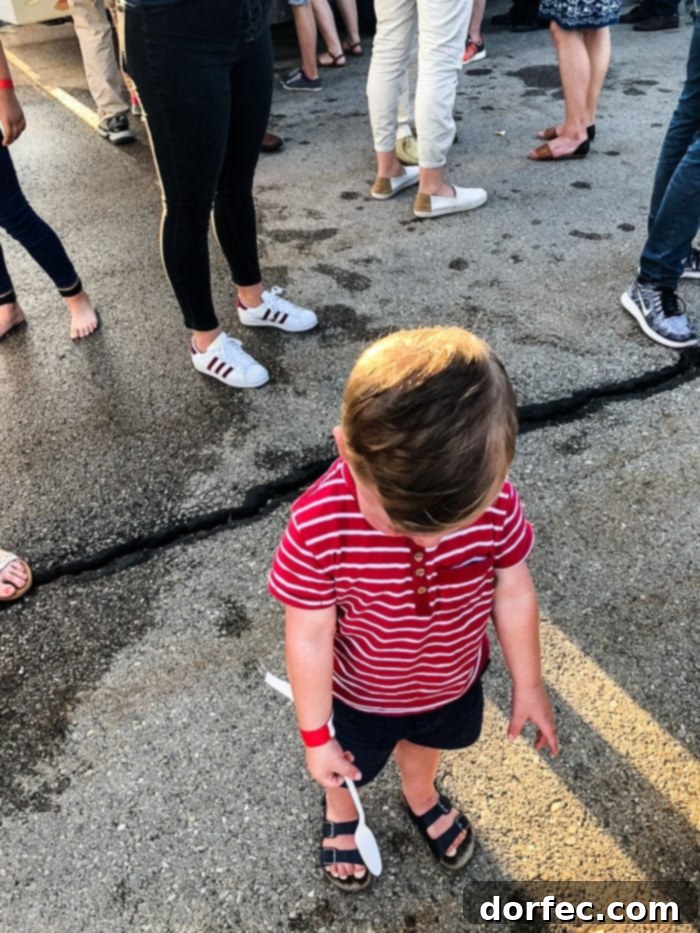
Just last week, while navigating the busy aisles of Target, I witnessed a similar scene. A little one was absolutely bawling and screaming, while their mom was desperately trying to sort out a return, her face etched with a mix of frustration and exhaustion. A young girl, likely a college student, noticed the distress. Instead of hurrying past, she wandered over and gently engaged the child. “I like your red shirt,” she said softly, “is that your favorite color? It’s mine too! What about the Incredibles, they like red too!” And just like that, the screaming stopped. Not one more peep. We all stood there, witnessing a tender mercy unfold before our eyes. It was a powerful reminder that there is still so much good left in the world. It also underscored that, at our core, we are all just people trying to make it through life, and we are all capable of staying calm, assuming the best intentions, and making a profound difference with even the smallest act of kindness.
The world doesn’t necessarily need more politicians to solve its problems, nor does it solely rely on caped superheroes to save the day. What it truly needs is more good women and men – but especially more good women, who often bear the brunt of judgment and the weight of maintaining family harmony in public spaces.
Cultivating Empathy: Our Collective Responsibility in a Stressful World
One of the most impactful things we can do as individuals in this world is to resist the urge to be so quick to judge. It’s a fundamental shift in perspective that can ripple outwards, creating a more supportive and understanding environment for everyone. Even if shyness prevents you from wandering over to offer a direct helping hand, you always have the power to choose not to judge. You can choose to offer a small, reassuring smile if a struggling parent passes by, silently acknowledging their frustration and conveying a sense of shared humanity.
Surely, I am not the only one who has felt the sting of judgment or witnessed its impact. Have any of you experienced similar moments, either as the parent grappling with a tantrum or as a bystander who chose kindness over condemnation? These shared experiences are vital, as they build bridges of understanding and foster a more empathetic community. By actively choosing empathy, we not only uplift struggling parents but also create a kinder, more patient world for all children to grow up in. It begins with one person, one moment, one choice to see beyond the surface and connect with the shared human experience.
Let us remember that every child’s tantrum, no matter how disruptive it appears, is a cry for help or a display of unmet needs. It is a developmental stage, not a sign of bad parenting. By extending grace and understanding, we contribute to a culture where parents feel supported, not shamed, and where children learn that even in moments of great distress, the world can be a gentle and understanding place. This collective responsibility to cultivate empathy is not just about helping others; it is about building the kind of society we all aspire to live in.
The lessons learned from public tantrums extend far beyond the immediate moment of chaos. They teach us about resilience, about the power of unconditional love, and about the profound impact of community support. They remind us that while the journey of parenting is often challenging and isolating, it doesn’t have to be. With a little more kindness, a little less judgment, and a lot more understanding, we can transform these trying moments into opportunities for connection and shared humanity.