
The Ultimate Guide to Homemade Caramel Sauce: Rich, Velvety, and Irresistibly Delicious
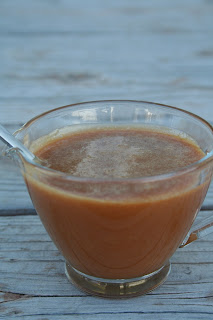
There’s an undeniable magic that happens when you create culinary delights from scratch in your own kitchen. While store-bought convenience might occasionally tempt us, the profound difference in flavor, freshness, and overall quality that homemade ingredients bring to the table is often unparalleled. From meticulously selecting the finest, freshest components to experiencing the pure joy of transforming simple staples into culinary masterpieces, the homemade approach elevates every dish to a new level. Beyond the superior taste, preparing food yourself is frequently more cost-effective, and it ensures your creations are free from the artificial flavors and preservatives commonly found in mass-produced alternatives. Today, we invite you to embark on a delightful journey into the world of homemade caramel sauce – a truly luxurious, versatile condiment that, despite its sophisticated appeal, is surprisingly straightforward to master. It’s perfectly suited for drizzling generously over ice cream, enhancing a myriad of desserts, or simply indulging in a spoonful straight from the jar.
The Allure of Caramel: A Sweet History and Its Chemistry
Caramel, a name derived from the French word “caramel” (literally meaning ‘burnt sugar’), boasts a fascinating and extensive history that dates back many centuries. Its sweet origins are often traced to the ingenious culinary practices of the Arab world, where sugar cane was first widely cultivated and refined, eventually making its way to medieval Europe. The true marvel of caramel lies in a captivating scientific process known as caramelization. This occurs when sugar is heated to a sufficiently high temperature, prompting its molecules to undergo a remarkable transformation – breaking down and then reforming into entirely new compounds. These newly formed compounds are responsible for producing caramel’s distinct nutty, richly buttery flavor, alongside its characteristic spectrum of beautiful golden-brown hues. Crucially, authentic caramel, unlike mere melted sugar, involves the strategic addition of fat (typically butter) and dairy (such as heavy cream). These ingredients are essential for creating that iconic smooth, incredibly rich, and wonderfully pliable texture that makes caramel so universally adored. Our meticulously crafted recipe aims to capture this very essence, ensuring you achieve a sauce that is both profoundly flavorful and endlessly versatile.
Caramel vs. Butterscotch: Decoding the Delicious Distinction
While frequently conflated or interchangeably used in casual conversation, caramel and butterscotch are, in fact, distinct and delightful confections, each possessing its own unique set of characteristics. A clear understanding of their differences can greatly enhance your appreciation for their individual flavor profiles and guide you in selecting the ideal one for your specific culinary endeavors.
- Caramel: The Classic Sweetness. At its very core, caramel is predominantly crafted from granulated white sugar. This sugar is painstakingly heated until it undergoes caramelization, transforming into a deep, inviting amber liquid. Subsequently, rich heavy whipping cream, unsalted butter, and a delicate touch of pure vanilla extract are carefully incorporated. This amalgamation yields a sauce that is exceptionally smooth, profoundly rich, and typically a gorgeous deep golden-brown. The hallmark flavor of caramel is its pure, intense sweetness, elegantly balanced with subtle notes of toasted nuts and the creamy richness of butter.
- Butterscotch: The Toffee-Like Complexity. In stark contrast to caramel, butterscotch traditionally utilizes brown sugar as its foundational ingredient. Brown sugar, by its very nature, contains molasses, which is the secret behind its deeper, more intricate flavor profile. This molasses imparts alluring notes of toffee, a more pronounced buttery taste, and a distinctive, underlying richness. While butterscotch also features butter and cream, its base of brown sugar sets it distinctly apart from caramel, endowing it with a slightly less aggressive sweetness and a more nuanced, often chewier texture when allowed to set.
Therefore, while both caramel and butterscotch are undeniably sweet and wonderfully creamy, their fundamental sugar bases are the key differentiators, creating subtle yet significant variations in their taste, aroma, and even their textural qualities. For our recipe today, our focus remains squarely on guiding you to create that timeless, universally cherished classic caramel flavor.
The Unbeatable Advantages of Homemade Caramel Sauce
Choosing to prepare your caramel sauce from scratch, rather than reaching for a pre-made jar from the grocery store, unlocks a multitude of advantages that consistently prove to be far superior. Here’s why embracing the homemade approach is always a winning decision:
- Unrivaled Flavor and Quality: The taste experience of freshly prepared caramel is, quite simply, in a league of its own. It’s characterized by a richness, complexity, and a profound depth of flavor that commercially processed versions simply cannot replicate. Furthermore, you gain complete control over the caramelization level, allowing you to achieve your personal preferred balance of intense sweetness and deliciously toasted notes.
- Wholesome and Transparent Ingredients: When you craft caramel sauce yourself, you possess absolute certainty regarding every single ingredient that goes into your creation. This empowers you to opt for premium-quality butter, fresh, luscious cream, and pure vanilla extract, consciously avoiding the artificial flavors, unnecessary preservatives, and often high-fructose corn syrup that are frequently prevalent in many commercial products.
- Surprisingly Cost-Effective: The fundamental ingredients required for making caramel sauce are remarkably affordable. Preparing a generous batch at home is almost always significantly more economical than purchasing often expensive gourmet caramel sauces from specialty stores, especially if caramel is a condiment you enjoy with any regularity.
- Limitless Customization Opportunities: The homemade route opens up an exciting realm of creative possibilities. Do you desire a touch more salt for a perfectly balanced salted caramel? Are you craving a subtle hint of bourbon, a splash of rum, or a warming dash of cinnamon? The beauty of making it yourself is the ease with which you can adapt the recipe, tailoring it precisely to your unique preferences and culinary adventurousness.
- A Profound Sense of Accomplishment: There’s an immense and deeply satisfying feeling that accompanies the creation of something truly delicious from such basic, humble ingredients. Witnessing the remarkable golden transformation of sugar within your saucepan is a small but significant culinary triumph, a hands-on experience that undeniably enhances the pleasure and enjoyment of your exquisite final product.
Beyond the Scoop: Exploring the Versatility of Homemade Caramel Sauce
While homemade caramel sauce undeniably achieves sublime perfection when generously drizzled over a classic scoop of vanilla ice cream, its remarkable versatility means its potential extends far, far beyond this traditional pairing. This exquisite liquid gold possesses the power to elevate an astonishing array of dishes, effortlessly transforming everyday treats into truly gourmet delights:
- The Ultimate Dessert Topping: Drench your favorite desserts with this golden elixir. It’s a sensational topping for warm apple pies, rich cheesecakes, fudgy brownies, delicate blondies, and even simple, elegant fruit tarts. It not only adds an incomparable layer of richness and depth but also bestows a beautiful, glossy sheen.
- Coffee and Beverage Enhancer: Infuse your morning routine or afternoon pick-me-up with a touch of luxury. Stir a generous tablespoon of warm caramel into your coffee or latte to craft a homemade caramel macchiato that rivals any cafe. For an extra decadent treat, blend it into creamy milkshakes, invigorating smoothies, or a comforting mug of hot chocolate.
- Irresistible Fruit Dip: Present your homemade caramel alongside an assortment of freshly sliced apples, crisp pears, or sweet bananas for an effortlessly irresistible snack or an elegant party appetizer that will disappear quickly.
- Breakfast Indulgence: Revolutionize your breakfast experience by pouring warm, flowing caramel over fluffy pancakes, crispy waffles, golden French toast, or a hearty bowl of oatmeal. It’s a culinary game-changer that will make mornings feel like a special occasion.
- A Secret Baking Ingredient: Seamlessly integrate this luscious sauce directly into your baking recipes. Use it as a star ingredient for caramel cakes, delectable bars, moist muffins, or as a rich, gooey filling for cookies and pastries. It is, of course, the indispensable key to crafting perfect, nostalgic caramel apples.
- A Surprising Savory Touch: For the more adventurous culinary explorer, a subtle hint of caramel can unexpectedly enhance certain savory dishes. Consider using it as a sophisticated glaze for roasted pork or tender chicken, where its sweet and smoky depth can add a truly remarkable dimension to your meal.
Homemade Caramel Sauce: The Recipe You’ve Been Waiting For
Classic Velvety Caramel Sauce
This meticulously detailed recipe will guide you effortlessly through the process of creating a perfect batch of rich, incredibly smooth, and utterly delicious caramel sauce right in your own kitchen. It’s the ideal foundation for all your cherished desserts and delightful treats.
Ingredients
- 1/3 Cup (80ml) Water
- 2 Cups (400g) Granulated Sugar (High-quality pure cane sugar is highly recommended for best results)
- 1 3/4 Cups (420ml) Heavy Whipping Cream (ensure it’s full-fat for the richest texture and flavor)
- A generous pinch of fine sea salt (or 1/4 teaspoon if you desire a distinctly salted caramel flavor)
- 1 Teaspoon (5ml) Pure Vanilla Extract (Investing in a good quality pure vanilla extract truly makes a noticeable difference in the final taste)
- 4 Tablespoons (56g) Unsalted Butter, cut into 4 pieces (optional, but adds richness and gloss, can be added with the cream)
Essential Equipment
- A sturdy, heavy-bottomed saucepan (at least a 3-quart capacity is ideal to prevent boil-overs)
- A reliable whisk
- A heat-resistant spatula or a wooden spoon
- Accurate measuring cups and spoons
- A clean glass jar with an airtight lid for proper storage
- A small pastry brush (optional, but very helpful for preventing sugar crystallization)
- A candy thermometer (optional, for those who prefer precision in caramelization)
Step-by-Step Instructions
- Prepare the Sugar Syrup: In your chosen medium to large heavy-bottomed saucepan, carefully combine the 1/3 cup of water and the 2 cups of granulated sugar. Stir the mixture gently, just enough to ensure all the sugar crystals are thoroughly moistened. Place the saucepan over medium-low heat. Continue to heat the mixture slowly, stirring occasionally, until every single sugar crystal is completely dissolved. This initial stage is crucial – resisting the urge to rush it will significantly help in preventing undesirable crystallization later on.
- Initiate Caramelization: Once you are absolutely certain that the sugar is fully dissolved and the mixture appears perfectly clear, increase the heat to a steady medium setting. Bring the sugar syrup to a vigorous boil. From this moment onwards, it is imperative that you do NOT stir the sugar mixture. If you notice the syrup cooking unevenly, you may gently swirl the pan to distribute the heat. Should any stubborn sugar crystals begin to form on the interior sides of the saucepan, dip a clean pastry brush into some water and delicately brush them back down into the boiling syrup. Continue to boil the mixture, watching intently, until the sugar undergoes a breathtaking transformation into a beautiful amber or a deep, rich golden-brown caramel color. This critical stage can take anywhere from 5 to 10 minutes, but your undivided attention is paramount – the sugar can transition from perfectly caramelized to irrevocably burnt in mere seconds!
- Carefully Add the Cream: The very instant the sugar achieves your desired perfect caramel color, immediately remove the saucepan from the heat source. Now, slowly and with extreme caution, pour the heavy cream (and the optional butter, if using) into the piping hot caramel. Be exceptionally careful during this step, as the mixture will violently bubble up and release a considerable amount of hot steam. Whisk constantly and vigorously as you pour, ensuring the cream is fully and smoothly incorporated into the caramel. It is quite common for the mixture to temporarily seize up or become somewhat lumpy; do not be alarmed, this is a normal part of the process. Continue whisking gently until the sauce achieves a uniform, smooth consistency.
- Infuse with Flavor: Return the saucepan to a very low heat setting. Add your pinch of fine sea salt and the pure vanilla extract. Continue to stir the sauce constantly with a heat-resistant spatula or wooden spoon for an additional 1 to 3 minutes, or until the entire sauce is completely smooth and any lingering lumps from the cream addition have fully dissolved. The gentle simmering helps to marry all the flavors.
- Cool and Achieve Perfect Thickness: Remove the perfectly crafted caramel sauce from the heat. Carefully pour the warm sauce into a clean, heat-proof glass jar. Allow it to cool completely and undisturbed at room temperature for a minimum of 1 to 3 hours. As it gradually cools, the sauce will naturally thicken considerably, transforming into that luscious, pourable, and utterly irresistible consistency you desire.
Recipe Notes for Success
For optimal freshness and longevity, always store your homemade caramel sauce in a thoroughly clean, airtight glass jar with a tightly fitting lid. If you intend to store it for an extended duration, it is a good practice to sterilize the jar beforehand.
Approximate Nutrition Information (per serving)
Nutrition information provided is automatically calculated and should be used only as a general approximation. These values are based on 4 generous servings of the recipe.
- Serving Size: ~1g (note: typically measured by volume, e.g., 2 tablespoons)
- Calories: 749 kcal
- Carbohydrates: 103g
- Protein: 2g
- Fat: 39g
- Saturated Fat: 24g
- Cholesterol: 143mg
- Sodium: 42mg
- Potassium: 82mg
- Sugar: 100g
- Vitamin A: 1531 IU
- Vitamin C: 1mg
- Calcium: 69mg
- Iron: 1mg
Mastering the Art of Storing Your Homemade Caramel Sauce
Implementing proper storage techniques is absolutely paramount to ensure your exquisite homemade caramel sauce remains fresh and incredibly delicious for the longest possible duration. Adhere to these essential guidelines to preserve its quality and flavor:
Refrigeration for Freshness
Once your freshly made caramel sauce has completely cooled down to room temperature, carefully transfer it into a clean, dry, and airtight glass jar. Store this jar in the refrigerator. When properly stored in this manner, your caramel sauce will maintain its quality for up to 1 month. It is important to note that the sauce will naturally thicken quite considerably when chilled, often becoming firm or very thick. This is a perfectly normal characteristic of caramel sauce and no cause for concern.
Freezing for Extended Preservation
Absolutely, you can confidently freeze homemade caramel sauce! If you’ve diligently prepared a generous batch or simply wish to preserve its delectable qualities for a longer period, pour the thoroughly cooled sauce into a freezer-safe container or a robust, heavy-duty freezer bag. Remember to leave a small amount of headspace in the container to allow for any slight expansion during freezing. Your caramel will store exceptionally well in the freezer for an impressive duration of up to 3 months. When you’re ready to indulge, simply transfer the frozen caramel to your refrigerator and allow it to thaw gently overnight. You will likely need to gently reheat it afterwards to restore its beautifully smooth, pourable consistency.
Expert Tips for Reheating
To effortlessly reheat either chilled or previously frozen and thawed caramel sauce, you have a couple of convenient and effective options:
- Stovetop Method: Transfer the desired portion of caramel to a small, clean saucepan. Heat it over very low heat, diligently stirring constantly, until it gracefully returns to its smooth and pourable state. If you find it has become excessively thick, you can judiciously whisk in a tablespoon or two of warm milk or additional heavy cream until it achieves your preferred luscious consistency.
- Microwave Method: Place the caramel in a microwave-safe bowl. Heat it in short, controlled bursts (typically 15-30 seconds at a time), ensuring you stir it thoroughly after each interval, until it is pleasantly warm and perfectly smooth. Exercise caution to avoid overheating, as caramel can unfortunately burn quite rapidly in the microwave.
Troubleshooting: Navigating Common Caramel-Making Challenges
While the process of crafting homemade caramel can sometimes present a few minor challenges, there’s no need to feel discouraged! Here are practical solutions and advice for some of the most common issues you might encounter:
- Grainy Caramel: The Crystallization Conundrum. If your caramel sauce ends up with an undesirable grainy texture, this is almost always attributed to the formation of sugar crystals. This can occur if the sugar was not completely dissolved at the very beginning of the process, or if errant sugar crystals splash onto the sides of the pan and subsequently fall back into the boiling syrup. To effectively prevent this, diligently ensure all sugar is fully dissolved before the syrup begins to boil. Additionally, keep a wet pastry brush handy to gently wash down any crystals that might form on the pan’s interior sides during the cooking process. Crucially, avoid stirring the sugar syrup once it begins to boil until after you have introduced the cream.
- The Unfortunate Case of Burnt Caramel: Caramel has a notorious tendency to transition from a state of perfect golden deliciousness to a bitter, burnt disaster in what feels like the blink of an eye. If your caramel emits a burnt odor or acquires a bitter taste, regrettably, it cannot be salvaged. The best course of action is to discard it immediately and begin a fresh batch. The absolute key to avoiding this pitfall is to observe the caramelization stage with unwavering focus and remove the pan from the heat the very instant it achieves your desired rich, amber color.
- Adjusting Consistency: Too Thick or Too Thin? If, after cooling, your homemade caramel proves to be excessively thick, you can gently reheat it on the stovetop over low heat or in the microwave. Then, gradually whisk in a tablespoon or two of warm heavy cream or milk until it achieves your preferred smooth and pourable consistency. Conversely, if your caramel is too thin, you can attempt to reheat it and allow it to simmer very gently for an additional minute or two, stirring constantly, to slightly reduce and thicken it. However, exercise extreme caution not to overcook it in this process.
Creative Caramel Sauce Variations to Elevate Your Culinary Repertoire
Once you have confidently mastered the foundational recipe for homemade caramel sauce, you unlock a world of exciting possibilities for culinary experimentation. You can effortlessly infuse your basic caramel with a diverse array of flavors to craft truly unique and tantalizing variations that will impress and delight:
- Salted Caramel Sauce: The Irresistible Classic. This incredibly popular variation is remarkably simple to achieve. Merely incorporate 1/2 to 1 teaspoon of flaky sea salt (such as the exquisite Maldon salt) into your caramel sauce at the same moment you add the vanilla extract. For an added visual and textural delight, you can also sprinkle a touch of flaky sea salt directly on top of your finished desserts just before serving.
- Bourbon or Whiskey Caramel: A Sophisticated Twist. For a refined and adult-friendly flavor, add 1-2 tablespoons of your preferred bourbon or whiskey along with the vanilla extract. The alcohol will cook off during the gentle simmering, leaving behind a wonderfully complex, subtly boozy flavor that harmonizes beautifully with apple-based desserts and pecan pies.
- Coffee Caramel: For the Caffeine Lover. Infuse your caramel with a delightful coffee essence by dissolving 1-2 teaspoons of instant espresso powder or an equal amount of very strong brewed coffee directly with the heavy cream before you incorporate it into the caramelized sugar. This creates a rich, deeply flavored caramel that pairs perfectly with chocolate and coffee-flavored treats.
- Spiced Caramel: Seasonal Warmth. Experiment with the comforting embrace of warming spices. Stir in 1/2 teaspoon of ground cinnamon, a mere pinch of ground nutmeg, or even a tiny dash of cayenne pepper (for an intriguing hint of heat) alongside the vanilla extract. This particular variation is especially sublime and comforting during the cozy fall and winter months.
Conclusion: Elevate Your Desserts with Homemade Perfection
Embarking on the journey of making homemade caramel sauce is a truly rewarding and enriching culinary experience. It’s a magical process that transforms a few humble ingredients into an extraordinarily rich, deeply flavorful, and incredibly versatile condiment. From its undeniably superior taste and unparalleled freshness to the boundless opportunities for creative customization, consciously choosing to make your caramel from scratch will, without a doubt, profoundly elevate your desserts and consistently delight your discerning palate. So, gather your ingredients with enthusiasm, diligently follow our comprehensive and detailed guide, and prepare to not only impress yourself but also your cherished loved ones with this exquisite liquid gold. May your kitchen be filled with the sweet aroma of success!
Pin this recipe!
Print this recipe!
We’d love to hear from you! Don’t forget to leave a comment below and share your caramel-making experiences or your favorite ways to enjoy this luscious sauce!